
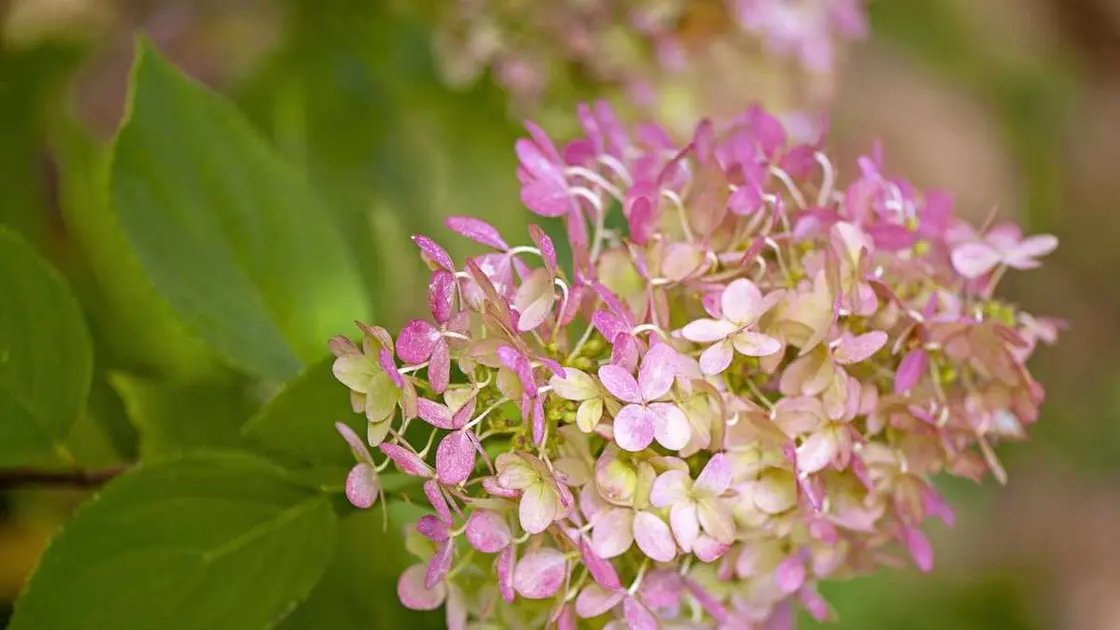
Hydrangeas are an essential flowering shrub that brings charm to any garden. They showcase long-lasting blooms in various shapes and colors, from white to deep magenta. Capable of growing large, they add lush greenery and texture, even in winter.
When selecting plants to pair with hydrangeas, focus on companions that not only look good together but also thrive in similar growing conditions. Understanding how to mix different plants is key to successful hydrangea care. Plus, companion planting can benefit all plants involved.
'Hydrangeas possess a natural elegance. Their bold blooms perfectly complement a diverse array of garden plants,' says a horticultural expert. Here are ten top companion plants for hydrangeas that will enhance their beauty.

Selecting Ideal Companion Plants for Hydrangeas
'Choosing the right companions for hydrangeas depends on the type of hydrangea, your climate zone, and the orientation of your garden,' advises a horticulturist. Hydrangeas thrive in well-draining, moist soil and can adapt to both acidic and alkaline conditions. Understanding your soil type is crucial when pairing plants.
Interestingly, the flower color of some hydrangeas changes with soil pH: blue in acidic soil and pink in alkaline. This can guide you in selecting plants that will flourish nearby, creating a vibrant color palette throughout the growing season.
1. Hostas
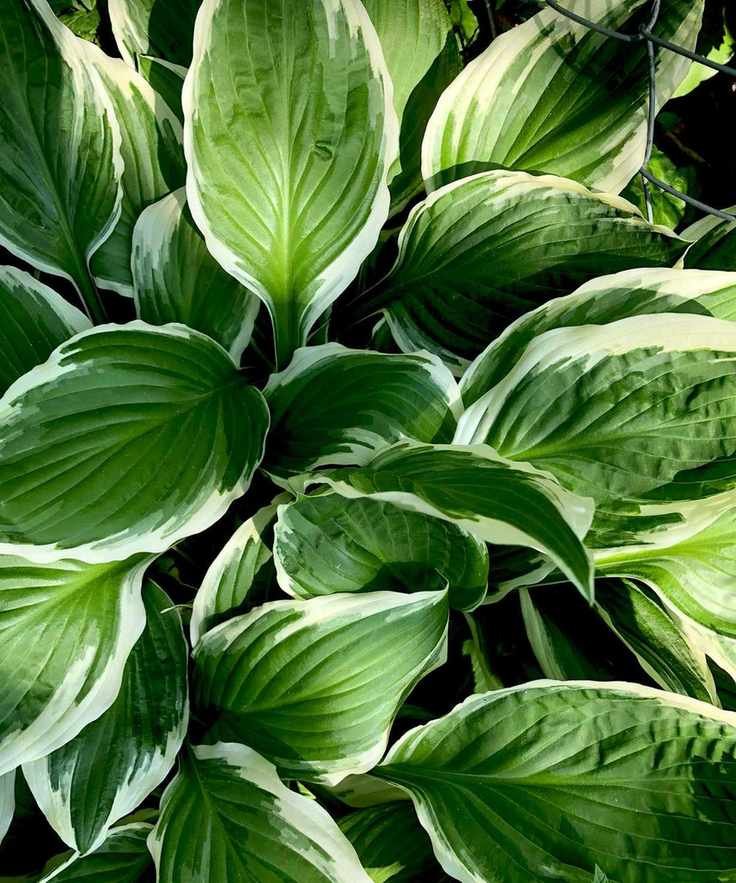
Hostas make excellent companions for hydrangeas. These robust perennials thrive in nutrient-rich, moist (but not soggy) soil and prefer partial shade, just like hydrangeas.
Low-growing hostas add visual interest beneath larger hydrangeas, featuring heart-shaped leaves with bright edges that contrast beautifully with hydrangeas' softer blooms. Perfect for landscape designs incorporating hydrangeas.
- Flower colors: Purple, mauve, pink, white
- Hardiness zones: USDA 3-9
- Scientific name: Hosta
- Best planting time: Spring, fall
2. Daylilies

For hydrangeas, consider classic color contrasts like pairing big blue or pink hydrangeas with vibrant orange daylilies. This combination creates a striking visual effect.
Daylilies are hardy perennials with exotic flower shapes. They thrive in various soil types and handle the partial shade that hydrangeas enjoy.
Many varieties of daylilies are available for inspiration.
- Flower colors: White, orange, yellow, apricot, burgundy, pink, red
- Hardiness zones: USDA 2-9
- Scientific name: Hemerocallis
- Best planting time: Spring, late summer, or fall
3. Gardenia

Pairing white hydrangeas with gardenias creates an elegant display. The fragrant white blooms of the 'Diamond Spire' gardenia, available at various retailers, complement hydrangeas beautifully.
Gardenias grow best in warmer climates (USDA zones 7a-10b) and require ample moisture to flourish. They benefit from acidic fertilizers to enhance their lovely blooms.
- Flower colors: White, pink
- Hardiness zones: USDA 7a - 10b
- Scientific name: Gardenia
- Best planting time: Fall
4. Coneflower
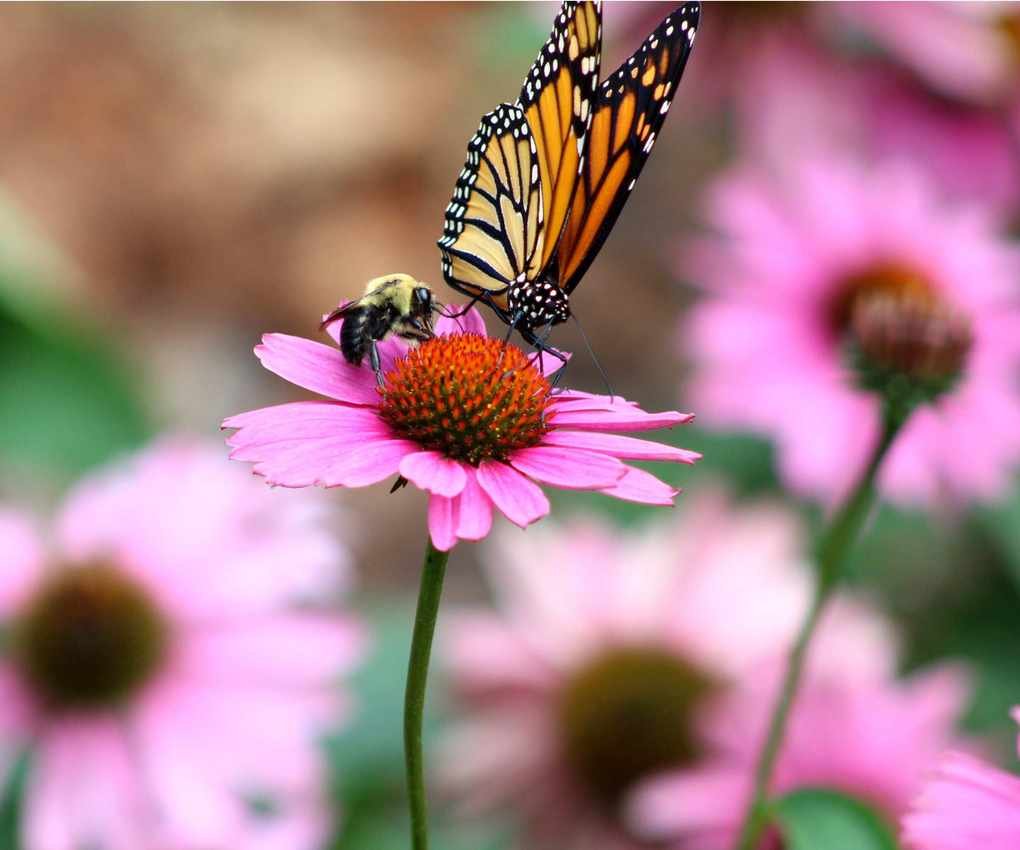
'Echinacea purpurea blooms at the same time as hydrangeas, adding vibrant color to the garden,' says a botanical expert. It works well in the front of hydrangeas.
This plant tolerates partial shade and grows well in moist, fertile soil, making it suitable for hydrangea gardens. Additionally, it attracts numerous pollinators.
Find seeds for coneflowers at various gardening stores.
- Flower colors: Pink, white, lime, yellow, red, orange
- Hardiness zones: USDA 4-9
- Scientific name: Echinacea purpurea
- Best planting time: Spring, early fall
5. Pieris japonica

Pieris japonica, or Japanese andromeda, is an ideal companion for hydrangeas, blooming in spring. It acts as a lovely precursor to summer's hydrangea display.
This evergreen shrub thrives in acidic soil, making it a perfect match for blue-flowering hydrangeas. Like hydrangeas, it enjoys partial shade.
- Flower colors: Green, reddish-pink
- Hardiness zones: USDA 5-8
- Scientific name: Pieris japonica
- Best planting time: Fall
6. Conifers

Considering trees and bushes, conifers like junipers and dwarf pines also pair nicely with hydrangeas. They add structure and elegance to the landscape.
Layering taller conifers behind hydrangeas creates visually appealing compositions. These evergreens prefer acidic, well-draining soil and provide year-round interest.
- Flower color: Green
- Hardiness zones: USDA 6-8
- Scientific name: Various, based on selected conifer
- Best planting time: Early spring, early fall
7. Ornamental Grasses
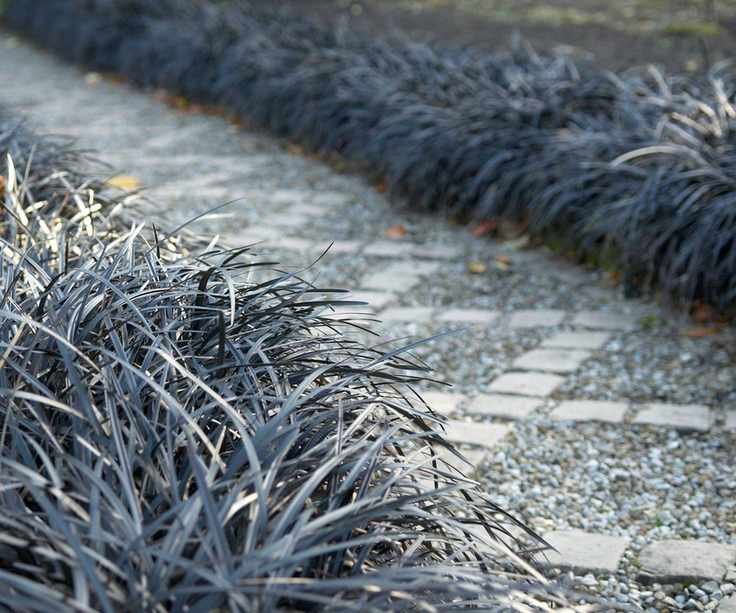
Ornamental grasses provide a delightful textural contrast to hydrangeas. Many types are non-invasive and blend well in borders.
For white-flowered hydrangeas, black mondo grass adds striking contrast. Similarly, Japanese forest grass maintains its golden hue throughout the season, thriving in comparable conditions.
- Flower colors: Black, mauve, green
- Hardiness zones: USDA 6-9
- Scientific name: Ophiopogon Mondo Grass 'Nigrescens'
- Best planting time: Early spring
8. Camellias

While hydrangeas bloom for much of the year, camellias provide flowers in winter, ensuring your garden stays vibrant even in colder months.
Camellias thrive in well-drained, acidic soil. A suitable fertilizer mix for rhododendrons and azaleas works well for their needs.
- Flower colors: Pink, cream, red, yellow
- Hardiness zones: USDA 6-10
- Scientific name: Camellia
- Best planting time: Fall, spring
9. Astilbe

Known as false goat's beard, astilbe thrives next to hydrangeas. It prefers shade and needs ample water, flourishing in acidic soils.
With its lush foliage, astilbe maintains its ornamental appeal even after blooming, with delicate fronds that contrast nicely with hydrangeas' broader leaves.
- Flower colors: Pink, magenta, red, cream, white
- Hardiness zones: USDA 4-9
- Scientific name: Astilbe
- Best planting time: Spring, fall
10. Clematis viorna

Clematis viorna, or vasevine, is a charming native species that can gracefully climb over Hydrangea arborescens. This plant thrives in cooler shaded areas at the base of hydrangeas.
The vining growth tolerates partial shade to full sun, twining through hydrangeas and adding a whimsical touch with its bell-shaped flowers.
- Flower colors: Pink, burgundy, purple
- Hardiness zones: USDA 4a - 9b
- Scientific name: Clematis viorna
- Best planting time: Early spring
FAQs
Can roses and hydrangeas coexist?
Yes, roses can grow alongside hydrangeas, but since roses prefer sun while hydrangeas like shade, choose a compatible variety. Paniculate hydrangea 'Limelight' thrives in full sun and pairs beautifully with romantic pink roses.
Can peonies and hydrangeas thrive together?
Peonies bloom earlier than hydrangeas, making them lovely companions. As peonies fade, hydrangeas will take center stage. Peonies thrive in full sun or partial shade and adapt to various soil types as long as they drain well.
Hydrangeas come in numerous varieties, including climbing types and bushy shrubs with large flower heads. Each type has unique pruning needs; learning how to prune each variety will help maintain their health and flowering.



