Every garden benefits from elements that provide constant beauty, and evergreen shrubs are essential for any planting design.
These resilient plants contribute structure and visual appeal, no matter the season. Plus, they typically require minimal maintenance, making them a popular choice for both large and small gardens.
Evergreen Shrubs to Enhance Your Backyard

By incorporating evergreen landscaping, you can maintain a consistent structure in your garden. Many evergreen shrubs also offer vibrant blooms and berries; some are even fragrant, providing much more than just attractive foliage.
Integrate them into your flowerbed designs or allow them to be the focal point of your garden.
Garden designer Kate Gould suggests using a high proportion of evergreen shrubs for lasting structure. 'Ideally, 50 to 70 percent of the planting should consist of evergreens,' she advises.
'A subtle mix of evergreen plants creates a strong sculptural presence,' adds designer Emily Erlam.
1. Evergreen Shrubs for Structural Integrity

Every garden should possess a solid foundation, and much of this structure can be established through planting.
'It's essential to ensure that your garden remains beautiful throughout the year,' states garden designer Tommaso del Buono.
'This is where evergreen shrubs become crucial. I rely on them to build the framework for the entire garden. I particularly love boxwood, a staple of Italian gardens, from its fresh green growth in spring to its delightful scent. It's perfect for fast-growing hedges and any other desired shape.'
If you're looking to design a garden, Tommaso recommends Japanese holly, Ilex crenata, and Phillyrea angustifolia, known as narrow-leaved mock privet, as excellent choices for creating structure.
'Yew, Taxus baccata, is ideal for tall hedges and large topiary shapes, and I also appreciate using bay, Laurus nobilis, for similar purposes,' he notes.
2. Evergreen Shrubs for Defining Spaces

'In addition to the vertical elements of trees and the textural and floral displays of grasses and perennials, a backbone of evergreen shrubs is vital,' explains RHS gold medal winner Rae Wilkinson.
Hedges made from laurel, boxwood, privet, or cotoneaster can soften boundaries and highlight the separation between spaces, while tiered hedges can create a gradual height transition while enhancing visual lines.
'Smaller evergreen shrubs, like lavender and hebe, provide form, color, and texture at lower levels. They are great for enhancing edges, softening transitions, or dividing connected areas,' Rae adds.
'Hebe rakaiensis is one of our favorite small evergreen shrubs for lining steps where a wall might be costly and less desirable, especially when paired with Nepeta 'Walker's Low',' explains landscape gardener Debbie Roberts.
Clipped evergreen shrubs can also help define spaces and pathways.
'In my own garden, I have an avenue of clipped yew pyramids that decrease in size and spacing to create a false perspective, making the garden appear longer,' shares award-winning designer Robert Myers.
3. Evergreen Shrubs for Garden Borders

'Evergreen shrubs provide year-round interest and structure in garden beds while perennials rise and fall around them, adding seasonal change and movement,' explains garden designer Alice Ferguson.
Well-clipped or textured evergreen shrubs can contrast beautifully with softer herbaceous plants.
Proper care is essential, so shape and trim evergreen shrubs to keep them looking tidy and ensure they don't dominate garden borders. Learn how to prune azaleas, choisya, or Mexican orange blossom, and keep camellias pruned for successful results with these evergreen shrubs in borders.
Alice encourages using 'perennials like Gillenia trifoliata, Thalictrum delavayi, and Verbena bonariensis to weave through structural evergreen shrubs for added height. Underplant and soften evergreen shrubs with low creeping perennials like Geranium 'Rozanne' and Alchemilla mollis',' she adds.
4. Evergreen Shrubs for Creating Patterns
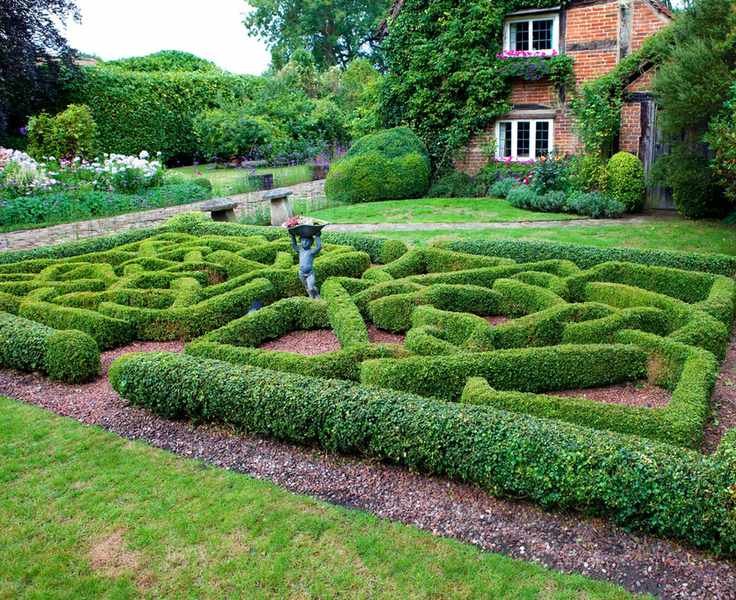
'I enjoy using evergreens to establish a green structural pattern throughout the gardens I design. An evergreen framework brings harmony, balance, and rhythm to the garden,' says Alice Ferguson.
'The art of crafting a structural framework with evergreens in modern gardens is an engaging theme and crucial for anchoring the more natural planting styles that are currently in vogue,' she adds.
While traditional French gardens often featured intricate box parterres, you can learn how to design a parterre garden that fits within a contemporary scheme, regardless of garden size.
Although parterres were typically made with boxwood, many other evergreens can be used to create shapes. Consider Pittosporum tenuifolium, Ilex crenata, Taxus baccata, or osmanthus as alternative evergreen shrubs.
5. Evergreen Shrubs with Colorful Flowers
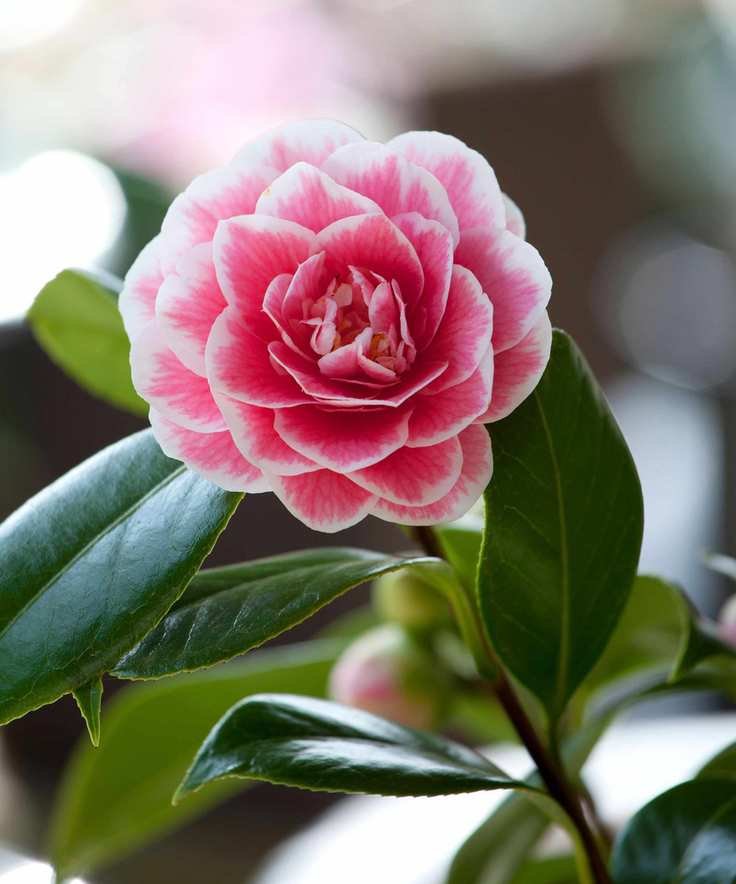
Enhance your backyard planting with flowering evergreen shrubs.
'The term