
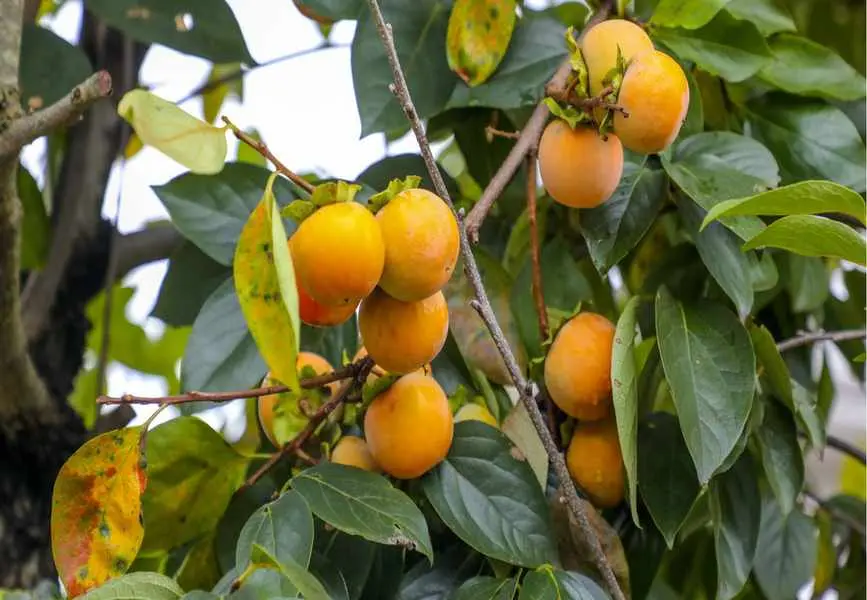
Persimmons are unique, orange fruits that resemble tomatoes and have a delightful sweetness akin to cantaloupe. These fruits typically grow on smaller trees, making certain varieties perfect for gardens with limited space. However, simply planting a persimmon tree isn't enough; it needs the right conditions to thrive and produce fruit effectively.
Regardless of whether your persimmon tree is in a container or planted directly in the ground, it won't succeed without proper care. This means you must pay close attention to where you plant your persimmon seeds to ensure they get the best start possible.
If you're having trouble getting your persimmon tree to bear fruit, all hope is not lost. Gardening experts recommend a few strategies to encourage your tree to produce.
3 Tips to Encourage Your Persimmon Tree to Fruit
First, it's essential to understand that persimmon trees flourish best in US hardiness zones 4 through 9. Outside these zones, the trees may not receive the ideal conditions needed for fruiting. Additionally, like mulberry trees, persimmons can take several years before they begin to produce fruit.
With this in mind, experts suggest following these three steps to help your persimmon tree thrive:
1. Plant a Second Persimmon Tree
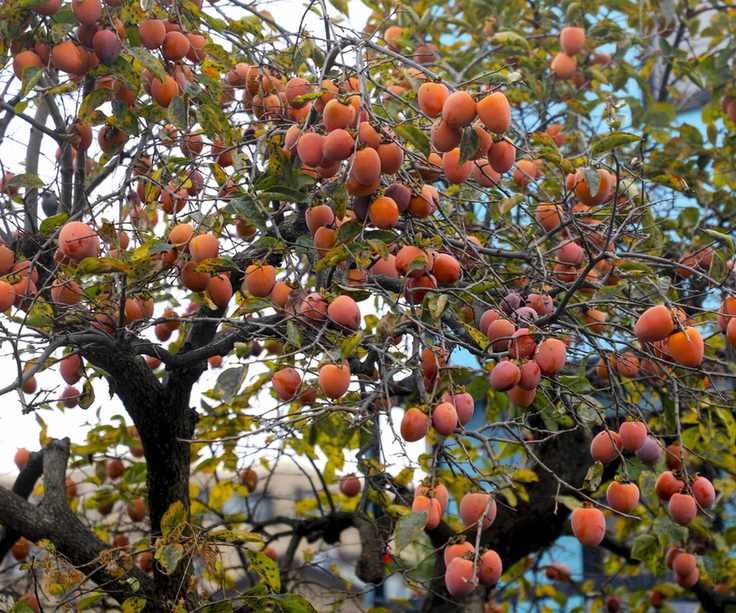
Much like many fruit trees, certain persimmon varieties require cross-pollination for successful fruit development. If you have only a single tree, this could be why you're not seeing any fruit.
'While this can vary depending on the species, most persimmon trees are dioecious,' explains Thom Rutter, a former professional gardener. 'This means that you need both male and female trees for successful pollination and fruiting,' he adds.
Persimmon trees bloom in spring, with pollinators transferring pollen from male flowers to female ones, leading to fruit production in the fall. However, Thom notes that 'if you only have one tree and no others nearby, you may not get any fruit.'
The American persimmon tree (Diospyros virginiana) needs a partner for this reason. You can enhance pollination by planting flowers that attract pollinators near your persimmon trees.
It is important to note, however, that not all varieties follow this rule. Some types, like the Japanese persimmon (Diospyros kaki), are monoecious, meaning a single tree can produce both male and female flowers, making them self-fertile. Therefore, in this case, you won't need a second tree for fruiting.
If you're unsure which type to grow, consult with your local plant nursery for guidance.
Consider finding a second persimmon tree from Nature Hills.

Thom is a knowledgeable gardener and content creator.
2. Avoid Underwatering Your Persimmon Tree
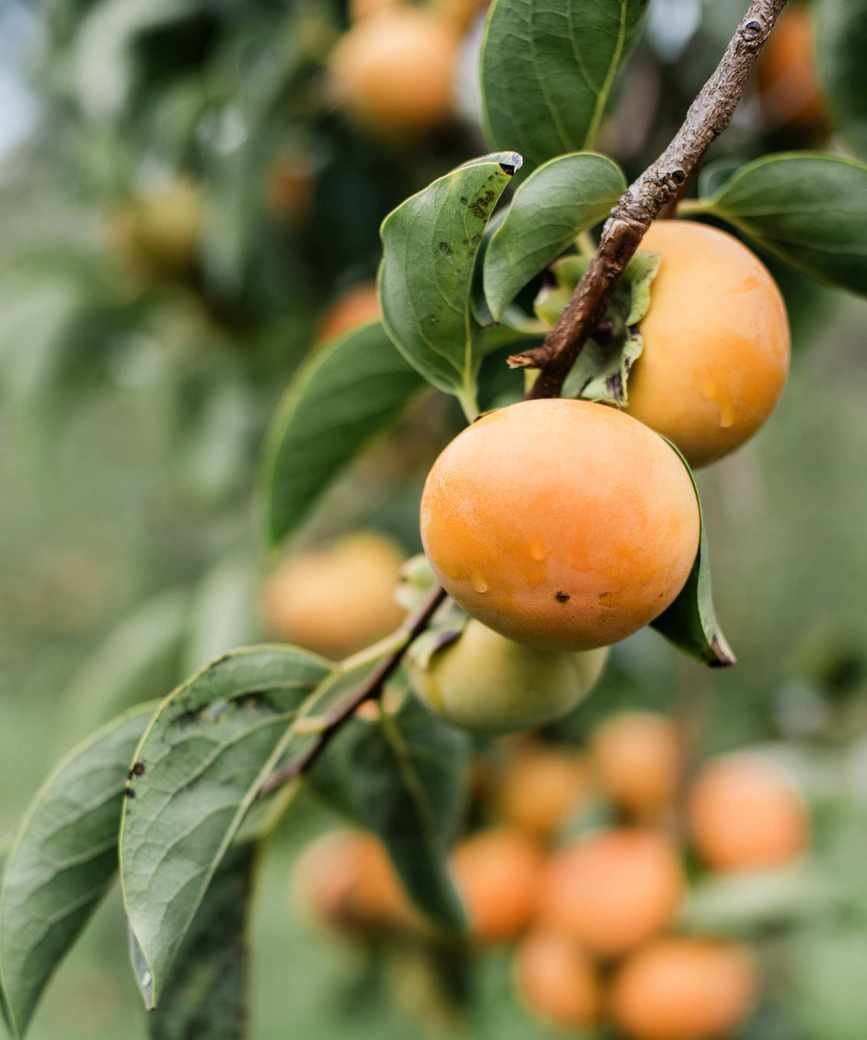
While pollination is often the primary reason for a lack of fruit, improper watering can also impact production. Even though persimmon trees are known for their drought tolerance, extended dry spells can hinder their ability to produce fruit.
'Both underwatering and overwatering can lead to reduced fruit size,' states Sarah Akovic, a fruit-growing specialist. 'Signs of improper watering include yellowing leaves, wilting, or crispy foliage. It's crucial to monitor your trees closely during the summer months as they may require more water,' she advises.
On the flip side, overwatering can lead to root rot, drooping leaves, and premature fruit drop.
If you're uncertain about when to water your plants, consider using this soil moisture meter from Amazon. Insert it into the soil to check for dryness. 'You want to keep the soil moist but never soggy,' urges Valeria Nyman, a gardening expert.
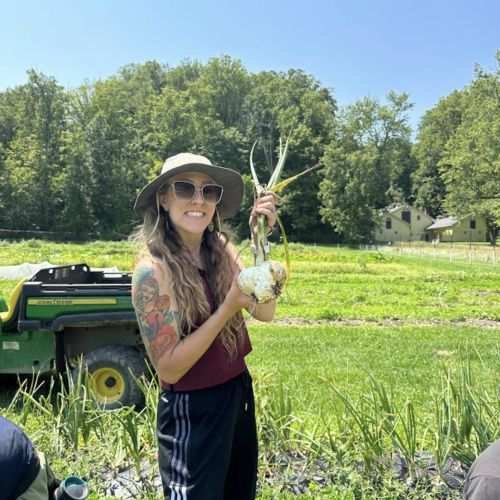
Sarah teaches Crop Production at Lorain County Community College and has extensive experience in regenerative farming.
3. Ensure Your Persimmon Tree Receives Enough Sunlight
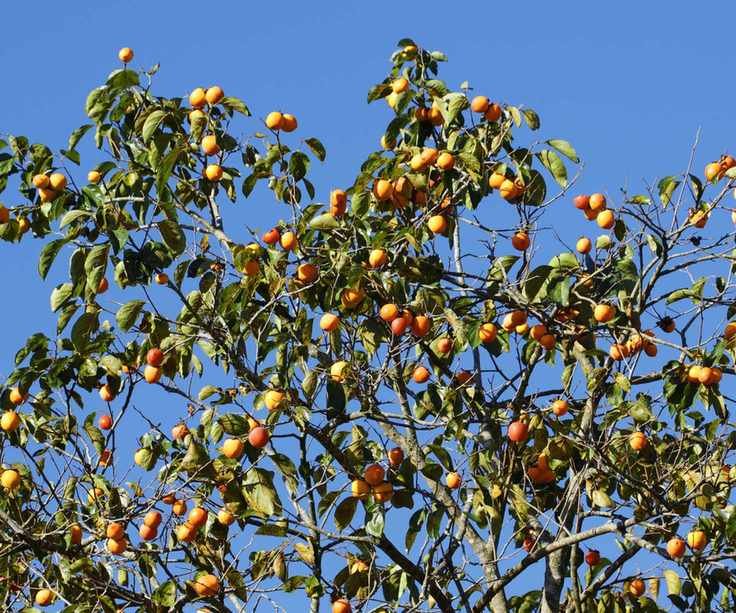
Similar to getting a fig tree or plum tree to fruit, persimmon trees require ample sunlight to thrive.
'Without at least six to eight hours of direct sunlight each day, they won't produce fruit, regardless of how well you care for them,' says Valeria.
'Warmth is also essential; temperatures below 70°F during the growing season can inhibit their productivity. If you're in a cooler climate, consider a more cold-hardy variety like the American persimmon,' she suggests.
If your persimmon tree is potted, relocating it to a sunnier area is simple. A south-facing garden wall can provide light, warmth, and some wind protection.
If your tree is larger or in a permanent spot, improving sun exposure can be trickier. In that case, consider pruning surrounding tree branches that may block sunlight.
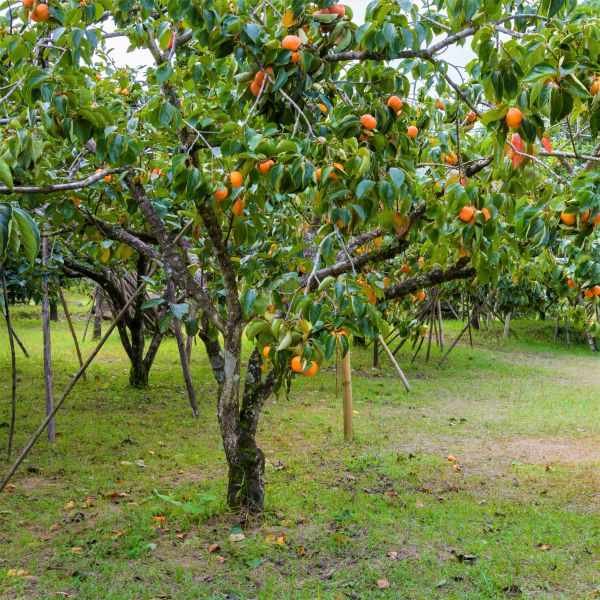
The American persimmon tree features beautiful bark, lush foliage, vibrant fall colors, and delicious fruit.

Valeria is the Chief Product Officer at Taim.io, an innovative gardening platform offering personalized advice.
FAQs
When is Persimmon Fruit Ready to Harvest?
Persimmons typically mature in the fall, between September and November. However, the exact timing can vary by variety. Generally, persimmons are ripe for picking when they have developed a deep orange color and feel soft to the touch, yielding slightly when pressed.
To keep your persimmon tree healthy, it's important to remember that the best soil type is well-drained and fertile, with a slightly acidic pH. You can use this soil test kit from Amazon to determine your soil's pH and take steps to adjust its acidity as needed.



