
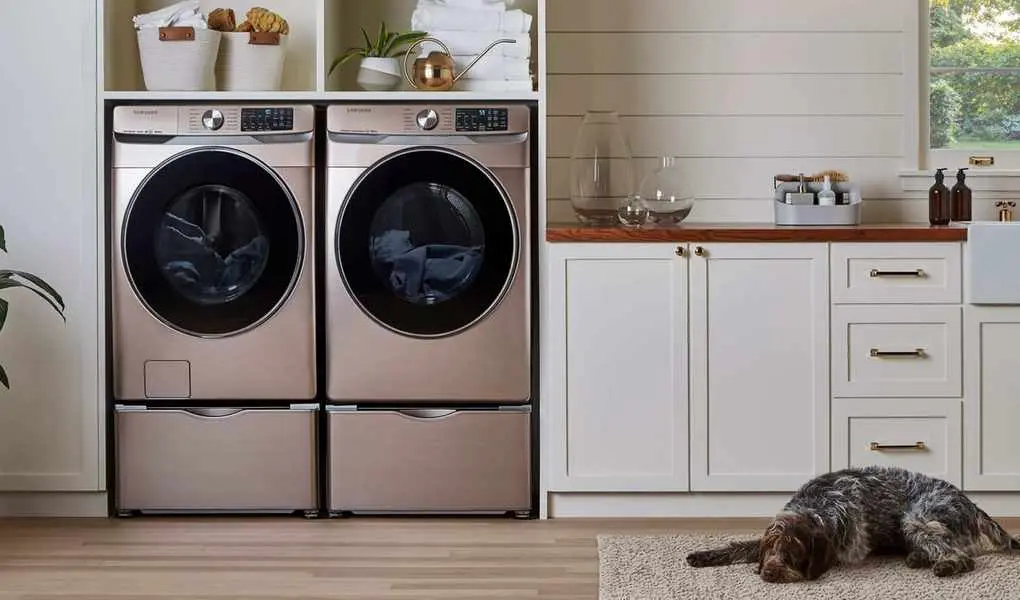
Washing machines and dryers put in a lot of effort to clean our clothes, and occasionally, they require some attention to maintain their performance and longevity.
For many households, these appliances operate daily—sometimes even multiple times a day. They tackle everything from tough stains to soiled linens, which means they can accumulate dirt, mold, and residues. It's essential to ensure that the machines responsible for cleaning our belongings are themselves kept clean!
So, how do you effectively sanitize and disinfect your washing machine and clothes dryer? Here's a comprehensive guide from the experts...
Steps to Sanitize and Disinfect Your Washer and Dryer
To thoroughly sanitize your appliances, it's important to address all components to eliminate grime and bacteria.
The main drum is typically the area most in need of disinfecting, making it a great starting point for both your washer and dryer.
<
1. Use White Vinegar and Baking Soda in Your Washer
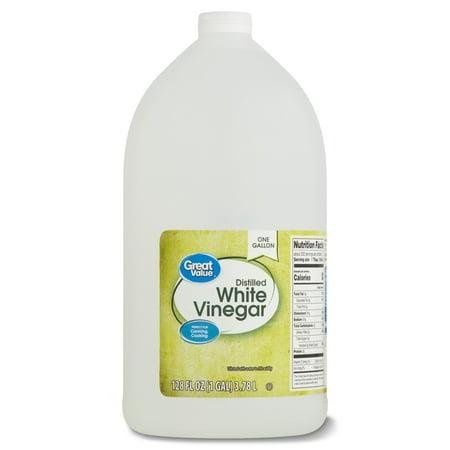
White vinegar and baking soda are effective tools for sanitizing your washer, particularly given the appliance's damp environment, making them great at combating mold and mildew. However, for optimal disinfection, these ingredients should be used in conjunction with the washer's high heat.
'Select the hottest setting and longest cycle on your washer,' advises cleaning expert Vanessa Terra Bossart, owner of Green Terra Cleaning. 'Add 4 cups of white vinegar and 1 cup of baking soda to the drum, then start the cycle with just these cleaning agents. This will help clean the drum and hoses, eliminating grime and odors.'
Appliance expert Austin Jones, CEO of Millennium Facility Services, emphasizes the effectiveness of this method. 'The heat kills bacteria, while vinegar's acidity helps dissolve built-up grime. Together, these ingredients eliminate bacteria and break down mold and mildew within the machine.'
If you're short on time, you can still clean effectively without running a full cycle. 'If you're not able to do a complete cycle, use a cloth soaked in a mix of water and white vinegar to wipe down the drum. Leave the lid open to air dry completely,' Vanessa suggests.
Your washing machine might even have a self-cleaning setting, where vinegar and baking soda can also be utilized. 'Many modern washers feature a self-clean cycle,' notes cleaning professional Adam Moore, owner of Paradise Home Cleaning.
'Follow your manufacturer's instructions to run this cycle using hot water and a washing machine cleaner or, as mentioned, a mixture of vinegar and baking soda. This approach effectively removes mold, mildew, and detergent residue,' he concludes.

Adam Moore is a cleaning expert and the owner of Paradise Home Cleaning, a residential and commercial cleaning service based in Southern Ontario.
2. Disinfect Your Dryer with Hydrogen Peroxide
While vinegar, baking soda, and a hot wash cycle are great for washers, disinfecting a dryer requires a different approach since it cannot operate with water.
For the dryer, a more manual cleaning method is necessary. Austin recommends using a different disinfectant. 'To clean the dryer, wipe down the entire interior with a disinfectant such as diluted bleach or hydrogen peroxide,' he advises. 'Make sure to focus on the seal and door rim, where mildew and germs tend to accumulate.'
Running a dryer cycle afterward can also be beneficial. 'Let the hydrogen peroxide or diluted bleach sit for a while, then run an air fluff cycle to eliminate any residual moisture before drying clothes,' Austin adds.

Austin Jones is an appliance expert and CEO of Millennium Facility Services, a leading facilities maintenance provider in the Southeast since 1990. He brings over 30 years of industry experience.
3. Sanitize the Detergent Drawer of Your Washer

Detergent drawers often get overlooked and can accumulate leftover product, so it's crucial to include them in your cleaning routine!
To disinfect the drawer, simply remove it and scrub it thoroughly with hot water. Adam suggests, 'Remove the detergent drawer (if possible) and clean it thoroughly with warm water and a mild detergent, like dish soap or your preferred all-purpose cleaner. An old toothbrush can be handy for scrubbing away residue.'
After cleaning, rinse the drawer well, dry it, and place it back for your next laundry load.
4. Clean the Doors of Both Appliances
The doors and seals around the washer and dryer can harbor significant amounts of dirt and moisture post-use, making them a critical area for sanitation.
Extended exposure to water and humidity can lead to mold and mildew growth, so it's important to address these areas for true sanitation.
'The rubber gasket around the door of your washer or dryer collects moisture and debris,' Vanessa explains. 'To sanitize it, wipe it down with a cloth soaked in a mixture of equal parts water and white vinegar, which will effectively eliminate any visible mold or grime.'
Additionally, Vanessa encourages airing out the door. 'After each wash, keep the washer or dryer door or lid open to allow air circulation, which helps prevent mold and mildew growth.'
5. Clean the Filters and Vents of Both Appliances

Lastly, the filters and vents in washing machines and dryers can become a breeding ground for lint and bacteria from our dirty laundry.
The final step in sanitizing these machines is to clear out and clean these components. Neglecting this task could lead to hazardous conditions, as clogged lint traps in dryers can pose fire risks.
For washing machines, Vanessa notes, 'Some models have lint traps or filters that require regular cleaning. Check your manual to find and clean this filter to prevent clogs and odors; you can typically remove this trap and wash it in warm, soapy water to disinfect it.'
Dryers also feature lint traps that need thorough cleaning. To maintain them, Adam advises, 'Remove the lint trap and clean it thoroughly after each use. Use a vacuum hose or lint brush to clear out lint from the trap housing.'
'Occasionally, use a vacuum attachment to clean out the lint screen housing to prevent build-up and enhance airflow,' he adds.


FAQs
Key Considerations When Sanitizing Your Washer and Dryer
Sanitizing your washer and dryer is a straightforward process, but it's vital to remember that these appliances require proper care to ensure they function well.
In addition to following the above methods, experts recommend being mindful of the cleaning products you use. Adam stresses, 'It's crucial to select appropriate cleaners. While natural options like vinegar are generally safe, if you choose a commercial product, adhere to manufacturer guidelines to prevent damaging your machines.'
Regular maintenance is essential for keeping your washer and dryer hygienic. 'Establish a routine for deep cleaning and upkeep to maintain your appliances in optimal condition,' Adam suggests.
Alongside following the golden rules of disinfection, minimizing dirt and grime build-up on your washer and dryer is equally important. For example, removing damp clothes from the dryer promptly can help prevent mold and mildew, while allowing your washer and dryer to air out regularly can eliminate lingering odors.



