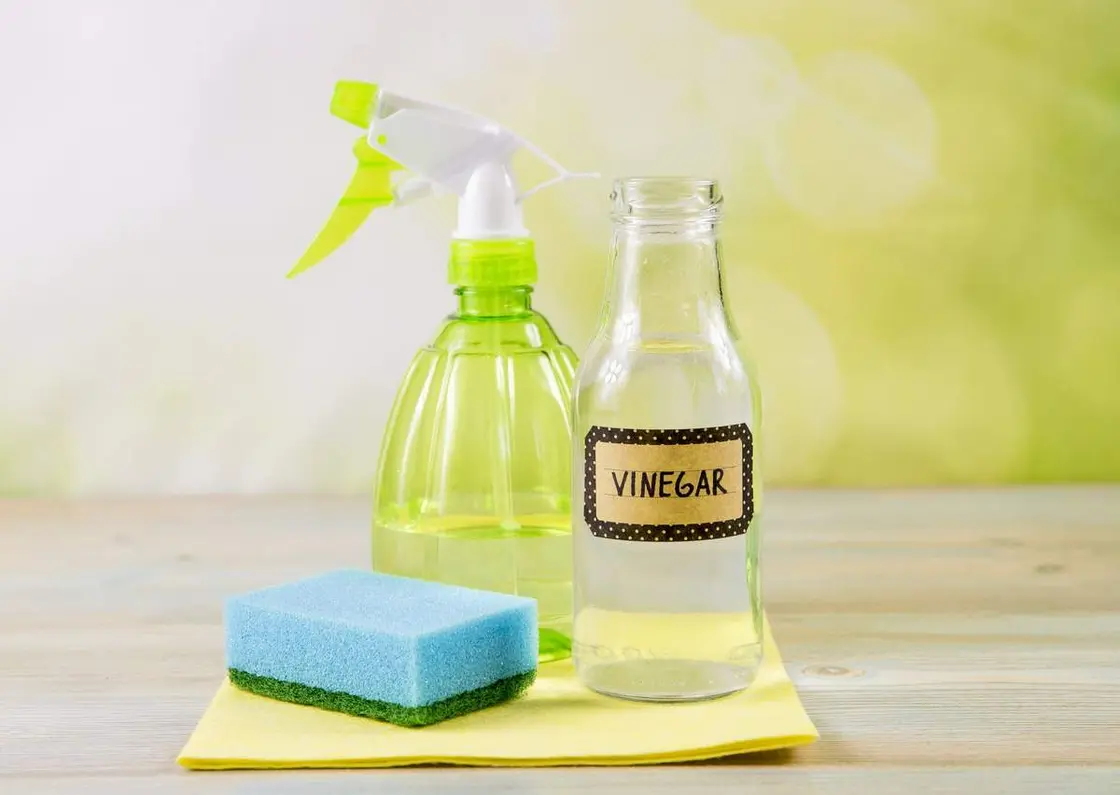
It's incredible how many household tasks vinegar can simplify. We've compiled 15 areas where this versatile ingredient shines, along with expert tips for effective use.
White vinegar acts as a natural cleaner when diluted with water and can be enhanced with essential oils or extracts for a pleasant aroma.
'Vinegar consists of acetic acid,' explains an expert in cleaning. 'This property makes it a natural disinfectant against a variety of germs, including salmonella and E. coli, perfect for kitchen and bathroom surfaces.'
Using Vinegar for Cleaning
This ingredient is a fantastic alternative to harsh commercial cleaners. However, be cautious: undiluted vinegar can harm natural stone and wood. Always dilute properly or check compatibility before applying.
Here are our top cleaning tips featuring vinegar to rejuvenate your home.

Making Your Own Cleaning Vinegar
Combine equal parts white vinegar from Walmart and water in a spray bottle. To reduce the strong smell, feel free to add essential oils, lemon zest, or rosemary if desired.
1. Windows

Windows can accumulate dirt quickly, but a simple vinegar-water mix can restore their shine. To clean windows streak-free, mix equal parts vinegar and hot water with a dash of liquid soap. An expert advises cleaning when the sun isn't directly on the glass:
'Using a sponge, moisten the window with the mixture and scrub gently, avoiding the frames. Use a squeegee starting from the top corner and pull down in a straight line. Wipe the squeegee after each stroke. Finish by drying the sill with a cloth.'
A lint-free cloth from Amazon can help achieve that clear finish.
For front doors with glass panels, clean them the same way as windows.
All-purpose silicone squeegee | $15.97 at Amazon
This stainless steel and silicone squeegee is durable and flexible, ideal for various surfaces.
2. Microwave

Don't forget about the microwave! To clean it effectively, mix equal parts vinegar and water in a large microwave-safe bowl. Microwave for five minutes to create steam that loosens food residue, then wipe down with a microfiber cloth from Amazon.
3. Floors

Floor cleaners can be pricey and leave strong scents. To clean tile floors with vinegar, first test it on a small area, especially if you have encaustic or stone tiles.
Mop your floors with the vinegar-water solution to lift dirt and grease, and the dilution prevents damage from the vinegar's acidity. For a homemade cleaner, TV host Denise Wild suggests mixing 50% vinegar, 30% water, and 20% lemon juice, adding eucalyptus and tea tree oils for fragrance and antibacterial properties.
Lemon juice cleaning is another affordable, eco-friendly option for a fresh home scent.
4. Stove

Stoves can get greasy fast, especially with frequent cooking. Vinegar is excellent for cleaning flat-top and gas stoves; its acidity cuts through grease efficiently. Spray the vinegar solution on the cooktop, let it sit for about 10 minutes, then scrub with soapy water using a non-abrasive pad.
5. Kitchen Sink

Use your diluted vinegar solution to clean the kitchen sink effectively. Spray it on all surfaces and rinse with soapy water afterward.
6. Kettles and Coffee Makers
To remove limescale from your kettle or coffee maker, fill it with the vinegar solution and boil or run it through the coffee maker. Follow up with water-only cycles to eliminate any lingering taste or odor. For humidifiers, a vinegar solution can also clear buildup in the tank.
Always check the manufacturer's instructions before using vinegar on coffee makers, as some may advise against it.
7. Pots and Pans

Vinegar can help remove burnt marks on pots and pans. Pour a vinegar-water solution into the pan, covering the stains. Bring to a boil for about 5 minutes, then let it cool before scrubbing with an appropriate sponge.
For rusty cast iron, soaking in vinegar solution can help remove rust.
8. Food Processors and Blenders

Cleaning a blender is easy! Just blend your vinegar-water solution in the food processor or blender, then wash as usual.
Again, check the manufacturer's guidelines before using vinegar for cleaning.
9. Plastic Chopping Boards
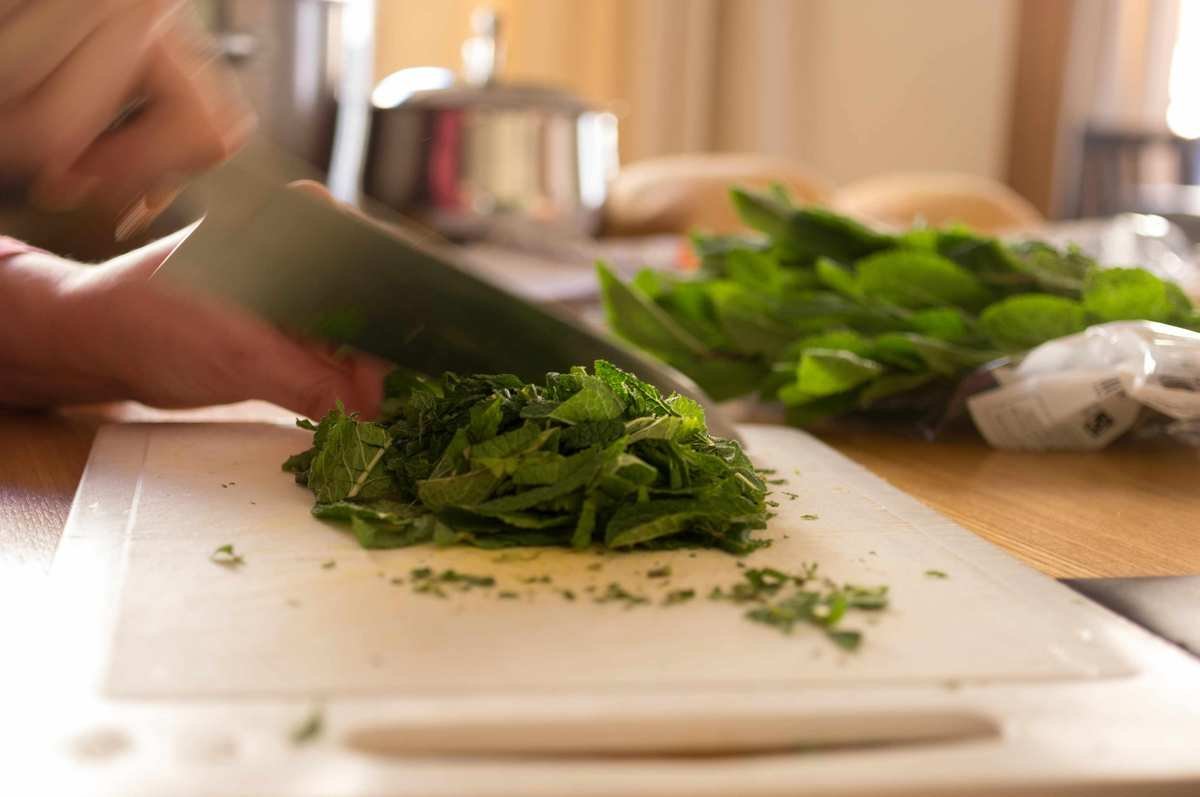
To prevent cross-contamination, disinfect plastic chopping boards with your vinegar solution after meal prep, then wash with soapy hot water.
10. Wine Glasses

Cloudy glassware can be frustrating. To remedy this, soak glasses in undiluted white vinegar for a few minutes, then wash as normal.
11. Dishwasher

To clean your dishwasher, pour a cup of vinegar into the base and run an empty cycle to eliminate mineral deposits. However, be aware that vinegar can damage some rubber parts; consult your manual first.
12. Refrigerator and Freezer

Sort through any nearing expiration food and clean the refrigerator and freezer with your vinegar-water solution.
13. Showerheads

To clean showerheads, fill a plastic bag with white vinegar and secure it around the showerhead using an elastic band. Leave it overnight for a refreshed shower.
14. Bathtub

For cleaning a bathtub, mix vinegar with warm water and scrub the surfaces. For stubborn stains, combine vinegar and baking soda, let it sit, then scrub vigorously.
15. Toilet

To clean the toilet, pour a cup of undiluted vinegar into the bowl and let it sit overnight. The next day, sprinkle with baking soda, scrub, and flush.
Should You Rinse After Cleaning with Vinegar?
'For surfaces like countertops, glass, and floors, rinsing with clean water after using a vinegar solution is advisable to eliminate any leftover vinegar and achieve a streak-free finish,' shares a cleaning expert. 'However, when removing odors from fabrics or carpets, rinsing isn't necessary, but letting the area air dry is essential.'
What Should Never Be Cleaned with Vinegar?
Avoid using vinegar on natural stone, especially granite and marble, as it can cause damage. Be cautious with wood surfaces, including countertops and hardwood floors, as undiluted vinegar can also harm these materials.
If you use commercial cleaners, chances are you're already cleaning with vinegar, as it's a common ingredient in many products. Its effectiveness comes from its acidic nature, breaking down dirt and grime effortlessly. Always perform a patch test, especially with undiluted vinegar.
Next, discover the various ways to clean with Castile soap.