
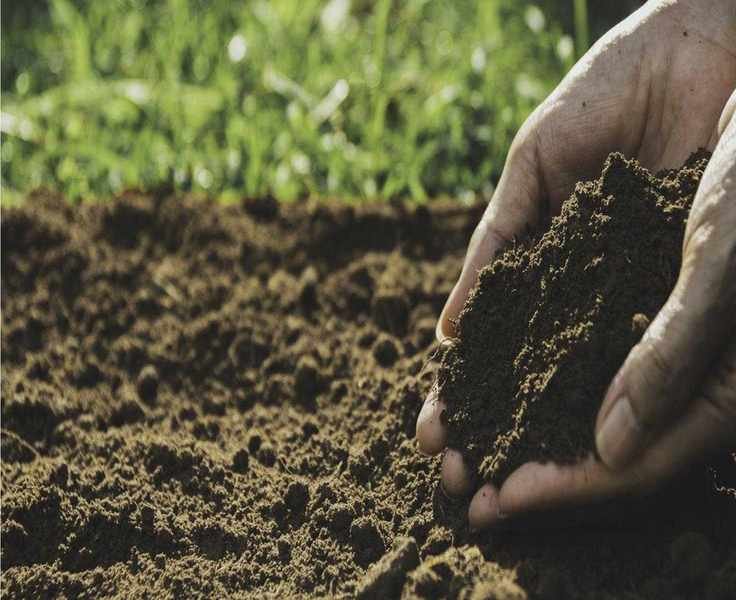
There are many reasons you might want to acidify your garden soil. Whether your flowers are struggling or you wish to grow new acid-loving plants, adjusting soil pH is quite straightforward.
Healthy plants rely on nutrients from the soil, making it essential to understand various soil types. Knowing if your soil is acidic, neutral, or alkaline helps determine the best plants for your garden. If your plants are wilting or their leaves are yellowing, they may need soil amendments to lower pH and enhance acidity.
Understanding soil health isn't as complicated as it seems. Fortunately, there are several effective methods to acidify soil, and we've gathered expert tips for you to begin.
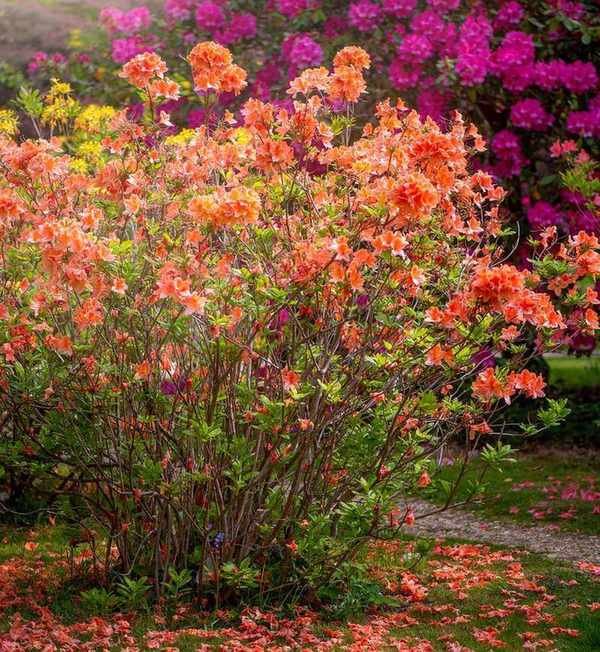
Azaleas and rhododendrons thrive in acidic soil
How to Determine If Your Soil Needs More Acidity
Testing soil pH is simpler than you might think. You can use a basic soil test kit available online. Soil pH ranges from 3.5 (very acidic) to 8.5 (alkaline), with 7.0 being neutral. Anything below 7.0 is classified as acidic.
If your test reveals a neutral or slightly acidic pH, that's encouraging. Amending a neutral soil to be more acidic is generally easier than altering highly alkaline soil.
Consider growing acid-loving plants in containers or raised beds for a simpler approach. Adjusting a small area is much less daunting than changing the pH of a larger garden space. Alternatively, you could designate a section of your garden specifically for these plants.
Soil Testing Kits Worth Considering
Luster Leaf Professional Soil Kit
This user-friendly kit allows for up to 40 tests and provides pH preference guidance for various plants.
3-In-1 Soil Meter
This meter measures soil moisture, pH, and sunlight, helping you care for your plants more effectively.
Garden Tutor Soil pH Test Kit
These kits are specifically designed for soil pH testing, offering accurate results in just 60 seconds.
Quick Overview: Acidify Your Soil
There are two primary methods to increase soil acidity: amendments and organic methods.
Amendments include:
- Sulfur
- Aluminum sulfate
- Iron sulfate
- Sphagnum peat moss
- Fertilizers high in ammonium
- Vinegar or lemon juice in watering
Organic methods encompass:
- Mulching
- Adding pine needles or oak leaves
- Creating compost tea
- Including acidic materials in compost
- Incorporating coffee grounds
Now, let's explore these expert techniques to adjust soil pH and choose the best one for your needs.
1. Apply Organic Mulch
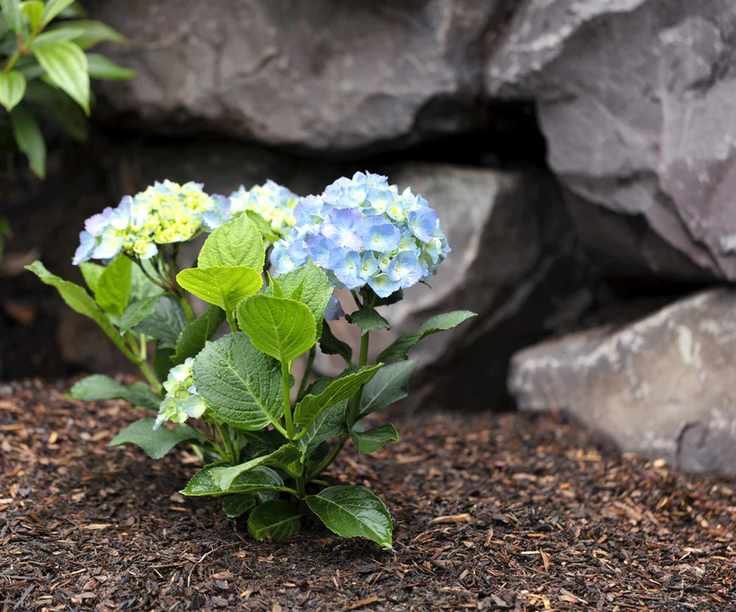
Acidify soil to change your pink hydrangea to blue
While most mulches reduce soil acidity, specific organic options can increase it. Remember, this method is part of long-term care, so results won't be immediate.
Utilize organic mulches like pine needles or oak leaves around acid-loving plants, ensuring the soil maintains appropriate acidity over time. As these materials decompose, they will gradually acidify the soil. You can find organic pine straw mulch at Walmart. The pine bark mulch from Amazon is also highly effective.
Conifer foliage can also contribute to soil acidity as it breaks down. If you have hedge plants shedding leaves, they may help reduce soil pH over time.
Besides enhancing acidity, organic mulch helps regulate temperature and retain moisture.
2. Incorporate Sulfur
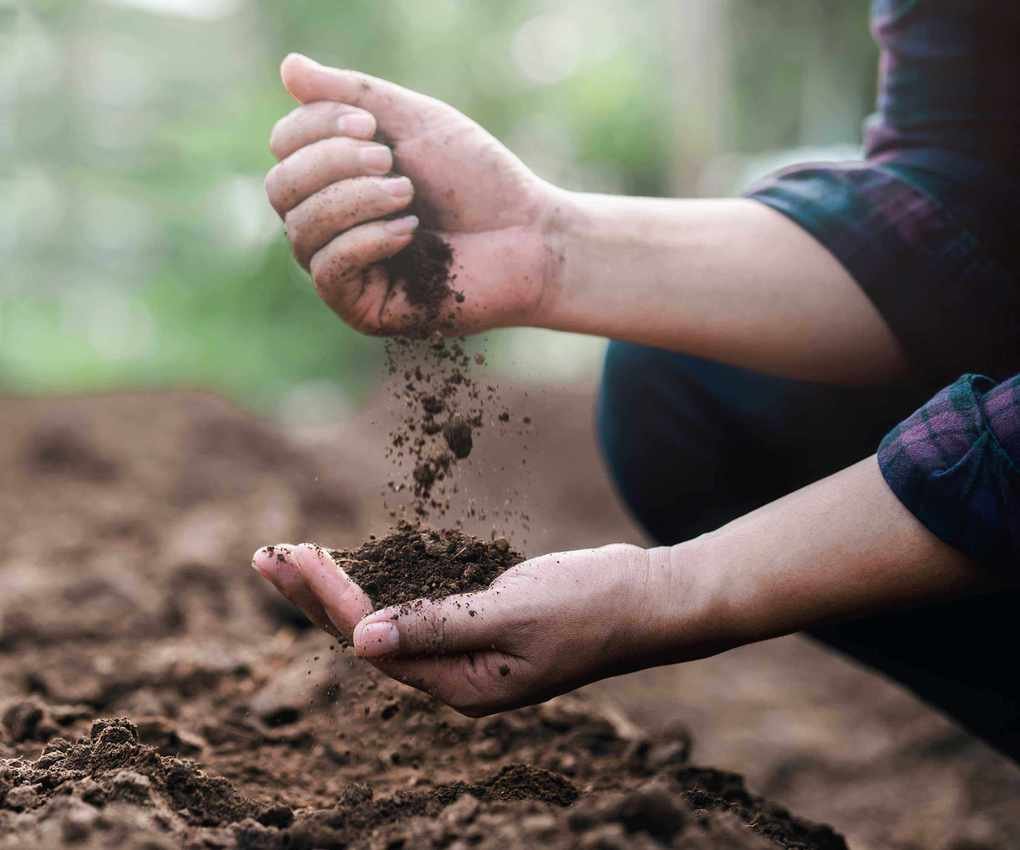
This method is a popular choice for quickly acidifying soil. Sulfur lasts for years, as microorganisms convert it into sulfuric acid, effectively lowering pH.
'Elemental sulfur is a yellow powder that can be directly applied to soil,' advises a gardening expert. 'It's crucial to follow recommended application rates, as excessive amounts can harm plants. Another option is to integrate organic matter rich in sulfur, like peat moss or pine straw.'
While sulfur available on Amazon won't provide instant results, it's best added before planting, ideally in summer or fall for spring gardens. Digging it deep into the soil enhances effectiveness, but avoid mixing it around existing plants.
3. Use Iron Sulfate
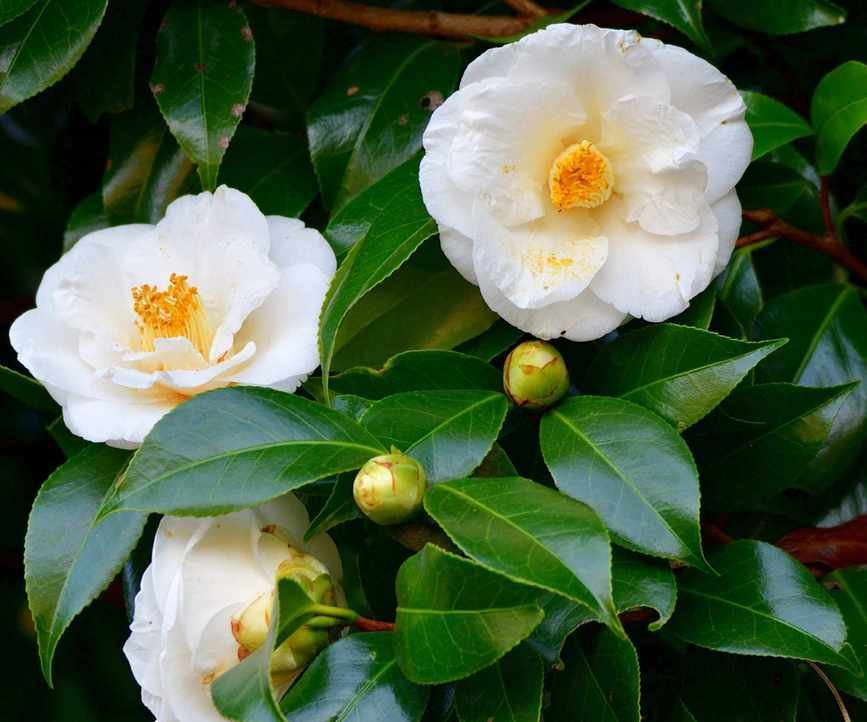
Camellias respond well to iron sulfate
Iron sulfate, or ferrous sulfate from Amazon, effectively lowers pH in alkaline soils, allowing plants to access essential nutrients. It can also remedy yellowing leaves caused by iron deficiencies.
If your camellias, rhododendrons, or azaleas appear unhealthy, iron sulfate can rejuvenate them. While readily available at garden centers, note that you'll need significantly more iron sulfate than sulfur, which can increase costs.
4. Utilize Sphagnum Peat Moss

Sphagnum peat moss shouldn't be your only method for acidifying soil, but it does have acidic properties that can slightly lower pH.
This makes peat moss an excellent choice for container gardening aimed at acid-loving plants. Achieving acidic conditions in pots is simpler due to their confined nature, and incorporating peat moss can be effective.
If you're using Miracle-Gro sphagnum peat moss from Walmart for potting or ground use, opt for larger quantities. Pairing it with organic mulch enhances the acidic effect.
5. Choose Ammonium-Rich Fertilizers

Using the right fertilizers can also boost soil acidity. One common fertilizing error is not selecting products with the appropriate NPK ratios for your plants.
Fertilizers high in ammonium, like this ammonium sulfate fertilizer from Amazon, quickly acidifies soil and is one of the most effective methods.
Microorganisms in the soil convert ammonium to nitrate, creating acidity. Apply fertilizers only when plants are actively growing to prevent oversaturation, which can lead to root issues.
6. Use Acidic Compost Ingredients
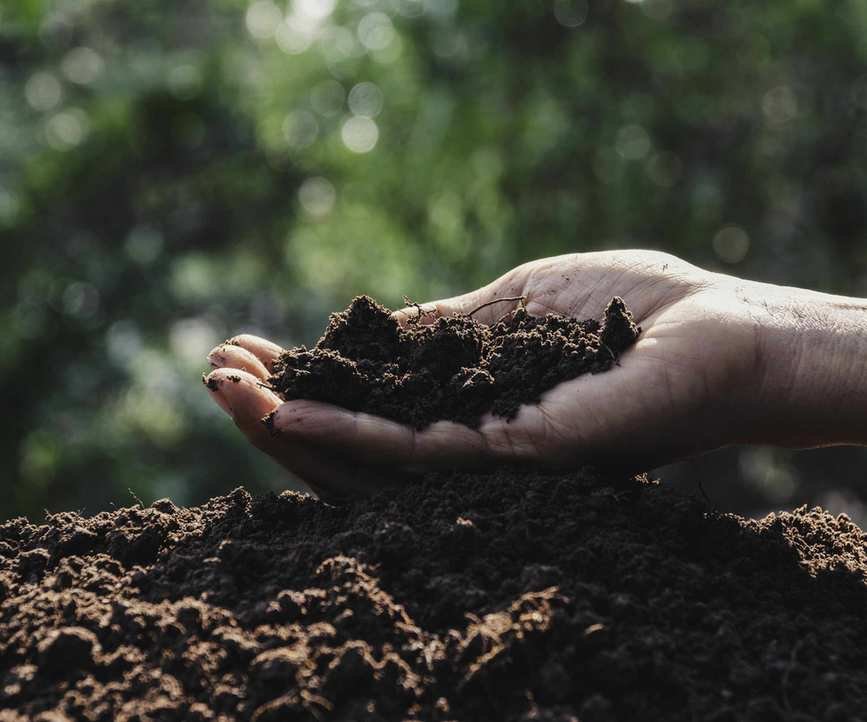
Well-decomposed compost can gradually lower soil pH. Ensure you include acidic organic materials like oak leaves, pine needles, and coffee grounds in your compost.
To speed up the composting process, consider hot composting, which uses heat and moisture to break down materials rapidly.
If you're new to composting, use this organic compost starter from Amazon to kick off your composting journey.
7. Create Compost Tea
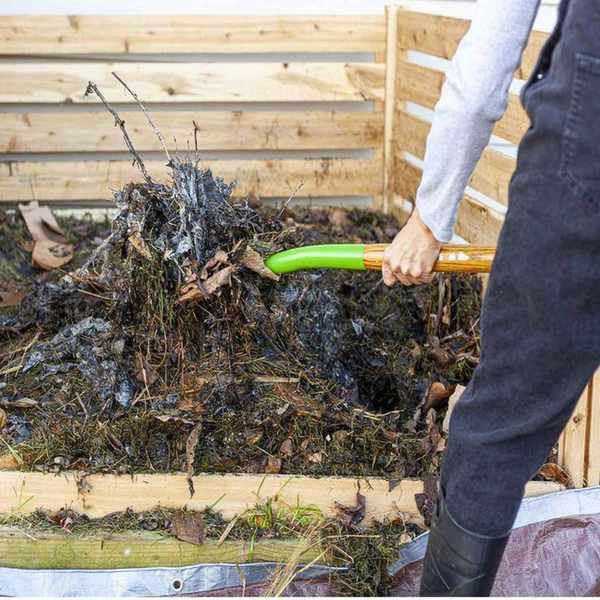
Taking your composting a step further, compost tea offers two ways to acidify soil.
Simply add well-aged, acidic compost to a container of water, stir, and strain the mixture. Use this compost sifter from Amazon to separate the liquid from the solids.
Use the solid for mulching and the strained liquid to water your plants.
8. Add Aluminum Sulfate
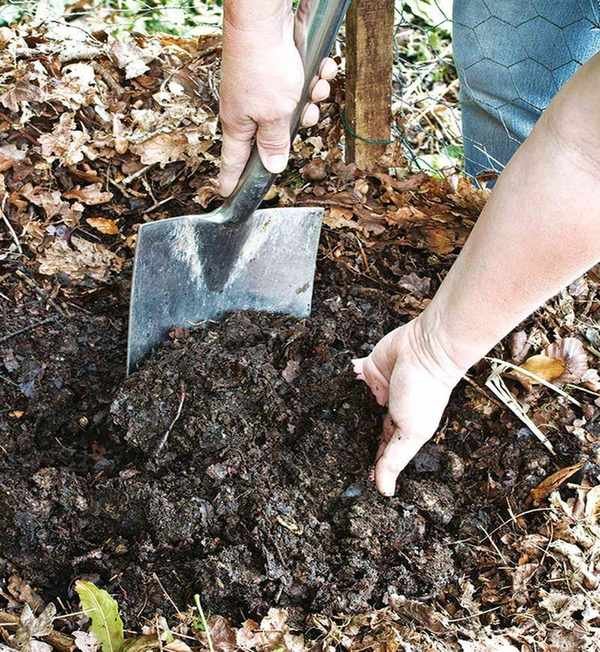
Ensure mulch is made from suitable materials
If soil tests reveal an alkaline condition, aluminum sulfate can help lower pH. This is also key for changing hydrangea flower colors. It's available at garden centers or you can find aluminum sulfate on Amazon.
Mix ¼ oz with a gallon of water and soak the soil around your hydrangeas in spring when growth begins. Maintain acidity by reapplying every four weeks during the growing season.
9. Use Vinegar or Lemon Juice
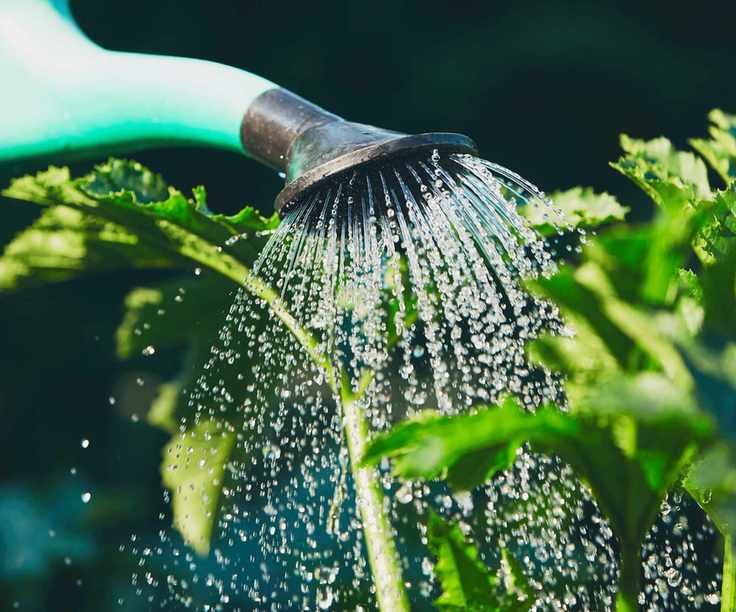
Diluted vinegar or lemon juice can enhance soil acidity
If you prefer natural solutions, this simple method gently acidifies soil for plants. Water acid-loving plants in pots or raised beds with a diluted acidifying liquid. This is especially beneficial for rhododendrons and azaleas.
Vinegar, a liquid form of acetic acid, lowers pH when added to soil. With a pH of 2.4, grocery store vinegar is highly acidic. You can purchase white vinegar from Amazon. Use it sparingly by mixing 1 cup of vinegar with a gallon of water for watering.
Adding diluted lemon juice monthly can also increase acidity. Mix two tablespoons in a gallon of water and apply directly to the soil, avoiding plant leaves to prevent burns.
For watering, rainwater is preferable over tap water, which can be alkaline and raise soil pH over time. 'Collect rainwater using barrels to water your plants,' suggests a gardening expert.
While tap water can be used for acid-loving plants, limit its use to avoid yellowing leaves. Diluting tap water with lemon or vinegar can help lower its pH.
10. Incorporate Coffee Grounds
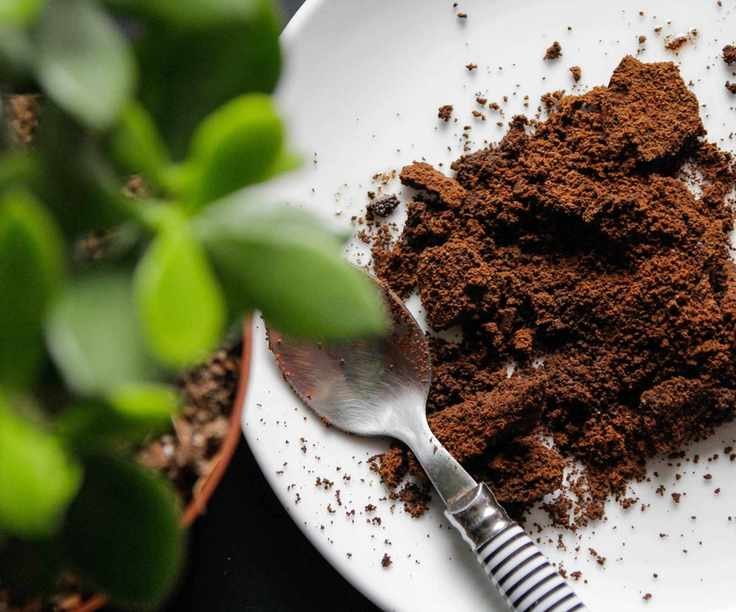
Mix coffee grounds into the soil for best results
Adding coffee grounds is a great option for acid-loving plants. With high acidity and nutrient content, they effectively lower soil pH.
With a pH of around 6.5, coffee grounds serve as an excellent amendment for slightly acidic soil plants. 'To acidify potting soil, compost or mix them into the soil and let it sit for a week or two,' advises a horticulturist. Applying them directly on soil or near plant bases may attract pests and mold.
11. Spread Pine Needles or Oak Leaves
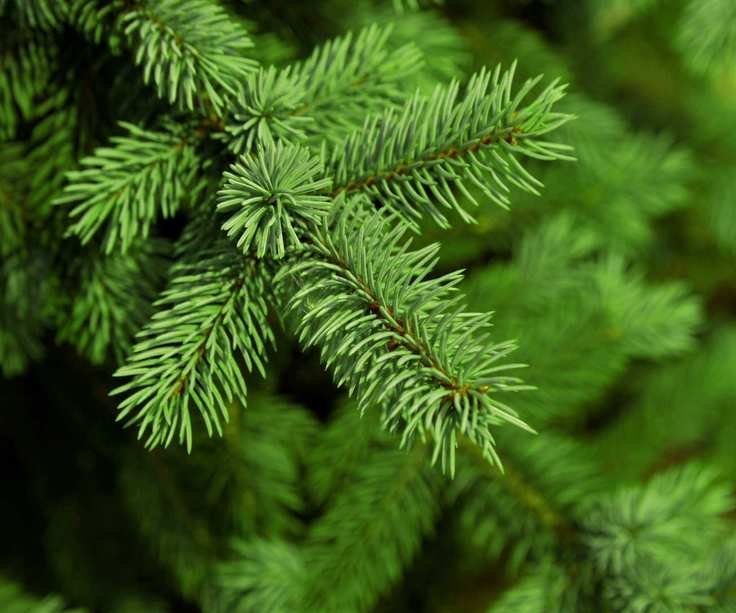
Adding high-acid plant materials, like pine needles or oak leaves, is another effective organic method for increasing soil acidity.
As you prune your pine trees or collect fallen needles, spread them across the soil. Do the same with oak leaves.
As these materials decompose, they enrich the soil. However, relying solely on this method may not yield significant results as microbes will gradually neutralize their acidity over time.
FAQs
Which Plants Prefer Acidic Soil?
Popular flowering plants such as rhododendrons, azaleas, camellias, magnolias, and hydrangeas thrive in acidic conditions. If you love these varieties, learning how to acidify soil is beneficial. Look for signs like yellowing leaves if your plants are struggling.
If you've had little success growing these plants in the ground, consider using outdoor planters filled with ericaceous compost from Amazon.
Heathers and shrubs like gaultheria, pyracantha, and pieris also appreciate acidic soil. Acid-loving summer flowers include alliums and lilies.
Which Vegetables Thrive in Acidic Soil?
While most vegetables prefer neutral soil (pH 6.5 to 7), some grow better in mildly acidic conditions.
Vegetables like carrots, cauliflower, celery, cucumbers, garlic, sweet peppers, pumpkins, winter squash, and tomatoes do well in slightly acidic soil.
Acid-loving vegetables like potatoes require a pH of 5.5 to 6.5, slightly below the neutral range. Acidifying your soil will also benefit fruit bushes like blackcurrants, blueberries, and cranberries, yielding delicious crops.
Soil health is key to gardening success, and understanding essential plant nutrients will enhance your garden's productivity. For more tips, check out our guide on boosting soil nutrients.



