

I'm currently fascinated by the topic of soil health. This subject is more relevant than ever, especially after watching the impactful film Kiss the Ground on Netflix, which discusses soil regeneration's role in combating climate change.
Every December, World Soil Day highlights the significance of healthy soil and its vital connection to water. With over 95% of our food stemming from these resources, it's clear why improving soil health is essential.
While large-scale soil regeneration can combat global warming, applying these concepts to your garden can yield benefits too, particularly if you're aiming to create wildflower patches, prairie gardens, or similar low-maintenance designs.
Effective soil and water management at a local level also enhances resilience against extreme weather events like droughts and floods.
This guide offers you practical methods to enrich your soil's nutrients, helping make healthy soil a core aspect of your backyard projects. You can contribute to a global movement while cultivating healthier plants.
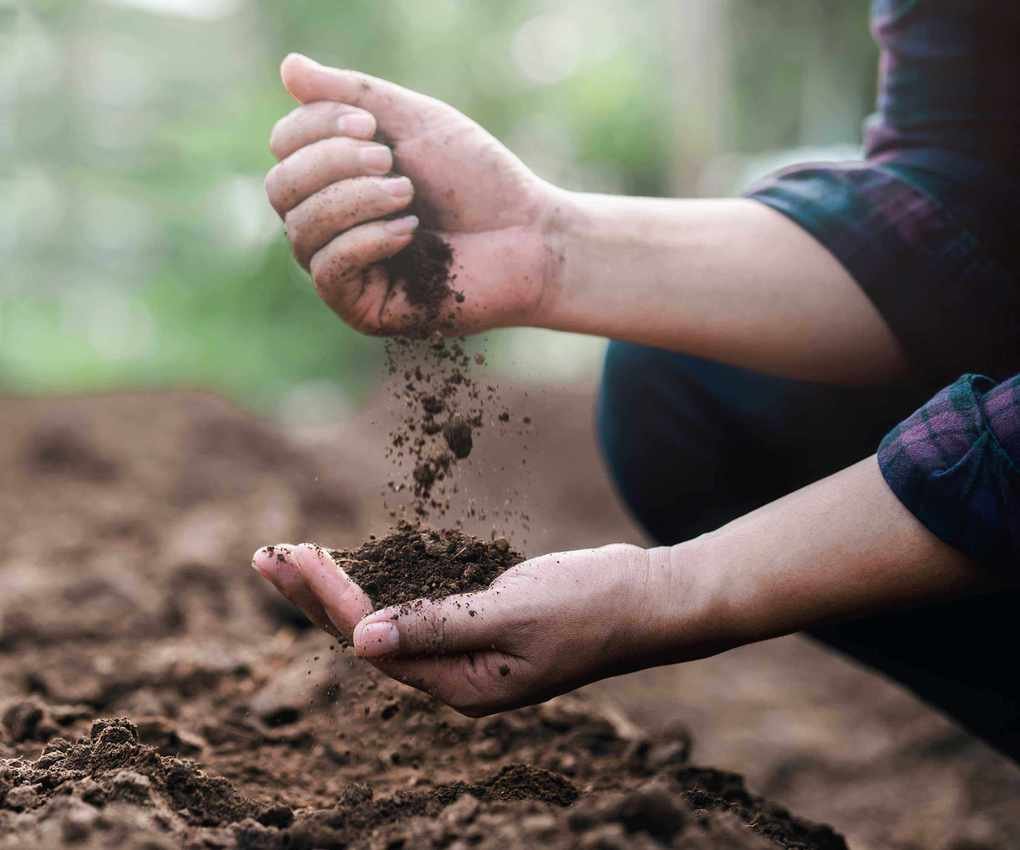
8 Strategies to Enhance Your Soil's Nutrients
Nurturing healthy soil is crucial, even in small spaces. Whether your backyard is compact or expansive, the principle remains: what plants extract from the soil must be replenished.
'The foundation of every garden is the soil,' states landscape designer Jinny Blom, author of What Makes A Garden, available here from Amazon. 'Understanding whether your soil is healthy involves feeling and smelling it. Digging around can reveal much about its structure.'
Understanding your soil's composition is fundamental to a successful garden. Make it a priority to learn about soil types to improve your existing soil.
1. Understand Soil Functions

Your garden soil plays a vital role in plant development. It not only supports plants physically but also retains water, air, and nutrients essential for growth.
Soil hosts numerous organisms that enrich it with organic matter. These include small decomposers like mice and moles and beneficial earthworms that aerate and drain the soil.
Fungi thrive on decomposing matter, often near plant roots, facilitating nutrient transfer. Bacteria, the primary micro-organisms, break down minerals and organic materials. However, excessive moisture without oxygen can promote harmful bacteria.
These components work together beneath the surface to enhance your planting and contribute to soil health. Balance is key; thus, boosting soil nutrients is vital to replenish what plants consume.
2. Recognize Soil Profile
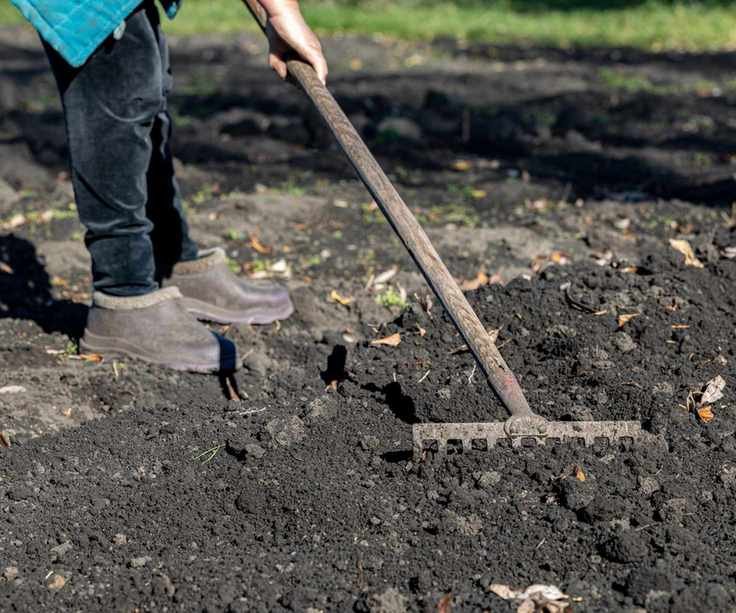
'Soils are a dynamic part of our ecosystem comprising interlinked processes that create unique soil profiles,' say researchers J H Gauld and L A Dawson from The James Hutton Institute.
The soil profile is crucial for nutrient management as it reveals soil fertility. It consists of several layers known as horizons, extending vertically from the surface to the underlying bedrock.
Healthy topsoil (A horizon) is vital as it provides nutrients and houses most plant roots. The B horizon is typically where soil pH is tested.
As soil weathers or organic matter decomposes, its profile changes, particularly under waterlogged conditions. If you're keen on understanding soil science, consider using an auger or probe like this stainless steel soil sampler probe from Amazon.
3. Appreciate Organic Matter Benefits
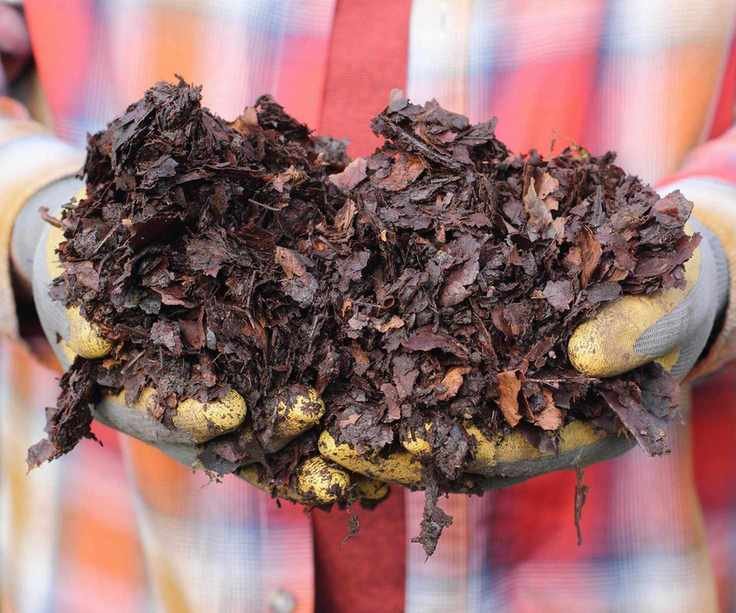
Building good soil with naturally decomposed organic matter differs significantly from adding commercial nutrients or fertilizers.
Organic matter enriches soil with essential nutrients like nitrogen, potassium, and sulfur while preventing nutrient loss. It consists of decomposed animal and plant material, ultimately creating humus that enhances soil quality.
'Organic matter nourishes the soil, while fertilizers nourish plants,' explains RHS horticultural expert Stephen Millam. 'While fertilizers can effectively address short-term nutrient needs, a sustainable approach is to enhance organic matter in the soil, improving its structure and capacity to retain nutrients and water.'
Good sources of organic matter include homemade compost, manure, leaf mold, and aged mushroom compost. Processed organic matter is available but usually at a higher cost.
4. Understand Mineral Levels
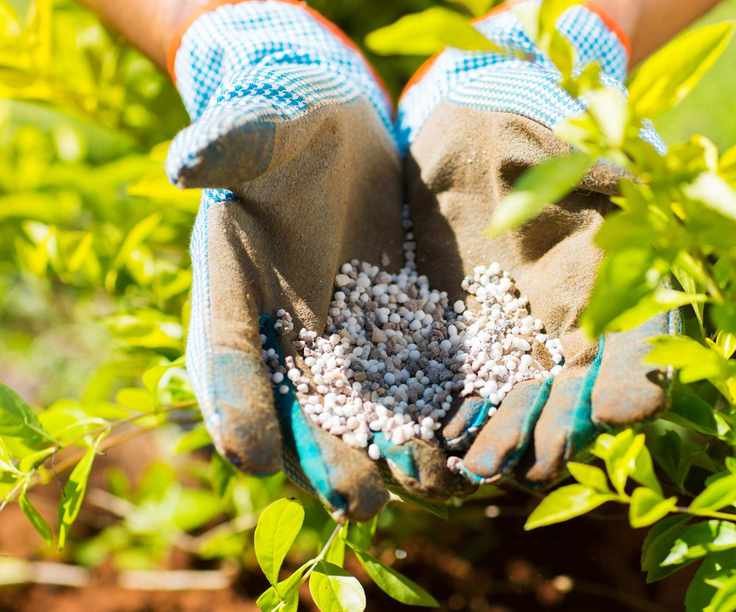
Synthetic fertilizers can remedy some situations, but it's essential to avoid overuse.
Minerals, whether naturally occurring or from fertilizers, are vital for soil nutrient development. Plants require adequate mineral nutrition from the soil to thrive.
'Compost and organic matter provide a balanced nutrient mix, fostering a sustainable nutrient supply,' states sustainability expert Cristina Sollis. 'They enhance soil texture, water retention, and nutrient capacity.'
Conversely, adding liquid nutrients or fertilizers quickly addresses specific deficiencies, though this may not improve long-term soil structure or microbial diversity. Excessive use can lead to nutrient imbalances and soil pollution.
Signs of nutrient deficiencies in plants include yellowing leaves and poor flower or fruit production.

Cristina Sollis, a sustainability consultant at Green Hive, assesses sustainability certifications and helps consumers make informed choices.
5. Identify Common Nutrient Deficiencies
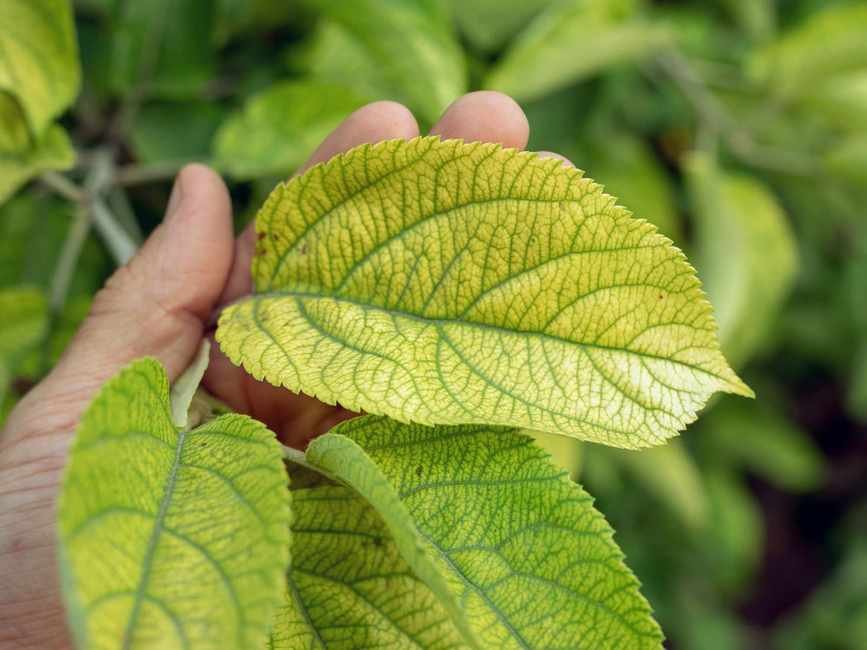
Yellow leaves on this apple tree indicate a mineral deficiency.
The primary soil nutrients include nitrogen (N), phosphorus (P), and potassium (K), collectively known as NPK. Deficiencies in any of these nutrients will quickly manifest in your plants.
'Nitrogen deficiency often leads to stunted growth and yellowing of older leaves, while phosphorus deficiency may cause older leaves to darken or turn reddish-purple. Potassium deficiency typically results in yellowing leaf margins that may appear scorched,' notes Cristina Sollis. Small flowers and fruits can also indicate a lack of nutrients.
Beyond NPK, other essential minerals include magnesium, which causes yellowing and early leaf drop when deficient, and calcium, which may lead to curled leaf edges. Insufficient sulfur can also cause yellowing in younger foliage.
'Macro-nutrients like nitrogen, phosphorus, and potassium are required in larger amounts for essential processes, while micro-nutrients such as iron, manganese, zinc, and copper are crucial in smaller quantities for processes like chlorophyll synthesis and enzyme activation.'
It can be challenging to identify which mineral is lacking, so consider conducting a lab analysis or consulting with local garden center experts.
6. Embrace Mycorrhizal Fungi
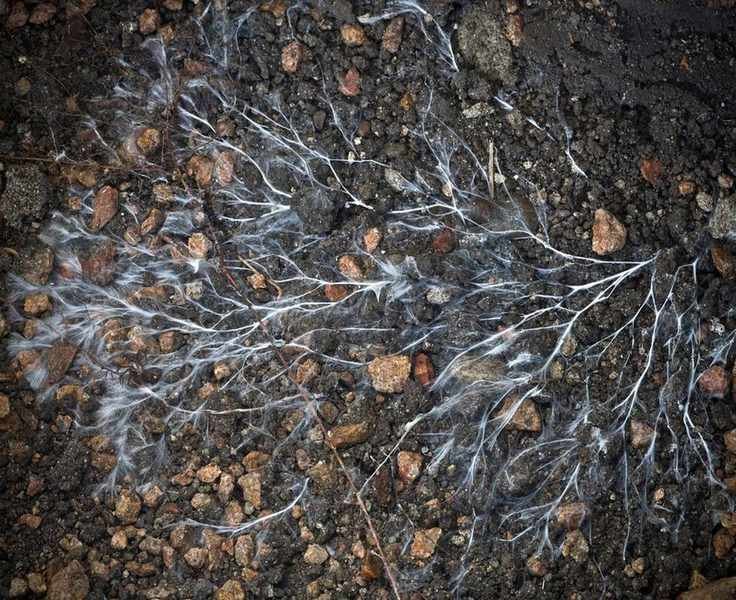
Mycorrhizal fungi colonize a plant's root tissues.
Your yard's soil is rich in life, including beneficial fungi that enhance plant root systems and improve soil microbiomes for optimal growth conditions.
These fungi facilitate nutrient and water transfer to plants, forming a network known as mycelium.
Boosting natural mycorrhizal fungi levels is easy; simply mulch with organic matter or leaf mold. You can also buy mycorrhizal fungi to add to planting holes.
Jinny Blom shares, 'I used mycorrhizal fungi when establishing a native shelterbelt. Initially skeptical, I was surprised by the enhanced root development in my new plants. I now support its use.'
Mycorrhizal fungi help plants establish quickly, enhancing resilience against drought and disease, as well as improving crop and flower yields.
7. Utilize Cover Crops in Winter
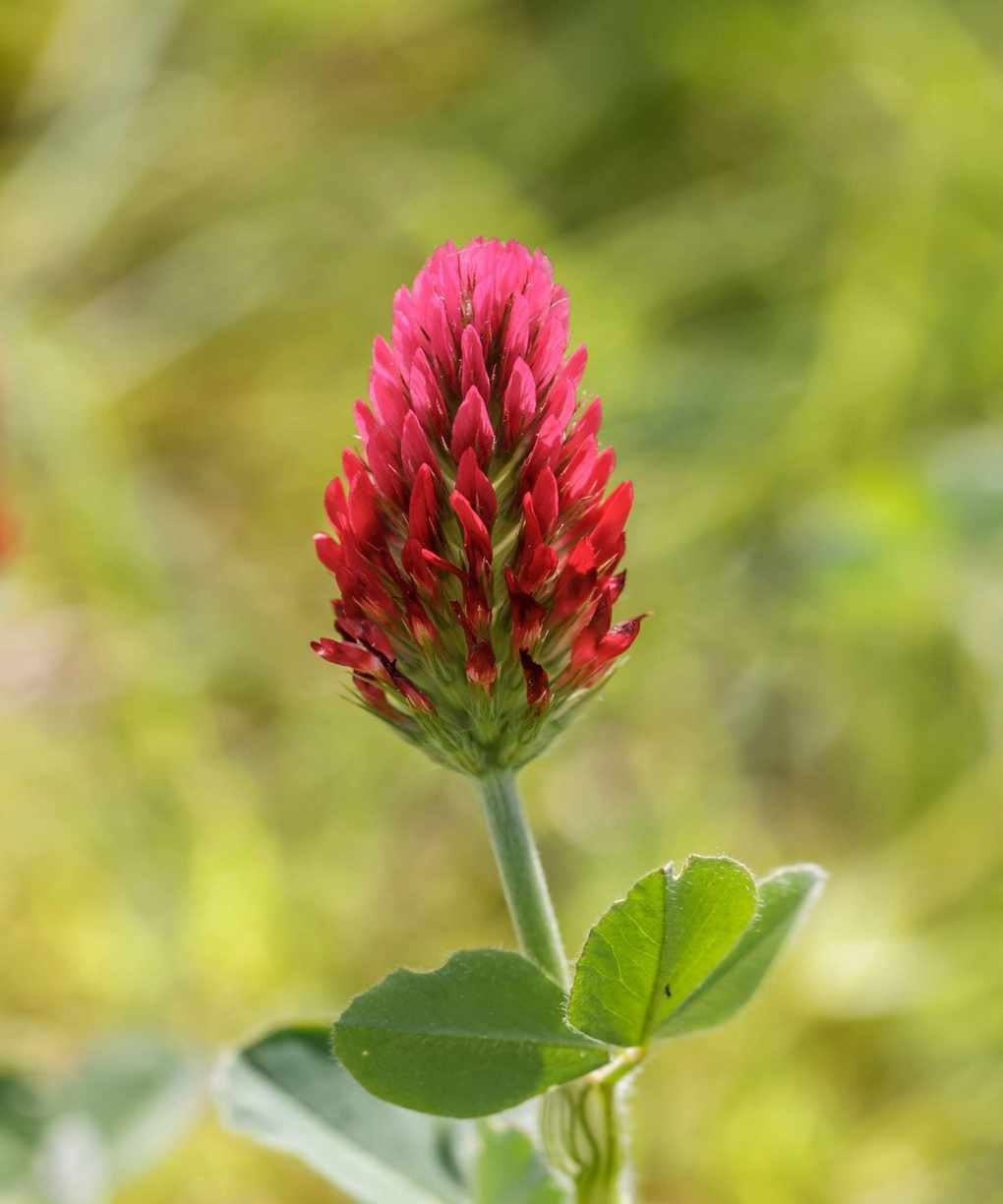
Scarlet clover is rich in nitrogen and serves as a lovely green manure.
During winter, if your vegetable or flower beds are idle, consider growing green manures or cover crops instead of leaving the soil bare. These plants should be sown in late summer and turned into the soil in spring before they become woody.
Cover crops protect soil structure during winter, prevent erosion, and provide organic matter and nutrients, especially if you choose nitrogen-fixing plants like clover. They also help suppress weeds.
As Cristina Sollis states, 'Incorporating green manures into the soil significantly boosts organic matter, improving soil structure and promoting microbial activity for healthier soil.'
8. Adopt the No-Dig Method
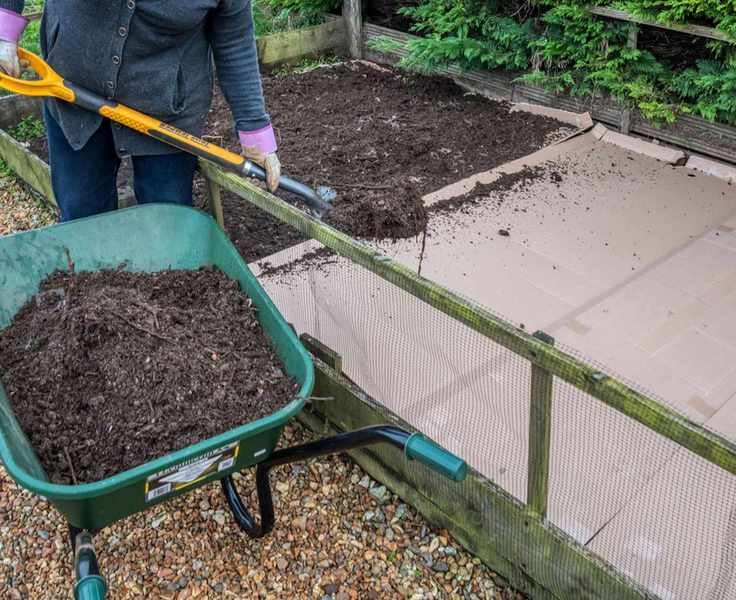
The no-dig gardening approach is gaining popularity as a means to enhance your soil's ecosystem. This technique encourages leaving the soil undisturbed while adding surface mulch to promote soil life and plant health. It's an effortless way to garden organically.
Charles Dowding, a pioneer of the no-dig movement, explains, 'No dig means not disturbing the soil, and you nourish it with organic matter on the surface, maintaining aeration and drainage. Using mulches like cardboard to suppress weeds saves time.'
No dig relies on the premise that soil is full of microorganisms, minerals, organic matter, air, and water in a complex structure that should be minimally disturbed.
Digging can damage this delicate network and disrupt essential organisms, making it harder for roots to access water and nutrients. Thus, no-dig is a fantastic option for enhancing soil nutrients.
FAQs
How can I create a natural fertilizer?
Natural fertilizers are excellent for enhancing soil health while benefiting the environment. Making plant fertilizer is straightforward.
Growing comfrey fertilizer in your garden provides the necessary ingredients for nutrient-rich 'comfrey tea.' This fertilizer is particularly effective for plants like tomatoes, roses, and apples, while also promoting soil health.
After straining the liquid, add the leaves to your compost heap to speed up the composting process and enhance the mix. Alternatively, use them as mulch around plants, where they will continue to decompose and enrich the soil.
Consider dandelions or nettles for additional ideas on boosting soil nutrients.
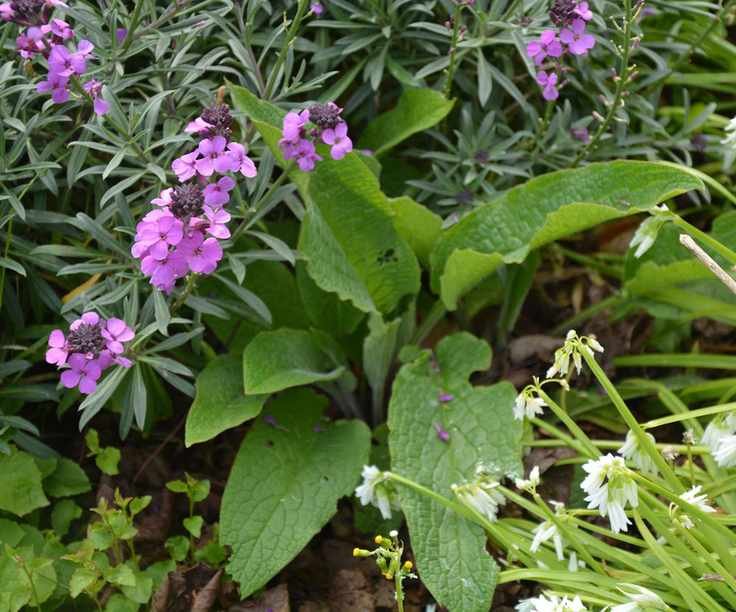
Comfrey is not only attractive but also makes an excellent plant fertilizer.
If you develop an interest in soil science, explore how to acidify soil if it's too alkaline for acid-loving plants like azaleas and hydrangeas.
You can also discover methods to add phosphorus for healthy root and shoot growth, as well as how to incorporate calcium for improved drainage and aeration.



