
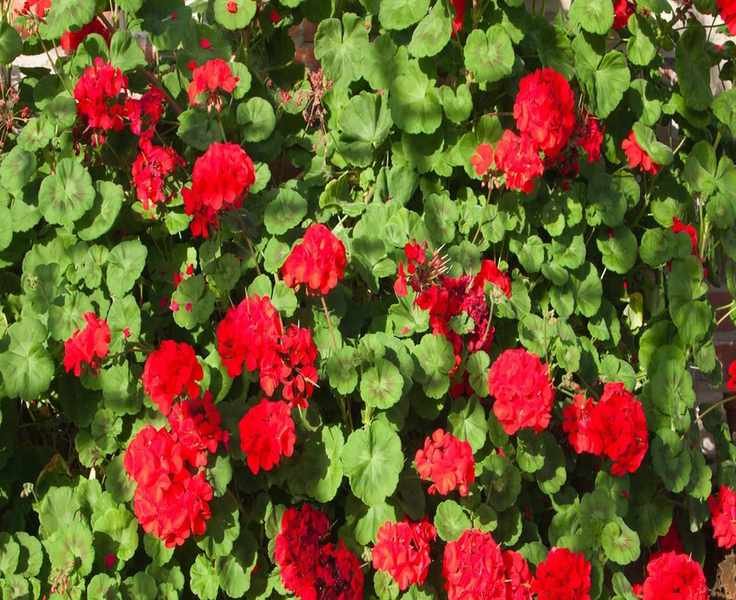
Understanding how to properly overwinter geraniums is vital for gardeners looking to save money and maintain their favorite varieties over the colder months.
Geraniums, also known as pelargoniums, are staples in summer gardens. With a wide range of vibrant colors and continuous blooms when deadheaded, they add lasting beauty to containers, hanging baskets, and borders.
Though often treated as annuals, pelargoniums are actually tender perennials. With appropriate care, you can keep them thriving throughout winter, preparing them for a stunning return in spring. Here's everything you need to know for successfully overwintering your geraniums.
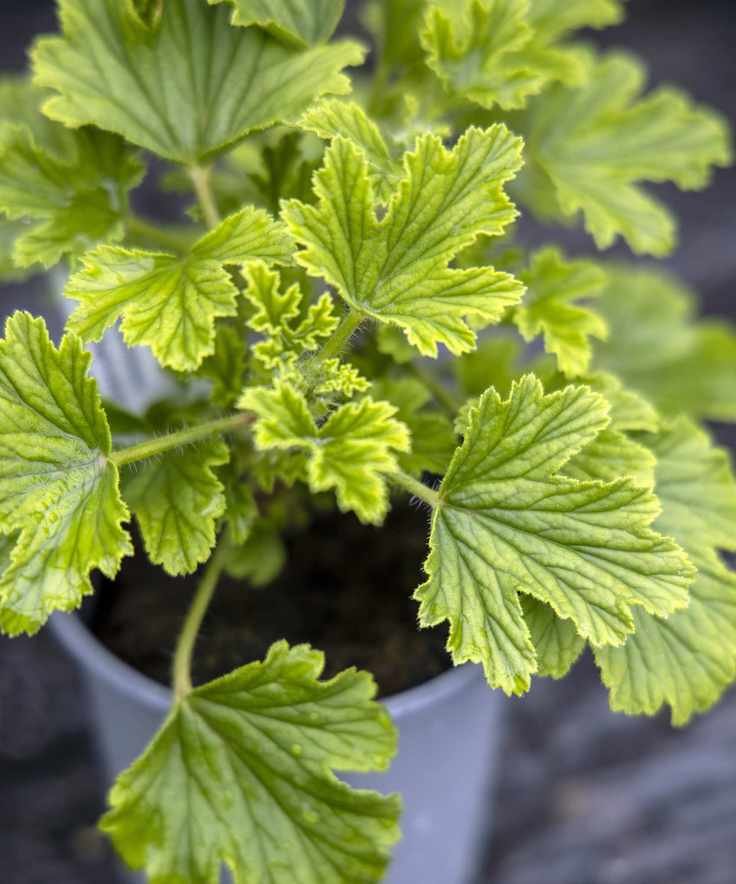
Why Your Geraniums Require Winter Care
Creating a winter garden plan is essential for frost-sensitive plants. Geraniums, being frost tender, cannot withstand severe winter conditions, making it crucial to know how to protect them if you want to continue growing these beauties.
Commonly referred to as geraniums, pelargoniums differ from hardy geraniums or cranesbills, which don't need winter protection.
Natively from South Africa, geraniums prefer warm climates and can endure periods of drought with limited water.
These plants thrive in USDA zones 9-12, withstanding temperatures between 20ºF to 50ºF, and can survive in zone 7 down to -12ºF (0ºC) with proper safeguards.
While they may endure light frosts, prolonged exposure to freezing temperatures can be fatal, so winter protection is vital.
Some gardeners treat geraniums as annuals, uprooting them in the fall and replacing them the next season. However, with the right care, they can flourish again the following year.
'Dedicated gardeners keep their pelargoniums actively growing during winter, providing water and nutrients,' advises a gardening expert. 'However, even those with minimal experience can follow some simple steps to ensure the survival of their plants through winter.'
There are several methods to overwinter geraniums. When potted and kept in suitable conditions, these plants can either remain in active growth or enter a semi-dormant state. Alternatively, they can be stored in a dormant, bare-root form. Below, we'll outline these techniques with expert insights. Additionally, you can take cuttings from your geraniums during pruning to grow new plants for the next year.
Overwintering Geraniums in Pots
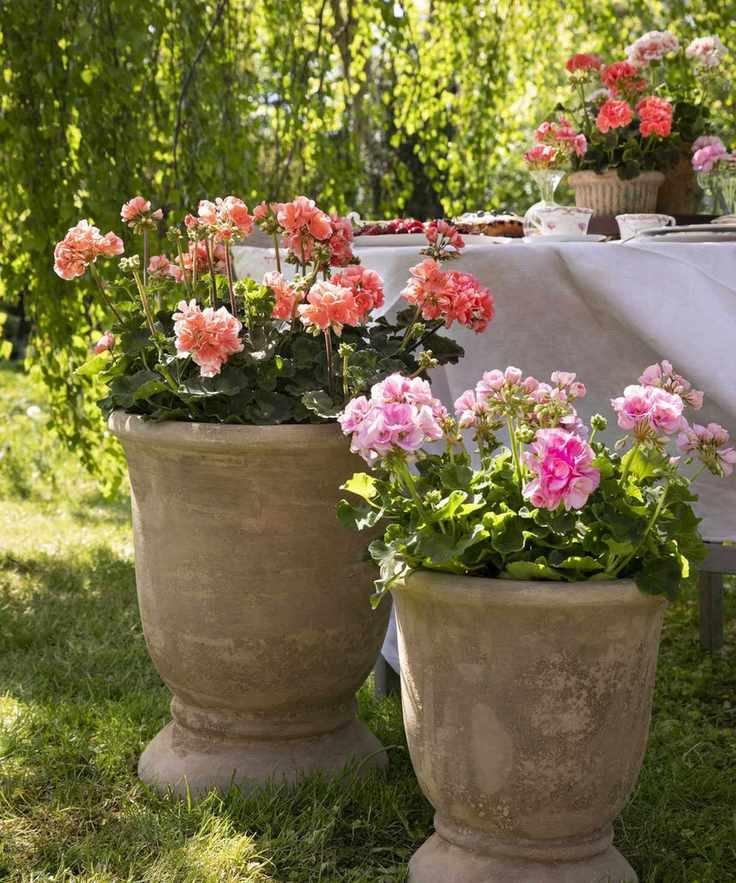
Geraniums are often grown in pots, making them perfect candidates for overwintering.
Move Pots Indoors
If your geraniums are already potted, simply relocate them to a light, airy, frost-free area like a greenhouse or conservatory before the frost hits.
'A greenhouse is ideal, and having a heater to maintain temperatures above freezing during frost is recommended,' advises a horticulture expert. If your geraniums are planted in a garden bed, dig them up, repot, and shelter them indoors.
Trim Plants
Before bringing your plants inside, it's best to trim them back. Cut the geraniums by about two-thirds; if they're being uprooted from outdoor beds, a three-quarters reduction may be necessary. Only prune when the roots are dry to prevent damage to the remaining stems.
'Remove any dead or damaged areas and ensure they're pest-free before winter storage,' suggests another gardening authority.
Limit Watering
While sheltered, keep geraniums in a semi-dormant state, requiring less water and no feeding. 'Position them in a partially sunny area and water every 2-3 weeks, maintaining around 50% humidity. Like many plants, they conserve energy through dormancy in winter,' an expert adds.
Overwintering Geraniums Bare-Root
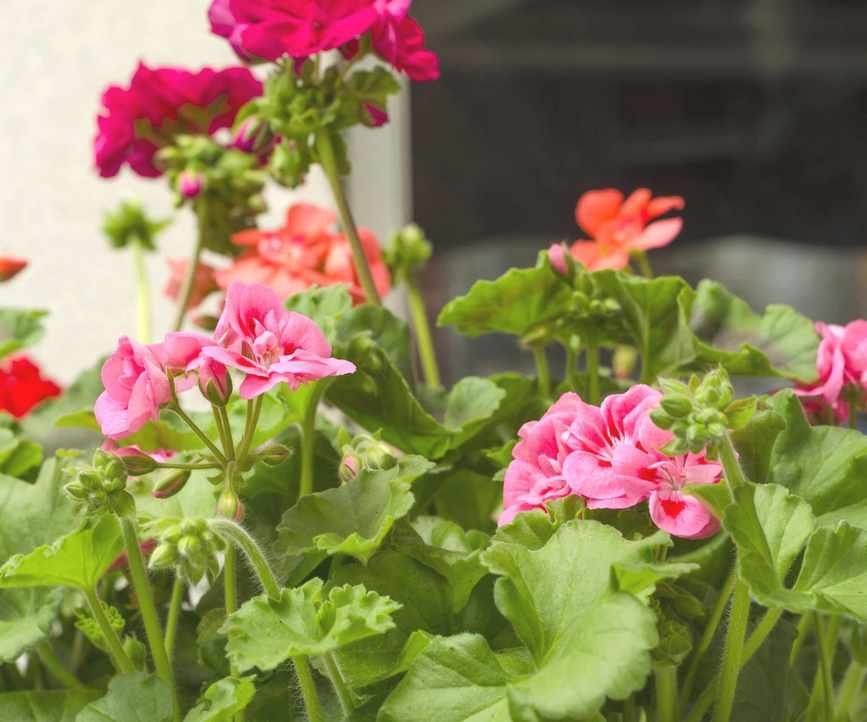
Geraniums can also be stored in bare-root form, which takes up less space than pots and is ideal for large quantities. This approach doesn't require a greenhouse; they can be kept in a shed or garage.
Uproot the Plants
To use this method, dig the plants up and gently shake off excess soil, allowing the roots to dry for a few days.
Cut Back
Trim the stems down to approximately 4 inches (10cm), cut the roots to about 5cm, and remove any leaves.
Store Correctly
Next, place them in a cool, dry location inside paper bags or cardboard boxes. 'We use seasoned sawdust for this,' explains a gardening professional. 'You can also opt for wrapping them in newspaper or covering them with potting compost.'
Pot Up in Spring
In early spring, when bare-root plants show signs of growth, pot them up, soaking the roots for a few hours beforehand.
Final Trim
After potting, cut the plants back again. 'It's essential to trim stems back to healthy green growth when unpacking in spring,' advises a landscape designer. 'Also, trim any excessively long roots.' This differs from the summer practice of deadheading for more blooms.
Harden Off
Finally, place the pots in a sunny, frost-free location to stimulate growth. Gradually acclimate them to outdoor conditions once the frost threat has passed, preparing for a stunning summer display.
Can I Overwinter Geraniums in an Unheated Greenhouse?
While a heated greenhouse is optimal, set to at least 46ºF (8ºC), potted geraniums can survive in an unheated greenhouse if properly insulated. Use bubble wrap or similar materials and cover the plants with fleece during extreme cold.
If a greenhouse isn't available, a conservatory can work, though an unheated one is best to prevent overly leggy growth from low winter light.
Overwintering pelargoniums doesn't require excessive time or effort, but it's rewarding, especially if you have these lovely flowers in abundance. Many other potted plants also benefit from being brought indoors in November to help them acclimatize as outdoor temperatures drop.



