
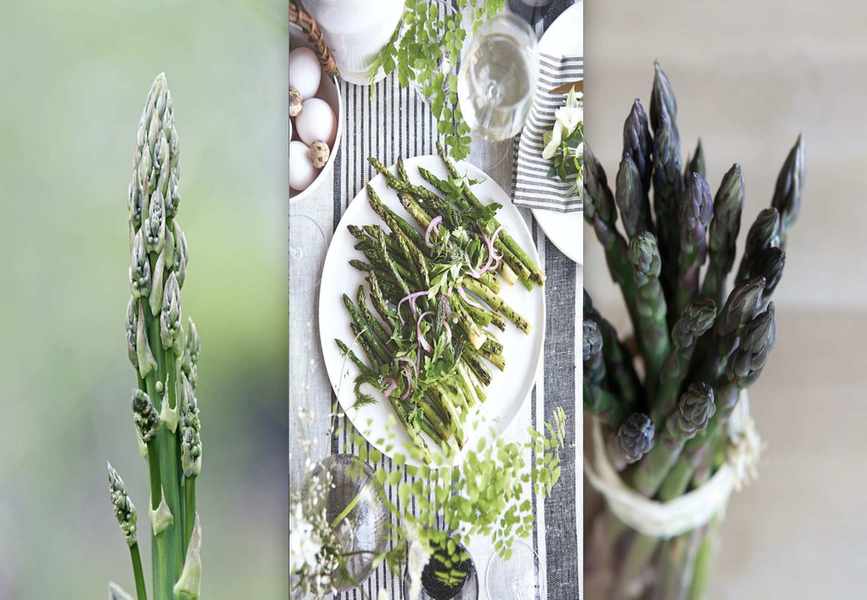
Asparagus thrives in a limited growing window from May to June, but it takes about three years to start reaping a substantial harvest. For enthusiasts of this delicately flavored vegetable, the wait pays off. Asparagus prefers sunny spots that are shielded from strong winds. Once established, these perennial plants can yield tender shoots for 10 to 15 years.
If you're interested in growing asparagus in your kitchen garden, here's what you should know.
Growing Asparagus
Beginners should follow several essential steps to successfully cultivate asparagus.
Selecting Male or Female Plants
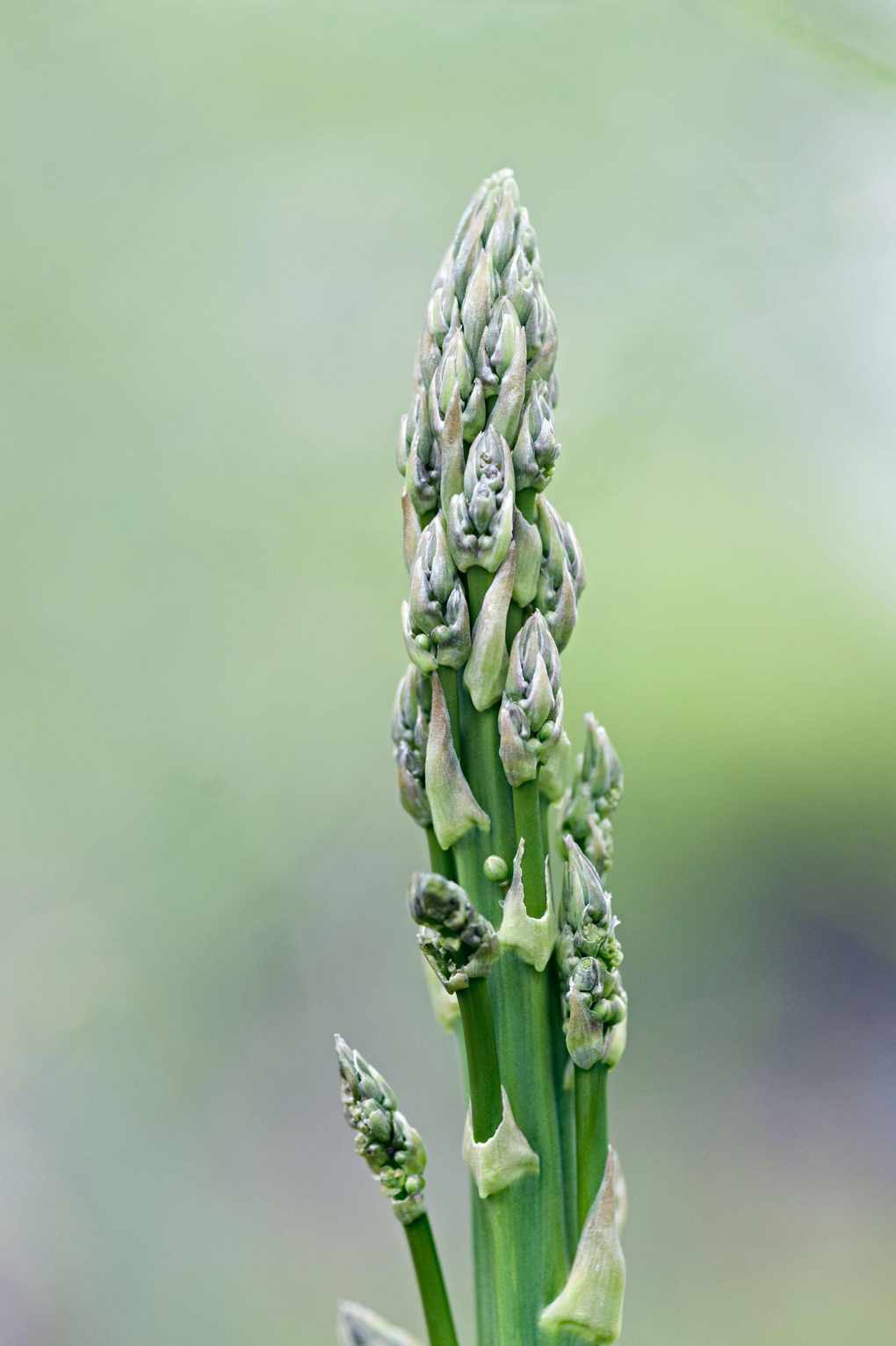
Believe it or not, asparagus comes in male and female varieties. To ensure pollination and seed production, both genders should be included in your garden. However, most gardeners opt to plant asparagus from crowns, available in male or female forms.
Male asparagus typically features thicker, taller stems and is more productive, celebrated for its sweetness and tenderness. In contrast, female spears are generally thinner and less abundant.
Female plants can be identified by the seeds and berries they produce, while male flowers have small yellow stamens.
Planting Asparagus from Crowns
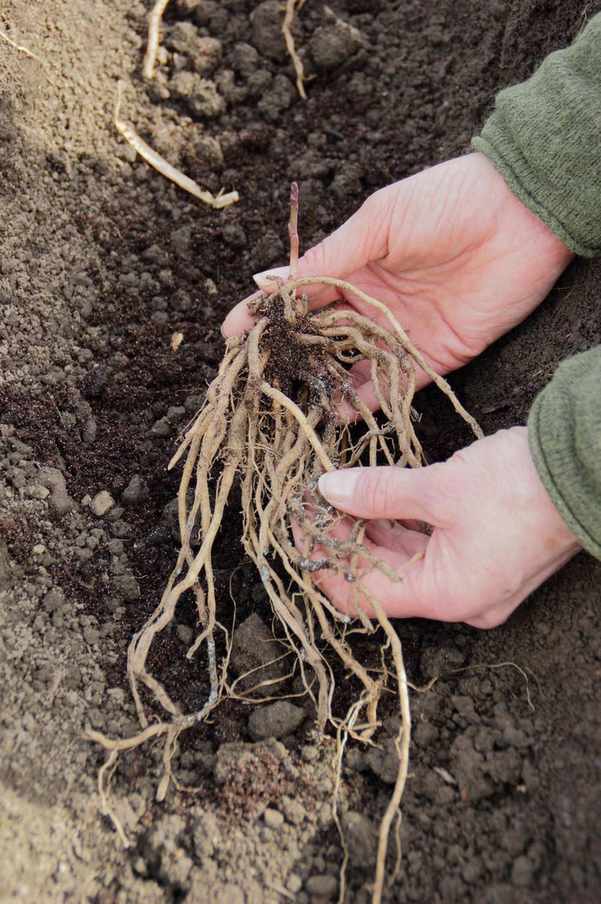
For quicker results—just two years to harvest instead of three—choose to plant asparagus crowns, which are dormant, one-year-old plants.
Space the crowns at least 12 inches apart and plant them 6 inches deep. Handle the delicate roots carefully to avoid damage. Since crowns can dry out quickly, plant them soon after purchase to keep them healthy.
To prepare the soil, mix in a bucket of compost or well-rotted manure per yard and dig it in. For heavy, clay-rich soils, adding grit will enhance drainage and improve growing conditions.
For optimal success, create a trench, lining the bottom with manure or compost. Replace the soil, forming a ridge, and space the crowns along this ridge with roots hanging over the edges. Cover the roots with 3 inches of soil and firm them in place.
Water the crowns and apply mulch using more compost or manure.
Growing Asparagus from Seeds
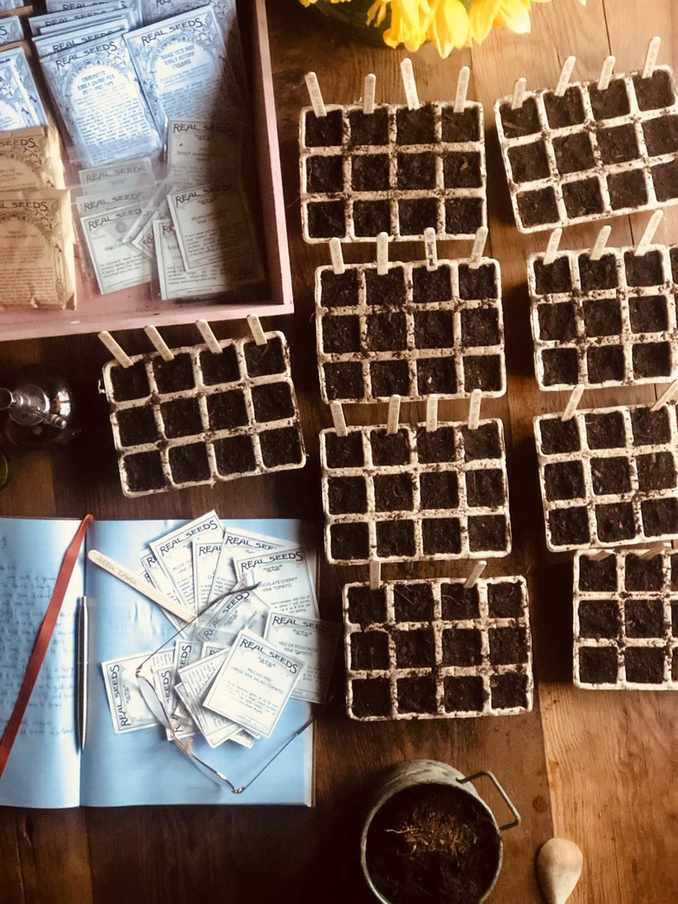
Although crowns are the most common choice, you can also start asparagus from seeds collected from previous crops or purchased separately.
Sow seeds indoors starting in February, placing them individually in modules with seed compost. Once seedlings are strong, acclimate them by moving them outdoors gradually.
Alternatively, sow seeds directly in the ground during March and April. Create 1-inch deep drills with at least 12 inches between them, thinning seedlings to 6 inches apart as they grow, and protect them from pests.
Can Asparagus Thrive in Pots?
Asparagus can be grown in pots or containers, which offer good drainage. However, the compost can become depleted within a few years, and optimal harvests usually occur after five years. Therefore, many gardeners prefer planting asparagus in the ground or raised beds for extended harvests over the next 15 to 20 years.
Companion Planting for Asparagus
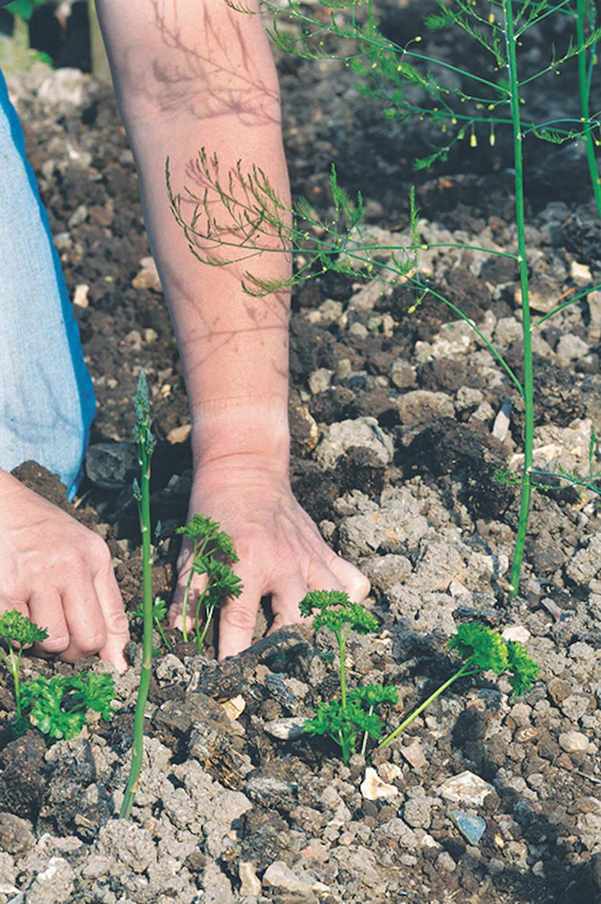
Asparagus can be grown alongside various plants that thrive under similar conditions. Certain crops are particularly beneficial as companion plants.
Interplanting with parsley and basil can help deter asparagus beetles, which harm the plants. Tomatoes also make great companions by releasing solanine, a chemical that repels these pests.
Caring for Your Asparagus
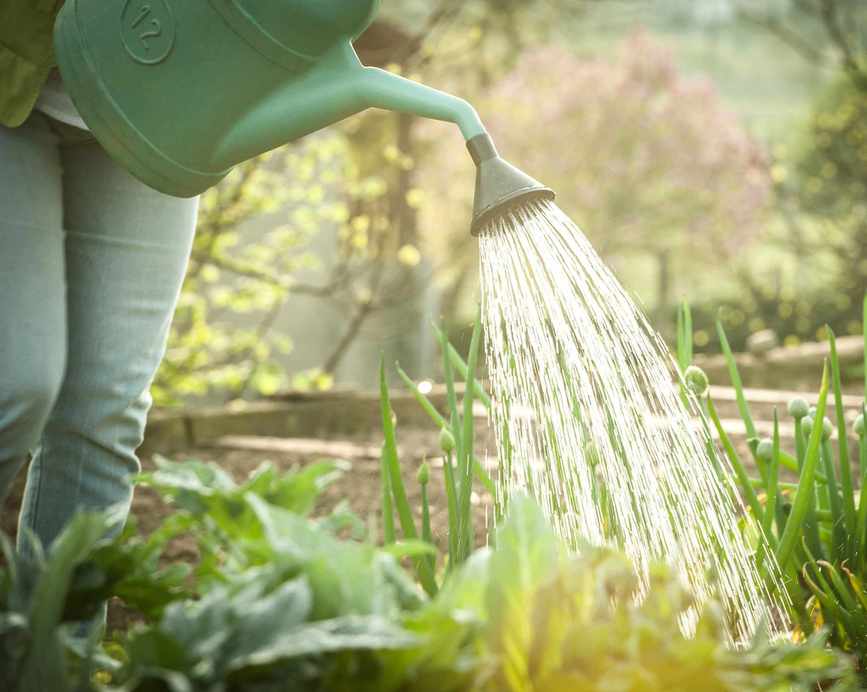
Keep your asparagus well-watered and fertilize in early spring and again post-harvest. Hand-weed the area to protect the fragile roots, and remove any female plants if you're growing a male crop.
Depending on the type, asparagus can reach about 3 feet tall, so staking may be necessary to prevent damage from wind.
Harvesting Your Asparagus
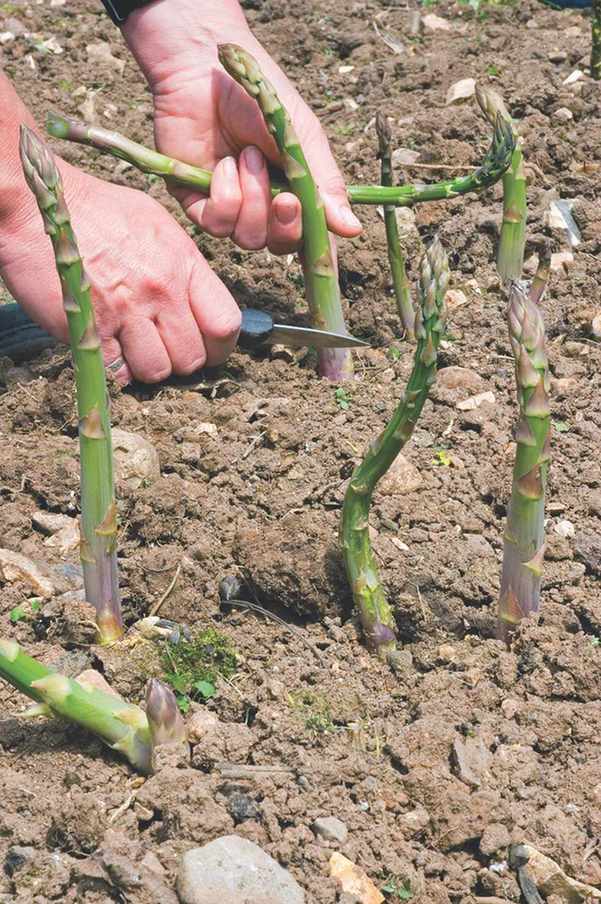
With healthy crowns planted when the soil warms in spring, expect a modest harvest the next year, a more ample yield the following year, and a full harvest by year three. Asparagus is ready for harvest for about eight weeks starting in mid-April of the third year.
To gather asparagus, cut the spears with a sharp knife about an inch below the soil surface. Harvest every 2 to 3 days during warm weather.
Each mature plant can yield 30 to 40 spears throughout the season, with rapid growth possible in warm, humid conditions—up to 9 inches in a single day!
Post-Harvest Care for Asparagus
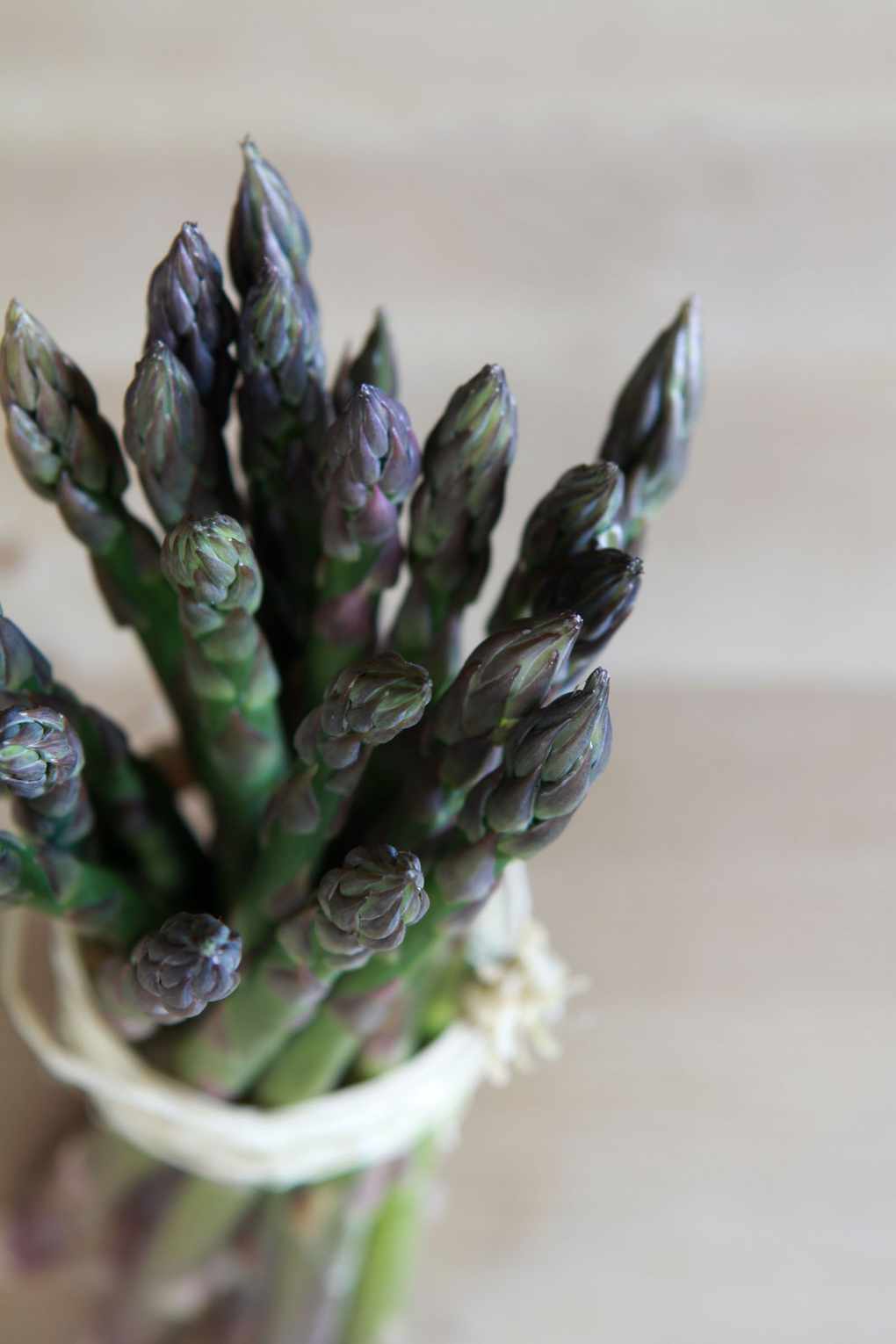
After the harvest season ends in July, allow the shoots to grow, as they will develop attractive foliage referred to as asparagus fern. This can be collected for summer wreaths, but most foliage should remain intact to absorb sunlight and nourish the roots.
Cut back the foliage in the fall as it begins to yellow.
Timeframe for Growing Asparagus
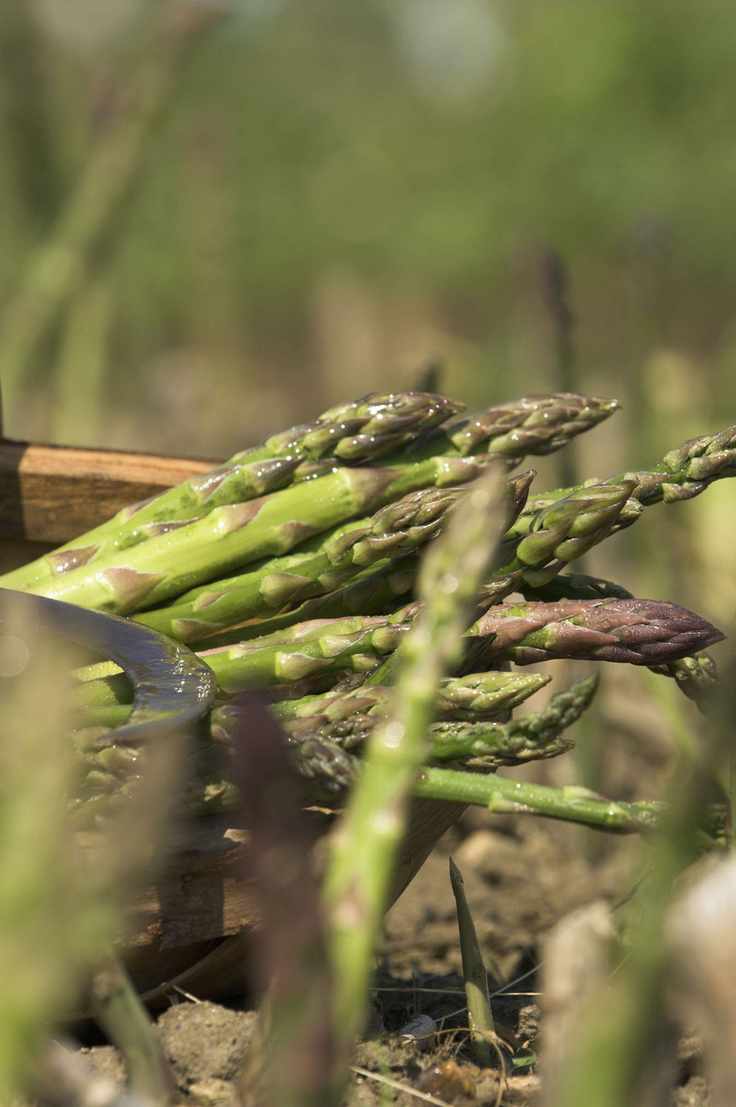
Asparagus typically requires three years from planting to yield a full crop, although some spears may be ready for cutting in earlier years. Once fully established, plants produce harvestable spears for eight weeks, from mid-May to mid-June.
Is Asparagus Simple to Cultivate?
Indeed, asparagus is not a fast-growing plant, but it is manageable. The primary concern is ensuring proper drainage, so planting in a soil ridge can prevent roots from becoming too wet.



