

Using garden mulch can significantly minimize the need for weeding and watering, and there's a diverse range available. If you've only considered compost, it's time to broaden your horizons. While compost is a beloved choice, opting for alternatives can be budget-friendly while offering unique advantages tailored to your garden.
Mulches fall into two main categories: organic and inorganic. Organic varieties, derived from natural materials, gradually decompose and enrich the soil, enhancing its structure and fertility. In contrast, inorganic options don't break down but require less frequent replacement. Let's explore eight excellent mulch choices for your garden!

With experience in gardening and allotment growing, Holly believes mulch is essential for reducing maintenance time. She even applies it to her houseplants using finely crushed gravel to retain moisture and beautify the space.
5 Organic Mulch Options
If you prefer a natural approach, these eco-friendly options are simple to use and often enrich the soil with nutrients as they break down.
1. Homemade Compost

Compost is a favorite among gardeners
Let's start with compost, a time-tested soil enhancer loaded with nutrients. Incorporate it into your topsoil or containers for a plant boost, and it doubles as a superb mulch.
Creating homemade compost helps reduce kitchen waste and saves money. Hot composting or worm composting speeds up decomposition, yielding a crumbly, nutrient-rich material.
Apply a thick layer around your plants to suppress weeds, retain moisture, and protect against harsh winter conditions. Over time, nutrients will seep into the soil.
Keep in mind, though, you'll need to refresh it once or twice annually, and it may not be visually appealing.
2. Bark Chippings
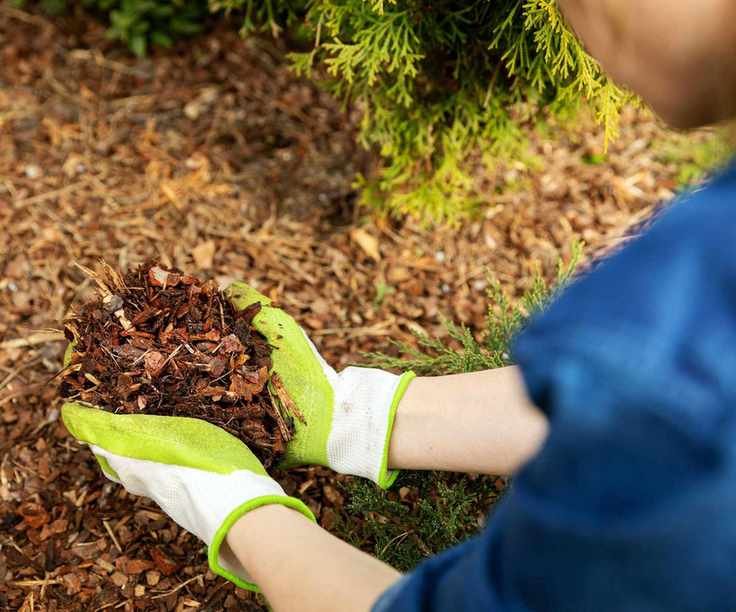
Bark chippings can be sourced for free
Bark chips decompose more slowly than compost and offer less soil enhancement. However, they're visually pleasing and can be inexpensive if sourced locally. Reach out to arborists for any spare materials. Be prepared to collect them yourself.
Deborah Niemann from a local homesteading site shares, "Our city's public works department has heaps available for free. My husband loads the truck with their loader. For smaller amounts, a garbage can works too!" She uses it on paths and flower gardens, avoiding vegetable patches due to uncertainty about treatment.
If you have garden waste from pruning, that can also become mulch. Just let it age slightly before use. Expert John Negus recommends mixing fresh shreddings into your compost to prevent nitrogen depletion in the soil.
3. Grass Clippings
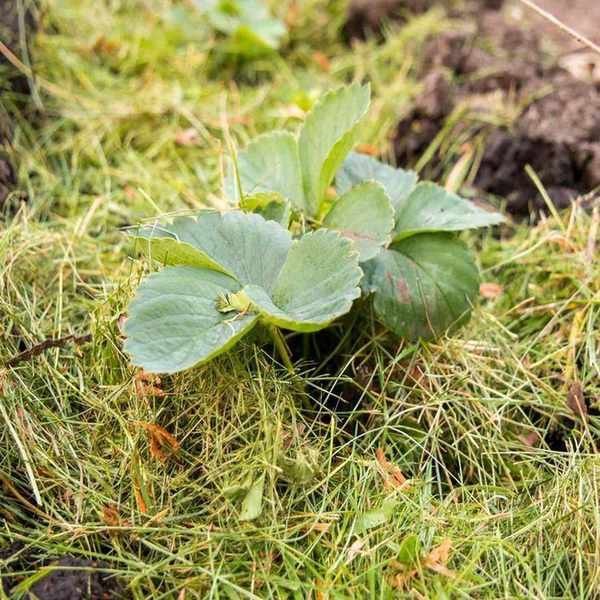
Utilize your lawn clippings effectively
Mowing your lawn not only tidies up your yard but provides free mulch too. If the clippings are short, dry, and weed-free, spread them over your grass to enrich the soil with nitrogen, keeping your lawn lush.
Marjorie Beausoleil from a seed company uses grass clippings for her vegetable garden. Ensure they're also dry and avoid thick layers to prevent odor. "They encourage beneficial insects and decompose quicker than you'd expect," she notes. "We often mow just to create mulch!"
Just ensure your lawn is chemical-free, as even organic treatments can harm beneficial insects in your garden.
4. Leaf Mold

Creating leaf mold in autumn is beneficial
Don't toss those fallen leaves! Instead, use them to create leaf mold, a nutrient-rich mulch that's free. Just stuff leaves into bags with drainage holes and let them break down for a few months.
5. Ground Cover Plants
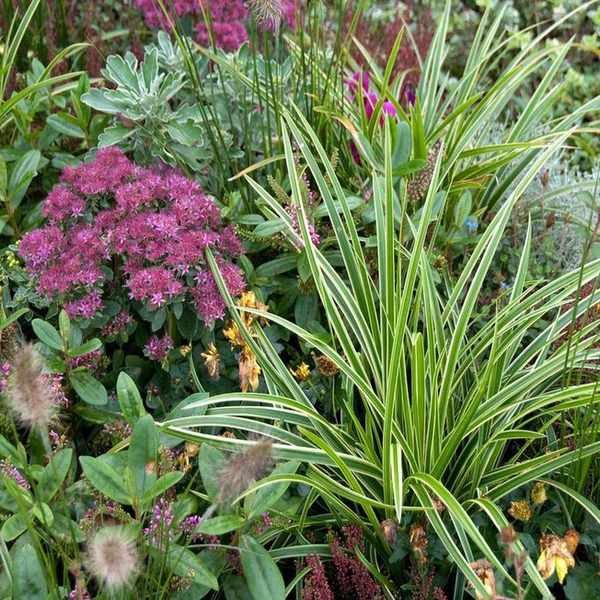
Create a lush landscape that suppresses weeds
Benjamin Vogt, a garden designer, advocates for living mulches. These plant layers create a wild, natural aesthetic and block weeds effectively.
He suggests an initial thin layer of wood mulch to suppress annual weed germination while maintaining soil moisture until the planted species self-sow and spread, ultimately negating the need for further wood mulch.
3 Inorganic Mulch Types
While inorganic mulches lack nutrient enhancement, they require minimal upkeep, as you won't need to replace them often. Plus, they come with additional perks.
1. Gravel and Pebbles

Gravel is a stylish, low-maintenance mulch
These choices elevate the look of your flower beds. With a variety of colors available, a quick search online reveals many options.
Ideal for dry landscapes, they not only enhance aesthetics but help control weeds and retain moisture. They're also resilient against rain and prevent soil erosion.
Gravel can create casual paths, top off patio pots, or surround perennials. Just steer clear of using them around annuals, as they can complicate future plantings.
2. Landscaping Fabric

Effective for vegetable gardens
Landscaping fabric is a solid choice for weed control and warming soil for seedlings, especially in veggie gardens. It's affordable and simple to install—no need to remove weeds beforehand.
Simply cut slits for planting. While it's not aesthetically pleasing, adding a layer of bark or other material can improve its look.
3. Rubber Mulch

Rubber mulch has its pros and cons
This type of mulch divides opinions. It's effective in retaining soil warmth and moisture, suppressing weeds, and doesn't attract pests or emit unpleasant odors like some organic options. Typically made from recycled tires, it's great for play areas, providing cushioning for falls. Rubber mulch lasts long and comes in various colors.
However, initial costs can be high, and it doesn't enhance soil nutrients. While it lacks decay odors, hot days may bring an unpleasant rubber smell. It's also highly flammable and may leach chemicals that could affect garden health.
What Are the Most Affordable Mulch Options?
Natural mulches you can create at home are usually the best choice for budget-conscious gardening. Homemade compost, grass clippings, and leaf mold top the list, allowing you to recycle waste. Additionally, local wood chips can be affordable, but purchasing them in bags from garden centers can get pricey.



