

Fertilizers are crucial for maintaining robust plant health. Whether you're nurturing trees, shrubs, flowers, or vegetables, ensuring soil health and proper fertilization is vital throughout the gardening year.
The key nutrients for thriving plants include nitrogen, phosphorus, and potassium, alongside calcium, magnesium, and sulfur. Fertilizers come in various formulas tailored for specific purposes—some are general-purpose, while others focus on boosting fruit production or leafy growth.
Whether you choose organic or synthetic options, fertilizers deliver essential nutrients for optimal plant development. However, using the correct fertilizer at the right time and in appropriate amounts is crucial to avoid harming your plants.

7 Mistakes to Steer Clear of When Fertilizing
When fertilizing flower beds or vegetable patches, ensuring the feed benefits your plants is essential. Here are some common errors to avoid for the health of your greenery.
1. Fertilizing at Inappropriate Times

Every plant has its fertilizing window. Applying a one-size-fits-all approach is a misstep; what works for evergreen shrubs won't suit garlic. According to gardening expert Tony O'Neill, fertilizing too late can spur new growth that's vulnerable to frost. Plants generally require fertilization at the start of their growing season and possibly again throughout the year. Research your plants to determine their ideal feeding times based on their growth phases.

2. Using Incorrect Fertilizer Types

Different plants require specific fertilizers, and not all feeds are the same. Understanding the nutrient composition of fertilizers is essential, as using the wrong type can disrupt the growth cycle. Diane Kuthy, founder of How To Grow Everything, emphasizes that an imbalance can lead to undesirable growth outcomes, such as excessive leafy growth at the expense of fruit on trees.
Excess magnesium can lead to calcium deficiencies in tomatoes, causing issues like blossom end rot. Always select fertilizers based on the specific nutrient needs of your plants and follow recommended application rates.

3. Over-Fertilizing

Excess fertilizer can harm plants rather than help them. Over-fertilization can lead to nutrient burn, causing root damage and leaf scorch. In severe cases, accumulated salts can cause wilting and even plant death. Always adhere to the application guidelines provided on fertilizer packaging to meet your plants' needs effectively.
4. Under-Fertilizing

Insufficient fertilization can leave plants nutrient-deficient, resulting in stunted growth, discoloration, and poor flowering or yields. Conduct soil tests to identify nutrient deficiencies and address them with appropriate feeds. Using balanced fertilizers at the recommended rates provides a comprehensive nutrient supply.
A soil test kit offers a professional analysis of nutrient levels, ensuring precise recommendations for organic or synthetic fertilizers.
5. Fertilizing Dry Soil

Moist soil is essential when applying fertilizers. Applying feed on dry soil can harm your plants. Nutrients become unavailable to plants in dry conditions, and slow-release fertilizers require moisture for activation. According to Tony O'Neill, watering plants before and after fertilizing helps distribute nutrients and prevents root damage.
6. Fertilizing During Unfavorable Weather

Avoid fertilization during extreme weather conditions, including intense heat or cold, as plants struggle to absorb nutrients. Rainy days should also be avoided, as precipitation can wash away applied fertilizers. Gardening expert Radek Babicek recommends fertilizing three days after rainfall to allow soil moisture to stabilize. Fertilizing during cooler hours of the day can also enhance nutrient absorption.
7. Applying Fertilizer Too Close to Plants
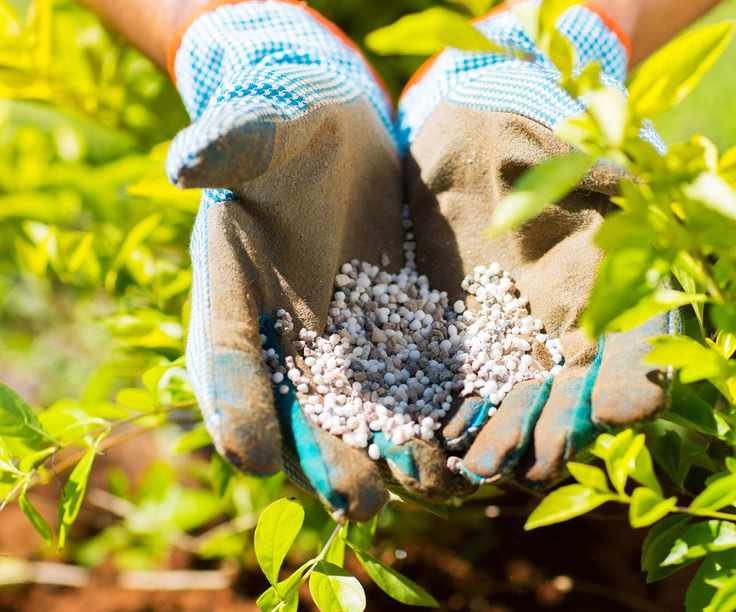
When using granular fertilizers, placement matters. These products must dissolve in water to be effective and can damage plants if they come into direct contact. Horticulturist Samuel Davis cautions against allowing fertilizers to touch plant stems or leaves, which can cause burns. Instead, apply fertilizer around the plant base while avoiding direct contact with foliage.
FAQs
What Are the Signs of Over-Fertilization?
Over-fertilization can manifest as yellowing or browning leaves, blackened edges, stunted growth, and leaf drop. You might also notice a crust forming on the soil surface.
If you prefer a natural approach, consider creating your own plant fertilizers using organic materials like comfrey fertilizer or plant fertilizers from common weeds. Be sure to dilute these liquid feeds to prevent over-fertilization.



