
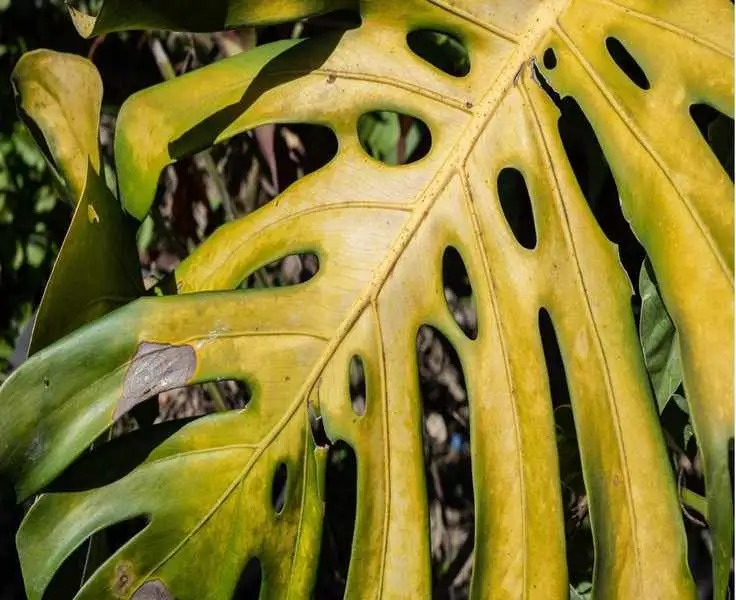
Did you know that plants can suffer from sunburn, much like humans? Leaf scorch is a frequent issue for gardeners and houseplant enthusiasts during the sweltering summer months. At its core, leaf scorch means that plant leaves are being damaged by direct sunlight.
As someone who cherishes a variety of indoor plants, I know firsthand the struggle to keep them thriving in extreme temperatures. While it's lovely to see them soaking up the sun after dreary winter days, I've learned the hard way how to shield them from sun-related injuries.
If you've noticed your monstera leaves turning yellow, or perhaps your rose leaves are fading in your garden, sun exposure could be the culprit. Unsure if leaf scorch is affecting your plants? Fear not, as I consulted experts to clarify what to look for and how to prevent it in both your garden and indoor plants.

What Triggers Leaf Scorch?

Leaf scorch is, quite simply, the result of leaves being scorched. But how does this happen? The most common reason is direct sun exposure, and it can affect houseplants, shrubs, trees, and flowering plants alike. This concern typically arises during the hottest months of the year.
According to Morgan McBride, a blogger from Keep Your Plants Alive, "Leaf scorch refers to sunburn on plant leaves. It's most prevalent when plants are abruptly moved from shaded or indirect light areas to direct sunlight." She adds, "The intense sun burns the leaves, resulting in crispy spots that are light brown or white with brown edges."
However, it's not just excessive sunlight that leads to leaf scorch; a combination of environmental factors can also cause foliage to appear burned.
As Ben McInerney, an arborist and landscape gardener, explains, "Leaf scorch occurs when plants lose water faster than they can replenish it, leaving their leaves looking as if they've been scorched by flames."
Beyond affecting your plants' appearance, leaf scorch can also harm their overall health. Leaves are crucial for photosynthesis, and when they are damaged, plants struggle to produce new growth and maintain the vitality of their existing leaves.

Morgan is a houseplant blogger at Keep Your Plants Alive. With a background of growing up surrounded by houseplants and now managing her own collection, she shares insights on houseplant care and indoor growing tips.

Ben McInerney is an experienced arborist with over 20 years in the field, running a commercial lawn care and tree services company. He founded GoTreeQuotes, a platform connecting property owners with tree removal and trimming services.
Preventing Leaf Scorch
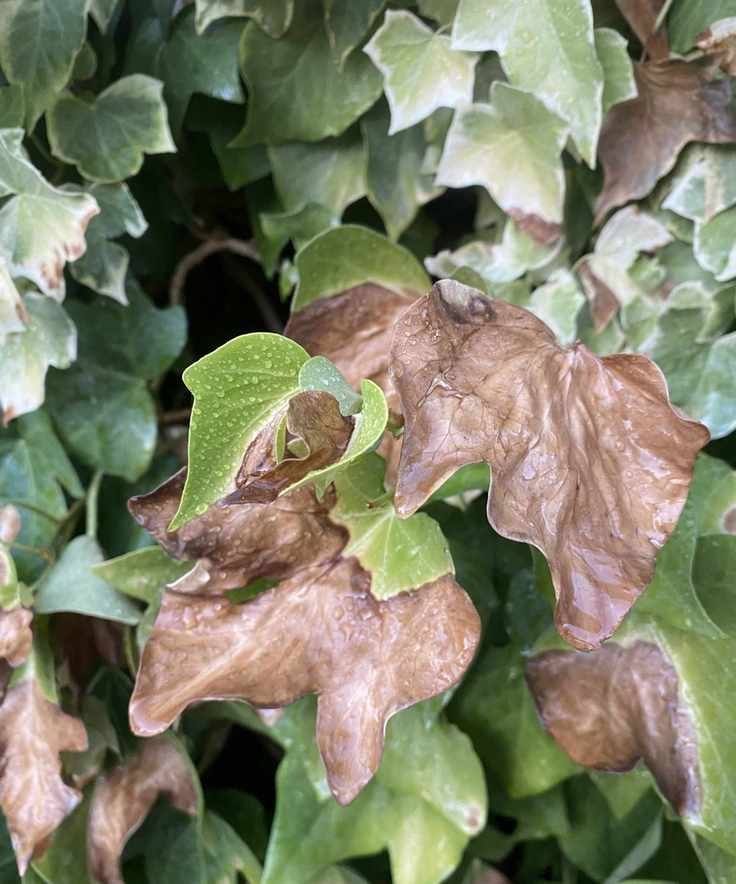
If you're like me and dread the thought of your beloved plants turning brown, yellow, and crispy, the good news is that there are several steps you can take to prevent leaf scorch.
The first step is to identify which of your plants are most vulnerable to leaf scorch. Morgan notes, "Leaf scorch is more likely to occur in indoor plants that are moved to direct sunlight, or in outdoor plants that thrive in shaded areas but find themselves in the blazing sun."
A frequent mistake with indoor plants is failing to provide the appropriate light conditions for their specific needs. While many indoor plants can handle direct sunlight, others cannot withstand excessive exposure. Similarly, some shade-loving plants may thrive in bright spots but can still suffer if subjected to too much sun.
It's genuinely as simple as avoiding placing these plants in overly sunny locations. "Be cautious of south-facing windows where direct sunlight can hit your plants harshly. Consider using a sheer curtain, available at Walmart, to diffuse the light or simply move the plant a bit away from the window," Morgan suggests.
If you have a south-facing garden or balcony, think about adding shade in areas where you keep plants that are more sensitive to direct sunlight. Solutions include installing a pergola, pergola from Amazon, or even planting tall trees to create shade for lower-growing shrubs and plants.
"Another effective way to prevent leaf scorch is to water deeply and less often. Think of it as training your plants to thrive like camels - they will appreciate it," advises Ben. This technique works well for both houseplants and garden plants, helping them avoid dehydration during extreme heat and keeping them healthy.
However, be cautious not to overwater your plants, as waterlogged soil can lead to issues like root rot in houseplants. Excessive water may also cause your plants to turn yellow and wilt — this is why I prefer to use a soil moisture meter from Amazon to determine when it's time to water my plants.
Frequently Asked Questions
How Can You Help Plants Recover from Leaf Scorch?
If your plants show signs of dehydration and are exposed to harsh sunlight, they may end up looking scorched. While there's no remedy for restoring those crispy, yellow, and brown leaves, you can help your plant regain its health.
According to Morgan McBride, you can snip off the burnt sections of the leaves with scissors. If the leaf is over 50% damaged, it's best to remove the entire leaf.
Always utilize essential gardening tools for precise cuts, such as pruning scissors, and remember to clean your gardening tools after use to prevent pest and disease spread. Following this, provide optimal care for your plant to encourage regrowth and new leaf production.
Do Wet Leaves Scorch in the Sun?
Many believe that wet leaves can burn under intense sunlight. While it may seem logical that water heated by high temperatures could scorch foliage, this is unlikely. However, plants can appear scorched if they are dehydrated. Therefore, it's crucial to water your plants thoroughly during hot weather to maintain adequate moisture levels.
Although leaf scorch may affect your plants' appearance, it generally doesn't harm their long-term health, provided you remove any damaged leaves. Taking preventative measures to protect your plants from leaf scorch will help keep them looking vibrant throughout the summer months.
If you're organizing your watering schedule for the hotter season, you might also want to check whether watering grass in the sunshine can damage it.



