

Have you tried joining the houseplant craze only to see your plants wither away? You're certainly not alone. While growing indoor plants seems straightforward, various pitfalls can occur along the way.
From improper watering to unsuitable lighting, many factors can hinder your plant's growth. If your efforts haven't yielded a green thumb, you might be falling into one of these ten common traps. Experts share their insights on how to keep your indoor plants thriving.

10 Houseplant Mistakes to Avoid
If you enjoy decorating with plants, it's vital to keep them healthy and vibrant. Sidestepping these common errors is an excellent starting point for your houseplant care.
1. Overwatering Your Plants

Overwatering is one of the leading causes of plant decline. You might not realize it until your plant starts wilting or developing yellow leaves.
While many indoor plants, particularly tropical varieties, thrive in moist soil, it should never be waterlogged. Excess moisture restricts root airflow and fosters fungal growth, leading to root rot, which can be fatal for plants like orchids and fiddle leaf figs.
As Rachel Tenney from the Plant School podcast notes, it's common to assume plants need water when they're struggling. Understanding each plant's specific watering needs is crucial. As a general guideline, only water when the top layer of soil is dry, and check deeper levels with your finger.

Rachel hosts the Plant School podcast and shares tips on caring for houseplants via her YouTube and social media channels.
2. Using Pots Without Drainage

Root rot can also stem from poor drainage. It's essential for all plant containers to have drainage holes, whether indoors or outdoors.
You might think that careful watering or adding gravel to the base of a pot can compensate for the lack of drainage holes, but this often leads to root issues. If you fall for a pot without drainage, drill holes in the bottom to prevent water from pooling.
Alternatively, many beautiful pots with drainage holes can be found online, such as these planters from Amazon.
3. Underwatering Your Plants

Many gardeners swing between the extremes of over- and underwatering. I used to lean heavily towards underwatering.
Underwatering can also be detrimental. Without adequate moisture, plants lack the necessary components for photosynthesis, leading to stunted growth. Leaves will droop as the cells become dehydrated, and roots struggle to transport nutrients.
Prolonged dry spells can compact the soil, making it difficult for plants to rehydrate. To remedy this, Kevin Espiritu from Epic Gardening suggests aerating the soil with chopsticks or an aerator, mimicking natural soil conditions.
In severe cases, bottom watering may be necessary to ensure roots are properly saturated, especially for plants like pothos or aloe that can show distress when not watered correctly.

Kevin is the founder of Epic Gardening, sharing educational gardening content across various platforms.
4. Overfertilizing

Fertilizers provide essential nutrients, but excessive application can cause more harm than good. Many gardeners mistakenly reach for fertilizer when plants appear unhealthy.
Overfertilizing can 'burn' roots, leading to stress and damage that is hard to reverse. Experts from Sheridan Nurseries caution against using too much fertilizer.
Follow the instructions on your fertilizer packaging, and consider starting with a half-strength dose. An all-purpose indoor plant fertilizer, like this Miracle-Gro option from Amazon, is a solid choice for most houseplants.
5. Misunderstanding Light Needs
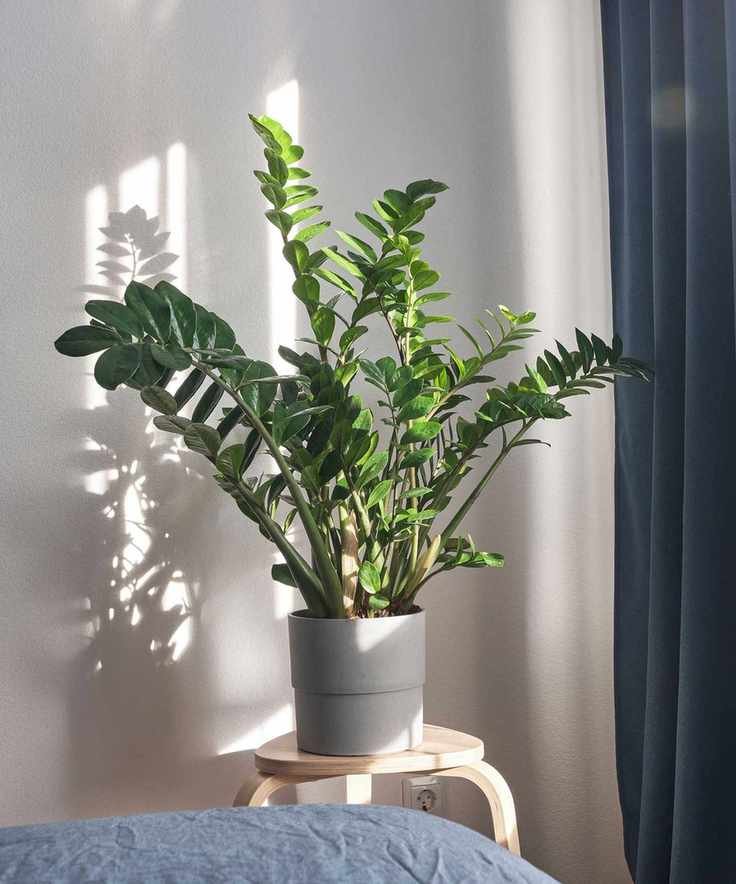
A frequent error involves confusing 'low light' with 'no light.' When people seek advice on plant issues, the first question I ask is about their light conditions.
Light is vital for photosynthesis, and without it, plants cannot thrive. However, the term 'low light' does not imply rooms devoid of windows or areas in deep shade. It generally refers to spaces receiving around 100 foot-candles (1000 lux) of light regularly, found in brighter rooms or near north-facing windows.
6. Neglecting Humidity Requirements

Many indoor plants originate from humid tropical climates, making humidity a critical factor in their care.
Houseplant owners often overlook humidity, which can severely impact growth. Low humidity can prevent new leaf growth and cause brown leaf tips that don't recover even with improved conditions.
Ashley Anita, a plant enthusiast, suggests that tropical plants thrive in humidity levels above 60%. Consider placing humidity-loving plants in bathrooms or kitchens where moisture levels are typically higher.

Ashley shares her plant journey and tips through her online community, helping fellow plant lovers succeed indoors.
7. Exposing Plants to Direct Sunlight

While inadequate light is a common issue, too much sunlight can also harm your plants.
Most houseplants thrive in shaded environments, making them suitable for indoor growth. Direct sunlight can scorch leaves, causing brown patches and curling as plants try to protect themselves. If you notice these signs, move your plant immediately to a location with indirect light.
8. Selecting Inappropriate Plants for Your Space

Choosing the wrong plants can lead to care problems. For indoor plants to thrive, their environment should mimic their natural habitats as closely as possible.
Houseplant grower Abi Bloom advises that considering your space is crucial before buying plants. If the environment isn’t suitable, it’s better to choose plants that will flourish in your conditions.
Abi shares her plant-filled journey and tips for maintaining a thriving indoor garden.
9. Incorrectly Repotting Your Plants
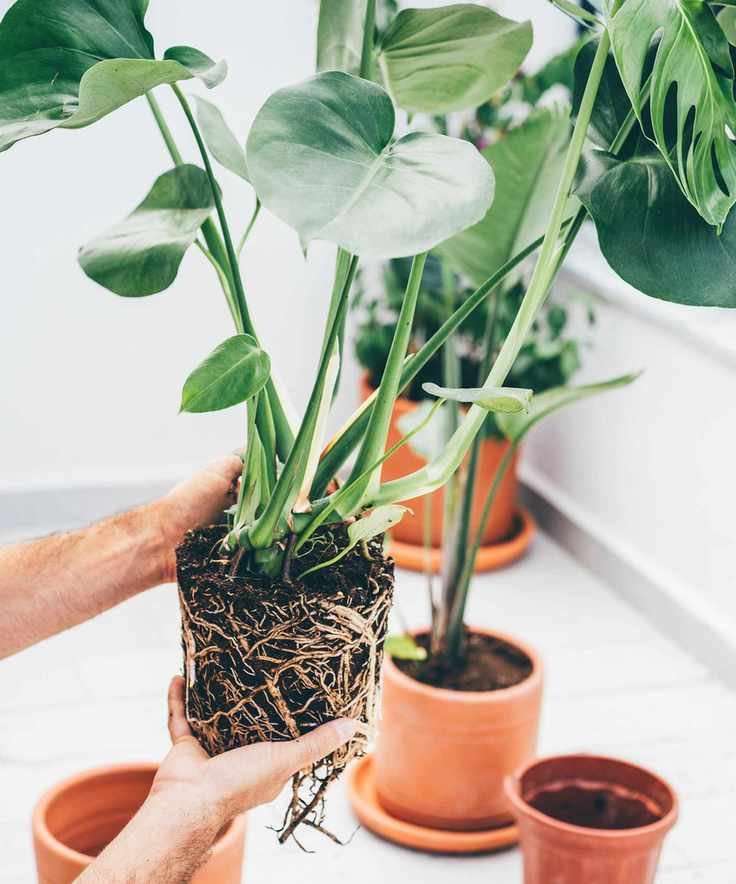
Repotting is a delicate process that should be done thoughtfully, regardless of the plant type involved.
Common mistakes include repotting too frequently or choosing the wrong pot size. Plants generally dislike having their roots disturbed, and doing so can stunt growth. Additionally, larger pots don't always promote better growth.
Kevin Cliff, known as Plant Papi, experienced this issue with his ZZ Plant. He realized he had repotted it in a pot that was too large, trapping excess water. Always check the roots before repotting.
Choosing the right soil mix is crucial, either by making your own or selecting specialized potting mixes, such as this houseplant mix from Amazon.

Kevin focuses on self-care and plants through his digital content, sharing his passion with a growing community.
10. Giving Up Too Soon

After making mistakes, it's crucial not to lose hope. Gardening involves learning and growing, often through trial and error.
John Clements, Director of Gardens at the San Diego Botanic Garden, shares that relocating a struggling plant can make all the difference. “If it’s not thriving where it is, try moving it just a few feet; it could transform its health. Don’t give up,” he advises.

With over 40 years in horticulture, John has extensive experience and shares his insights on plant care.
FAQs
How Can You Tell if a Houseplant is Stressed?
Stressed houseplants show signs like yellowing leaves, wilting, and stunted growth. Identifying the issue early is critical to save your plant.
What Are Signs of Overwatered Plants?
Yellow leaves, mushy stems, and wilting are primary indicators of overwatering. Inspect the soil and roots to confirm the issue and adjust your watering habits accordingly.
Staying clear of these common houseplant mistakes can help your indoor garden flourish. Remember to consider soil aeration and start with easy plants if you're hesitant about indoor gardening.



