

Sunflowers evoke memories of vibrant golden blooms reaching for the sky. Many of us recall planting sunflower seeds or admiring these towering flowers in gardens.
Today, sunflowers come in various colors, from rich reds to soft greens, with both annuals and perennials available. The 'Italian White' variety, for instance, features a subtle yellow hue that beautifully complements colorful flower beds.
While growing sunflowers is generally straightforward, mastering the art of pruning is key to maintaining their beauty all summer long. Here's what you need to know.
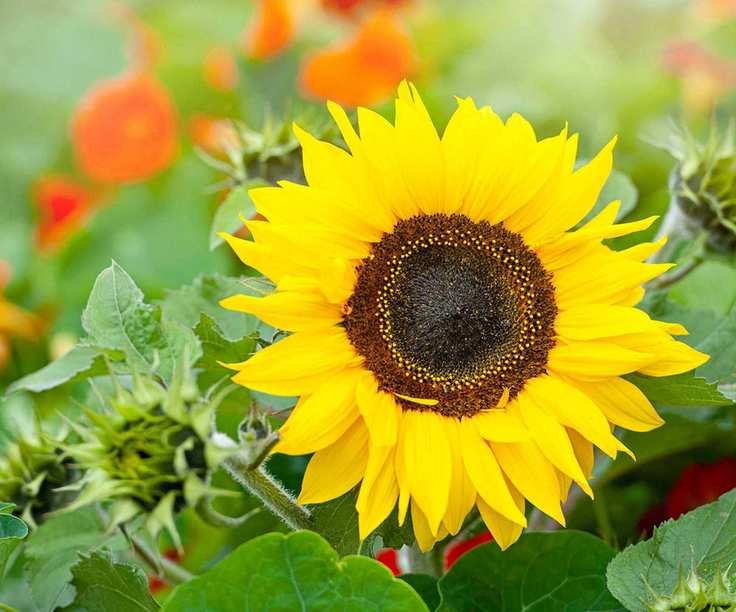
Annual sunflowers are easy to nurture and add height to your garden.
Pruning Sunflowers
Sunflowers can be classified as annuals or perennials, and you have the option to grow them from seeds or buy young plants.
Annual sunflowers, typically grown from seeds, last just one season and are often regarded as the classic sunflower, showcasing a single large flower atop a sturdy stem. These are usually cut back in the fall.
Perennial sunflowers, returning year after year, are generally smaller and produce multiple flowers. Proper deadheading and pruning ensure these plants bloom healthily and return annually.
Essential Tools
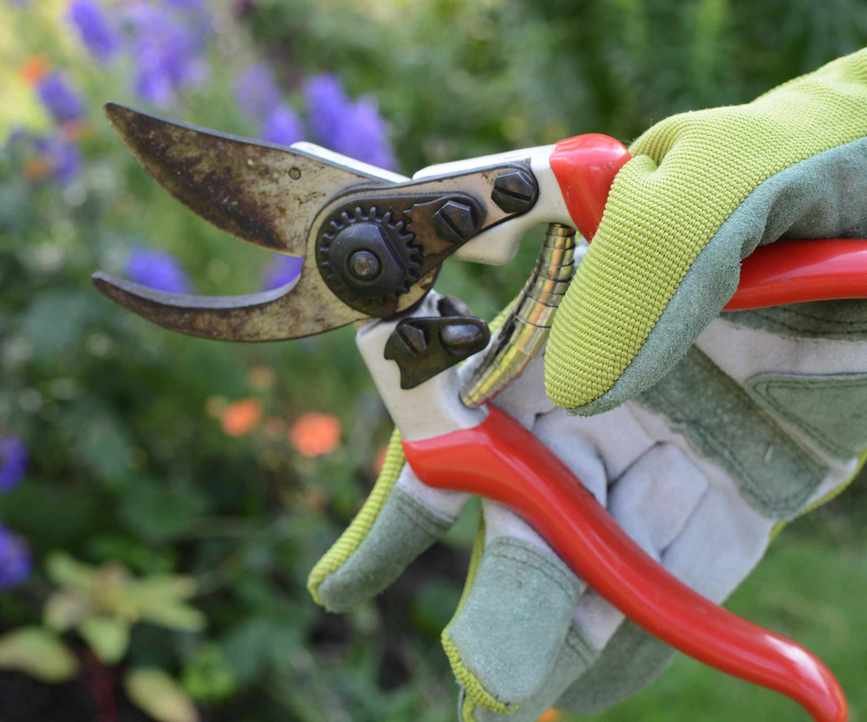
Always use sharp, clean pruning tools and gloves to protect your hands.
To prune your sunflowers effectively, all you need is a pair of sharp pruning shears, such as these Fiskars shears available on Amazon.
Wearing gloves while pruning is advisable to shield your skin from the prickly hairs on sunflower leaves and stems. I recommend these CoolJob gloves, available from Amazon, which offer a good grip and breathable material.
Ensure your tools are sharp and clean. Dull blades can crush stems, while dirty ones may transmit diseases. I recommend disinfecting your shears after use to remove any sap or pests.
Pruning Annual Sunflowers
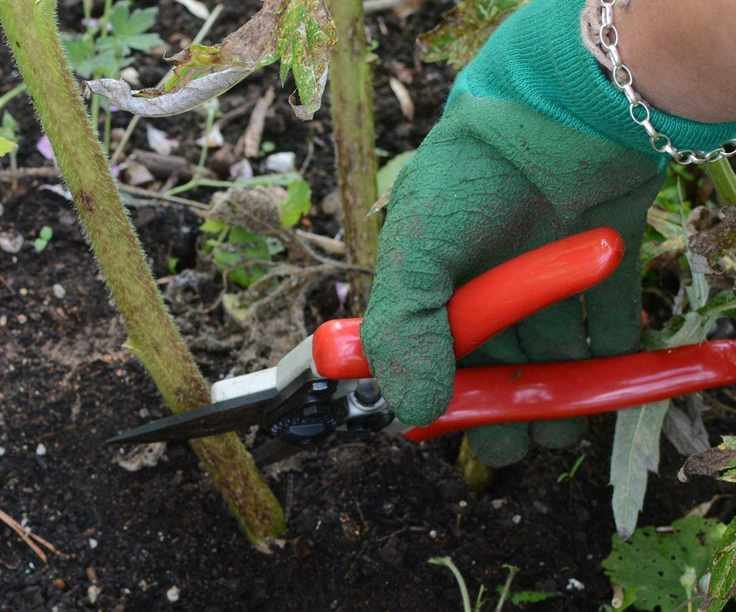
Cut annual sunflowers back to the ground in the fall.
Annual sunflowers are easy to maintain and an enjoyable plant for those gardening with kids.
These plants add height to your garden, with tall flowers providing a dramatic effect. They also attract wildlife, making them ideal for pollinators and birds that enjoy sunflower seeds.
Remove any dead or yellowing leaves as they appear, but leave the main stem and flower intact.
If you prefer a single large bloom, cut away any lower shoots and buds, directing all energy into one tall flower.
In fall, as blooms begin to fade, cut the stem down to the ground and add the trimmings to your composter to create homemade compost. Before doing this, collect seeds for feeding birds or for next year's planting.
Pruning Perennial Sunflowers

Regularly deadhead perennial sunflowers, removing any dead or diseased material.
Perennial sunflowers often produce multiple flowers on each stem, requiring consistent deadheading and pruning to promote healthy growth and blooms. This prevents stems from becoming too long and weak, which can be problematic in windy conditions.
Start by trimming any dead or dying stems so the plant can focus on new growth. Remove faded flowers to encourage further blooming. Cut them about an inch down the stem or just above a leaf node.
Take this opportunity to shape your sunflowers as desired, whether you prefer a natural look or a tidier appearance.
Once all flowers have faded in fall, prune perennial sunflowers back to the ground. Many varieties are hardy enough to survive winter if you apply a layer of mulch around their base, but avoid covering the crown as it may promote rot.
Common Questions
When should I start pruning sunflowers?
The primary pruning for annual sunflowers involves removing any side shoots if you want a tall single flower.
For perennial varieties, pinching out the soft tips at the end of each stem in spring encourages more side shoots and flowers. Avoid pinching later buds to prevent reducing flower production.
Begin pruning and deadheading your perennial sunflowers when the first blooms start to fade to maintain their health and appearance.
What if storms damage my sunflowers?
Assess the damage first. Tall annual sunflowers that are securely staked can usually withstand stormy conditions.
For any broken or damaged stems, cut them back. If it's early in the season, you might be fortunate enough to see new shoots emerge, though they may not be as robust as the originals.
If perennial sunflowers suffer damage, remove and compost the affected parts. New growth should appear soon.
Should I fertilize and water my sunflowers after pruning?
Proper feeding and watering during the growing season, especially after pruning, are crucial for keeping your sunflowers healthy and blooming.
Opt for a potassium-rich fertilizer like organic fertilizer available on Amazon to boost flower production.
All sunflower varieties are generally easy to grow and make stunning additions to your garden. Dwarf varieties can enhance summer containers and are also fantastic for cutting gardens, lasting beautifully in vases.
Remember that for annual sunflowers, leaving them standing in the fall allows garden birds to enjoy the seeds during winter.



