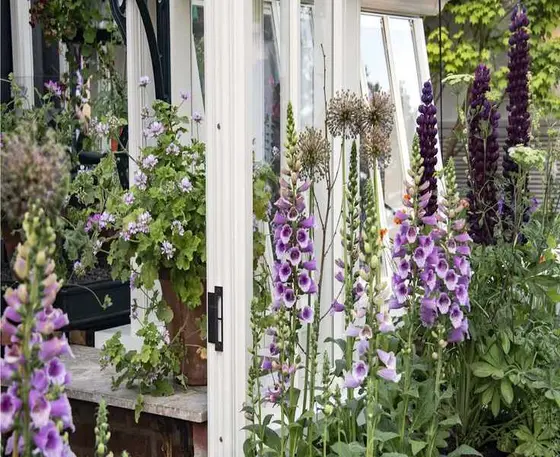
Pinching out plants, commonly known as 'pinching', can puzzle novice gardeners. Unlike the painful act of pinching someone, in gardening, it's a beneficial approach.
This straightforward technique is enjoyable for gardeners, as it promotes healthier plants and more blooms in your flower bed over time. Let's explore what it means to pinch out plants and how to do it.
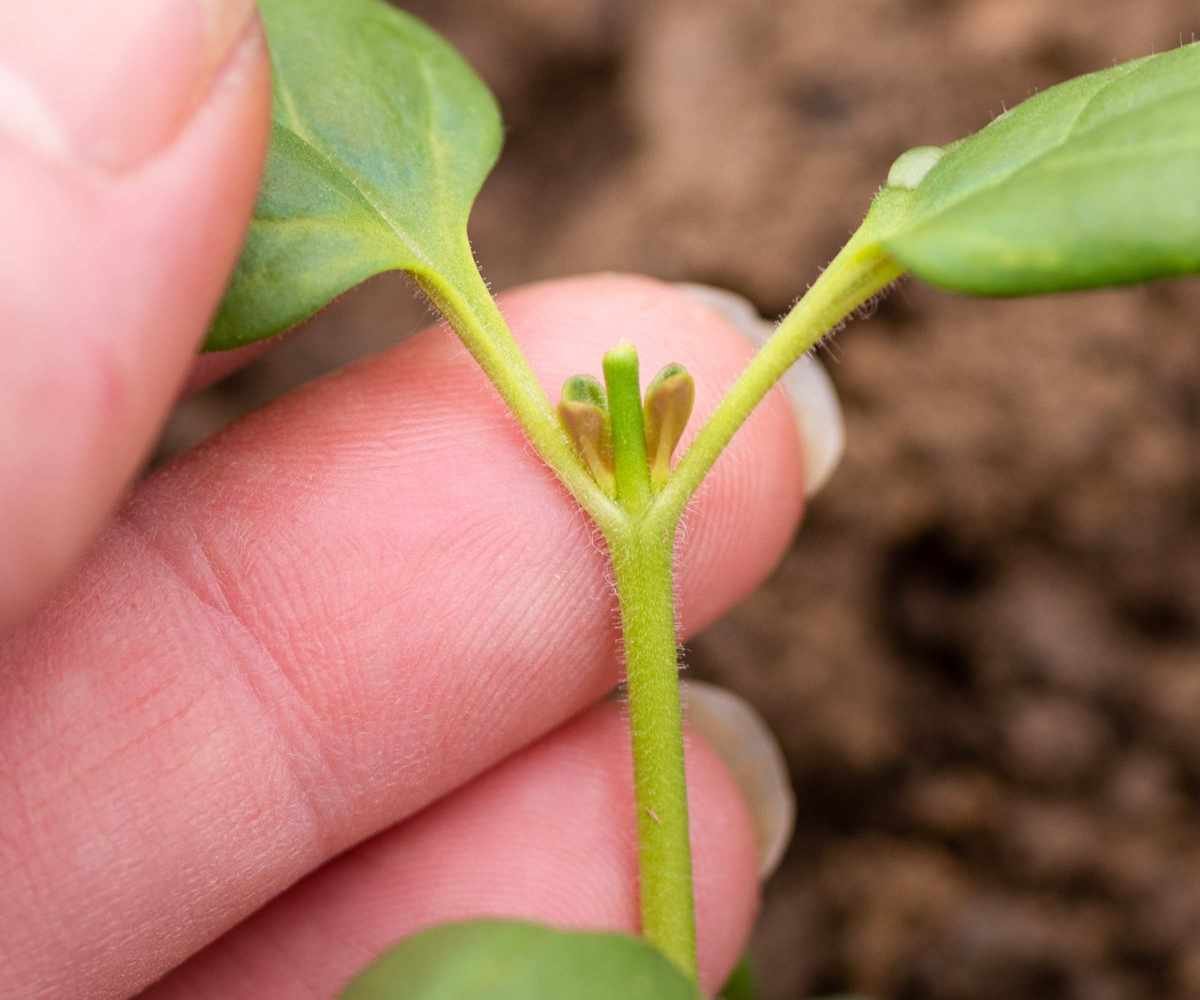
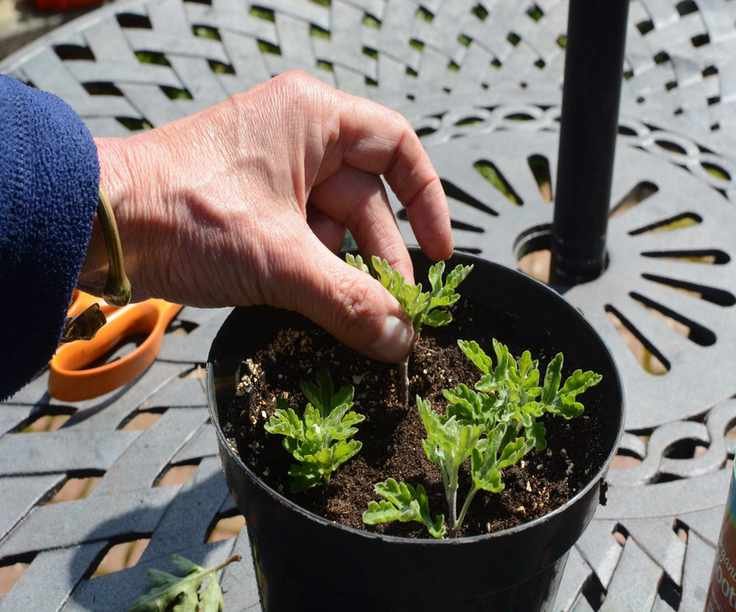
The pinched tip of a plant with new shoots emerging
What does pinching out involve?
Pinching out is among the simplest pruning methods available.
This technique is applied when plants are still young and thriving. By removing the growing tip, you encourage the plant to generate new side shoots.
More side shoots lead to an abundance of flowers and produce.
Which plants benefit from pinching out?

Chilli and tomato plants thrive with pinching and yield bountiful crops
Pinching out is beneficial for many herbaceous (soft-stemmed) plants in both the flower bed and vegetable garden.
This method is not suitable for woody plants like trees, shrubs, or climbers, which require different pruning techniques.
I apply this technique across various plants in my vegetable garden, including chili, cucumber, and tomato, as well as in my herb garden.
In my flower garden, I pinch out young plants propagated from seeds or cuttings, finding it particularly effective for cosmos, pelargoniums, and chrysanthemums.
I also pinch out dahlias when transplanting sprouting tubers in late spring.
Steps to pinch out plants

Pinching out means cutting the plant's single growing tip down to healthy leaf buds
Many find pinching out plants intimidating, but once you master it, you'll effortlessly cultivate lush, healthy plants.
Your plants will have a central growing tip at the stem's peak.
Below this, you'll see a pair of leaves or shoots on the main stem. Gently pinch the stem of the single growing tip down to this point.
If the plant is tall and leggy, you may need to pinch down to the second or third leaf pair, as illustrated in the image of pinching a chrysanthemum.
Within days, you should notice two new shoots appearing at the new growing tip, which will yield double the flowers or fruit compared to the original tip you pinched out.
When is the right time to pinch out plants?

Pinch out the flower tips of herbs like basil to maintain tender, flavorful leaves
Typically, plants are pinched while still young to encourage a bushier growth pattern.
You can also pinch them when they begin to develop flower buds.
This technique prevents them from blooming and setting seed, allowing them to focus their energy on robust growth.
For herbs like basil, this is a handy trick to keep their leaves tender and flavorful, as they become tough and bitter once they flower.
What to do with pinched shoots
Healthy pinched shoots can be composted, but some can be 'recycled' in your garden or even in your kitchen!
Utilizing broad bean plant tops
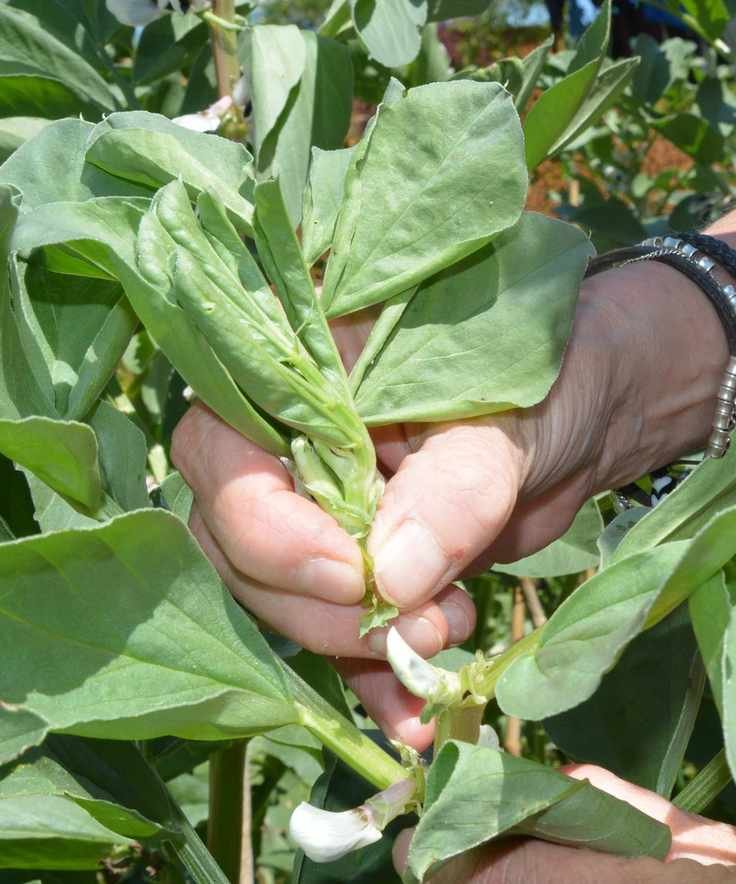
The soft tops of fava beans can be enjoyed as a spring vegetable
If you're growing fava beans, those soft tops become a delightful treat.
As soon as the first pods form near the base, pinch off the tender tops.
These can be steamed or added to stir-fries as a seasonal green, and they're delicious.
Removing them helps the plant concentrate on developing the beans, enhancing your harvest.
Using pinched tips as softwood cuttings
Using the pinched tips of chrysanthemums to create softwood cuttings
In early May, I pinched the tops of my chrysanthemums to encourage side stems for more flowers.
The cuttings were about 2 inches long, which I used as softwood cuttings—this technique can also apply to pelargoniums.
Avoiding common cutting mistakes will help you grow more plants successfully and at no cost.
Common Questions
Is it only the tops of plants that get pinched out?
No, we also pinch out tomato shoots that sprout at the 'shoulder' where the fruiting branches connect to the stem.
Removing these allows the plant to devote its energy to fruiting.
The pinched shoots can also serve as softwood cuttings, similar to the chrysanthemum example.
Should flower buds be pinched out?
When pinching the top shoots, it's common to remove a bud, but this will actually create more flowering opportunities for your plants.
Be sure to remove flower buds from overwintering summer bedding plants, such as pelargoniums, if they begin to form too early in the season.
Leaving the buds can cause the plant to focus on flowering instead of strong growth.
Many worry about perfecting the pinching process, but once you learn it, it's an easy task that greatly benefits your plants.