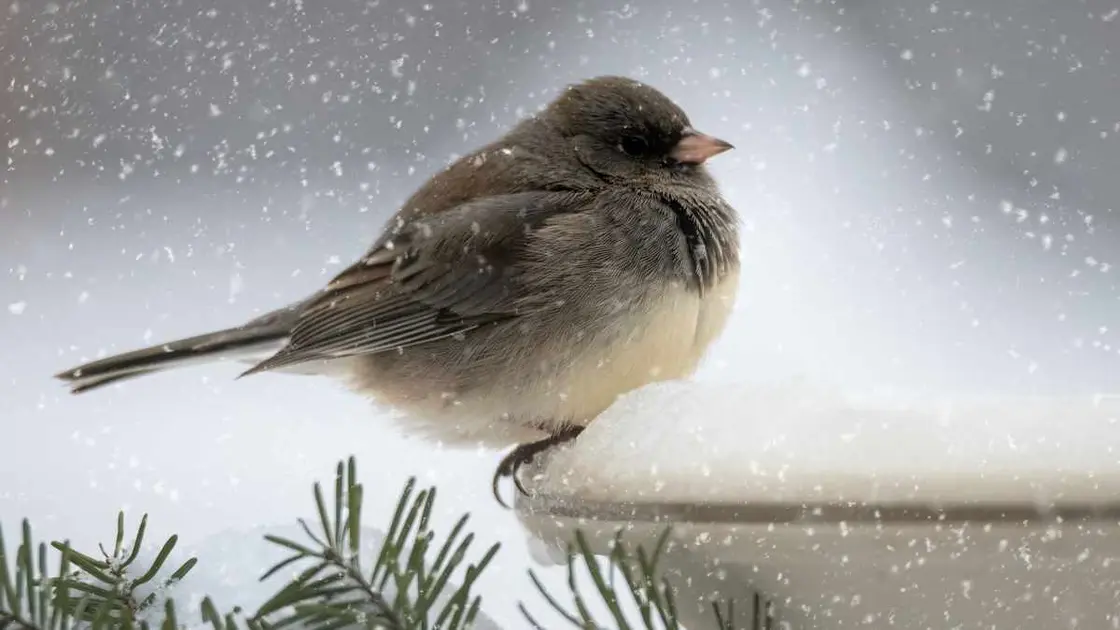
If you regularly invite wildlife into your yard, now's the time to consider how to assist visiting birds when food and shelter are limited.
Birds, like all animals, require shelter, water, and food to survive. By ensuring these essentials are available, you'll keep them thriving through winter and encourage their return when spring arrives.
Here are seven effective ways to assist your feathered companions as the colder season approaches.

7 Effective Ways to Assist Backyard Birds This Winter
Supporting local birdlife can be incredibly fulfilling and contributes to enhancing biodiversity in your garden.
1. Create a Safe Shelter

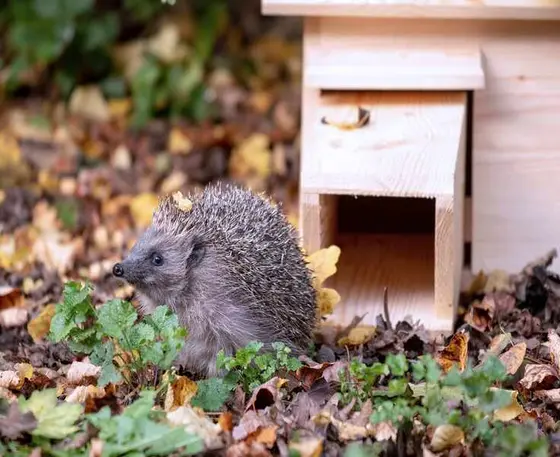
Installing a birdhouse is an excellent way to provide a safe haven for birds during winter. This birdhouse from Walmart serves as a great example. You might also explore natural alternatives.
“While birdhouses can be purchased or constructed, they serve as substitutes for natural habitats, like dead trees or snags,” explains horticulture expert Jennifer Nichols. “If you have a dead tree, remove any hazardous branches and let the trunk remain. This not only provides shelter but also attracts birds like chickadees and woodpeckers searching for food.”
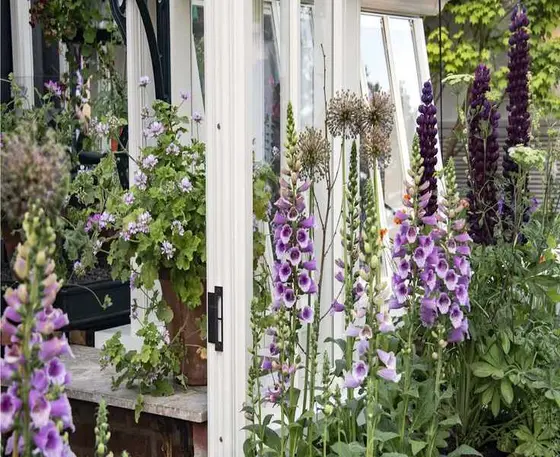
Incorporating a mix of shade trees, evergreens, and shrubs can also invite diverse bird species to your garden, offering them nesting and perching opportunities.
2. Offer Fresh Water
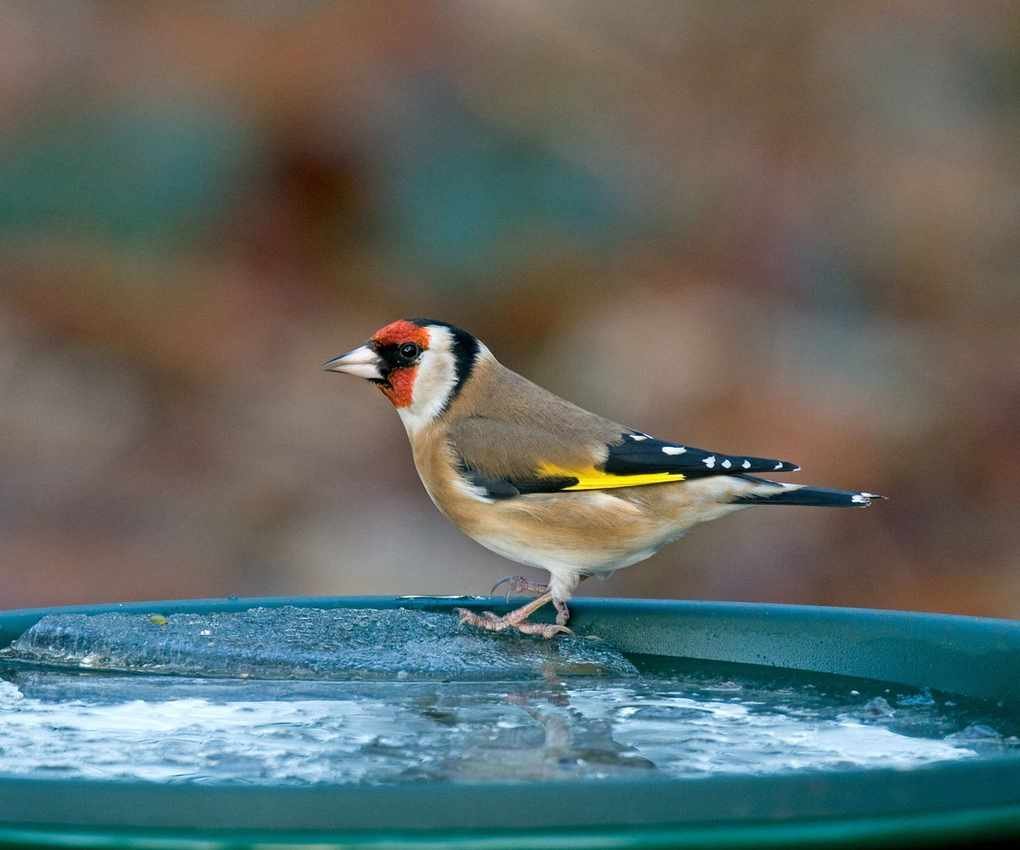
Providing a fresh water source for birds is crucial during winter. Consider adding a birdbath, small fountain, or even a pond to your yard.
Keep the birdbath clean and prevent it from freezing over by placing a cork or similar object inside. If you live in a colder climate, a heated birdbath can ensure water availability.
“In Pennsylvania, a heated birdbath during freezing temperatures significantly benefits the birds. They flock to water sources, rewarding us with their presence while we observe them indoors,” shares Jennifer Nichols.
3. Offer a Variety of Foods

Ensure your bird feeder is stocked with a range of nutritious items, including seeds, suet cakes, and nut mixes, as these high-fat foods are perfect for winter nourishment.
You can also make natural bird feeders using pinecones and oranges.
“Offering diverse food options attracts a wider variety of birds,” advises Nichols. “Thicker-billed species like cardinals enjoy seeds and nuts, while others prefer fruits and insects. Some, like orioles and wrens, thrive on soft foods, suet, and mealworms.”
Walmart's nut, fruit, and berry mix is excellent for winter feeding.
After heavy snowfall, clear any snow off your feeders and scatter seeds on the ground for birds that forage below.
4. Place Fat in Accessible Areas
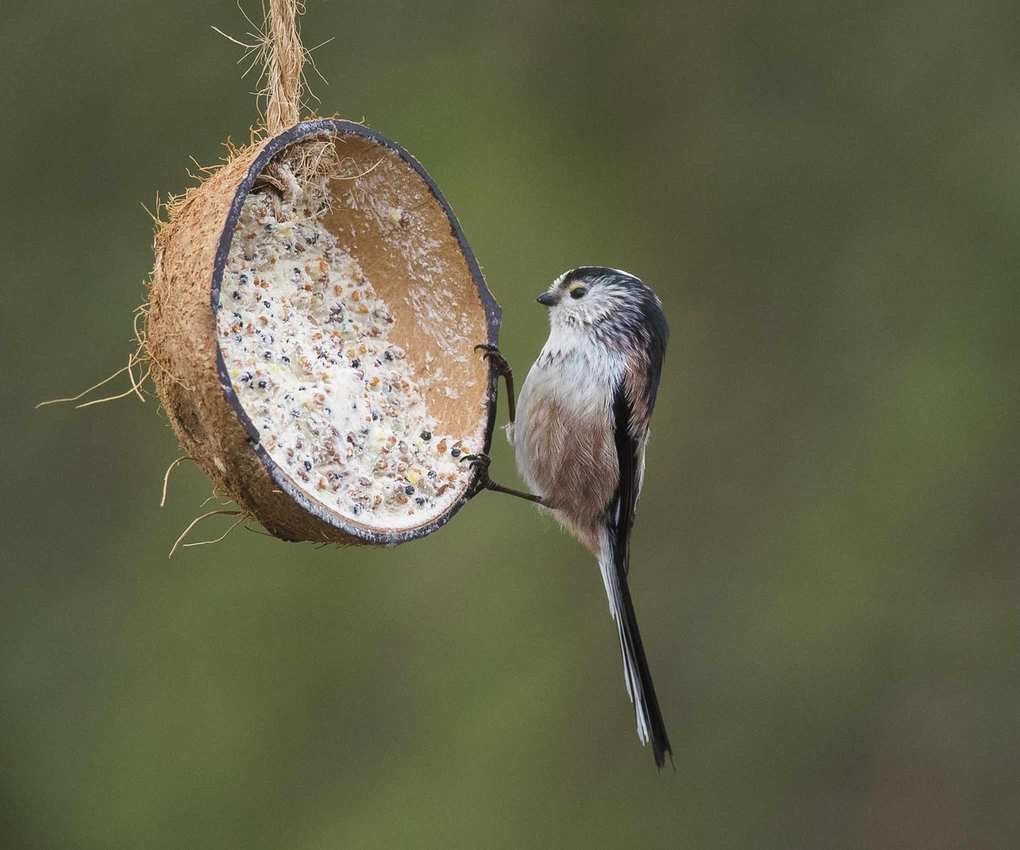
Position bird feeders in safe locations to protect them from predators. However, some birds may not naturally forage high up and appreciate some extra help.
Consider rubbing fat on tree bark, as species like goldcrests will search around the trunk and benefit from this energy source.
5. Plant Native Shrubs
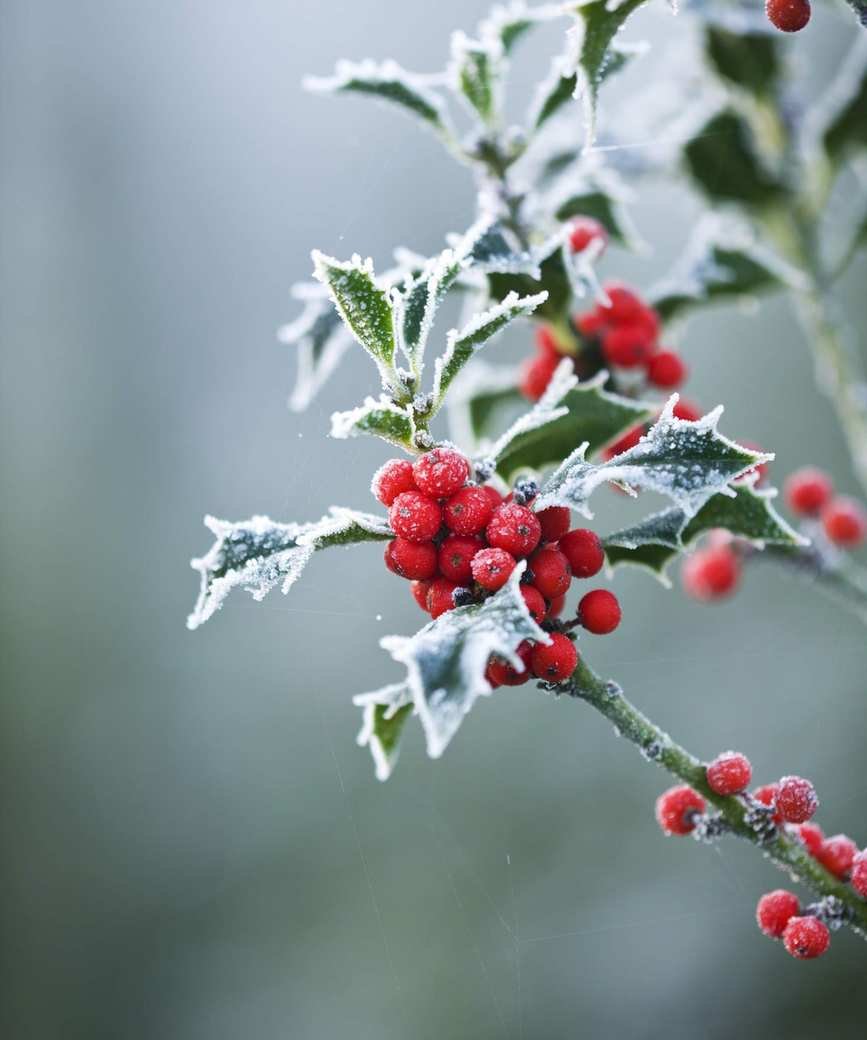
Native plants can attract birds by providing them with berries, seeds, and fruits throughout winter.
Top choices include beautyberry, elderberry, holly, hawthorn, and viburnum. Crabapple trees also serve as a great winter food source, offering fruit that lingers into the cold months.
6. Position Feeders in Safe Locations

When placing a bird table, position it near hedges or large shrubs, giving birds a refuge from predators and harsh weather.
For hanging feeders, using evergreens is ideal since they provide year-round shelter. Ensure they’re placed high enough to be safe from roaming pets.
7. Create a Log Pile
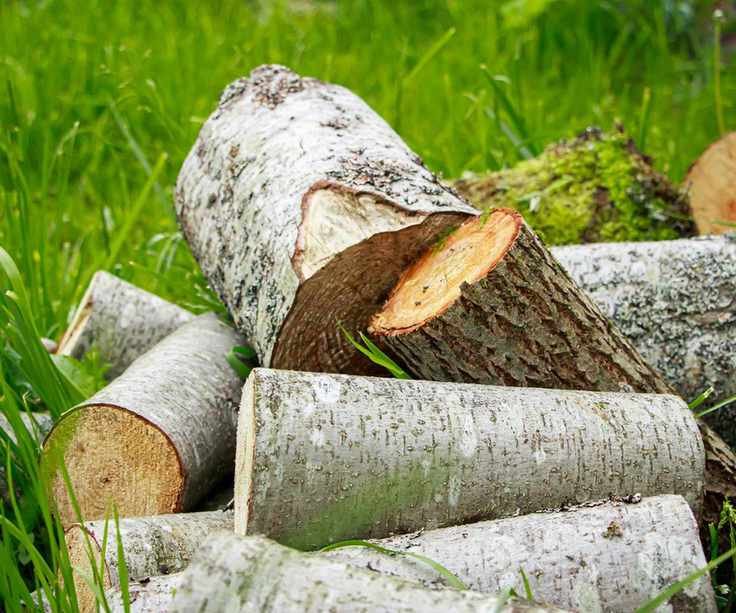
Log piles can attract birds like wrens as they search for insects in the winter. You can also leave leaf piles or clusters of sticks and pinecones. These can create natural feeding areas for insects and, in turn, attract birds.