
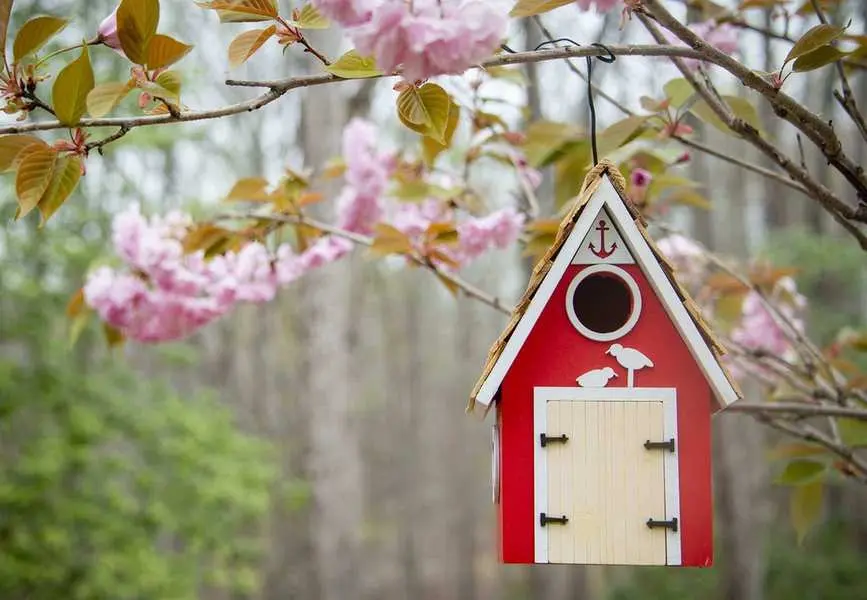
Enhancing your garden with bird house ideas is essential for every gardener. Providing a safe haven for birds allows them to raise their young, contributing to the preservation of their species.
A bird house is a vital element of any wildlife-friendly garden. Though they can be installed year-round, the best time is late February, as birds begin searching for nesting spots.
'Different species have unique requirements for nest boxes. If you want to attract specific birds, explore online plans or purchase reputable nest boxes,' advises an expert.
Creative Bird House Concepts
We're all familiar with the basic bird house featuring a rectangular shape, sloped roof, and small entrance. However, this traditional design suits only some birds, particularly those nesting in tree cavities. To cater to more visitors, consider cup-shaped nesters for swallows or platforms for hummingbirds. Don't forget to look into bird bath options for extra appeal.
1. Choose a Traditional Bird House
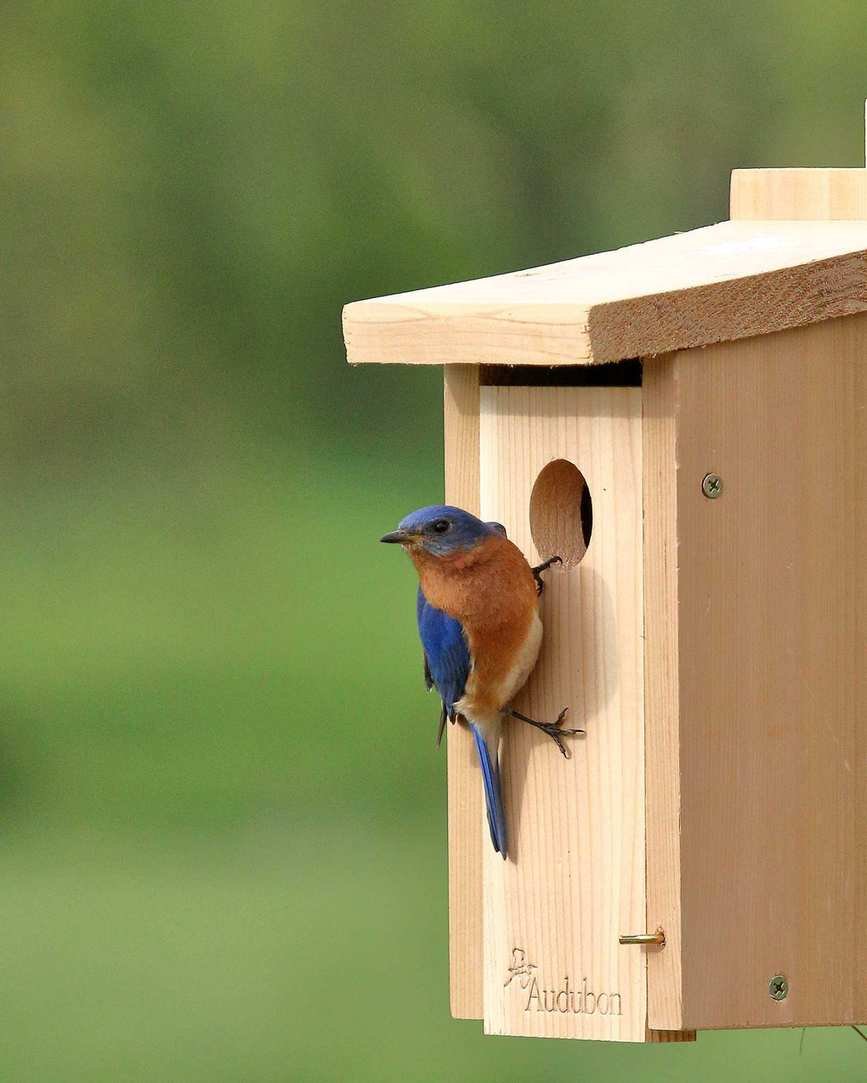
A classic bird house is an excellent choice for your garden. It provides a welcoming space for wrens, bluebirds, purple martins, and others, making your yard more inviting for birds.
'Wood is ideal for bird houses, especially if it's rough. While painting the exterior can help protect it from the elements, the interior should remain untreated,' explains a design director. 'Don't forget to drill small ventilation holes of about ⅛ to ¼in (3 to 6mm) in diameter.'
2. Select Open Nest Boxes for Blue Jays and Robins
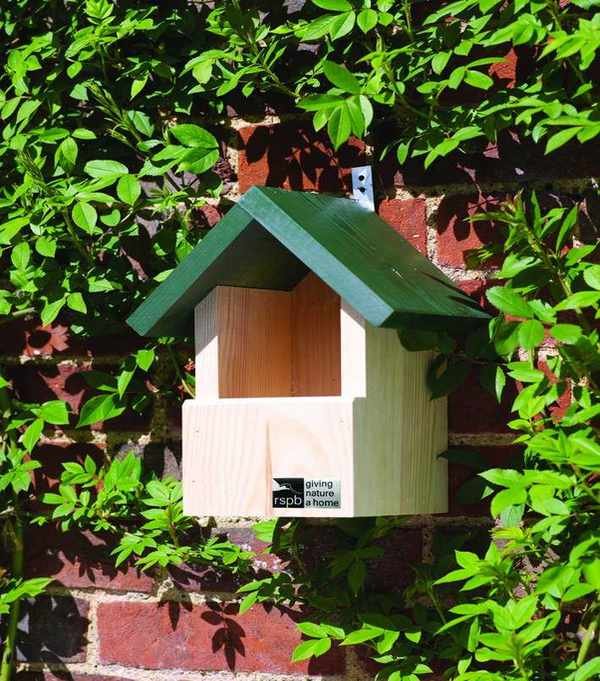
Blue jays, American robins, and doves prefer open-style nest boxes. Unlike traditional designs, these have a half side at the front.
Proper placement is crucial due to the open-front design. In a video for BBC's Gardener's World, an expert suggests a secluded spot with good access, like behind a rose bush. Protecting the nest box from wind and harsh weather is vital, as eggs and chicks are more vulnerable.
3. Use Metal Plates for Extra Protection
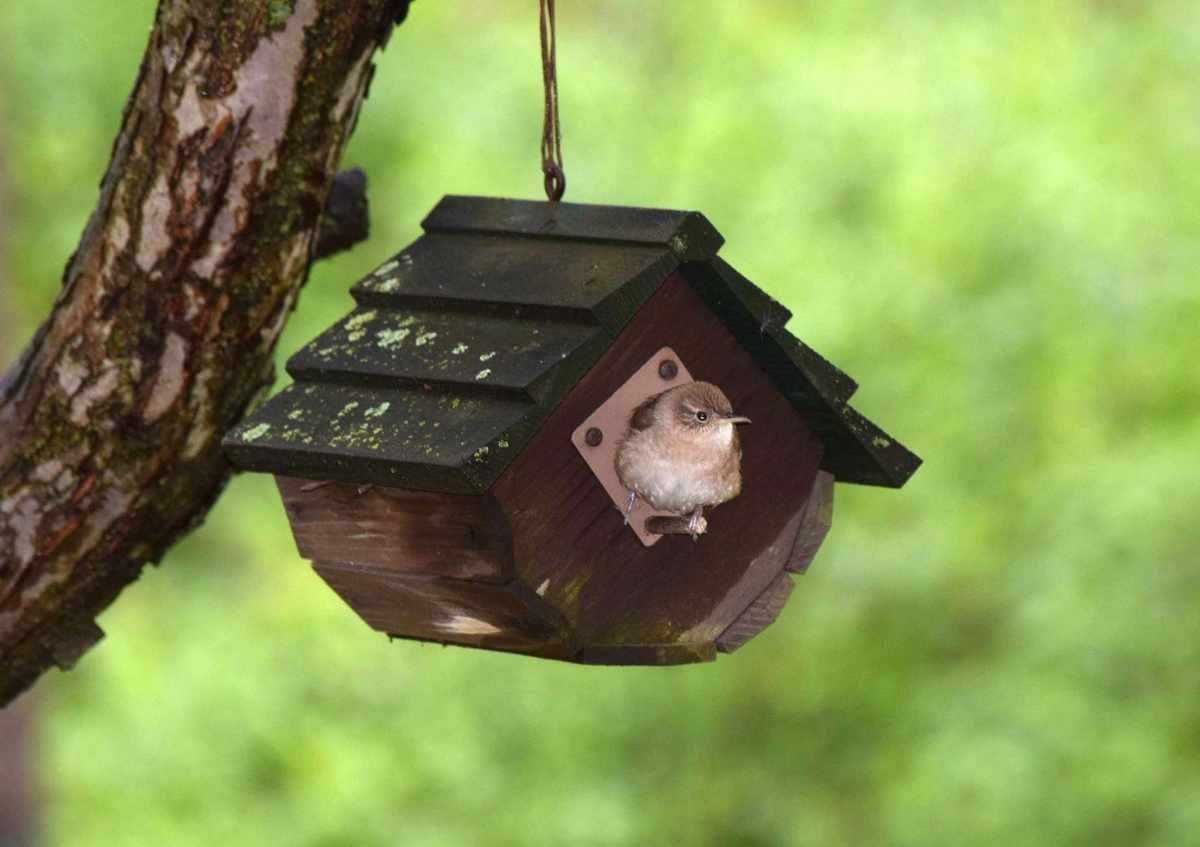
When adding bird houses, ensure they're safe from predators. A hidden location away from strong winds and direct sunlight helps maintain a stable temperature. Placing them in tree foliage or hedges can provide security.
Predators aren't just mammals; other birds can also pose a threat. 'Woodpeckers may bore into nests to access young birds,' an expert explains. 'Using a metal plate around the entrance can offer additional protection.'
4. Incorporate Swift Nesting Bricks
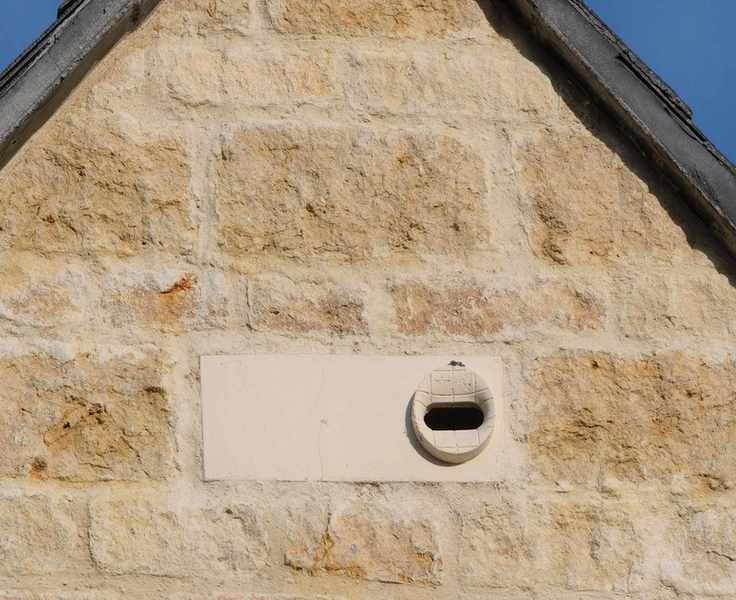
The swift population has declined significantly due to a lack of nesting sites. These birds are picky and prefer specific conditions for nesting.
Swift boxes can be added to the eaves of your home or shed, as long as they're at least 16ft (5m) off the ground. These boxes feature a lozenge-shaped entry hole that allows swifts to enter while keeping starlings out. They also have an internal nest cup to encourage swifts.
If you're constructing a new home, consider installing swift bricks high on the walls. These bricks have an entry hole that leads to a cavity for nesting.
5. Consider Nesting Pockets
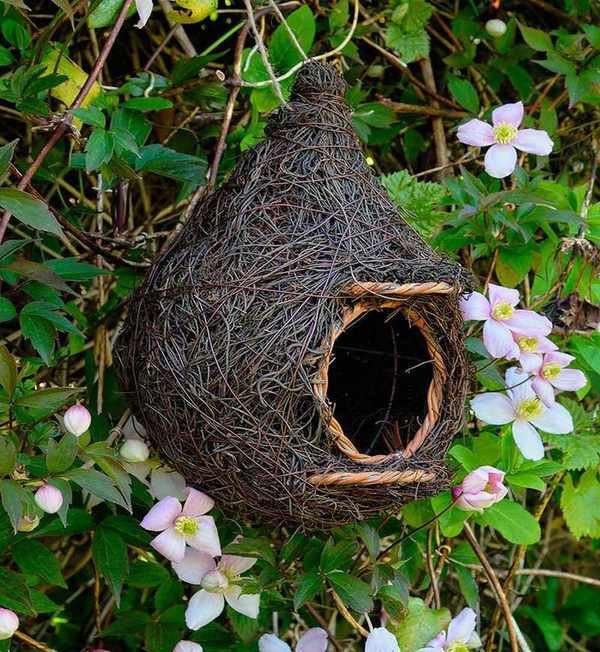
Nesting pockets, also known as roosting pouches, are made from natural plant fibers. While traditional bird houses focus on nesting, these pockets serve as resting spots for birds, offering shelter from the elements.
6. Explore Hanging Bird Houses
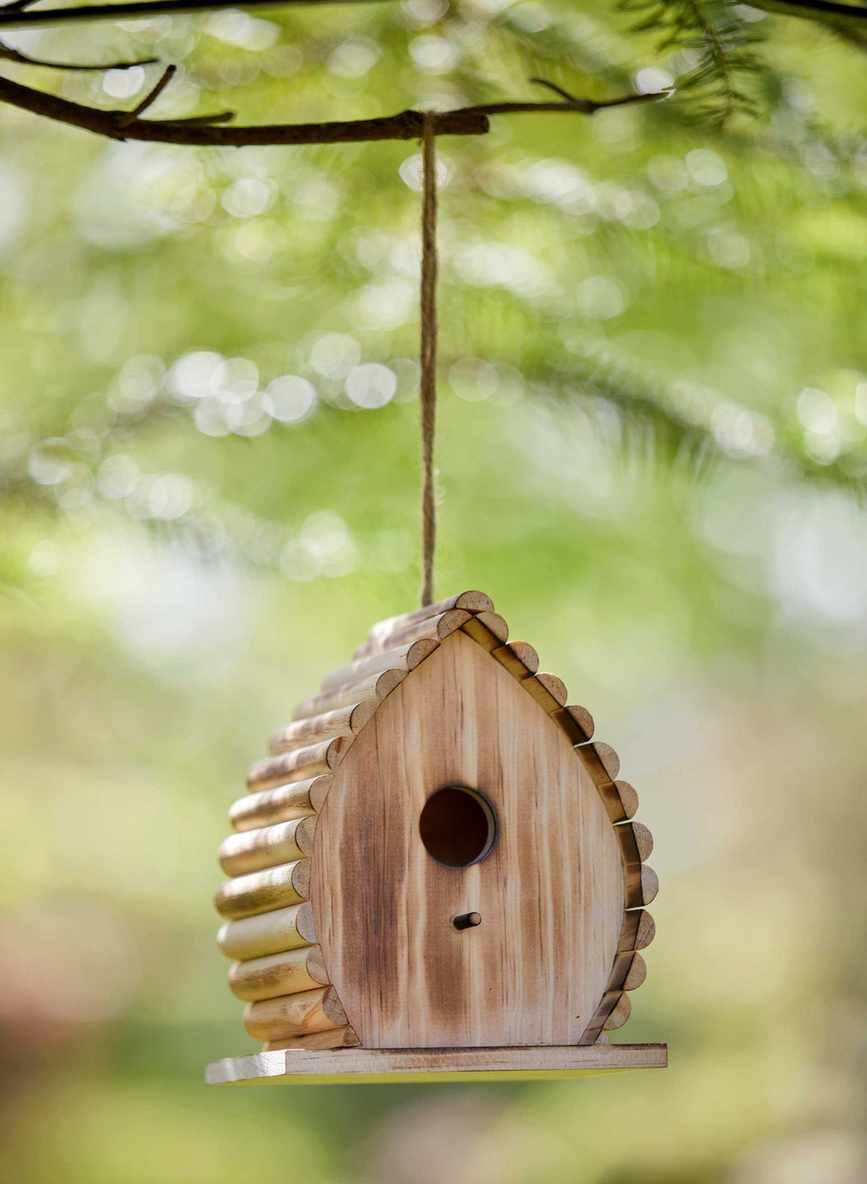
Hanging bird houses are a great alternative to fixed designs. Instead of attaching them to a tree or post, these are suspended from branches or brackets.
Hanging houses offer numerous advantages, including increased safety from predators and cooler temperatures due to shade. Installing them high up helps fledglings reach trees without spending time on the ground.
7. Use Cup-Shaped Nests for Swallows
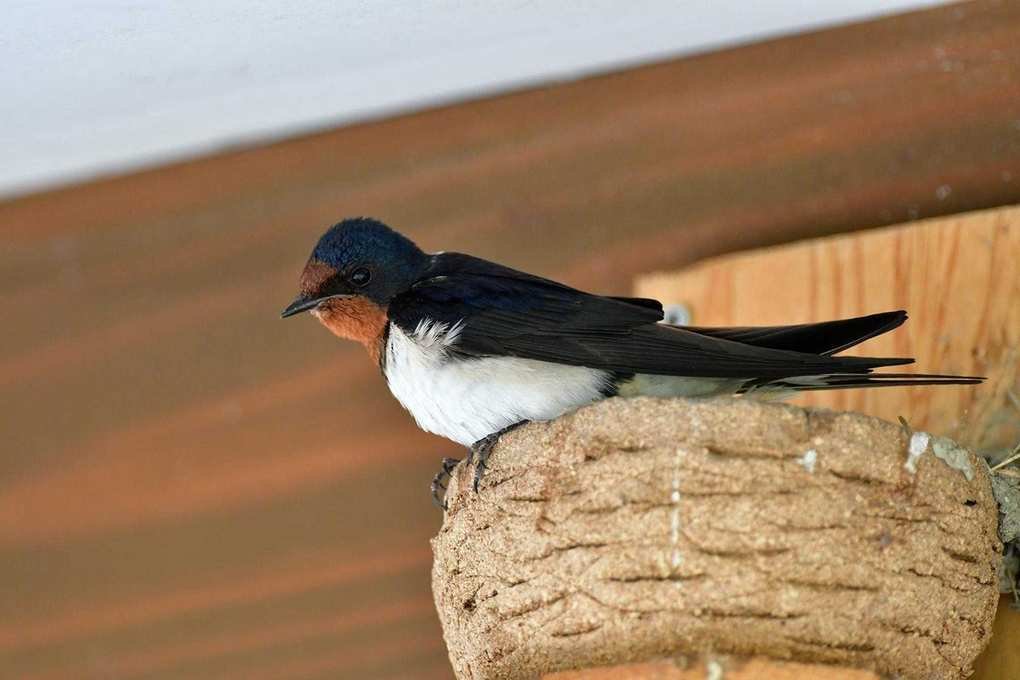
Swallows create unique nests from mud, grass, and feathers, often attached to barn eaves or cliffs.
Due to modern buildings, swallows face challenges in finding suitable nesting sites. Installing cup-shaped terracotta nests on your front porch or outbuildings allows swallows to attach their nests.
Position the cup at least 2.4in (6cm) above the entry point, and maintain 3.2ft (1m) distance between multiple nests.
8. Provide Woodpecker Nest Boxes
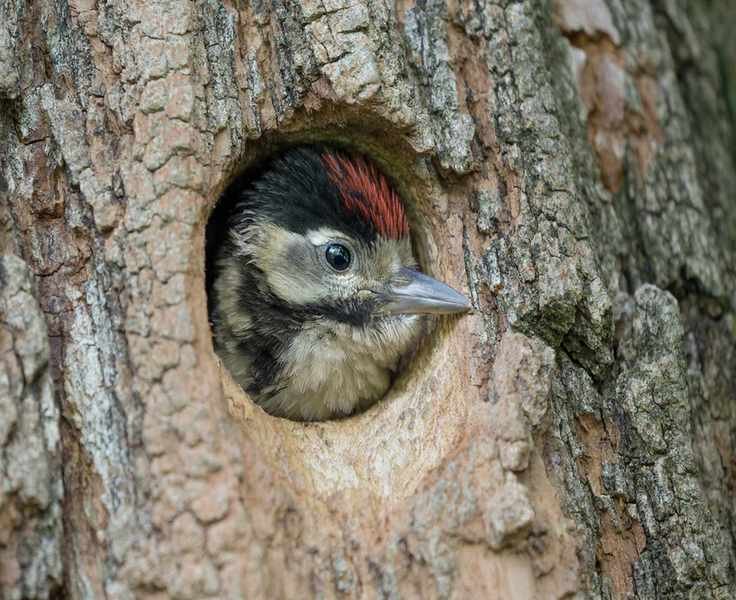
Woodpeckers typically create their nests by boring into trees, which can damage them. Offering woodpecker nest boxes can help reduce this damage while providing birds with shelter.
A woodpecker box resembles a large hollow log with a small entrance. These boxes are designed to let woodpeckers start their nests without causing harm to trees.
9. Add Hummingbird Nest Builders

Hummingbird nests are incredibly small, often constructed from cobwebs and moss.
Consider incorporating a hummingbird nest builder, featuring spikes for securing nests. These builders help protect hummingbird eggs and nestlings from wind.
10. Small Bird Houses for Chickadees
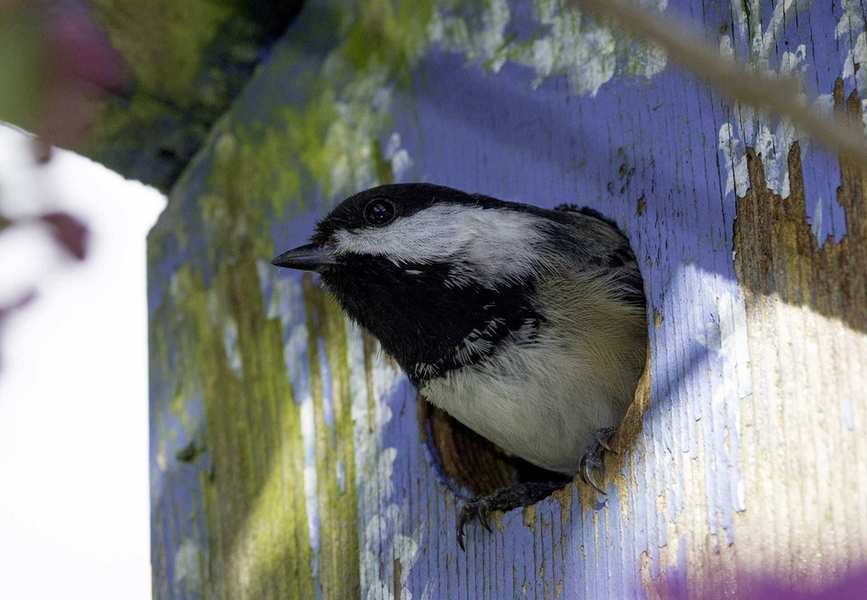
For chickadees, the dimensions of the bird house matter. The entry should be 1.125in (2.9cm) wide, located 4 to 6in (10 to 15cm) above the floor of the box, which should measure around 8in (20cm) tall and 5in (13cm) deep.
'Position your box 5 to 15ft (1.5 to 4.6m) off the ground, away from strong winds,' suggest experts. 'Adding an inch of wood shavings to the bottom can make it inviting for chickadees.'
Painting Your Bird House
Painting isn't mandatory for bird houses. 'Untreated wood mimics natural nesting environments well,' an expert notes.
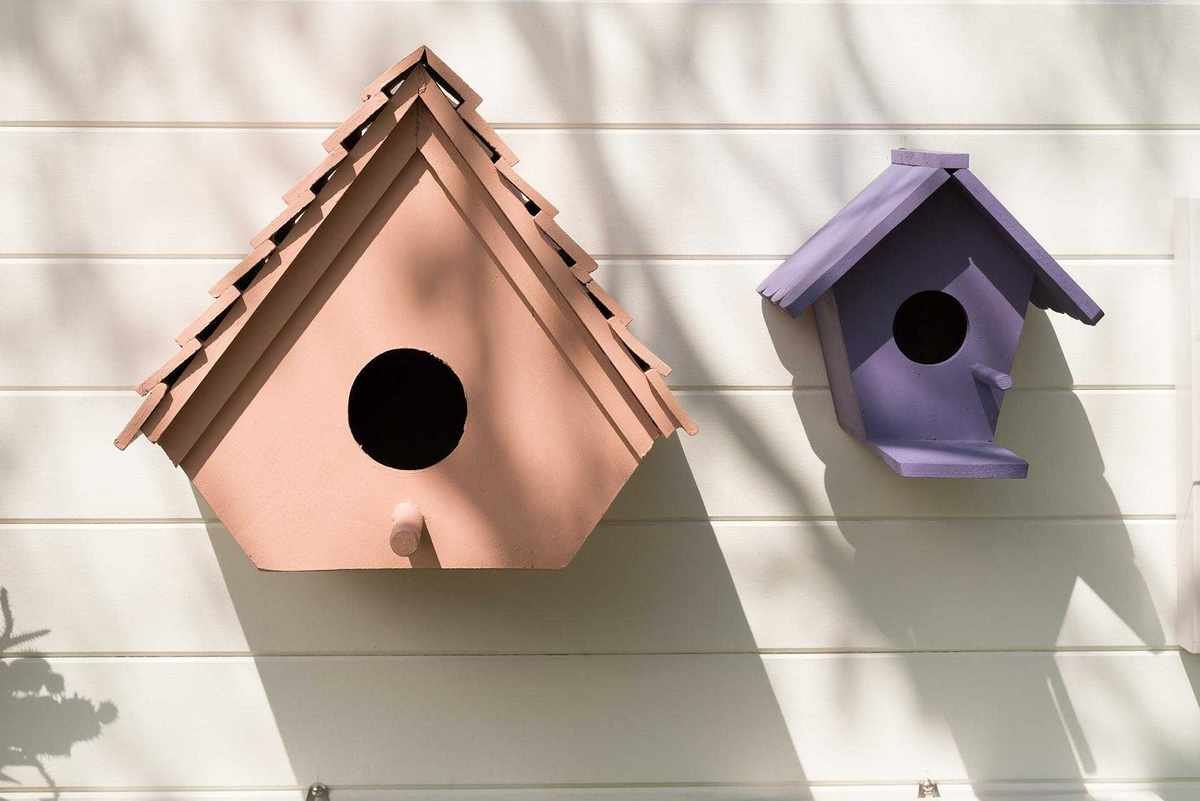
However, if you want to enhance aesthetics or blend it into your garden's color scheme, choose wildlife-safe paints like water-based or latex options. Avoid dark colors that can lead to overheating.
Painting can also prolong the life of bird houses by reducing mold and water damage. 'While untreated hardwoods like cedar endure weather well, softwoods like pine can rot quickly when wet. A coat of paint will help protect them,' adds the expert.
Best Materials for Bird Houses
Wood remains the top choice for bird houses, providing breathability and sustainability. 'Materials like plastic can trap moisture, leading to unhealthy conditions for nestlings,' one expert explains.
However, for half-cup swallow nests, materials like terracotta or resin are preferred, while swift bricks require foamed cement with solid facing.
Ideal Placement for Bird Houses
Choosing the right location for a bird house is crucial. 'Position nest boxes at least 66ft (20m) from feeders to minimize disturbances, and near natural shelter like shrubs or low branches,' suggests an expert.
Direction matters too. Avoid placing bird houses in direct sunlight. 'The best locations are sheltered north or northeast aspects,' they advise.



