

When designing a garden, selecting the right color schemes is crucial. Color can transform the atmosphere of your outdoor space, whether you aim for soothing soft hues like muted greys, purples, and blues, or vibrant shades of red, orange, and lime green.
Thoughtful color choices, alongside texture and form, are the foundation of successful garden design.
From bold color combinations to serene white garden ideas, there are countless possibilities for integrating color into your garden.
Garden Color Schemes in Your Overall Design

Viewing garden color schemes as part of a cohesive design that encompasses texture and structure is essential. Understanding how to apply various colors effectively will enhance the overall impact of your garden.
“Creating a mood board with your favorite color palettes can be helpful,” suggests renowned landscape designer Dan Pearson. By exploring the different shades of blues and their transitions into blue-greens and blue-purples, you can arrange complementary colors in an appealing manner.
Additionally, consider how light interacts with your garden, as the interplay of sunlight and shadow alters color perception throughout the day.
“Light and color are fundamental in garden design,” says garden designer Charlotte Rowe, emphasizing the transformative effects of light on color appearance.
Using Color Schemes to Establish Mood

Color greatly influences the mood and ambiance of your garden, so choose your palette wisely.
“Whites can evoke calmness, particularly when paired with plants like cow parsley, clean whites, or those with subtle cream or yellow notes,” explains Dan Pearson. This approach ensures the space feels restful.
Utilizing colors to establish different moods enhances the sensory experience of your garden. “Blue instills tranquility, particularly in shaded areas, while reds inject energy and should be used judiciously,” Dan adds.
Garden designers often suggest a limited palette, typically green alongside two additional colors. Whether selecting summer bulbs or late summer flowers, a focused palette can yield stunning results.
“While a riot of colors can be exciting, it’s generally safer to keep your color range limited,” advises Charlotte Rowe, recommending neutral colors for structures like fences and trellises to avoid clashing with plant colors.
Starting with Green in Your Color Choices
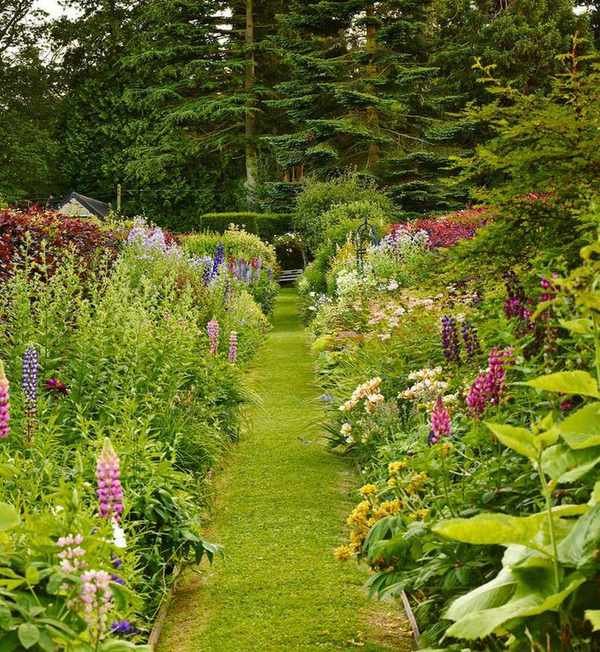
Don’t overlook the color green in your garden.
“Green is the most essential color in landscape design,” states Dan Pearson. It provides a calming backdrop and connects us to nature.
Michelle Brandon, a designer specializing in therapeutic gardens, agrees, noting that gardens don’t need to be overly colorful. “Green tones, from dark holly greens to vibrant lime greens, offer variety and energy,” she adds.
“I often create spaces that are predominantly green, as it allows for tranquility,” Dan explains. Incorporating evergreen shrubs and climbers can soften boundaries while contrasting beautifully with other colors.
Color Schemes for Zoning Your Garden
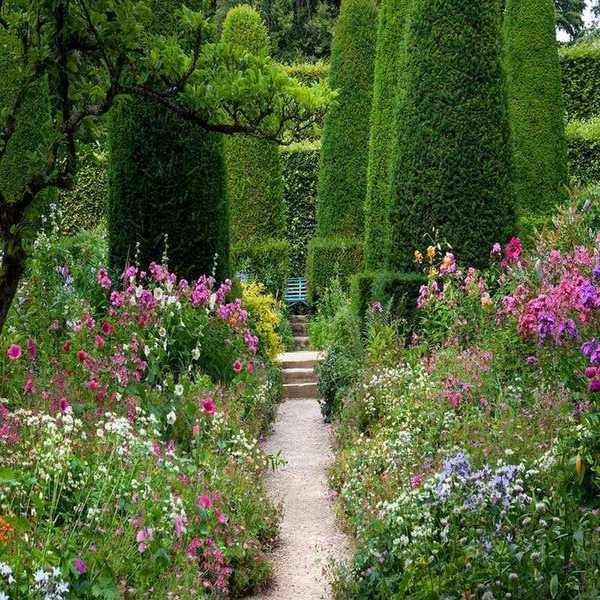
Utilizing distinct color ranges and planting styles in different garden zones enhances the overall character and experience. However, foundational decisions must be made first.
Pip Morrison, a landscape architect, emphasizes that color choices often come after establishing the garden's layout. “Color has the most immediate impact, so zoning with color is essential,” she notes.
“Think of adjectives to describe the desired atmosphere,” suggests Pip. These defining words will guide you in maintaining a cohesive design throughout.
Planning Color Schemes for Borders

Achieving a stylish garden color scheme often involves restraint and repetition. Understanding how to plan a flower bed and utilizing the color wheel can create harmony in planting.
“We focus on simplicity and rhythm in our designs,” says designer Alistair W Baldwin. “Repetition of one or two dominant colors can unify the garden theme effectively.”
Color Transitions in the Garden

“In my garden, I have designated 'color fields,'” explains Dan Pearson. “As you navigate the space, colors shift. The garden's center features vibrant reds and greens, while further in, these are replaced by oranges and softer shades.”
Contemporary Garden Color Schemes
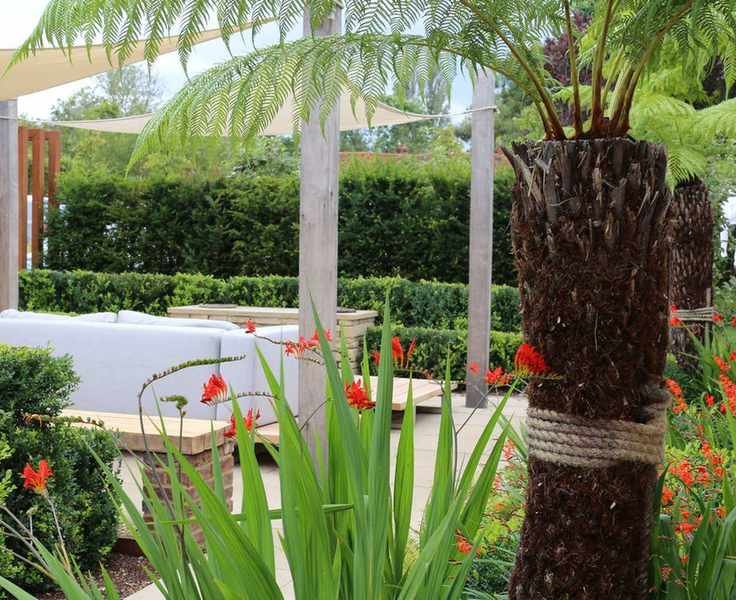
In modern gardens, color schemes can be anything you desire. “There are no strict rules in contemporary design,” shares Patricia Fox. Embrace creativity and add unique elements to your space.
This courtyard showcases bold orange crocosmia against a backdrop of evergreen hedging, harmonizing with the neutral tones of Corten steel and other materials.
Choosing Complementary Colors
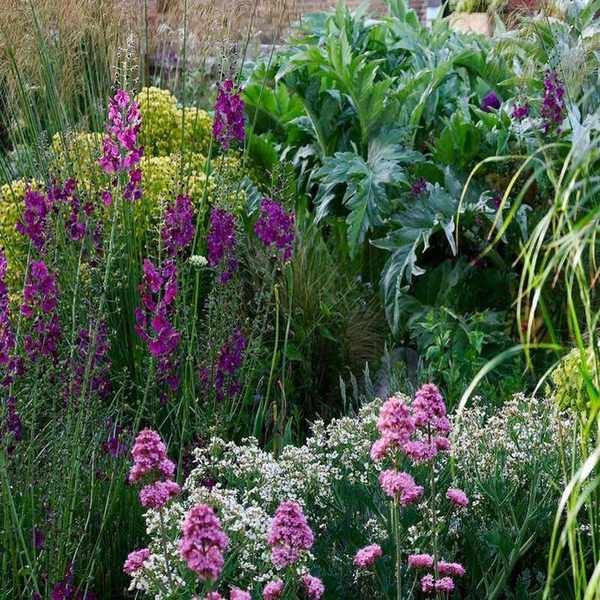
To determine which colors work well together, first, define the mood you want to create in your garden.
“Consider whether you prefer bright, energizing colors or a calming pastel palette,” suggests Sue Townsend. Creating a mood board can help visualize how plants will appear together.
“Combining colors with close associations can enhance drama in your garden,” says designer Jane Brockbank. Think in terms of warm or cool color pools to create exciting combinations.
Planning Your Garden's Color Scheme
The color wheel is a valuable tool for organizing your garden palette, allowing for harmonious selections and contrasts.
“Primary colors—red, yellow, and blue—are the foundation,” explains Andrew Wilson, a color expert. Mixing these colors with secondary and tertiary hues can lead to lively combinations.
Coordinating Colors with Plants
Choosing colors that complement your plants, whether on exteriors or walls, is vital for achieving the desired aesthetic.
Natural materials, like stone or timber, help showcase blooms beautifully. For dramatic effects, select backdrops that enhance your planting.
Avoiding Overly Colorful Gardens
Too many contrasting colors can detract from the garden's appeal. “A balance of contrast is essential, but avoid overwhelming combinations,” advises Dan Pearson.
Instead of large color splashes, opt for subtle accents. This ensures a serene and visually appealing garden.



