
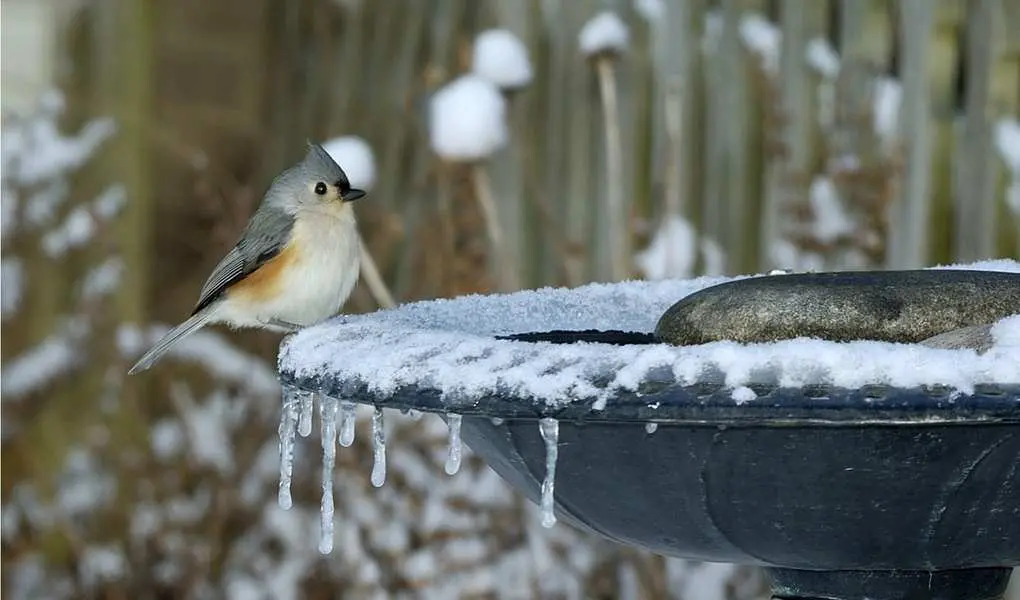
To ensure your feathered friends thrive throughout the winter, it's essential to take steps to prevent your bird bath from freezing. Birds require fresh water daily, and during colder months, finding it can be challenging.
While it might seem easier to let your bird bath thaw naturally, doing so can deprive birds of crucial hydration during the shorter daylight hours. Maintaining a frost-free bird bath is vital for their winter care.
According to conservation experts, the decline of bird populations is a pressing issue, largely due to habitat loss. Therefore, supporting garden birds during winter is more important than ever.
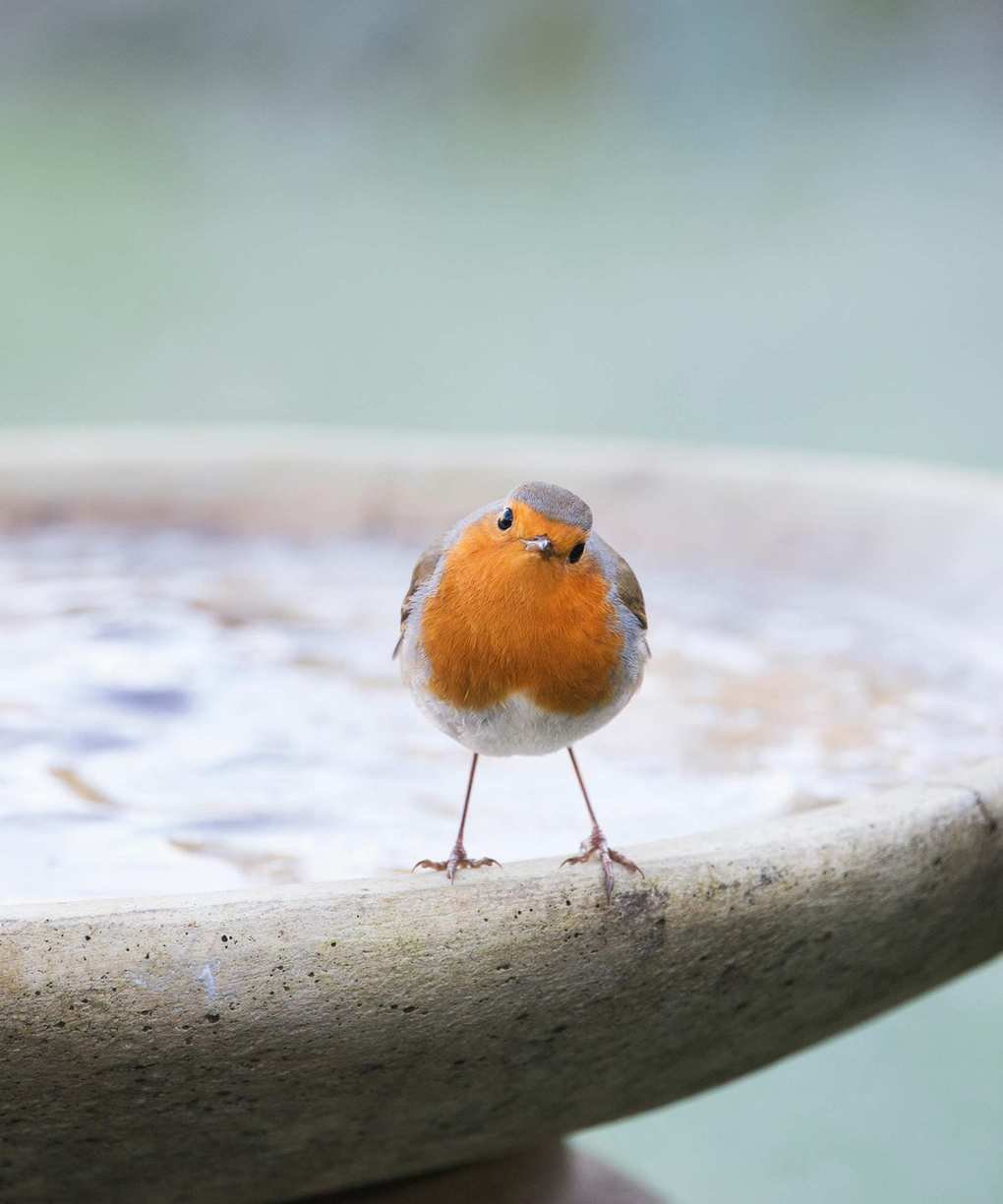
Providing fresh water in winter is essential for birds.
6 Strategies to Prevent Your Bird Bath from Freezing
There are several wildlife-friendly methods to keep your bird bath functional without damaging it. Here are expert-recommended techniques:
1. Add a Floating Device
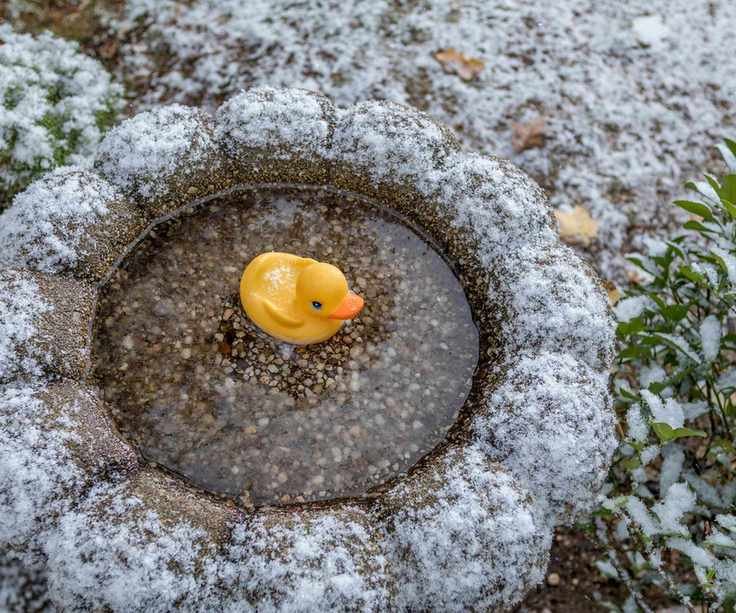
Floating items can help keep water moving.
Using a floating object, like a rubber ball or a wine cork, encourages movement in the water, which can prevent freezing. This inexpensive and straightforward method minimally disrupts your bird bath and its visitors.
Consider these rubber balls available on Amazon and check regularly to ensure they remain in place.
2. Choose a Sunny Spot
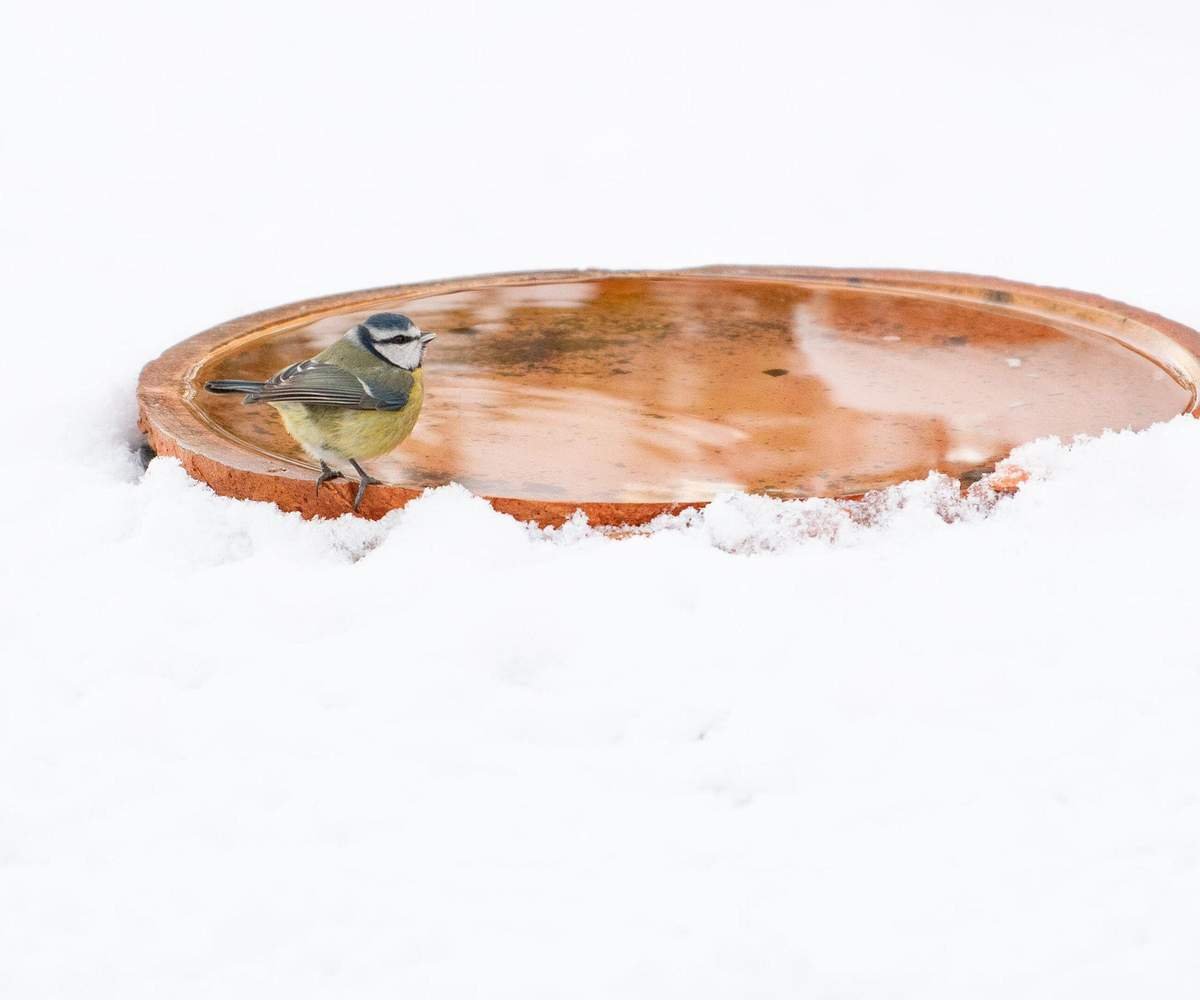
Sunny locations help minimize ice formation.
Positioning your bird bath in a sunny area can significantly reduce the likelihood of it freezing. Ensure it's in an open space where birds can safely drink without fear of predators.
Experts advise maintaining clear sightlines for the birds to spot any lurking cats, which is crucial for their safety.
3. Use an Electric De-Icer
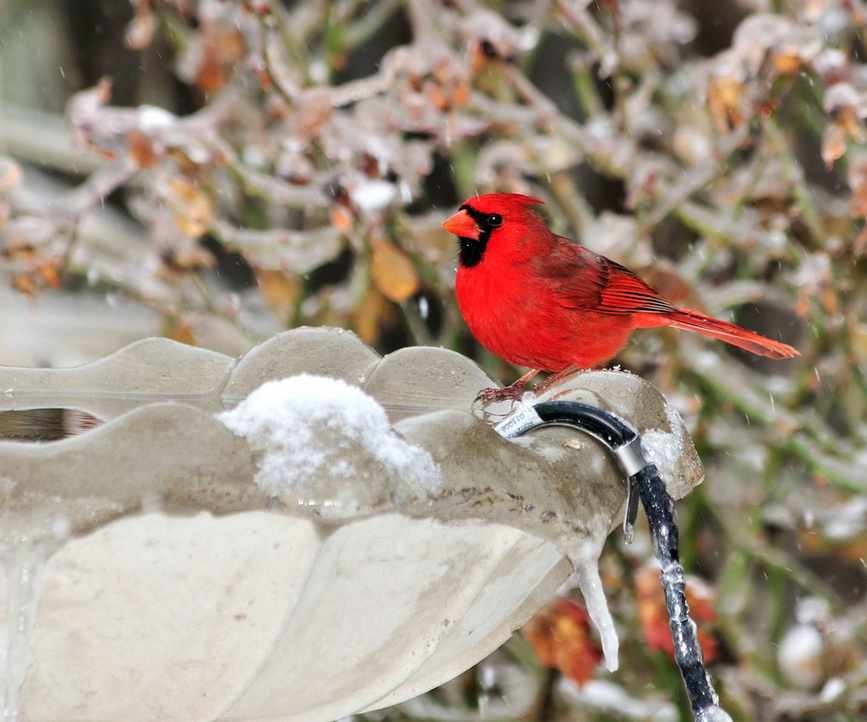
Electrical de-icers keep water above freezing.
Investing in a plug-in bird bath de-icer can be beneficial. These devices float in the water, ensuring it stays above freezing. Just be cautious with electrical cords and ensure they're safely positioned.
Options with built-in heaters are available, such as this heated bird bath from Amazon.
4. Try Solar Solutions
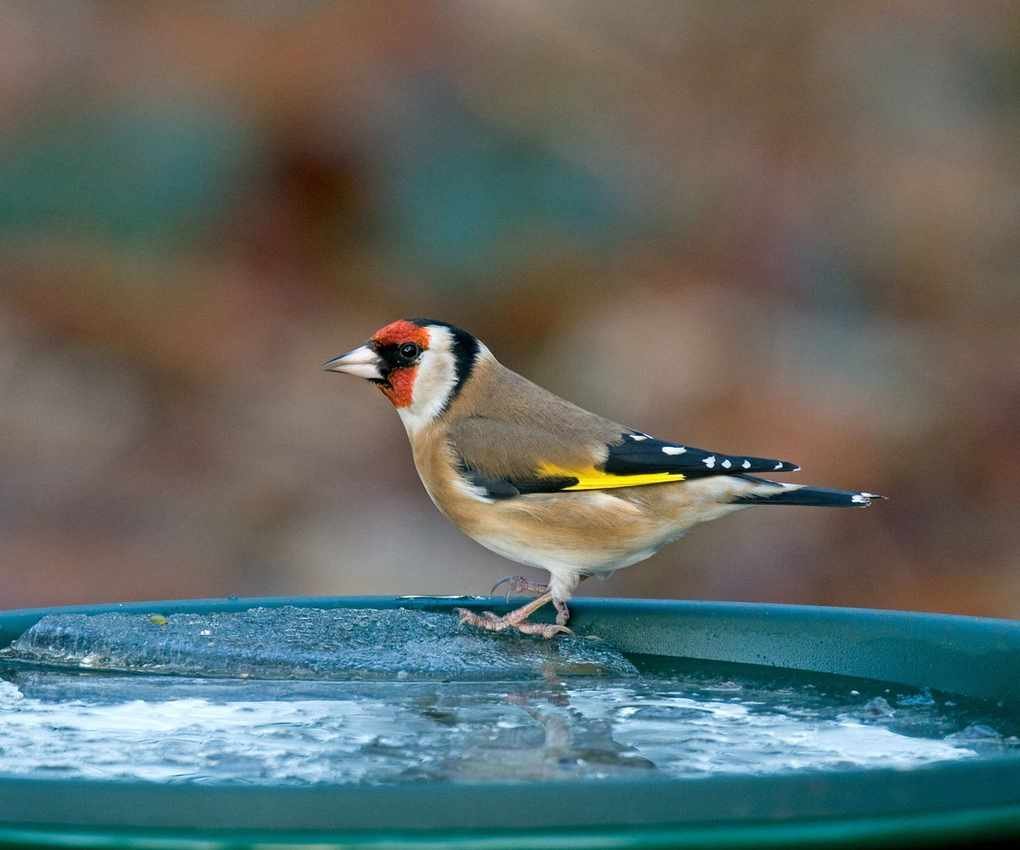
Solar-powered devices maintain water movement.
If outdoor electrical sources are unavailable, consider solar-powered aerators or fountains. These devices help keep water in motion, reducing the chances of freezing.
5. Regularly Remove Ice
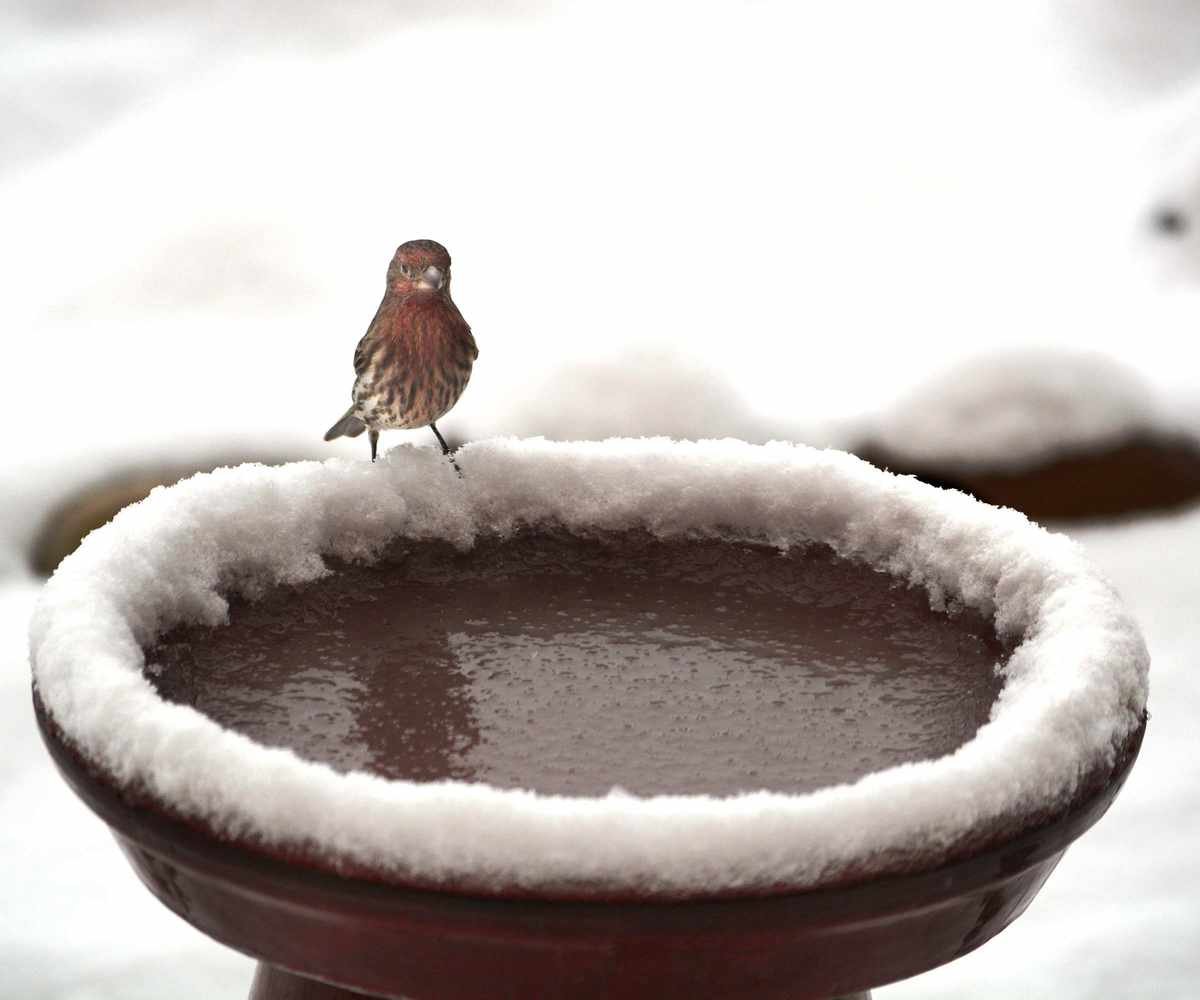
Consistently removing ice keeps water accessible.
One traditional approach is to regularly break up and remove ice as it forms. Doing this during severe cold can prevent thick layers from developing. Just remember to do this while refilling your bird feeder.
6. Empty Before Nightfall
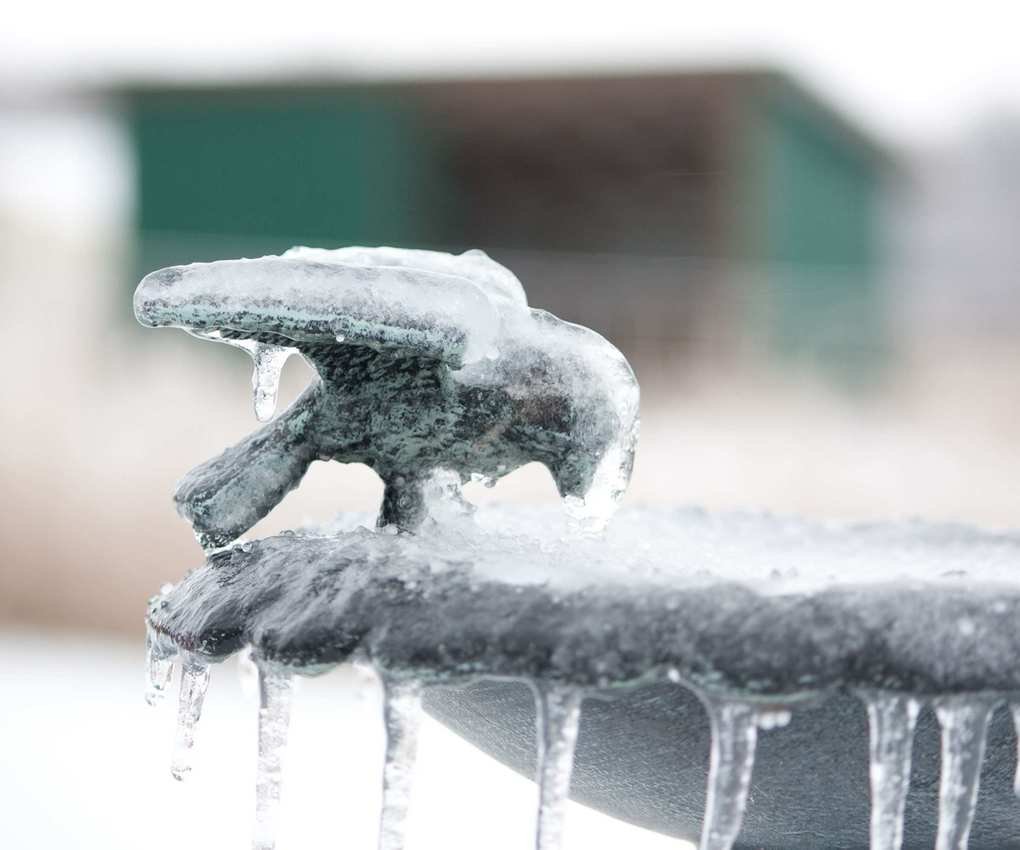
Freezing temperatures often drop further at night.
If you live in an area where overnight temperatures dip below freezing, consider emptying the bird bath before sunset and refilling it with warm water in the morning. This eliminates the need for defrosting.
7. Use a Dark Bowl
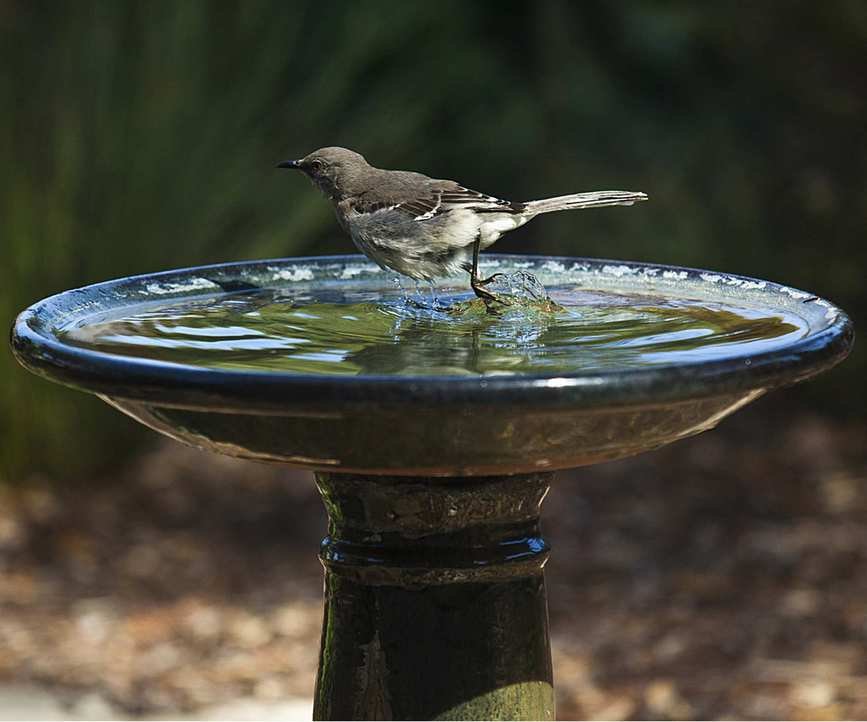
Replacing your bird bath with a dark-colored bowl can help it retain heat, reducing the chances of freezing. Darker colors absorb sunlight, which can delay freezing times.
Isabelle Manseau, a bird enthusiast, emphasizes the importance of accessible water during winter months.
FAQs
Can I use chemicals to prevent freezing?
Avoid using chemical products to keep your bird bath from freezing, as these can harm birds and disrupt the ecosystem.
How do I thaw a frozen bird bath?
The best method to thaw is to pour warm or cold water over the ice. While some suggest boiling water, the rapid temperature change can damage your bird bath.
Providing fresh water for garden birds during winter is vital for their survival. Don't forget to also offer food to support them through the colder months.



