
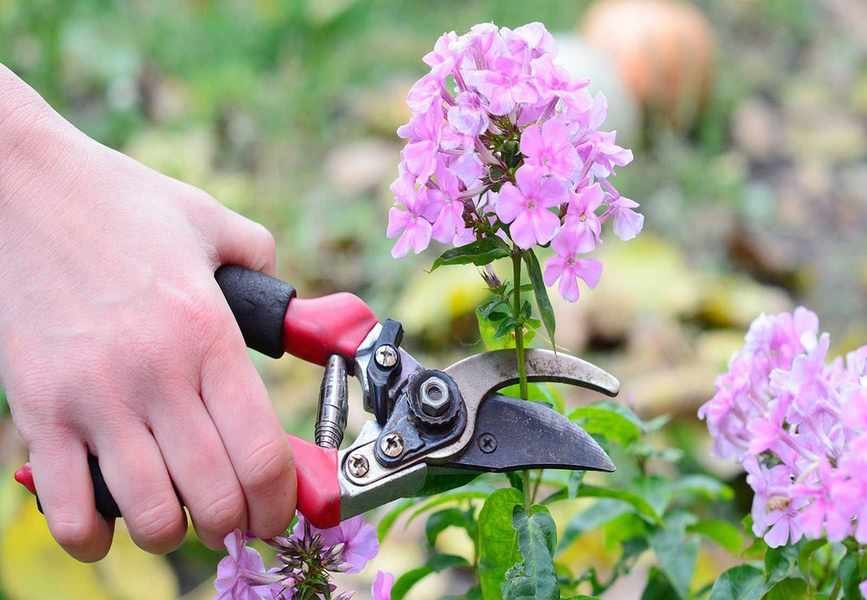
Deadheading is a crucial gardening task that can yield impressive results throughout the summer. It's an easy pruning method that, once mastered, can transform your garden into a stunning display.
From annuals to perennials, many plants benefit from deadheading. This process not only extends the flowering season but also keeps your garden colorful and tidy all summer.
Though it might feel harsh to remove fading blooms, deadheading greatly benefits your plants by directing their energy into generating new flowers rather than forming seeds. Let's explore why adding deadheading to your gardening routine is essential.

Keeping dahlias deadheaded ensures their blooms last into the fall.
What is Deadheading?
Simply put, deadheading involves removing flowers as they begin to wilt.
Once a flower has faded and lost its vibrancy, pinch or snip off the flower head and add it to your compost pile.
With most annuals and bedding plants, as well as top perennials for borders and containers, this should be a continual task throughout summer to promote fresh blooms.
Why Deadheading Matters
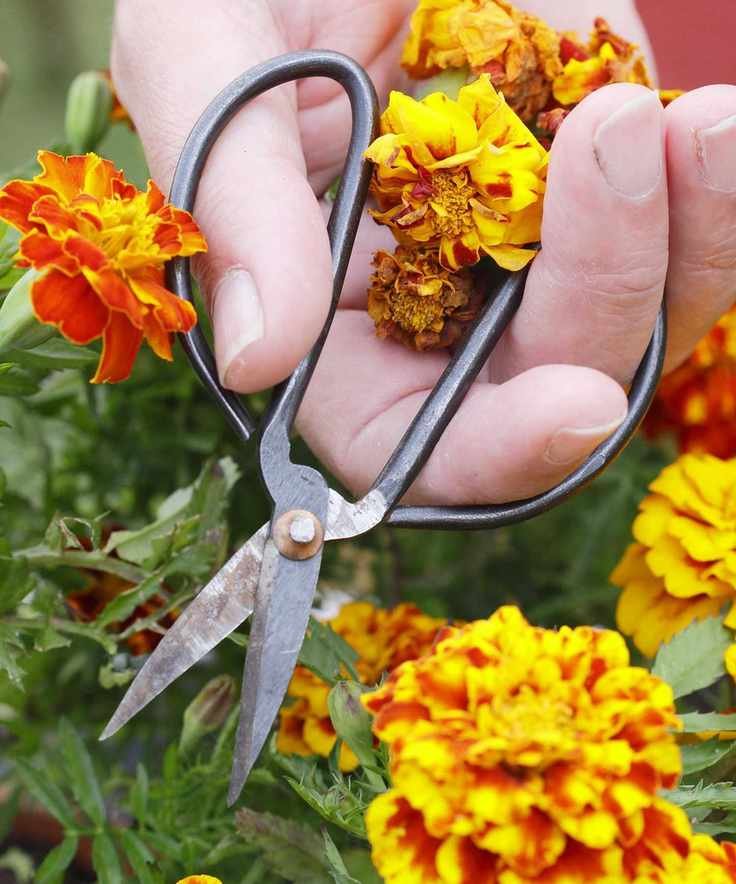
Deadheading marigolds encourages more blooms.
There are several reasons why deadheading is vital:
- It prolongs the flowering period throughout summer.
- It prevents plants from expending energy on seed production too early, which can lead to premature decline.
- It allows for a quick health check to spot pests or diseases.
- It maintains the plants' shape and prevents overcrowding.
The Science Behind Deadheading
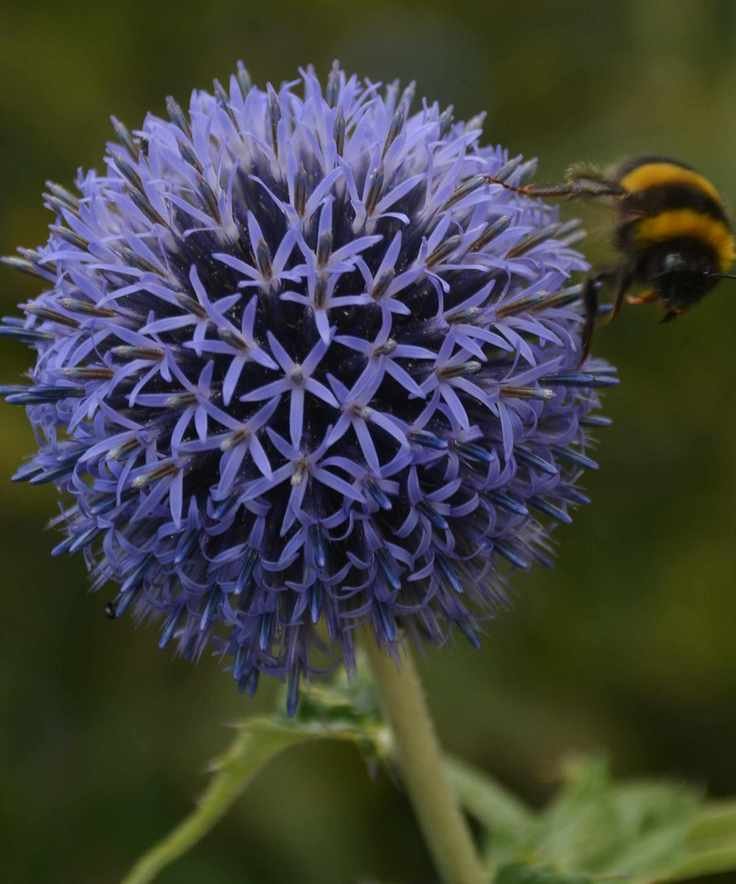
Globe thistles can self-seed if not regularly deadheaded.
Plants blossom primarily to produce seeds and ensure their survival. Once seeds are formed, flowering ceases—a frequent issue among gardeners of sweet peas who neglect deadheading.
Regular deadheading encourages more flower production by eliminating the possibility of seed setting, which triggers the plant's instinct to bloom more.
This technique helps plants focus on creating additional blooms instead of seedheads.
Moreover, it curtails rampant self-seeding in varieties like echinacea and globe thistles, preventing them from overwhelming your garden.
While some bedding plants, like petunias, don't require deadheading since they don't produce seeds, removing spent flowers keeps them looking fresh and helps prevent rot.
For lush blooms like roses and camellias, deadheading can prevent petal litter and extend their blooming season significantly.
How to Deadhead Various Plants
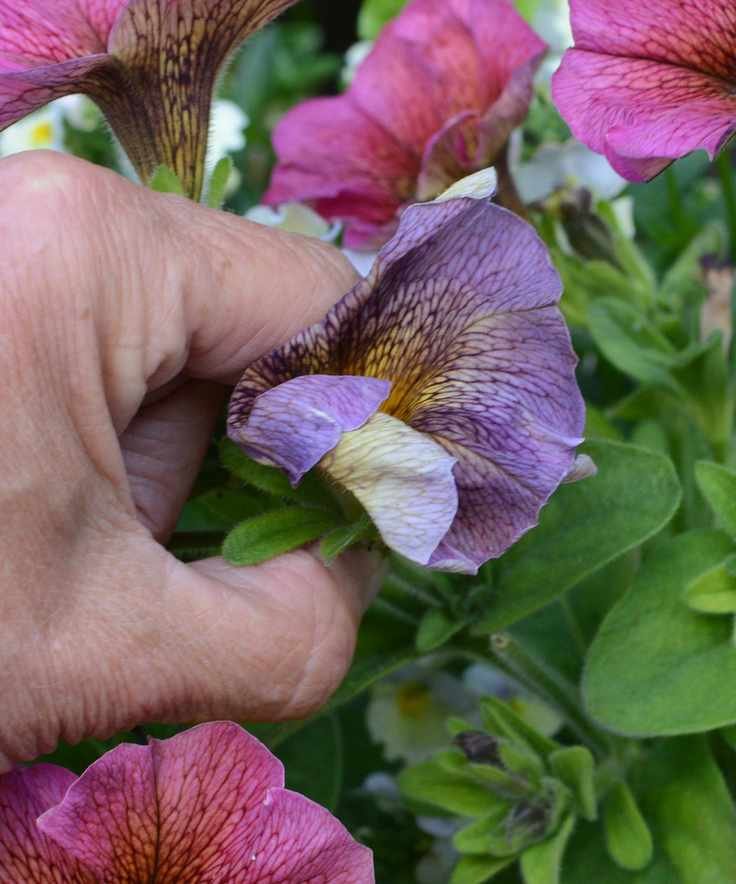
Petunias, though sterile, should be deadheaded for a tidy appearance.
For soft-stemmed plants like petunias, use your fingers to pinch or snap off the flowers along with a bit of stem.
For tougher plants, opt for a garden knife or pruners like these 8-inch gonicc bypass pruners, or smaller tools like these Fiskars micro-tip pruning snips for tricky spots.
Be sure to cut off dead petals and some stem, and always use clean, sharp tools to avoid damaging plants and spreading disease—a common mistake to avoid. Clean your tools after each use.
Alliums can be deadheaded by gently pulling their dried flower heads from the soil, creating beautiful indoor decorations or adding winter interest in the garden.
How Often to Deadhead Plants
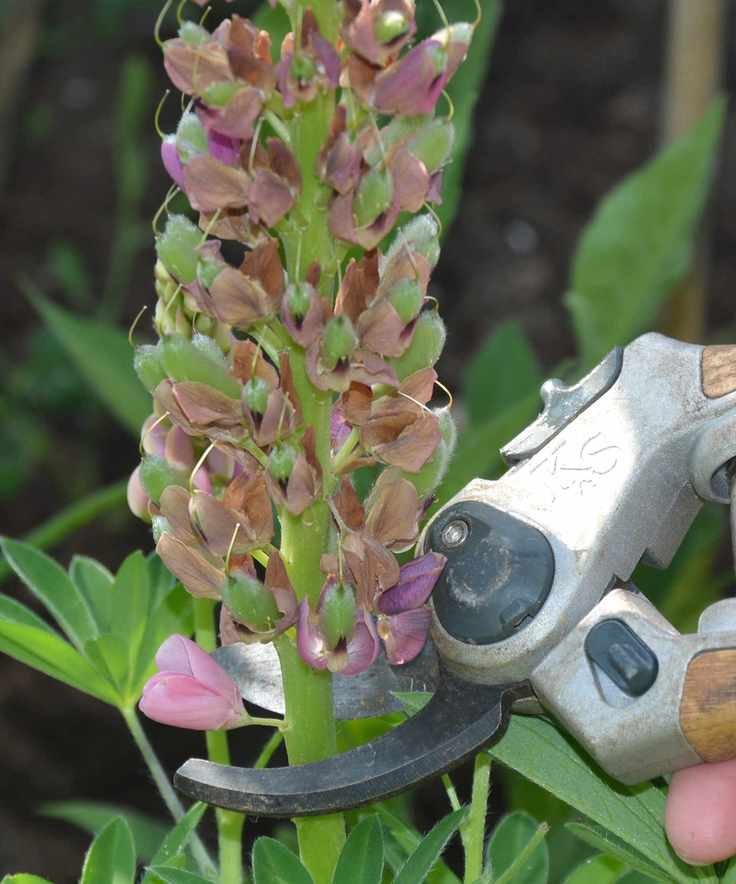
Cutting lupines and delphiniums back after they bloom can yield a second wave of flowers.
During peak summer, check your bedding plants daily.
For shrubs and climbing roses, deadhead whenever flowers fade, cutting back to the nearest healthy leaves. This practice will reward you with blooms all summer and into fall.
For example, my 'Gertrude Jekyll' climbing rose often blooms three times a year, and I typically do final deadheading in mid-November.
Other border perennials should also be deadheaded as flowers fade, but be cautious not to remove buds along with spent blooms.
Rambling roses bloom only once, so they won't flower again after deadheading.
For lupines and delphiniums, cut the flowering spikes immediately after they bloom in early summer, and feed them to encourage a smaller second bloom later.
Should I Fertilize After Deadheading?
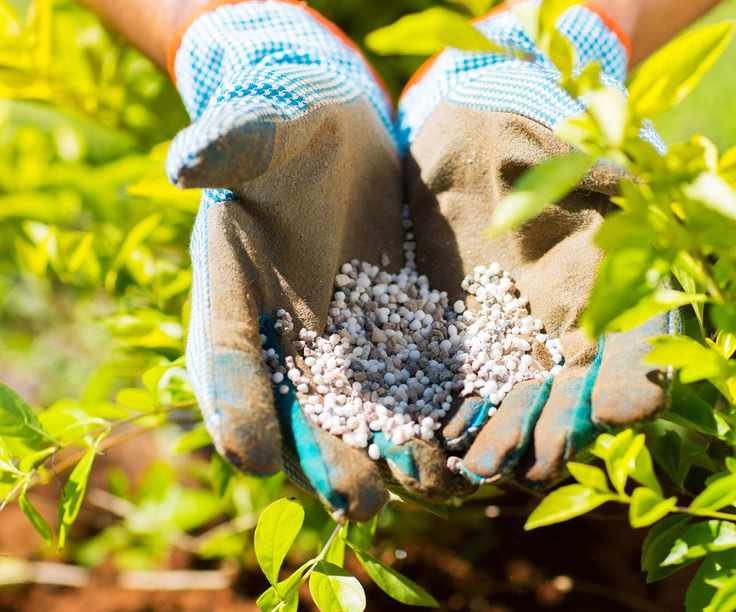
Fertilizing repeat-flowering plants post-deadheading promotes new blooms.
To maintain health and ensure vigorous blooms, regularly fertilize plants that flower throughout summer.
With numerous fertilizers available, selecting the right one can be overwhelming. Generally, feed repeat-flowering plants every 10-14 days with a high-potassium tomato fertilizer.
Single-flowering plants and shrubs benefit from a general fertilizer after their blooming period to bolster strength for the fall and winter.
FAQs
Should I Deadhead at Summer's End?
At the end of summer, many annuals are removed and composted if healthy. However, in milder climates, consider giving them a final deadheading, potting them up for winter.
Architectural plants and those with unique seedheads, like love-in-a-mist and agapanthus, can add beauty to the winter garden if left standing.
Leaving seedheads of sunflowers, fennel, and teasel intact provides food for garden birds during fall. Additionally, consider leaving the last blooms of climbing and rambling roses, as their colorful hips can brighten the garden through winter.
Should I Deadhead Spring Bulbs?
Always deadhead spring bulbs such as daffodils, tulips, and hyacinths after their flowers fade. This ensures the plant focuses on nourishing its bulbs rather than seed production. Never cut back or knot the leaves, as they feed the bulbs for next year's display.
If the foliage appears unkempt or space is needed for summer plants, gently lift the bulbs and pot them or replant them in a discreet area to allow for natural dieback.
Is Deadheading the Same as Pinching Out?
Pinching out involves removing early flowering tips in spring to encourage bushy growth for summer blooms. Deadheading, however, occurs later in the cycle, promoting further blooming.
Can I Deadhead During Full Bloom?
I typically only deadhead while preparing the garden for vacation, as I prefer to return to a garden full of vibrant blooms rather than dead flowers.
Clump-forming perennials like hardy geraniums and catmint can be trimmed after their first flowering to maintain neatness and trigger a second bloom later in summer.



