
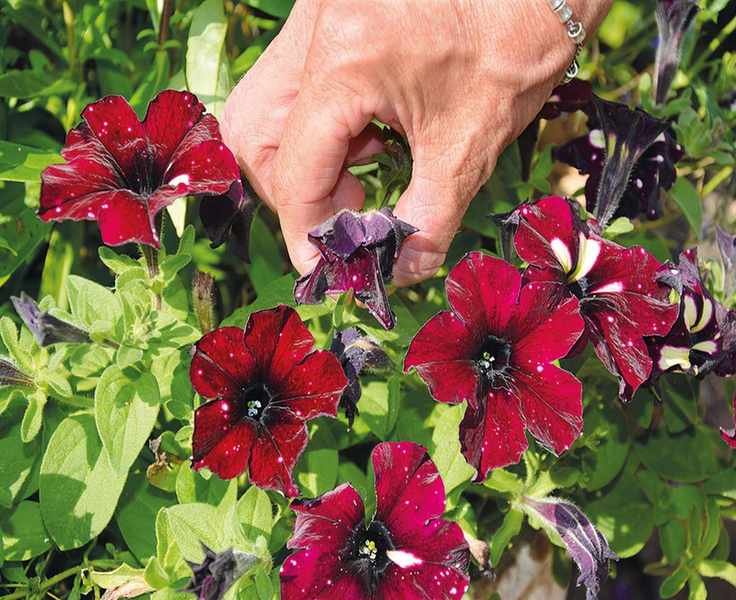
Deadheading petunias helps these vibrant flowers produce more blooms from early summer until frost. This simple practice keeps your garden looking lively.
Deadheading involves removing faded flowers to prevent the plant from forming seeds, which allows it to focus on producing new blooms.
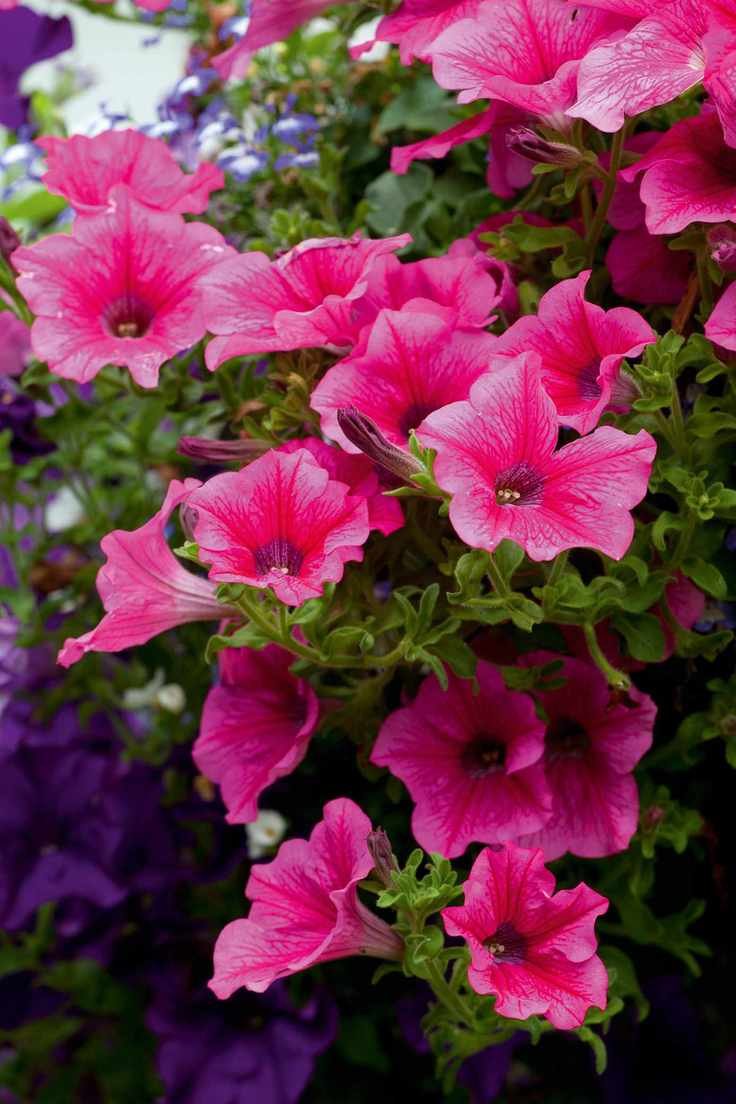
Petunias are popular choices for containers, window boxes, and hanging baskets, offering a delightful array of colors from white and yellow to deep reds, pinks, blues, and purples.

These flowers are beginner-friendly, requiring just full sun, regular feeding, and deadheading. They thrive best when allowed to dry out between watering, and it's advisable to avoid wetting the blooms or foliage, as noted by a gardening expert.
Besides their beauty, petunias are beneficial in the garden, repelling pests like aphids while attracting pollinators. They make excellent companions for pepper plants.
Step-by-Step Guide to Deadheading Petunias
Knowing how to deadhead petunias ensures your plants remain healthy and attractive all summer. It also prevents self-seeding, keeping blooms in desired areas of your garden.
Deadheading petunias is straightforward once you grasp the basics.
- Look for dead blooms. They'll appear limp and crumpled, sometimes brown and crispy depending on weather conditions.
- Identify the right spot to pinch the petunia. The seeds are located below the flower head, so you'll want to remove both the petals and the seed pod. The base of the flower has sepals that look like small leaves; deadhead just below these.
- Choose your method for removal. You can either pinch the stem with your thumb and forefinger or use scissors, secateurs, or deadheading snips. The bloom should fall away easily.
- Avoid pulling the flower head, as this can disturb the plant's roots and harm other buds, reducing future blooms and potentially harming the plant.

One common issue with deadheading petunias is their stickiness. Some varieties, like the 'Non-Stick Mixed' petunia, have blooms that are easier to manage and make the process more enjoyable.
For traditional petunias, using scissors or wearing gloves can help minimize the mess from sticky sap and make the deadheading process easier.
When is the Best Time to Deadhead Petunias?
It's best to deadhead petunias as soon as you notice blooms starting to fade. You'll recognize spent flowers when their color dulls and they become limp.
Even if a bloom falls off, you should still remove the remaining bud to prevent it from turning into seeds, which could hinder the production of new flowers.
Check your plants at least once a week for fading blooms, starting as soon as flowering begins.
Is Deadheading Necessary for Petunias?
Yes, it's essential for most petunia varieties. Keeping dead blooms out of sight enhances your garden's appearance and redirects the plant's energy toward new blooms, ensuring a stunning display all summer.
However, wave petunias and supertunias typically don't require deadheading. While wave petunias bloom continuously without it, removing wilted flowers can still improve their look.

How to Prune Petunias for Continuous Blooms?
To keep petunias blooming, simply pinch or cut off spent flowers. Be careful not to damage any foliage or buds. Proper deadheading helps prevent leggy growth.
How Often Should You Deadhead Petunias?
Deadhead petunias whenever you spot a spent flower; during peak blooming season, this could mean daily attention.
Regular deadheading not only keeps your garden looking fresh but also encourages new blooms, making it a worthwhile task.



