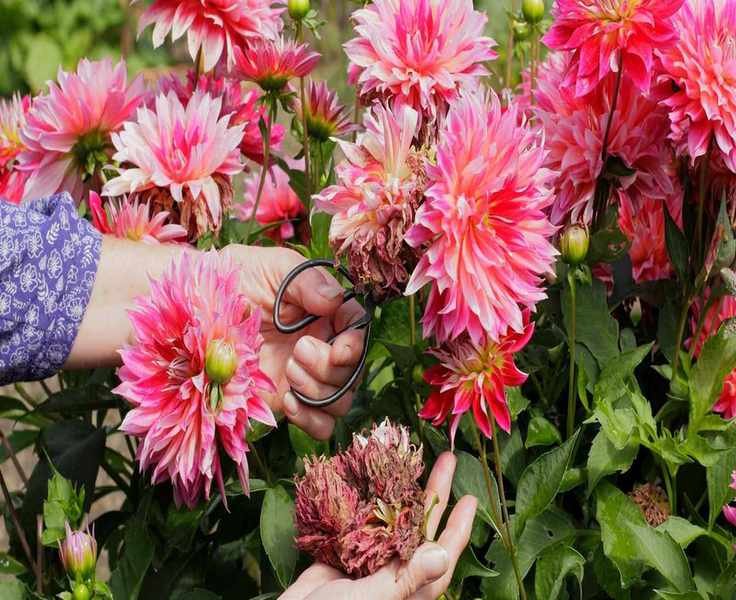
Deadheading ranks high on many gardeners' end-of-season tasks. Once flowers have lost their luster, it's essential to remove the spent blooms to promote new growth. Although it seems straightforward, several frequent missteps can do more harm than good.
Including deadheading in your spring and summer gardening checklist is vital for two reasons. First, it tidies up your garden by eliminating wilted flowers, enhancing its overall appearance. Second, it prevents plants from producing seeds, directing their energy toward vibrant new growth and more blooms. This practice also curbs the emergence of unwanted plants in your flower beds.
We consulted experts about the most common deadheading errors and compiled a list of what to avoid.
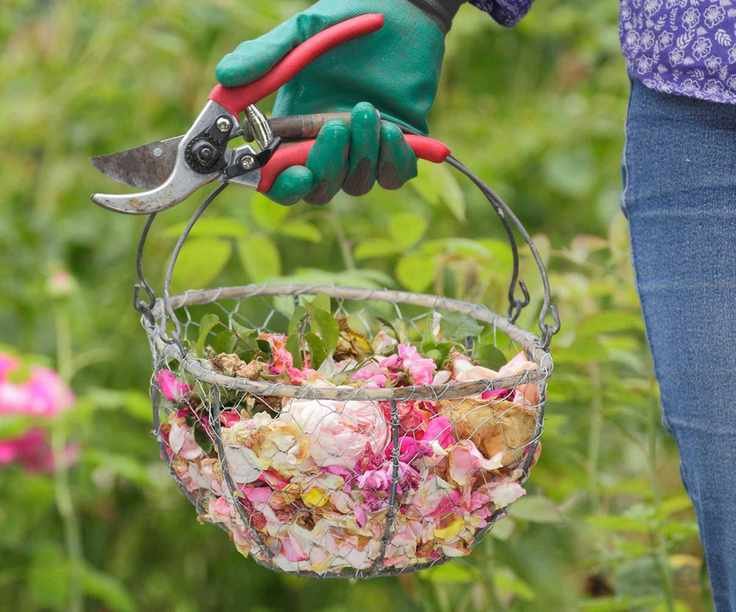
Removing spent flowers revitalizes your garden beds
5 Common Deadheading Errors to Avoid
Keep your plants flourishing and your garden displays vibrant with these valuable insights.
1. Missing Out on Seeds by Removing All Faded Flowers
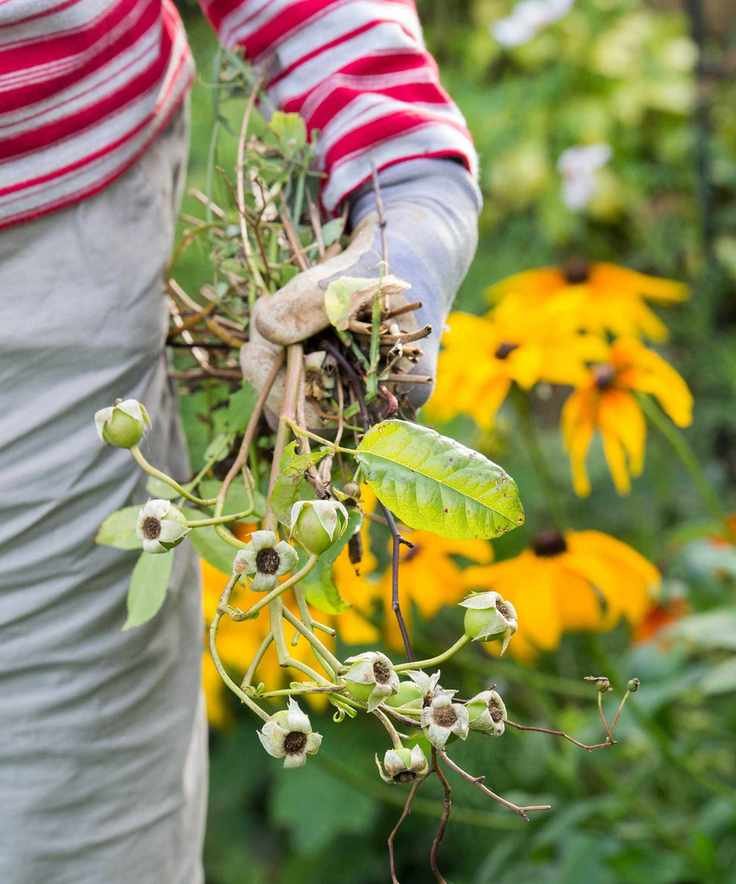
Don't overlook the chance to collect seeds from your plants
Harvesting seeds from your flowers and planting them in trays is a cost-effective way to boost your garden's blooms. However, if you deadhead every flower, you'll miss out on that opportunity.
By leaving a few flowers intact, you'll enjoy a generous seed harvest. Store them for later planting or let them fall naturally for self-sowing.
Gardening expert John Negus keeps several hellebore flowers when deadheading. 'Hellebores self-propagate easily, and you'll often see seedlings sprouting around the parent plants,' he explains.

John has been a garden journalist for over five decades, frequently addressing reader inquiries in Amateur Gardening magazine. He has authored four books and delivers numerous talks on horticulture.
2. Cutting at the Wrong Location
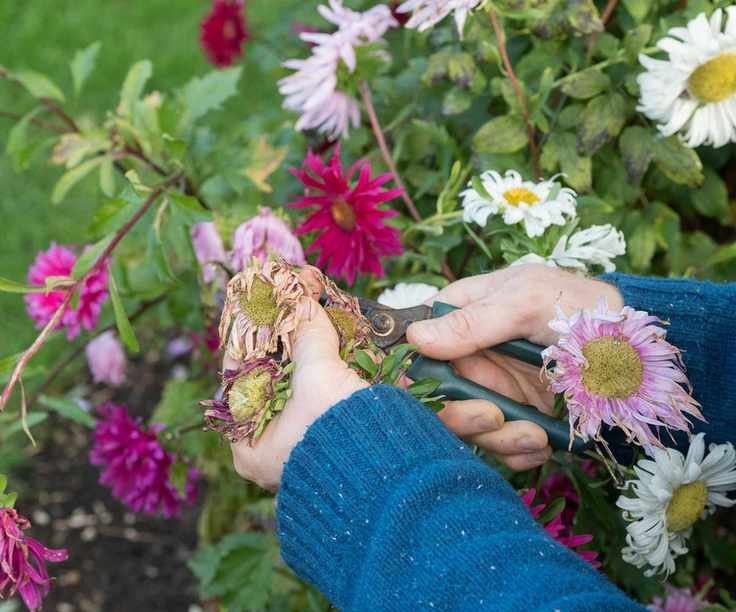
Cut back to a leaf to prevent unsightly stalks in your flower beds
One significant pruning error is cutting in the wrong spot, which applies to deadheading as well.
'Start by cutting the flowers just above the node where they grow. This encourages new flower heads to develop at that node,' advises Dr. Larry Stein, a professor and Horticulturist at Texas A & M University.
Trimming just above a leaf node retains the part of the stem that generates new blooms. Cutting too low can inhibit fresh growth.
Avoid cutting any new buds that have started to form, as this could interrupt the flowering cycle.

Dr. Larry Stein holds a Ph.D. in Horticulture and has been involved in various horticultural projects for decades.
3. Using Improper Tools
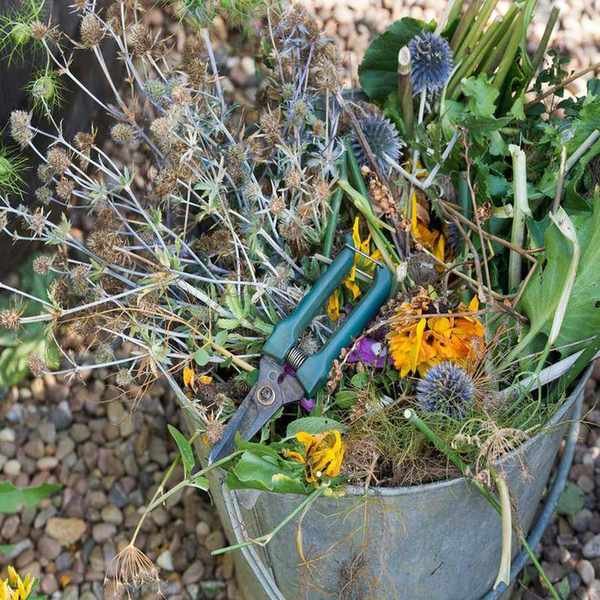
Ensure your gardening tools are clean
Deadheading requires basic gardening tools, not extravagant ones. In fact, you can pinch off flowers from some plants, like pelargoniums, using just your fingers. For tougher stems or precise cuts, snips or pruners are useful.
While bypass pruners work well for softer plants, consider an anvil pair for thicker stems. 'A sharp knife or hand pruner is best to remove flowers without damaging the stem tissue,' says Larry.
Regardless of the tool, remember to clean your pruning shears beforehand and sanitize them between plants to minimize disease spread. 'Wiping down your tools with disinfectant or rubbing alcohol helps maintain plant health,' suggests Becky Decker from Bonjour Green.
4. Removing Ornamental Flowers Prematurely
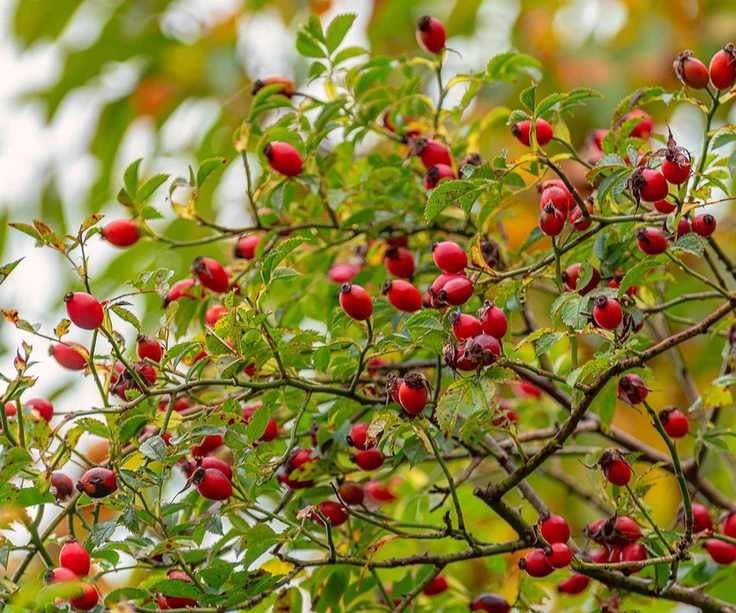
Rose hips are visually appealing and beneficial for birds
While some flowers may appear dried and unattractive, others can still add charm if left alone.
'Certain plants look appealing with their ornamental seed heads, like butterfly vine, while others don't,' notes Larry. 'Ideally, remove blooms until late in the season, when they can be left for decoration.'
Plants like nigella, alliums, and rudbeckia produce beautiful seed heads, enhancing your fall garden. They can also be used in dried arrangements indoors.
Some seed heads serve as a food source for birds, such as sunflowers. Additionally, many roses produce hips, adding color to the autumn landscape.
5. Cutting Back Foliage for Spring Bulbs Too Early
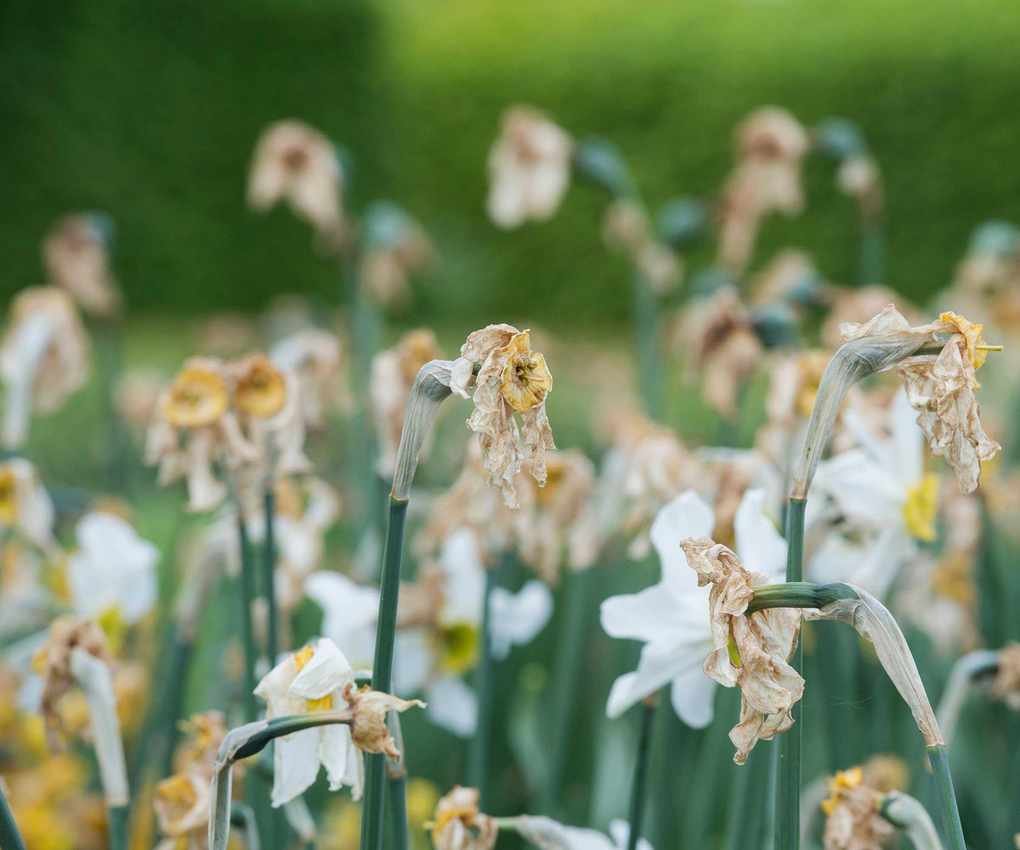
Daffodils can be deadheaded, but let the leaves die back naturally
When dealing with spring bulbs like daffodils, it's tempting to trim the foliage as well. However, cutting it back too soon is a mistake.
'We wait until mid-season of the bloom period to do this. Roses are usually trimmed in mid-summer to encourage new growth for stronger blooms in the fall,' explains Larry.
'Allow their leaves to naturally wither,' adds John Negus. 'Keep the foliage hydrated and feed it regularly until it fades, which nourishes the bulbs for next spring's bloom.' If you find the foliage unsightly, consider relocating them to a reserve bed in your garden.
FAQs
What Happens if You Don't Deadhead Spent Blooms?
Deadheading is essential when flowers start to fade. Leaving spent flowers can lead to seed formation, evident by emerging seed heads. For self-seeding flowers, neglecting to deadhead may result in unexpected plant growth throughout your yard. Furthermore, not deadheading can halt flowering for the remainder of the season.
Whether you're deadheading dahlias, lavender, or any other plant, it's a rewarding outdoor task for a sunny day. Just remember these deadheading tips to achieve better results, healthier plants, and possibly, a bounty of free flowers.