Watering plants is essential, but it can feel tedious during the summer months when the sun's heat swiftly dries out the soil. Fortunately, there are ways to keep your soil hydrated without constant effort.
Plants require water to thrive, and without it, they can quickly wilt in the summer heat. By employing a few simple techniques, you can enhance water retention in your soil, ensuring that your plants stay hydrated even on the hottest days.
To maintain moisture in the soil during summer, consider using protective measures against sun and wind, applying mulch, and setting up drip irrigation systems. Additionally, there are techniques that can enhance your soil's water-retaining capabilities.
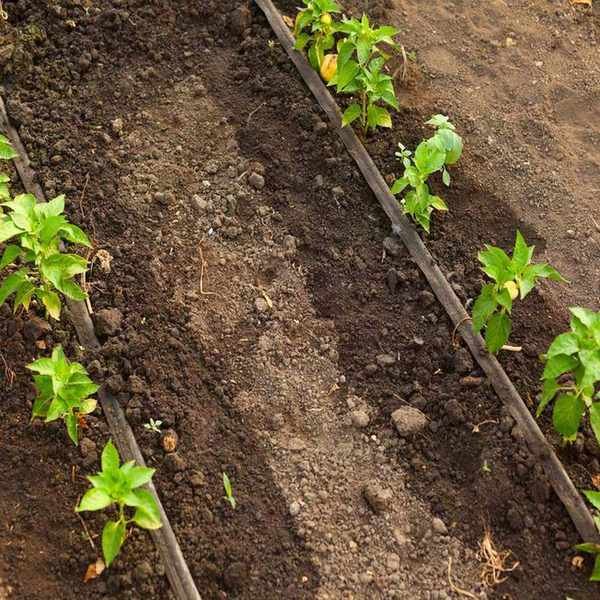
Water should remain around the roots of the plants
Methods for Retaining Soil Moisture
Remember that deep and infrequent watering is more advantageous for your plants than shallow, frequent watering. This principle is crucial when tending to your flower bed or vegetable garden.
By providing a thorough soak each time, your plants will develop stronger root systems and you won't need to water as often. Ideally, water in the morning to ensure hydration reaches the root zone and encourages deep root growth, making your plants more drought-tolerant.
When unsure, check the moisture level a few inches below the surface with your finger. If it feels damp, skip watering; if dry, give your plants a good drink. For precise measurements, consider using a soil moisture meter like this long probe moisture meter available on Amazon.
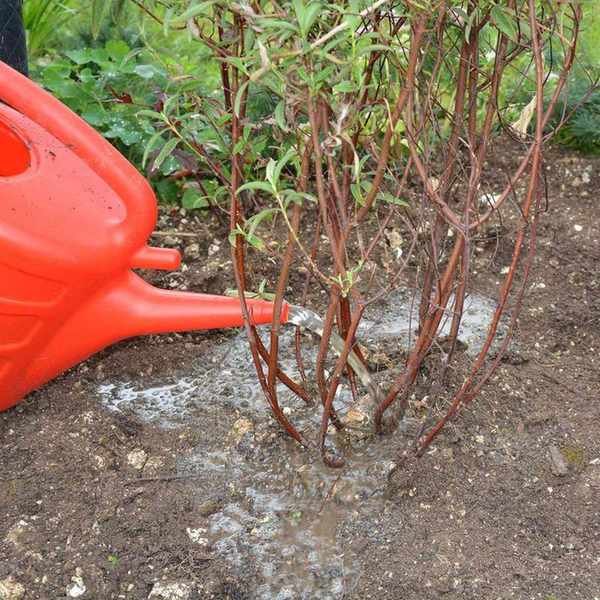
Deep watering enhances moisture retention
Creating Shade and Wind Barriers
Adding shade and wind protection for your plants can significantly help keep moisture in the soil, acting as a barrier against the sun's intense rays. Shade reduces evaporation, allowing moisture to persist longer for plant use.
Ben McInerney, an arborist and landscape expert, emphasizes that providing shade is often overlooked but is crucial for moisture retention.
You can employ companion planting by using taller plants to shield shorter crops. For instance, growing peas or corn can offer cover for shade-sensitive vegetables like lettuce or spinach.
Fences or garden netting can also create shade, like this garden netting on Amazon that blocks up to 50% of sunlight while protecting the soil from drying winds.

Applying Mulch
Mulching is an effective strategy to ensure that water stays locked in the soil. Covering the soil surface with mulch slows down evaporation and suppresses weeds that compete for moisture. This layer also stabilizes soil temperature.
Various mulch types can be used, including organic materials like compost, wood chips, or straw. You can also use inorganic options like landscape fabric, gravel, or stones.

A layer of straw mulch helps prevent water loss
Enhancing Water Retention
Increasing your soil's water-holding capacity allows it to retain moisture longer. You can do this by incorporating organic materials like homemade compost, peat moss, or coco coir into the soil.
Alternatively, consider soil-wetting agents or conditioners that improve water absorption. Gene Caballero, co-founder of GreenPal, recommends these products to help water penetrate the soil more effectively.
For instance, the ThermX-70 natural wetting agent from Walmart, made from Yucca extract, reduces surface tension to help maintain soil moisture.
For container gardening, consider using water-absorbent crystals that can retain water and ensure your plants stay hydrated even during vacations.

Utilizing Drip Irrigation
Direct and slow watering helps maintain moisture levels in the soil. Watering from above often leads to evaporation before it reaches the roots.
Instead, target the base of the plants. Implementing drip irrigation or soaker hoses can effectively deliver water directly to the root zone.
Ben McInerney explains that these systems minimize waste by providing a consistent water supply directly to the roots, conducive to healthy plant growth.
Consider using a soaker hose from Amazon to provide a steady drip of water where it's needed.
In addition to these strategies, consider drought-tolerant landscaping to reduce the need for frequent watering. Selecting plants adapted to dry conditions can significantly lessen your watering efforts once established.