
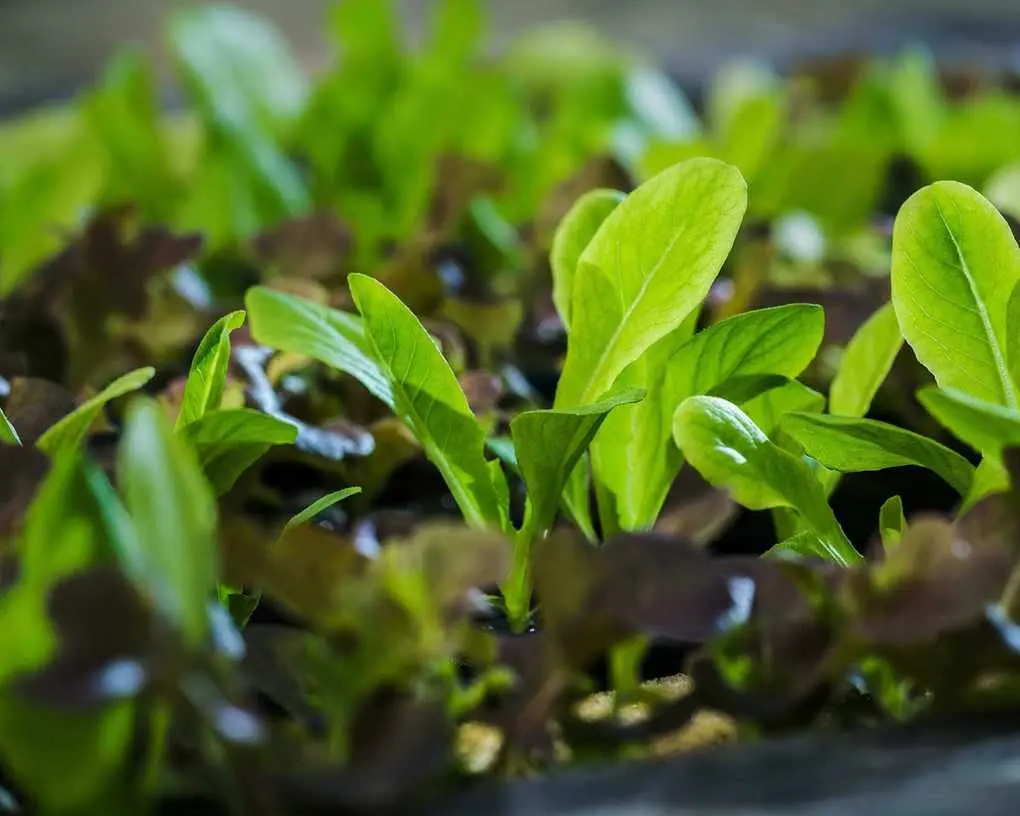
Learning to grow spinach is straightforward, and these delicious leaves are nutrient-rich, packed with vitamins A, C, iron, and calcium, alongside antioxidants. This makes spinach a fantastic addition to any vegetable garden.
Spinach is quick to cultivate; you can start harvesting within six to eight weeks after planting. With careful planning and successive sowing of various types, you can enjoy fresh spinach throughout the year.
This versatile crop is perfect for containers, allowing you to grow baby spinach leaves for salads or larger leaves for cooking, such as in pasta or as a side dish. It's a very productive plant, ideal for small vegetable gardens where space is limited.
Growing Spinach
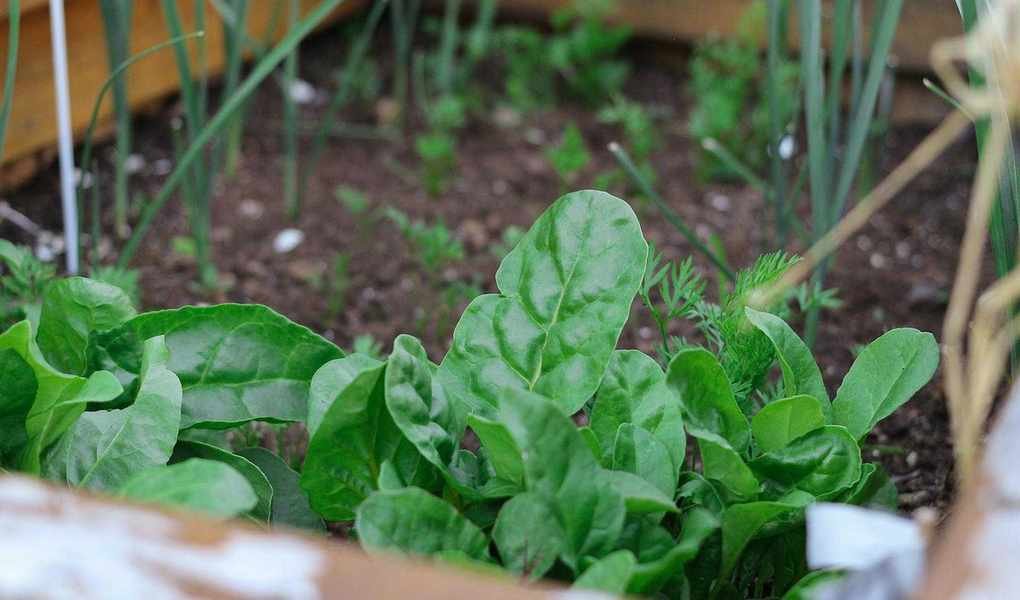
Spinach can be cultivated indoors or outdoors, in pots on balconies or courtyards, or in raised garden beds. It pairs well with other salad greens like lettuce as part of your kitchen garden.
Choose from three main types: curly leaf savoy, flat leaf, or semi-savoy, which is slightly curly. The flat varieties tend to have the mildest taste, and their smaller leaves are often sold as baby spinach.
Best Time to Plant Spinach
Your planting schedule will vary based on your hardiness zone. Spinach thrives in the cool weather of spring and fall.
Summer spinach: Plant summer varieties every few weeks from early to late spring.
Winter spinach: Sow hardy winter cultivars from mid-summer to early fall.
Experts suggest planting spinach four to six weeks before the last spring frost and again six to eight weeks before the first fall frost. By sowing seeds every three to four weeks, you can ensure a continuous supply throughout the season.
Growing Spinach from Seeds
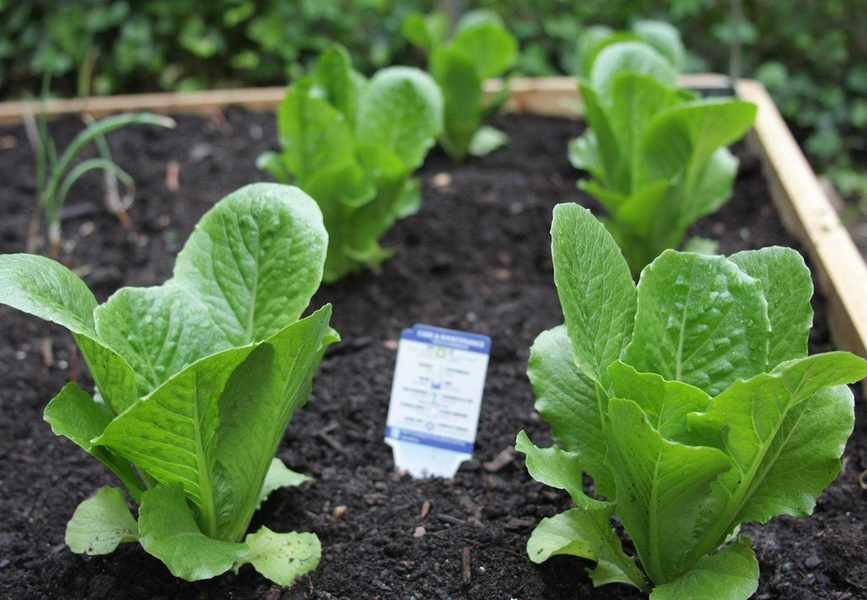
First, determine where you want to grow your spinach. Smaller varieties are well-suited for containers.
To grow healthy spinach, enrich the soil before sowing by mixing in homemade compost and a general fertilizer. This not only boosts growth but also prevents bitterness in the leaves.
'You can never add too much compost to garden soil. Mix in at least 2-4 inches along the row before planting,' suggests a horticultural expert.
'Success starts with strong plants in rich, organic soil. Provide ample moisture and don't hesitate to fertilize. Vibrant spinach tastes best,' another expert emphasizes.
Follow these steps to grow spinach from seeds:
- Plant spinach in moist but well-drained soil or compost.
- Winter varieties prefer full sun; summer types thrive in partial shade, making them suitable for shadier spots.
- Sow seeds thinly in a shallow drill, about 1 inch deep.
- Space rows approximately 14 inches apart.
- Lightly cover seeds with soil.
- Once germinated, thin seedlings to 3-5 inches apart. 'Thinning is crucial, so be decisive,' advises an expert.
- Regularly fertilize with water-soluble plant food.
- Sow seeds every three to four weeks for a steady harvest.
- Keep crops well-watered, focusing on the base of the plants.
'Spinach can be harvested multiple times and last for months. I sow seeds densely for a continuous harvest. Keeping them well-watered ensures flavorful growth,' a gardening authority notes in a video.
Growing Spinach in Containers and Raised Beds
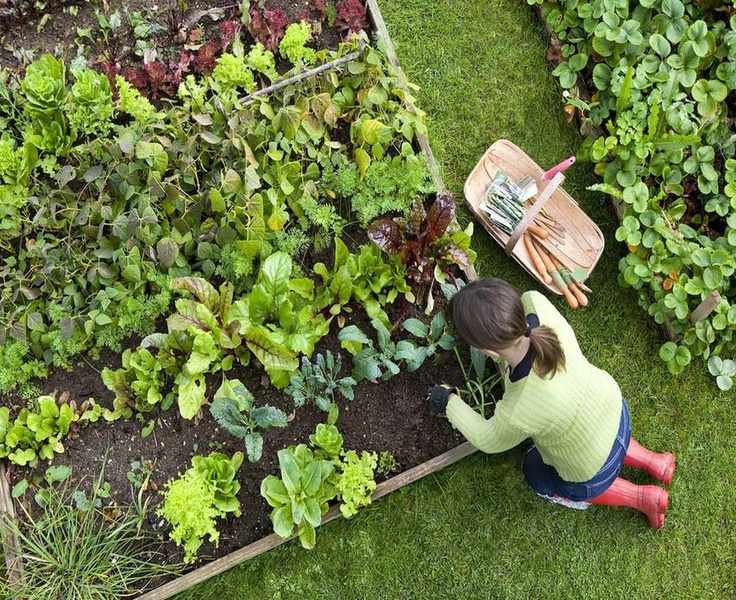
Using raised beds can address poor soil issues, as spinach prefers neutral to alkaline soil.
These beds provide excellent drainage and are easy to maintain. Fill them with rich organic soil, incorporating 2-4 inches of compost before planting.
Sow spinach seeds in a shallow drill about 1 inch deep, spacing rows 14 inches apart. Once seedlings are large enough, thin them to around 3 inches apart. Regular watering and fertilizing are essential.
For containers, select a wide pot or trough at least 6-8 inches deep, allowing adequate spacing for the spinach plants. Spinach grows well alongside herbs.
- Utilize a quality potting mix rich in organic matter.
- Ensure the soil is well-draining for successful growth in pots.
- Plant seeds 1/2 inch deep in containers.
- Germination typically occurs within five to 14 days, depending on the variety.
- Space each plant at least 3 inches apart for optimal growth.
- Keep pots in sunny locations during fall.
- In spring and summer, position containers in partial shade.
- Avoid letting the soil remain soggy; keep it moist with good drainage.
- Regularly fertilize the soil.
'Container gardening extends the growing season. Many plants benefit from added warmth near the house,' shares a seasoned gardener.
Indoor Spinach Cultivation

Growing spinach indoors on a windowsill is quite simple. If you're also growing herbs, place the spinach nearby for easy care.
In fall, position pots on sunny windowsills to maximize light. Avoid extreme temperatures; don't place them directly over radiators.
In spring, opt for a location that offers partial shade.
Plant seeds in pots at least 6 inches deep, 1/2 inch deep, and space plants about 3 inches apart. Keep the soil well-watered but not waterlogged.
Watering Spinach
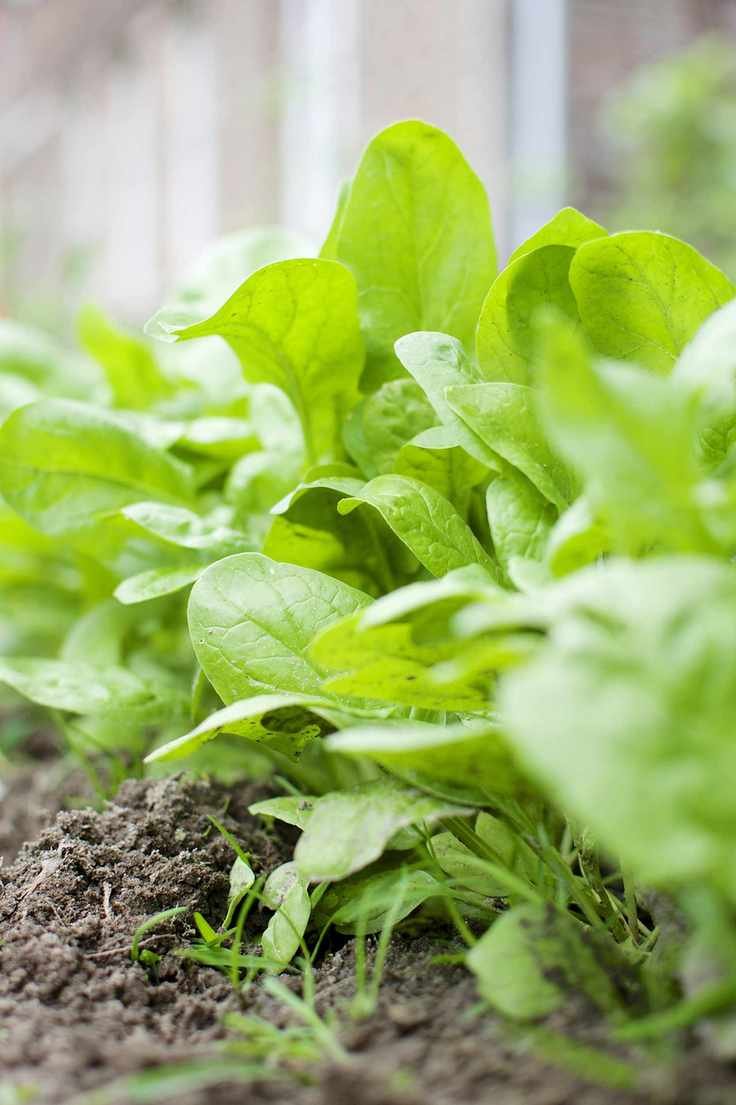
Regular watering and fertilization are crucial, but avoid wetting the leaves. Keep the soil consistently moist but not saturated. This is especially important during warm spells to prevent bolting, which results in bitter leaves.
Other care tips include:
Protect fall-sown spinach seedlings from cold with fleece or cloches.
Shade spinach plants in hot weather to prevent drying out and bolting. Companion planting with pole beans can provide necessary shade.
Guard young seedlings against slugs, snails, and birds.
Harvesting Spinach
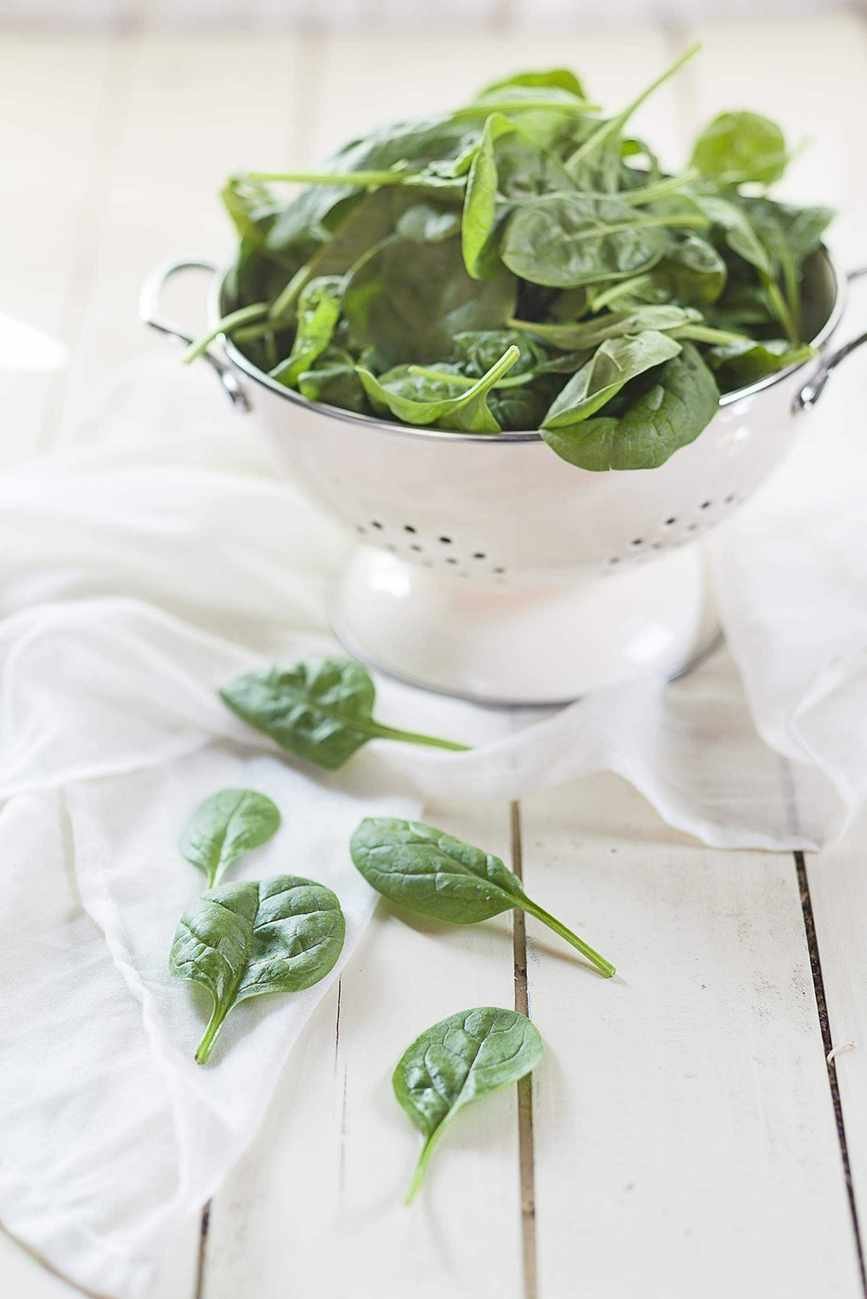
Harvest spinach between 6 to 10 weeks after sowing. By sowing spinach in spring and fall, you can enjoy year-round harvests.
Summer varieties can typically be picked from May to October, while winter cultivars are ready from October to April.
'Pick a few leaves from each plant to encourage continued growth throughout the season,' suggests an expert.
This makes spinach an excellent crop for families gardening together, allowing everyone to partake in the harvest. It's similar to other cut-and-come-again greens.
Advisors recommend harvesting alternate plants to give remaining ones more room to flourish.
Monitor crops, as they tend to grow faster in warmer conditions.
You can selectively cut outer leaves from plants at least 3 inches tall or harvest the entire plant once it reaches 6 inches and wait for regrowth.
Baby spinach is perfect for salads, while mature leaves work well in stews, pastas, or risottos. Use freshly harvested leaves for the best taste; extras can be stored in the fridge for up to 14 days.
Is Spinach Easy to Grow?
Yes, spinach is easy to grow. As a cool-weather crop, it requires minimal care.
With the right spinach varieties, it can be grown year-round, and it adapts well to container gardening. Growing from seeds is the most cost-effective approach, but young transplants can also be purchased in season.
How Long Does Spinach Take to Grow?
Spinach takes roughly six weeks from sowing to harvesting.
With both winter and summer cultivars, you can choose varieties for different seasons to enjoy fresh leaves year-round.
Spinach is fast-growing, yielding many leaves quickly in spring and fall. The key is to manage growth duration, especially in spring, as longer days shorten its lifespan.
Does Spinach Prefer Full Sun?
Winter spinach varieties thrive in full sun during fall, while summer ones prefer partial shade to prevent scorching.
Will Spinach Regrow After Cutting?
Yes, spinach can regrow after cutting. Regularly harvesting a few leaves will encourage ongoing production throughout the season.



