
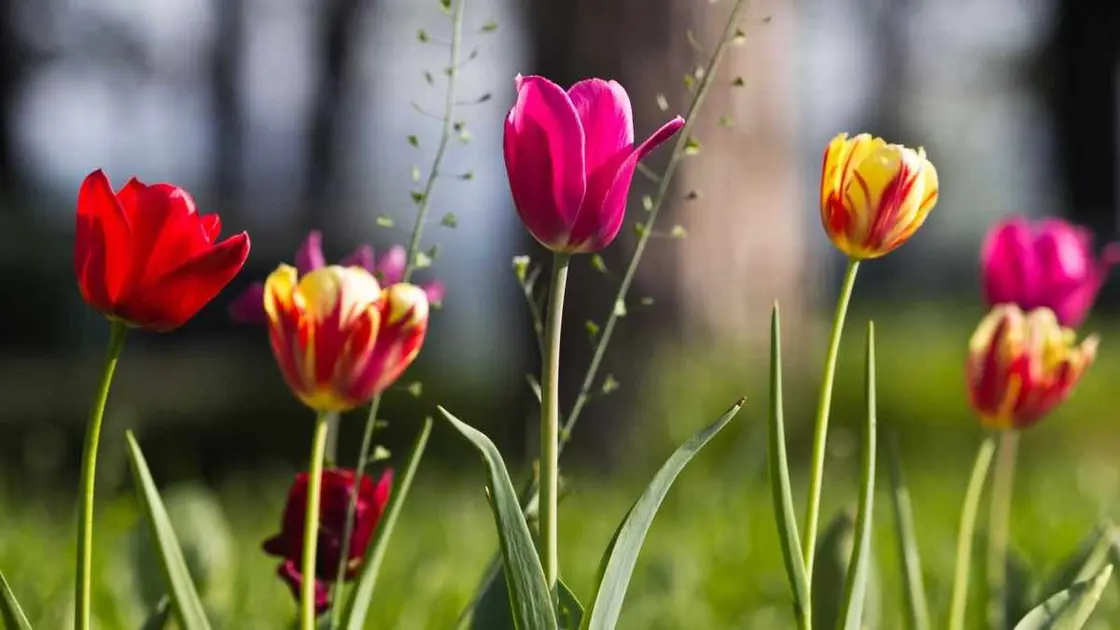
Deadheading tulips plays a key role in their care. It's a must-do task for gardeners as flowers begin to wilt in spring.
Tulips are among the most beloved spring bulbs, celebrated globally for their vibrant colors. These bold flowers command attention, showcasing a stunning array of varieties in garden landscapes.
Once your tulips start to fade, taking the time to deadhead your blooms is crucial for ensuring they flower again next season. Having spent countless springs deadheading tulips, I'm eager to share my knowledge on the best practices.

When and How to Deadhead Tulips
Tulips dazzle each spring, but as soon as the petals begin to drop, it's time to deadhead. This task is essential for promoting blooming in the following year.
Benefits of Deadheading Tulips
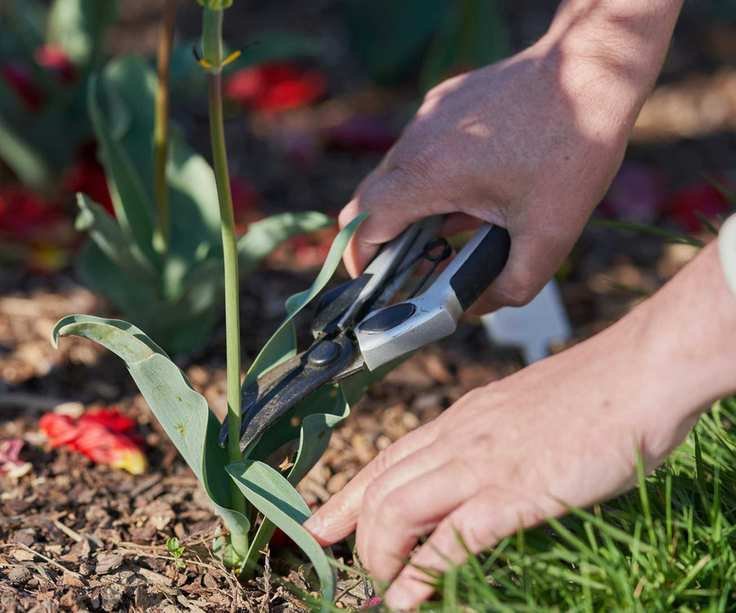
Gardeners often wonder what to do with tulips post-bloom. You have two choices: lift the bulbs after they've flowered for summer storage and replanting, or leave them in the ground as perennials.
Both methods can yield beautiful tulips in the following seasons. While you can leave the bulbs in well-drained soil for multiple years, I recommend lifting them in late spring or early summer. From my experience, stored bulbs have a higher chance of thriving the next year.
Regardless of your method, deadheading is crucial. 'If you skip deadheading, bulbs waste energy on seed production,' explains a gardening expert. 'Trimming the faded flower stem prevents seed formation and conserves energy for the bulb, enhancing the likelihood of blooms next year.'
However, avoid deadheading species tulips such as Tulipa sylvestris or Tulipa sprengeri. These varieties benefit from going to seed, helping them naturalize and spread.
Steps for Deadheading Tulips
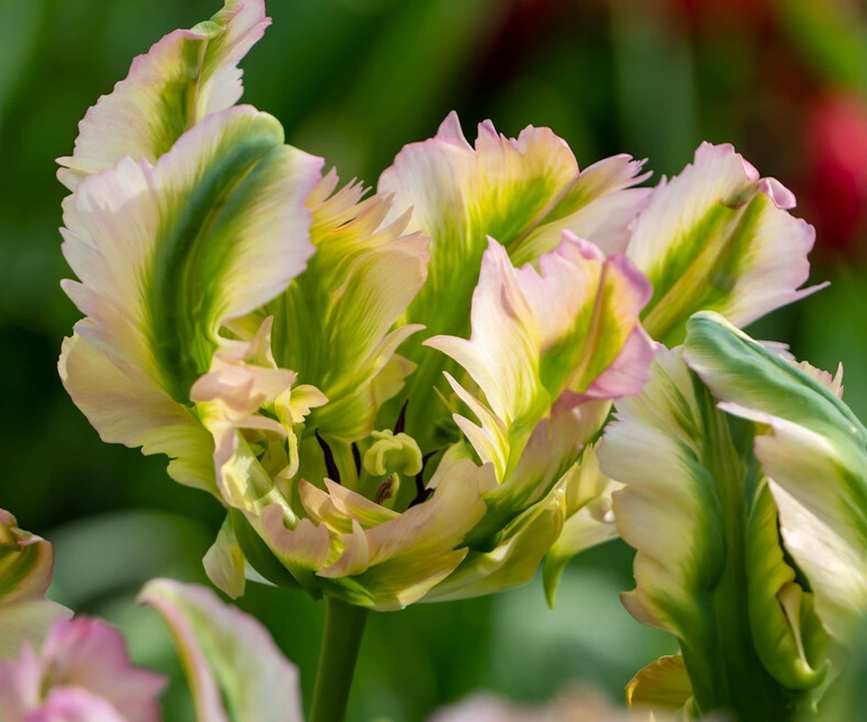
Proper deadheading is vital for energy conservation in tulips, promoting future blooms.
When deadheading, focus on pinching off just the flower head or the top 1-2 inches of the stem. Do not cut the stem down to the base; leaving it intact allows for photosynthesis, helping the bulb gather energy. Cutting the stem hinders energy production.
For those curious about deadheading daffodils, the method is quite similar—simply remove the flower heads once they've finished blooming.
Grab your sharp secateurs or use your hands to gently twist or snip the flower head after petals drop. It's that straightforward!
Timing for Deadheading Tulips
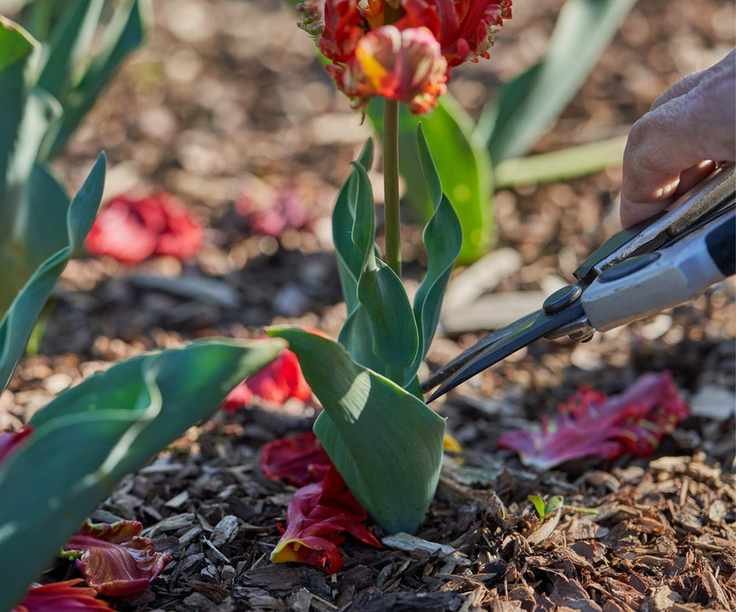
Deadhead tulips after blooms fade and petals fall. The exact timing can vary from mid to late spring, influenced by your location and the tulip varieties.
As a gardener, I prefer to deadhead regularly, spending just a few minutes every few days. Don't wait until all tulips have finished blooming, as seed production can start quickly.
Common Questions
Should Foliage be Removed When Deadheading Tulips?
Remember, while deadheading, only trim the top 1-2 inches of the flower stem to prevent seeds from forming.
Do not cut any foliage; it's essential for the bulb's photosynthesis before it goes dormant. Once the leaves turn yellow and start to drop in early summer, you can either cut them back or lift your bulbs.
Deadheading tulips is a crucial gardening task that helps ensure your bulbs bloom beautifully in the years to come. Additionally, learning how to fertilize your tulips will further enhance their growth for the next season.



