

Wondering how to prune rhododendrons? These shrubs may seem straightforward but can be tricky for gardeners. Often seen as large plants that take over garden spaces, rhododendrons are actually reliable border plants that captivate attention when in bloom.
For the most part, growing rhododendrons requires little maintenance, making them a favorite in ornamental landscaping. This intriguing genus boasts over 1,000 varieties of evergreen shrubs and deciduous types, featuring colors from white, yellow, and orange to deep reds, pinks, and purples. These vibrant flowers also attract pollinators.
From the compact Rhododendron impeditum thriving in USDA zones 5-8 to the towering Rhododendron 'Broughtonii' that can withstand temperatures down to -5°F and live for more than 130 years, there’s a suitable variety for every garden. Knowing when and how to prune rhododendrons is essential for maintaining their appearance and ensuring they bloom year after year.
Pruning Evergreen Rhododendrons
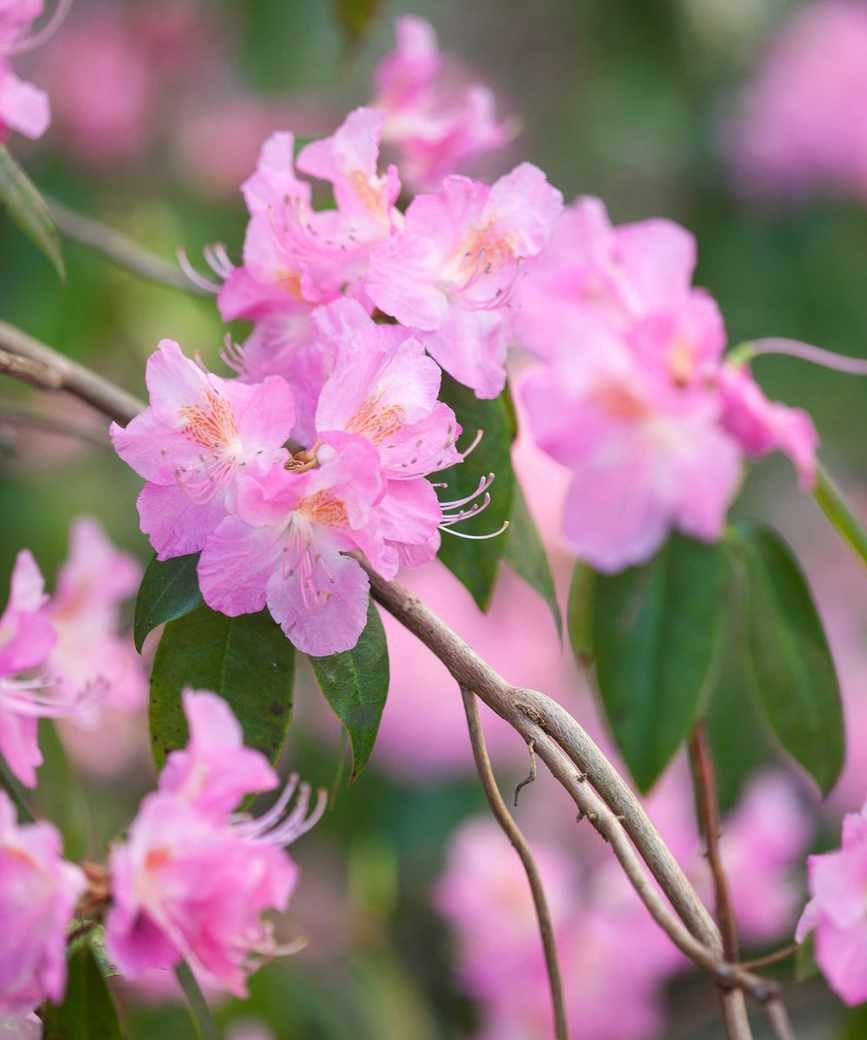
This advice focuses on pruning evergreen rhododendrons, which differs from azalea pruning techniques.
Pruning primarily aims to reduce height, enhance plant health, and promote new growth and blooms. The methods often mirror those used for other flowering shrubs.
Begin by inspecting your shrub's shape and health. Remove any dead or damaged branches, and look for visible pests or issues.
Ensure you have the right pruning tools ready to tackle the job. Consider using Fiskars pruning shears from Amazon as a dependable option.
To maintain a natural appearance, how exactly should you approach rhododendron pruning?
Timing for Pruning Rhododendrons

Knowing when to prune rhododendrons is crucial for keeping them healthy and vibrant. These hardy shrubs require minimal care but occasionally need thinning and removal of dead branches after flowering. Dan Gilchrist from Swansons Nursery offers insight:
"You can prune a rhododendron almost any time without damage, but the ideal time is a few weeks after blooming for optimal bud development for next year. Delaying may lead to fewer blooms in subsequent years, especially with hard pruning."
Deadheading your rhododendron as Dan suggests will help it focus energy on next year’s buds. Waiting too long can lead to pruning mistakes.
If a mature rhododendron appears leggy or has outgrown its space, it may need a significant prune. Knowing the right time for this task is essential.
"If your rhododendron requires a major size reduction, use a pruning saw (from Amazon) during the dormant winter months, ideally from January to March," Kris Collins from Thompson and Morgan advises. "You might lose some flowers in spring, but it gives the plant ample time to regrow."

Dan is a creative professional in gardening, landscape, and natural environments, trained as a landscape architect and graphic designer.

Kris is a writer and quality control manager, sharing gardening expertise on various topics.
Pruning Young Rhododendrons

Even young rhododendrons benefit from pruning to encourage bushy growth.
“For young or sparse rhododendrons, we suggest pinching out single growth buds as they swell to promote branching. This keeps the plant bushy,” says David Millais from Millais Nursery, which specializes in rhododendron care.
“Snap out the leading growth bud at each whorl of leaves as they begin to expand. Instead of one tall shoot, you'll create three to four bushy shoots, each capable of supporting flowers next season,” he explains.
Wear gardening gloves to protect your hands during this process. Consider using thorn-proof gloves from Amazon to shield against sharp stems.

David is a rhododendron specialist, having explored the Himalayas for varieties and is focused on breeding late-flowering species.
Trimming and Shaping Rhododendrons
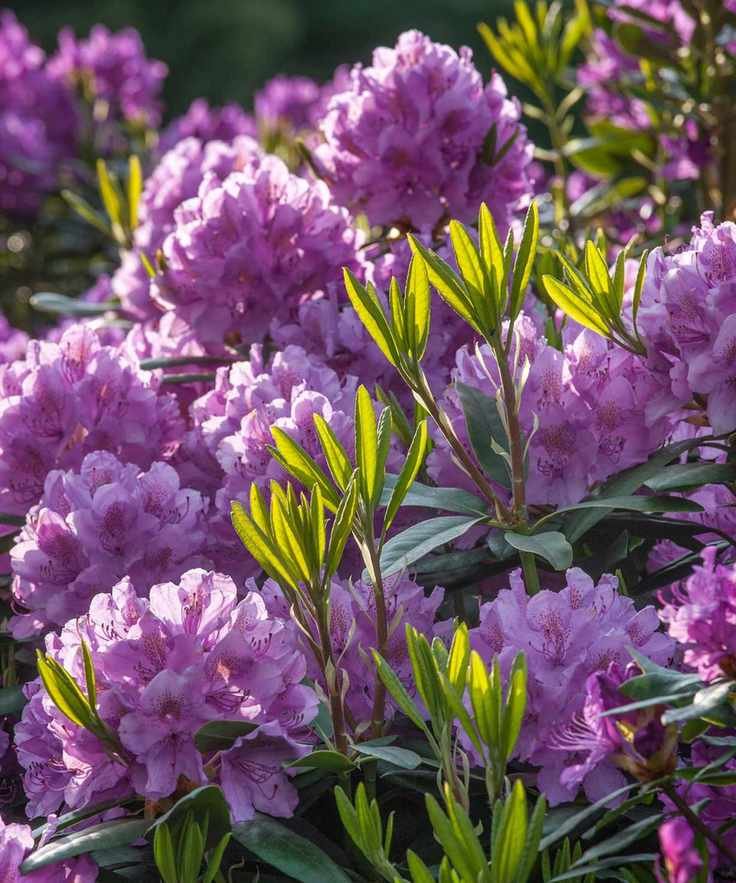
Shaping and crown lifting are vital aspects of rhododendron pruning.
SHAPING: “I avoid trimming small bits, as it can lead to a flat, hedged appearance. Instead, identify misplaced branches, find a node where branches emerge, and remove the central growth. This allows lateral branches to cover the pruning scars quickly,” explains Bethan Pettitt, head gardener at The Brantwood Trust.
CROWN LIFTING: Another way to enhance your rhododendron is to lift its crown, which Bethan calls 'stem beautifying.'
“In dense areas of mature rhododendrons where hard pruning isn’t desired, clear out thin growth from the base and main branches to showcase the unique shapes of the multi-stemmed trunks,” she advises.
“This might require follow-up in the next season. Simply run your hands over the stems the following year to remove any soft regrowth; it’s a satisfying task,” she adds.
Pruning can feel like sculpting, helping nature create a living piece of art.
“If light filters through the canopy, illuminating the stems and fallen blossoms, it enhances the beauty,” adds Bethan.

Bethan is the head gardener at The Brantwood Trust, offering advice on various gardening practices.
How to Cut Back a Rhododendron

For revitalizing older rhododendrons, established plants may require significant pruning. This should be done on a frost-free day during late winter to early spring while the shrub is dormant.
“Sometimes, a drastic coppicing is necessary. It’s best to cut back almost to the stump to encourage low growth for a bushier plant,” advises David Millais.
“If possible, retain a few green shoots to help sap circulation. New growth will emerge from dormant buds below the cut, pushing through old trunks during May and June. Smooth-barked species typically don’t respond well to coppicing,” he adds.
For heavy-duty tasks, consider using loppers (from Amazon).
Remember to clean your gardening tools after use to prevent disease spread, such as Phytophthora,” cautions Bethan Pettitt.
Always disinfect tools with a disinfectant (like this spray from Walmart) before pruning different plants to avoid cross-contamination.
FAQs
What if I Don't Prune Rhododendrons?
While pruning helps maintain a good shape, rhododendrons often don’t need it at all. Simply deadhead them after blooming in late spring to ensure the plant focuses energy on foliage rather than seeds.
If your garden allows, let rhododendrons grow naturally with minimal intervention. However, if they outgrow their space, pruning is necessary to avoid leggy and unattractive growth.
Can I Prune Rhododendrons in Winter?
Yes, but this is generally best for complete rejuvenation. According to the American Rhododendron Society, "Pruning hardened wood can occur any time except during freezing weather. Early spring is optimal as new growth has a full season to mature. Standard practice is to prune right after blooming.”
After pruning, mulch your shrub with peat-free ericaceous compost (from Amazon) or leaf mulch. If you’re growing rhododendrons in containers, replace the top few inches of soil with fresh compost.
Water with rainwater and provide ericaceous feed (like this rhododendron fertilizer at Amazon) to support recovery after pruning. Rhododendrons have shallow roots, so be cautious not to over or underwater them, as it can impact their health.



