
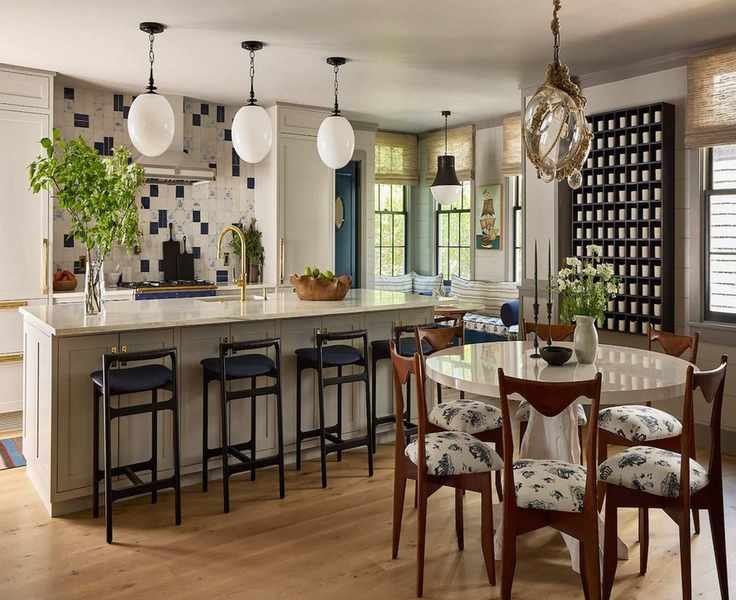
Designing a kitchen is more than choosing beautiful materials; it's about thoughtful planning and functionality. A well-designed kitchen enhances your daily experience, while a poorly planned one can lead to frustration, regardless of budget.
With years of experience in kitchen design, including visits to factories and collaborations with top designers, I understand both the theory and practical aspects of kitchen renovations. Having renovated multiple kitchens myself, I bring firsthand knowledge to this essential guide.
This guide outlines how professionals tackle kitchen design, from understanding lifestyle needs to making informed decisions about layout, appliances, storage, and more, while avoiding common pitfalls that can derail your project.
Our goal is to empower you to approach your kitchen project with confidence, ensuring you're prepared for discussions with designers and ready to make smart choices.
Understand Your Lifestyle

This kitchen combines warm timber, sleek marble, and dark cabinetry for a luxurious ambiance.
Your kitchen design should start with how you live, not just aesthetics. Before meeting your designer, document your kitchen activities during weekdays, weekends, and gatherings. This will help inform the design's functionality.
According to designer Ginger Curtis, shifting the conversation from finishes to everyday routines is crucial. Understanding who uses the kitchen and when can transform the design brief, making the kitchen a hub for family interaction rather than just a cooking area.
Be Honest About Your Needs
Don't misrepresent your kitchen habits. An infrequently used kitchen differs greatly from a busy family one. Be truthful about your cooking styles, whether you're a culinary enthusiast or prefer takeout. Identifying specific issues in your current kitchen—like lack of landing space by the sink or inefficient trash placement—will help designers craft solutions tailored to your needs.
Kitchen and Family Room Dynamics
In many homes, the kitchen serves as a central hub, connecting to the family room. Consider sightlines, noise levels, and circulation patterns when planning your space.
Ginger emphasizes the importance of zoning in the kitchen to prevent interruptions during cooking. Thoughtful island placement allows for interaction with living areas while maintaining functionality.
Counter Heights and Accessibility
Standard counter heights are around 36 inches, but personalizing this can enhance usability, especially for frequent bakers or those of varying heights. Ensure that frequently used items are within easy reach to reduce daily frustrations.
Eliminate Frustrations
Small adjustments can greatly improve kitchen flow. Ensure there's adequate landing space next to the fridge, oven, and sink, and that trash is easily accessible. Organizing the workflow logically—from fridge to prep area to cooktop—can streamline cooking processes.
Infrastructure Essentials

Plan plumbing for seamless installation in islands to maintain clean lines.
While plumbing and electrical planning may not be glamorous, they are vital. Make decisions early to safeguard your budget and timeline.
Sink Placement Considerations
Moving the sink can enhance functionality, but consider existing plumbing and the potential disruption. Relocating makes sense if it resolves significant issues like inadequate prep space or poor traffic flow.
Plan Electrical Needs Early
Map out electrical needs for appliances and lighting before finalizing cabinet layouts. Identify where you'll use various appliances to ensure outlets are strategically placed.
Water Supply and Pressure
High-demand appliances, like oversized fridges and filtration systems, require adequate water supply. Addressing water pressure issues before installation is crucial to avoid disappointment.
Effective Layouts
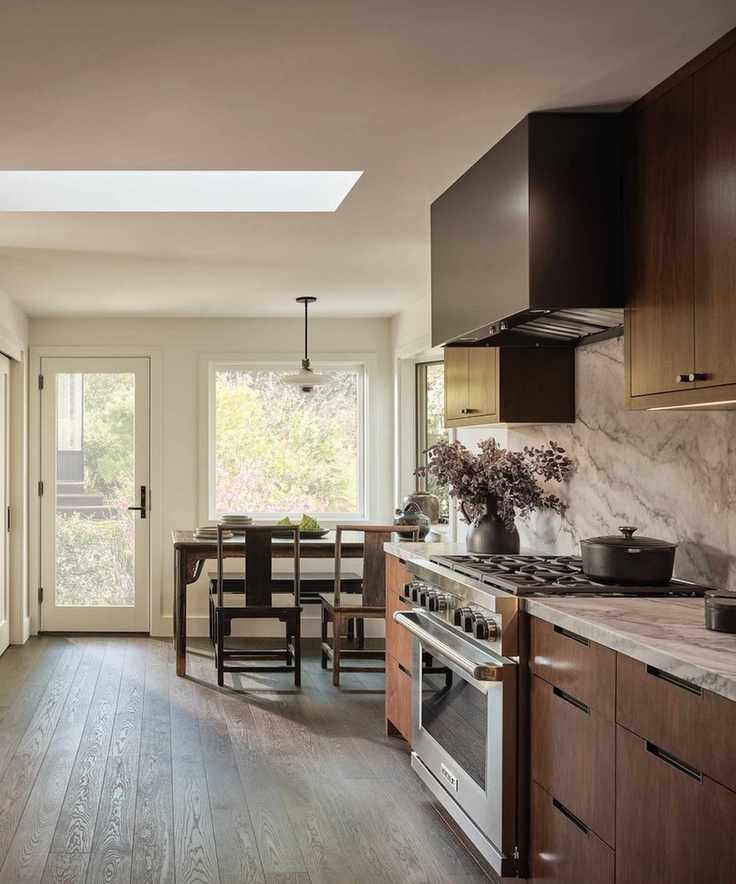
Galley layouts promote efficient workflow with cooking and dining arranged in a streamlined manner.
Kitchen layouts are crucial for functionality. The arrangement of cabinets, appliances, and walkways significantly impacts usability. Consider architecture and how the kitchen interacts with adjacent spaces.
Modern Zones vs. Work Triangle
The traditional work triangle is a helpful guideline, but modern kitchens often benefit from designated zones—preparing, cooking, cleaning, and storage—allowing multiple users to navigate the space without conflict.
Common Kitchen Layout Types
One-wall: Ideal for open spaces, emphasizing efficient storage.
Galley: Perfect for small kitchens, requiring careful clearance planning.
L-shaped: Versatile and accommodating for islands or peninsulas.
U-shaped: Offers abundant storage but can feel cramped if not planned well.
Peninsula: Provides separation and seating with less space than an island.
Island: Enhances efficiency when space allows but needs careful placement.
Walkway Clearances
Proper walkway widths are essential to prevent a cramped feel. Aim for minimal widths to accommodate movement comfortably.
Islands: A Practical Approach
Islands can enhance functionality but must be well-planned to avoid obstructing traffic. Consider alternatives like peninsulas for similar benefits with better flow.
Storage Solutions

A well-organized pantry near the main kitchen area keeps essentials handy.
Efficient storage is key to a successful kitchen. It's not about quantity but the strategic placement of cabinets.
Understand your storage needs based on daily tasks, whether frequent cooking or a preference for easy access to items. Assess your current inventory and categorize items for better organization.
Choosing Between Drawers and Cabinets
Deep drawers provide easier access than traditional cabinets, maximizing usability without the need to kneel or dig. Reserve cabinets for upper storage.
Vertical and Horizontal Storage
Vertical dividers are great for trays and baking sheets, while wide drawers work best for everyday items. Organize efficiently for visibility and accessibility.
Open vs. Hidden Storage
Open shelving can add character but requires maintenance. Use it for frequently used items while keeping less-used things concealed to promote a calm appearance.
Pantry Design
A well-planned pantry should be bright, organized, and easily accessible. Consider its location relative to the fridge for efficient unloading.
Appliances and Their Placement
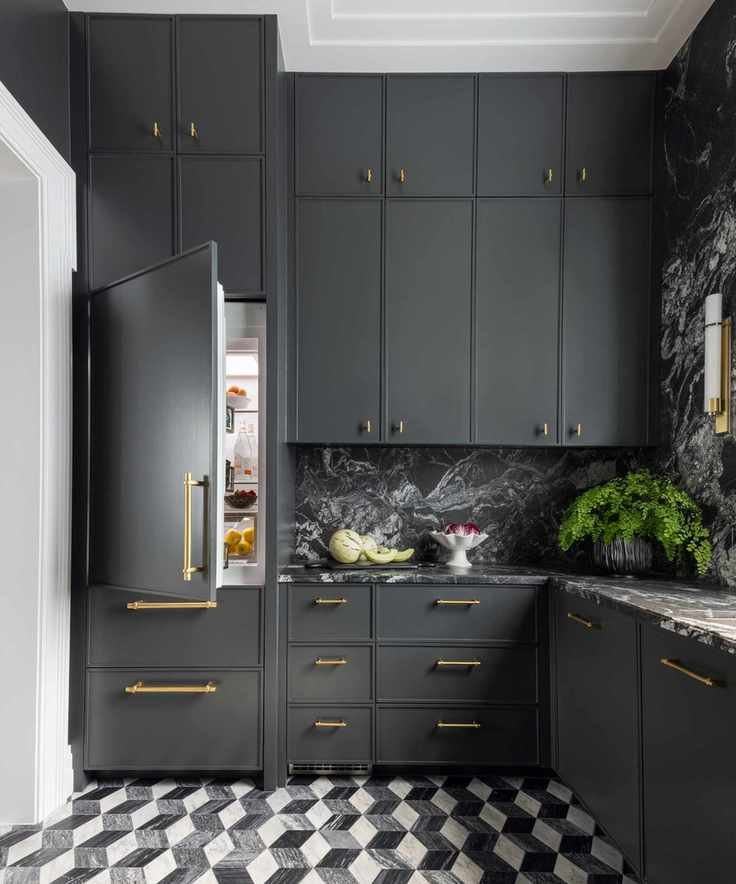
Integrated appliances create a seamless look, blending cabinetry and functionality.
Appliances should be selected alongside the layout to ensure compatibility. Establish a shopping list early to avoid missteps later.
Essential Appliance Decisions
Identify key appliances like ranges and refrigerators early in the design process to inform cabinetry and electrical planning. Consider your cooking habits and the right size for your needs.
Integrated vs. Freestanding Appliances
Your choice will influence cabinetry style. Integrated models offer a clean look, while freestanding ones can serve as focal points.
Ventilation Needs
Proper ventilation is essential, especially in open spaces. If ducted systems aren't possible, explore recirculating options. Ensure any cooking appliances are paired with appropriate ventilation planning.
Sink and Faucet Selection
Your sink should accommodate your cooking style. Consider size, material, and placement for optimal flow. Faucets should enhance usability and can include features like pull-down sprayers for convenience.
Cabinetry Choices
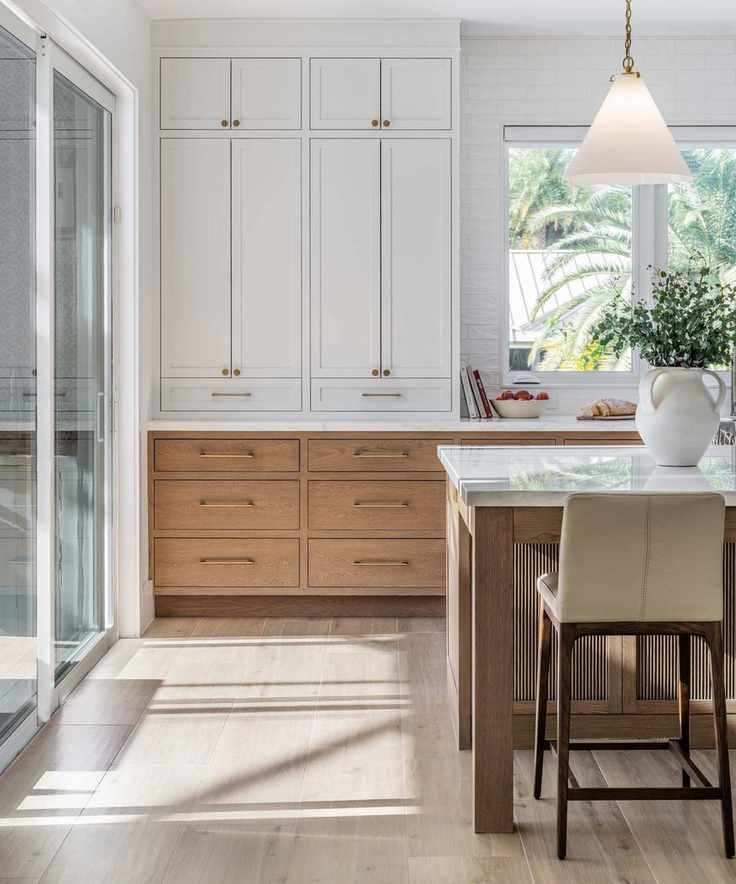
A two-tone cabinetry approach adds depth and visual interest.
Cabinetry is a significant design element and can influence overall aesthetics. Aim for a timeless look that avoids quick trends.
Cabinet Door Styles
Align cabinet designs with your home's architecture for a cohesive feel. Choose styles that enhance the overall aesthetic without overwhelming the space.
Color Selection
Opt for cabinet colors that reflect your style but remain versatile. Bold colors are great for accents, while neutrals can provide longevity.
Durability Considerations
Select finishes based on maintenance needs. Evaluate how well each option will hold up in your kitchen environment.
Layering Finishes
Layering materials can enhance visual appeal. Choose finishes that complement each other without overwhelming the space.
Countertops and Backsplash Choices

A waterfall countertop creates a visually striking feature.
Choosing the right surfaces can be challenging. Focus on practicality alongside aesthetics to ensure longevity.
Performance Considerations
Consider how your cooking style influences your surface choices. Prioritize materials that balance beauty and durability based on your needs.
Matching Surfaces
Whether to match countertops and backsplashes depends on your desired aesthetic. Cohesion can create calm, while contrasting materials can add interest.
Flooring Options

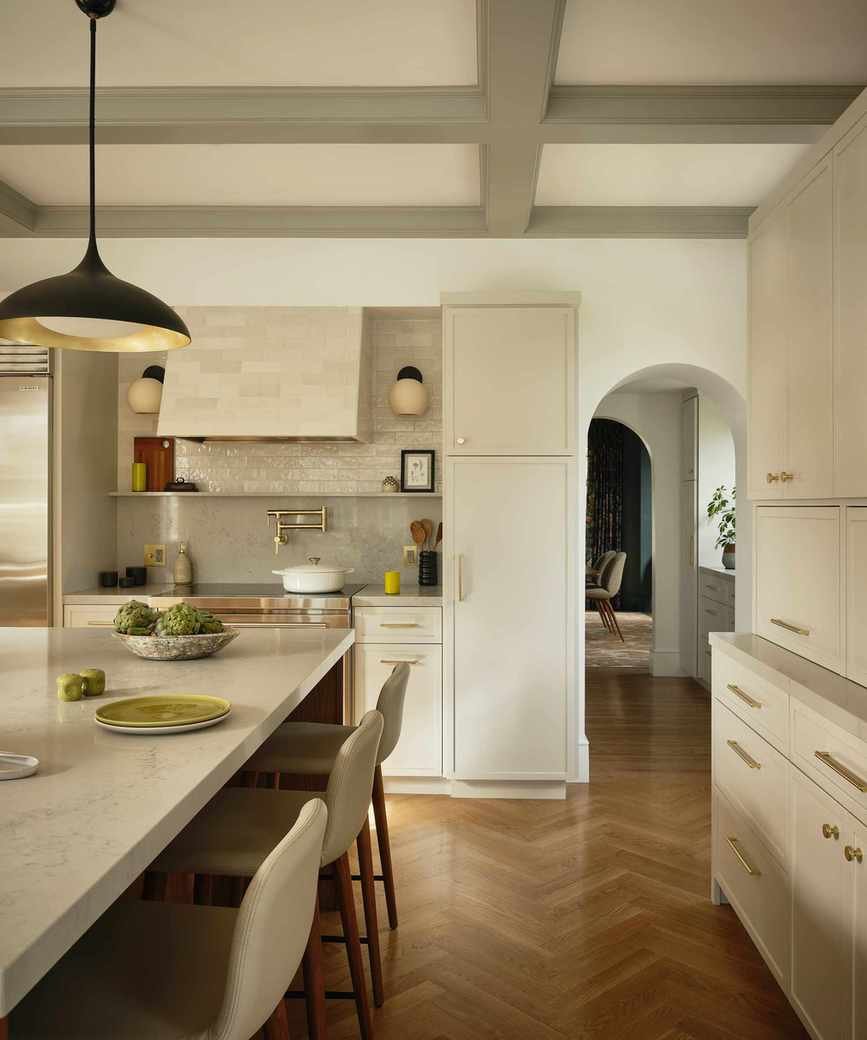
Patterned flooring enhances the kitchen's visual appeal while defining the cooking area.
Select flooring that balances style, comfort, and durability. Consider materials that suit your lifestyle to ensure practicality.
Flooring Continuity
Decide whether to maintain consistent flooring throughout or use different materials to define spaces. Each choice has its benefits and should be intentional.
Lighting and Atmosphere
Layered lighting enhances the kitchen's ambiance, making it inviting for all activities.
Good lighting transforms a kitchen's atmosphere. Assess natural light sources and plan for artificial lighting to eliminate dark areas.
Lighting Layers
Consider different lighting types: task for prep, ambient for overall glow, and accent for depth. Ensure flexibility with dimmable circuits.
Color and Light Interaction
The color of your cabinetry affects how light interacts within the space. Choose tones that complement your lighting strategy for a harmonious atmosphere.
Budgeting and Timeline

Strategic spending on key elements ensures a balanced kitchen design.
Effective kitchen design requires prioritizing essential elements. Delaying decisions can lead to budget overruns and compromises.
Smart Spending
Invest in critical items like storage, ventilation, and lighting. Focus on elements you interact with daily, such as countertops and fixtures.
Cost-Saving Strategies
Cut costs by reducing quantities without sacrificing quality. Choose impactful areas for high-end materials while opting for more affordable options elsewhere.
Early Decision-Making
Make foundational decisions early to prevent costly changes later, especially regarding major elements like appliances and sinks.
Avoiding Common Pitfalls
Ensure proper planning for all aspects, from cabinet orders to outlet placements, to avoid issues during installation.
Timely Decision-Making
Establish a timeline for key decisions, including layout, appliance specifications, and cabinet designs, to streamline the process.
Avoiding Design Mistakes

A balanced kitchen design avoids overwhelming elements while providing character.
Here are common mistakes to avoid:
1. Oversized islands. They can dominate the room and reduce storage space.
2. Insufficient storage. Assess your needs to avoid wasted space.
3. Competing materials. Ensure finishes work together harmoniously.
4. Inadequate lighting. Multiple lighting layers are essential for functionality.
5. Poor circulation. Protect your cooking zone from traffic.
6. Isolated planning. Consider the overall architectural context.
7. Short-term thinking. Choose elements that will last.
8. Designing for fantasy. Align your design with actual routines.
Most importantly, don't try to manage the project alone. A professional designer can provide invaluable insights that enhance functionality and aesthetics, ensuring your kitchen is a space you love for years to come.
Invest time in your kitchen design, and it can become the heart of your home—a welcoming space for family and friends.



