
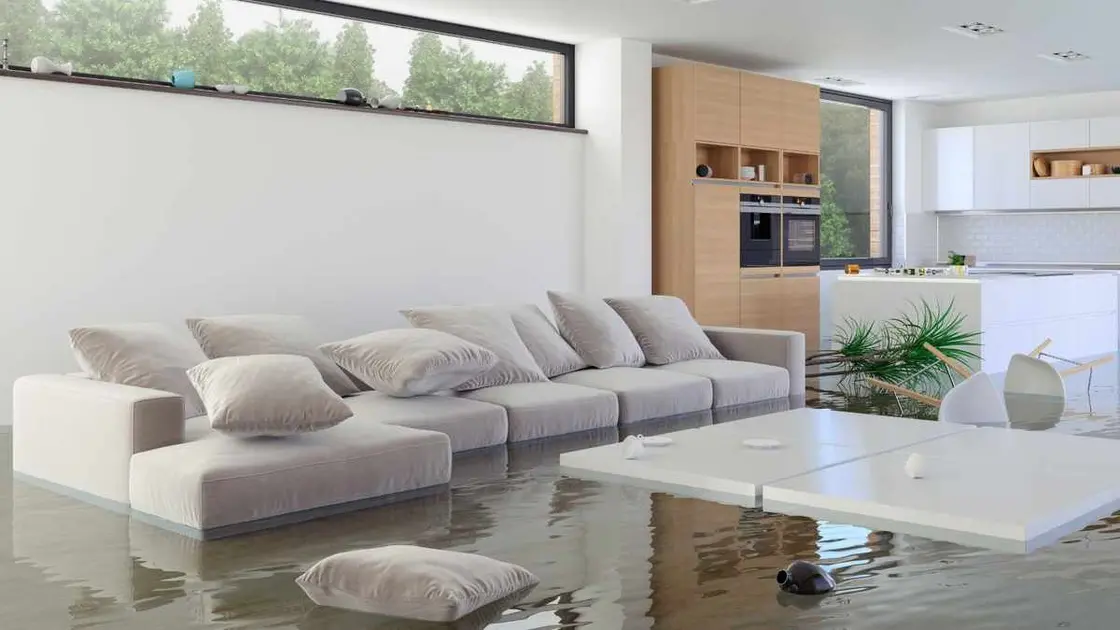
Flooding plays a role in 90% of natural disasters in the U.S., according to the Department of Homeland Security. Given that rain can lead to floods, it's vital to safeguard your home.
With flooding incidents on the rise, preparing your property with effective drainage solutions is a smart investment to mitigate potential harm.
We've gathered insights from home experts on various strategies to help protect your home from floods. Some techniques are DIY-friendly, while others may require professional assistance, but each will enhance your preparedness.
Essential Strategies to Safeguard Your Home Against Flooding
It's crucial to shield your home from flooding due to the potential damage and the risk of injuries or fatalities. Remember, flooding can lead to additional hazards, and addressing mold after a flood is vital for a healthy home.
Here are proactive measures every homeowner can implement to shield their property from flooding.
1. Adjust Grading
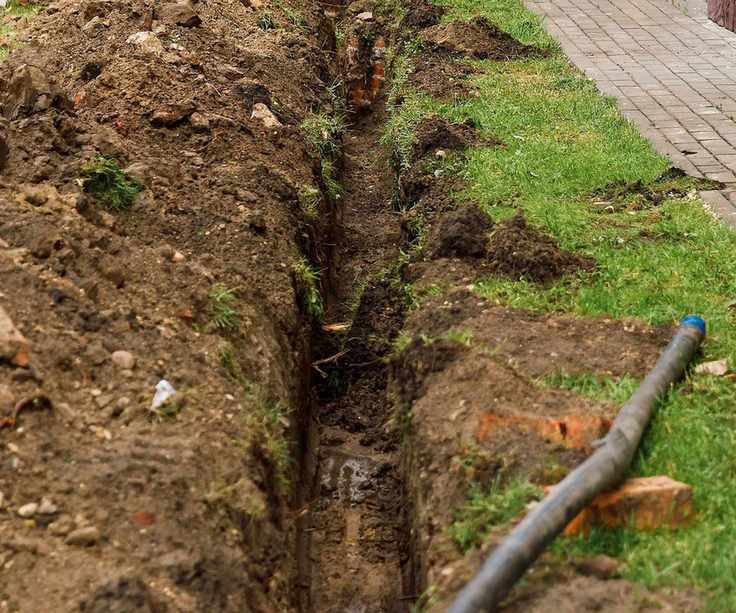
To direct water away from your property, assess your landscaping. 'Ensure proper grading so that excess water flows away from your home,' advises a landscaping expert. 'Elevate the grade around your home and create a designated low point for drainage. Installing a French drain can effectively assist in diverting water.'
Utilize garden drainage solutions to manage runoff and protect your plants.
2. Manage Runoff
Regular upkeep can yield significant benefits during severe weather. 'Clear leaves and debris from gutters and downspouts to ensure efficient water flow,' suggests a technical services director. 'Adding gutter extensions helps direct water away from the foundation.'

James Copeland specializes in restoring electronics, artwork, textiles, and documents.
3. Optimize Outdoor Surfaces

Enhancing greenery can help absorb rainwater around your home. Explore backyard and front yard landscaping that reduces hard surfaces. 'Incorporating native plants and creating natural barriers like berms can absorb excess moisture and lower flood risk,' shares an expert.
A rain garden effectively captures surplus rainwater, and permeable pavement allows water to seep through while providing a stable surface.
4. Elevate Equipment
Consider the placement of utilities and equipment. 'Raising outdoor devices like air conditioning units and heat pumps is advisable,' an expert notes, reminding homeowners to comply with local building regulations.
5. Secure Fuel Tanks
According to FEMA, outdoor fuel tanks should be anchored. 'Secure them to a heavy concrete slab or use ground anchors with metal straps to withstand floodwaters,' they recommend.
6. Implement Flood Vents and Barriers

For interior protection, consider flood vents and barriers, which fall under wet and dry floodproofing. 'Wet floodproofing allows floodwater into a building to minimize damage, while dry floodproofing prevents water entry,' explains a floodplain manager.
Different barriers, both temporary and permanent, are available. 'Evaluate your property's flood risk and local regulations before choosing a solution,' suggests a technical services director.
7. Install a Sump Pump
A sump pump is a valuable defense against basement flooding. 'Installing one helps remove water from basements and crawlspaces,' an expert clarifies. Ensure it's correctly set up, adequately maintained, and has a backup power source.
8. Safeguard Sewer Lines
Prevent backups by installing check valves in your sewer lines. 'This can keep floodwaters from entering your drains,' advises a technical expert. A licensed plumber can assist with this installation.
9. Seal Walls
Identify potential water entry points and seal them. 'Apply waterproof sealants on basement walls and floors to prevent seepage,' suggests a technical services director.
10. Protect Indoor Equipment

Raising certain indoor units can provide additional protection. 'Some systems, like HVAC units, can be mounted on walls or suspended from ceilings if designed for such placement,' advises an expert. Consult a licensed contractor to explore your options.
11. Elevate Electrical Components
Raising electrical systems is crucial in flood-prone areas. 'New constructions should place electrical components above the design flood elevation to protect them from water damage,' a technical services director explains.
Elevating the entire structure or critical components can be a long-term solution. Consult local code officials for elevation requirements.
12. Anchor Indoor Fuel Tanks
For indoor fuel tanks, FEMA emphasizes the importance of anchoring as well. Attach them to a substantial concrete slab to withstand flood forces.
13. Choose Flood-Resistant Materials
Selecting appropriate materials for areas susceptible to flooding can mitigate damage. 'Using flood-resistant materials like ceramic tile, concrete, and pressure-treated wood is advisable for flooring and walls,' shares a technical expert.
14. Safeguard Valuables

Protect vital documents and items. 'Store important papers in waterproof safes or boxes,' advises a technical services director. Keep duplicates in secure locations or consider digital backups.
15. Consider Insurance
Obtaining flood insurance is a wise choice for protecting your home and possessions. Standard homeowners' policies often don't cover flood damage, so a separate policy is typically necessary.
Additionally, maintain an inventory of your valuables. 'Create a detailed list of electronics, appliances, textiles, and collectibles, including images and receipts for each item,' suggests an expert.
Preparedness Tips
What can be used instead of sandbags for flooding?
Explore alternatives to sandbags for flood prevention.
'Portable flood barriers are effective and come in various forms, including inflatable and water-filled options,' shares a technical services director.
'Self-inflating flood bags are compact and can stack to form barriers, automatically inflating when exposed to water. However, they aren't suitable for salty environments,' he notes.
Removable flood walls can be installed and taken down as needed, providing long-lasting protection with features that enhance their effectiveness.
Water-gate barriers are flexible, self-inflating tubes that can quickly create a barrier. They adapt to the landscape's shape.
Flood shields or panels are made of reinforced materials and installed over windows and doors for added protection.
Be flood-ready. 'Prepare an emergency action plan and kit with essentials like food, water, medicine, important documents, flashlights, and fully charged communication devices,' advises a technical services director.



