
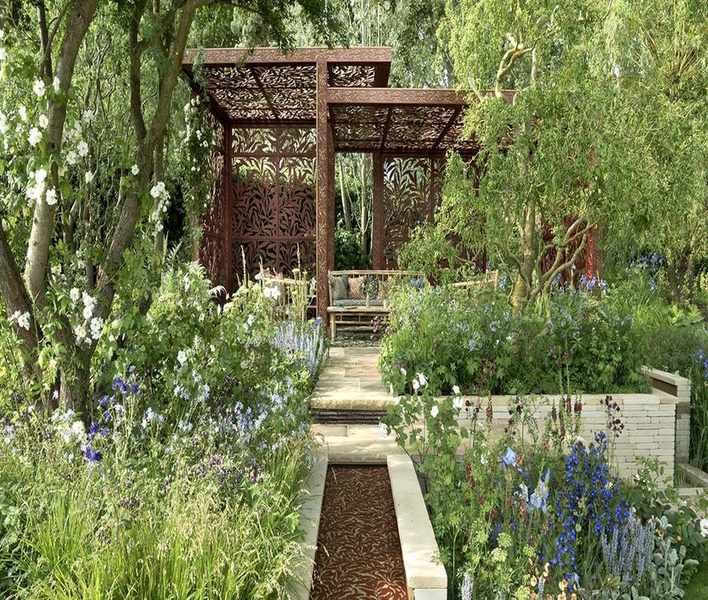
Implementing garden drainage solutions is crucial for homeowners in regions prone to heavy rainfall. Without adequate measures to manage water run-off, flooding can occur, damaging flower beds and harming plants.
Puddles on patios or decking can lead to deterioration, requiring more frequent maintenance and posing safety risks. Slipping in your outdoor space is a concern no one wants.
“Recent climate changes have significantly impacted garden design trends,” explains a landscape expert. “With heavier rainfall and droughts becoming common, designers must integrate drainage solutions into their layouts.”
“Every garden should have proper drainage, especially in flood-prone areas. Creative rainwater management solutions enhance functionality,” they add.
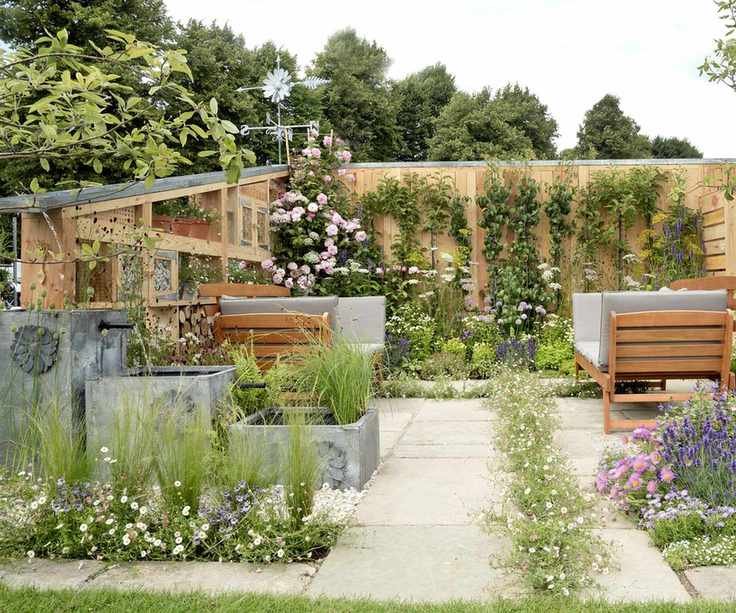
Modern garden designs prioritize effective drainage
Top 5 Garden Drainage Solutions to Combat Flooding
“Ineffective drainage can hinder plant growth,” says a landscape maintenance professional. “Our design approach focuses on creating a solid base to facilitate water movement through the garden.”
1. Enhance Your Lawn's Water Absorption
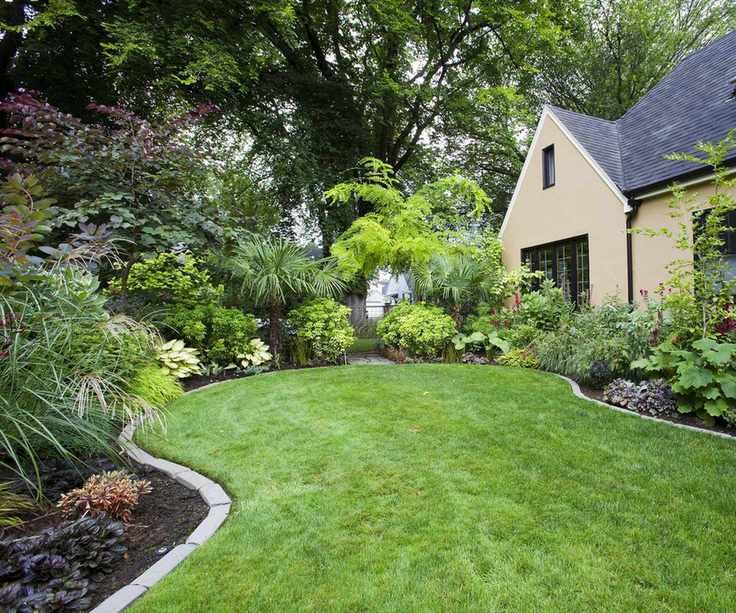
Keep your lawn from becoming waterlogged
A waterlogged lawn is a gardener's nightmare. Excess moisture compacts the soil, suffocating grass and transforming it into a muddy mess. However, this can be avoided.
A lawn care expert recommends a comprehensive lawn care regimen, including regular aeration. “Aeration is crucial for improving your lawn's resilience during floods,” they note. It creates space in the soil for optimal water absorption.
For effective results, it’s essential to use the correct aeration method. “Simply using a fork won’t enhance soil structure significantly,” they state.
Opt for a plug aerator like the Jardineer Plug Aerator at Walmart. Leave the plugs in place as they will naturally decompose into the soil.
Also, avoid artificial grass in flood-prone areas. “Synthetic turf doesn’t drain as effectively as natural grass,” they advise.
2. Construct Decks with Drainage in Mind
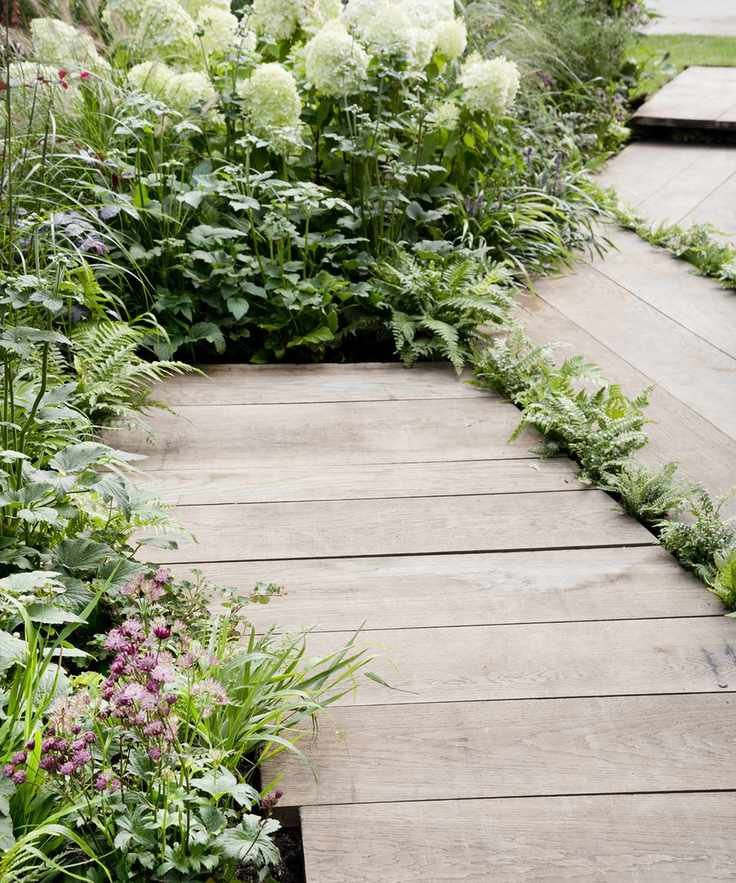
Decking with gaps improves drainage
Without proper drainage strategies, wooden decks are susceptible to rot and mold, while pooling water can erode the soil beneath. This may lead to structural issues and attract pests.
Ensure adequate spacing between deck boards to minimize puddles. Use flashing beneath the deck as a moisture barrier, and consider installing a drainage system to direct water away.
Utilize products designed to keep water away from joists and beams, such as corrugated plastic sheets, ensuring they are watertight.
Alternatively, create a sloped surface below the deck to manage water drainage effectively.
3. Integrate Drainage in Patio Design
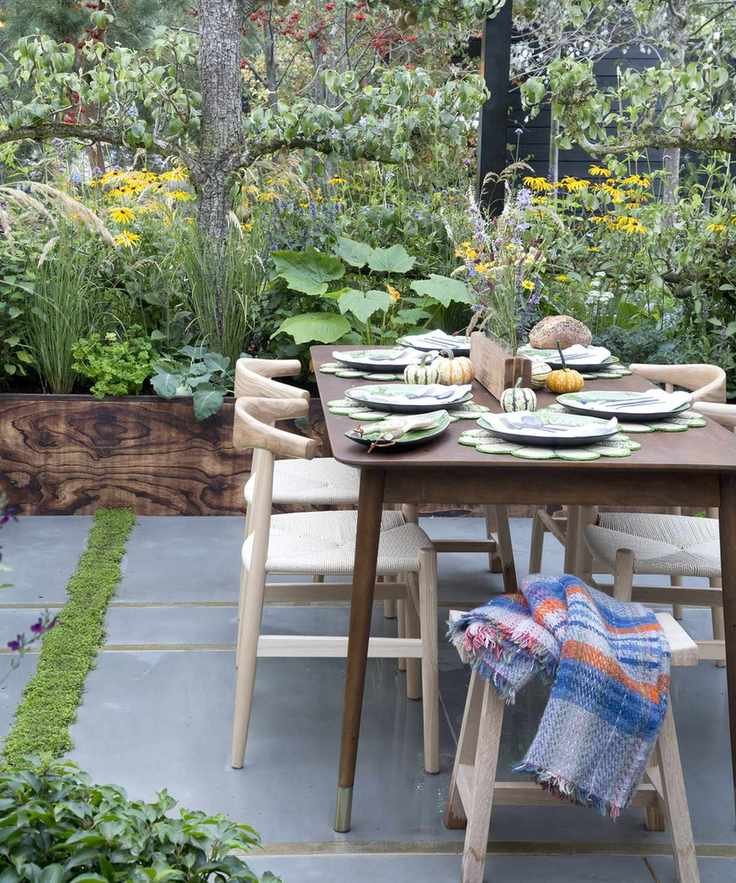
Patios designed for drainage last longer
No one wants puddles ruining their patio area, making drainage essential in outdoor spaces.
Installing drainage channels is a practical solution for patios and driveways, particularly around garages. These channels direct water to storm drains or soakaways—gravel-filled pits that allow water to seep into the soil.
Using permeable paving or a gravel patio reduces standing water. A gentle slope can also help direct rainwater to flower beds or drainage areas, which is particularly useful when designing a new patio.
4. Improve Flower Bed Soil Structure
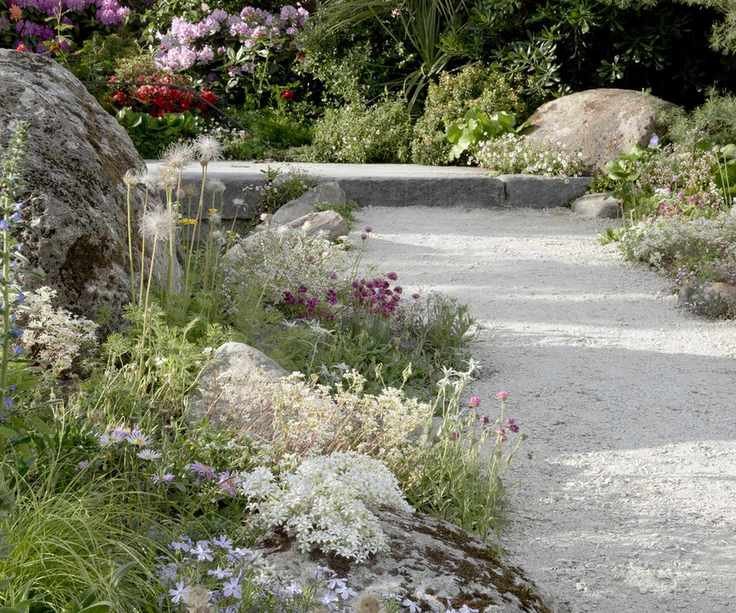
Protect your plants from flooding
Incorporating grit into your flower bed soil will improve drainage. Adding organic matter and balanced fertilizer in spring, topped with mulch, also enhances soil structure.
If you experience frequent rain, consider raised garden beds for better drainage and manageable soil structure.
Choose plants suited for wet soil to minimize damage in areas prone to excess water.
5. Get Creative with Rain Gardens
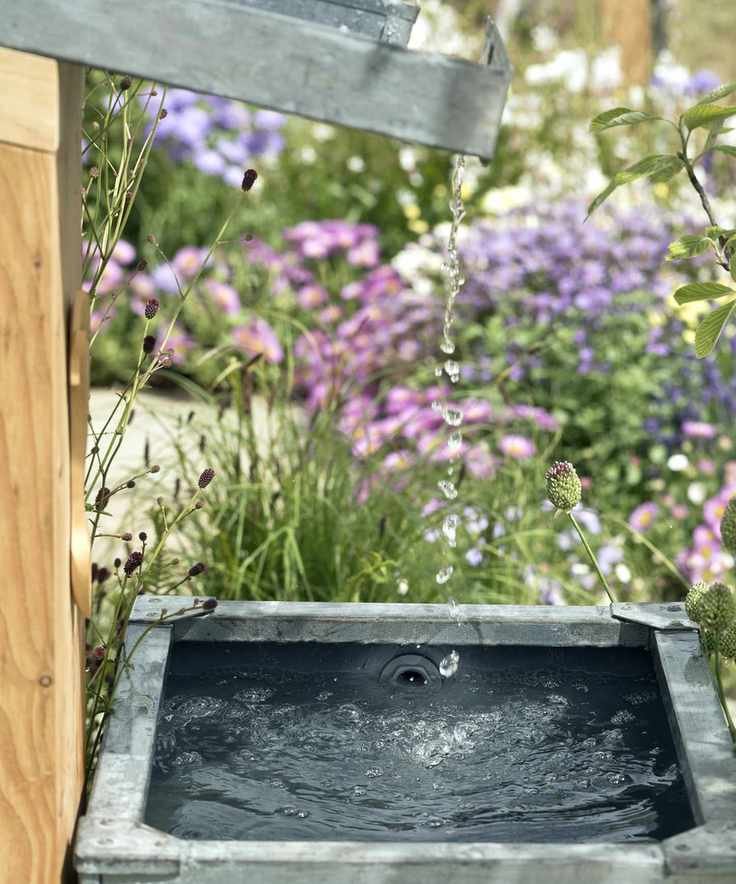
Utilize rainwater with barrels
Think outside the box with garden drainage ideas by creating a rain garden to collect excess water naturally.
Green roofs absorb rainwater, reducing run-off while enhancing aesthetic appeal and supporting wildlife.
Consider adding water butts for a more sustainable garden. Create channels to direct rainwater to a dedicated rain garden, using features like rills, rain chains, and small ponds.
What to Do After Your Garden Floods
If your garden has flooded, act quickly. Clear debris and check that storm drains are not obstructed. Washing hard surfaces like patios can help remove contaminants.
Using a pressure washer can be helpful for cleanup. Wear protective gear while cleaning.
Refrain from walking on waterlogged grass to avoid worsening conditions.
If your vegetable garden floods, it’s best to discard any near-harvest crops, as they might not be safe. Avoid growing salads or raw vegetables for two years post-flood due to potential disease spores. Cooking vegetables are generally safe to grow after a year.
Surprisingly, once your garden dries out, it’s essential to water thoroughly during dry spells, as plants might be more vulnerable to drought stress.
To reduce surface water runoff, consider installing a French drain in your yard as a quick solution for waterlogged soil.
If your home has flooded, our guide on preventing mold after a flood may be beneficial.



