
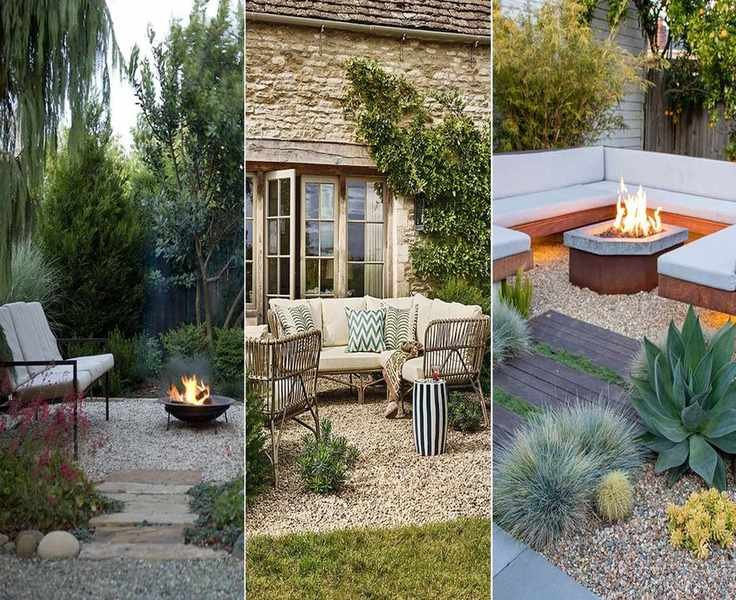
Gravel patios are not only stunning but also low-maintenance and affordable, making them perfect for a relaxed seating area in your garden. This popular landscaping option adds an inviting charm to your outdoor space.
Comprising small, rounded stones and crushed rock, gravel is accessible, budget-friendly, and adaptable to various patio designs. Its satisfying crunch underfoot, along with moisture retention and weed suppression properties, makes it a practical choice for diverse garden layouts.
Moreover, gravel effectively establishes firebreaks. “Gravel is essential in fire-prone regions, especially near homes,” states Elliot Kaplan, founder of Wildwood Landscapes. “It’s crucial to keep flammable materials away from your house.”
12 Gravel Patio Ideas to Elevate Your Outdoor Space
Whether refreshing an existing patio or creating a new one, these gravel patio ideas, along with insights from top landscape designers, will inspire your design journey.
1. Embrace a Cozy, Traditional Aesthetic
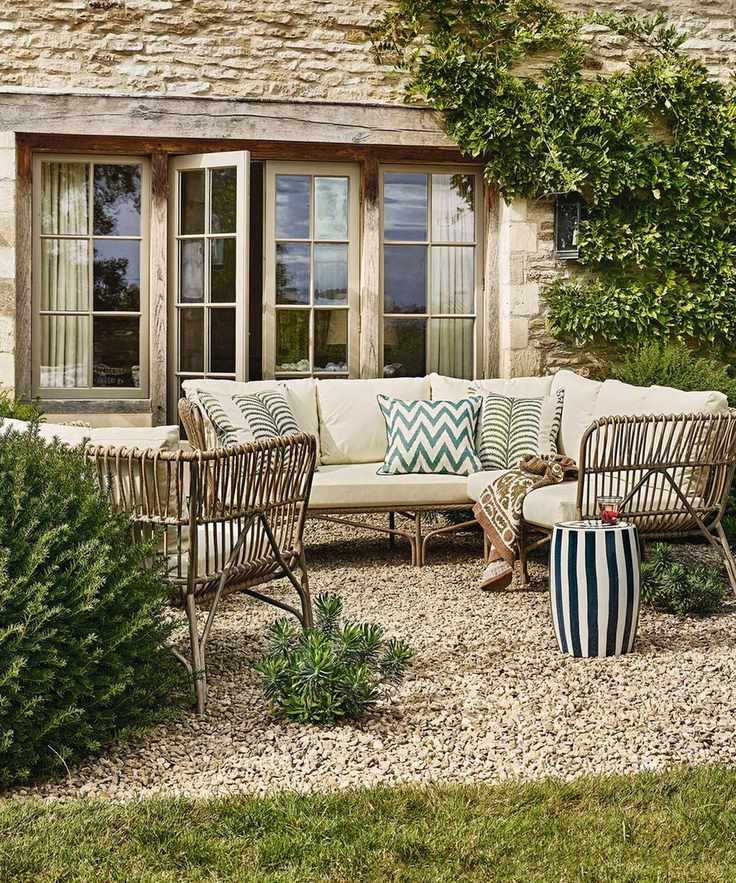
Gravel seamlessly complements a neutral outdoor theme. Weybourne three-seater sofa and corner extension from Oka
Think gravel is too rough for a welcoming patio? Think again! This textured material unifies irregular plots and multi-level yards beautifully. The natural hues of gravel pair wonderfully with stone walls and rattan furniture, making it a classic choice for cottage-style patios.
2. Opt for a Sleek, Modern Gravel Patio
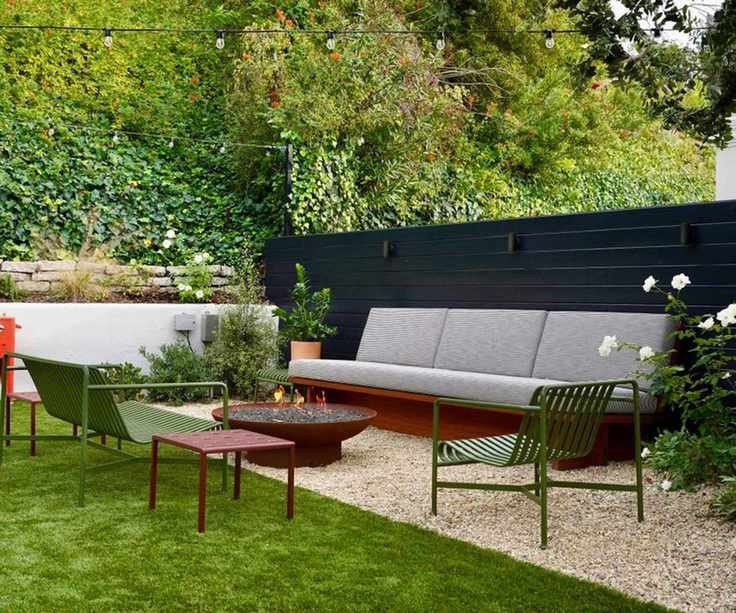
Gravel can also enhance contemporary outdoor designs. Clean lines create a sleek aesthetic, but consider adding garden edging to maintain those sharp angles.
“Using gravel and pebbles adds a natural touch to any garden,” say Kate and Ryan Gross, owners of Kate Anne Design. “The gravel tones contrast gently with plantings, making them stand out.”
For practicality, opt for softer pebbles underfoot. “We prefer 3/8" pebbles or Mexican pebbles for comfort,” they recommend. “Adding a stabilizing layer beneath helps prevent uneven walking.”

With over two decades of design experience, Kate and Ryan founded their Los Angeles-based landscaping company to deliver comprehensive design and build services.
3. Conserve Water with Gravel
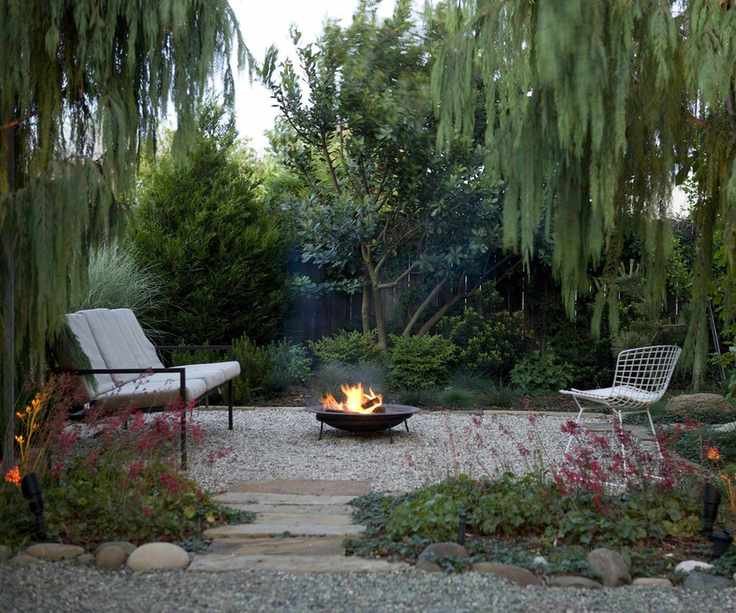
This backyard by Lane Goodkind + Associates thrives with minimal rainfall
Gravel patios offer aesthetic benefits and practical advantages in various weather conditions. Its permeability channels rainwater into the ground, preventing flooding and managing runoff. The stone layer also reduces evaporation, keeping soil moist for robust root growth.
Landscape architect Lane Goodkind emphasizes native planting and harmonizing with the local landscape. In his Greenhouse project, he shares, “We salvaged most materials on-site, with gravel helping the garden thrive on minimal irrigation.”
4. Substitute Lawn with Gravel Patio
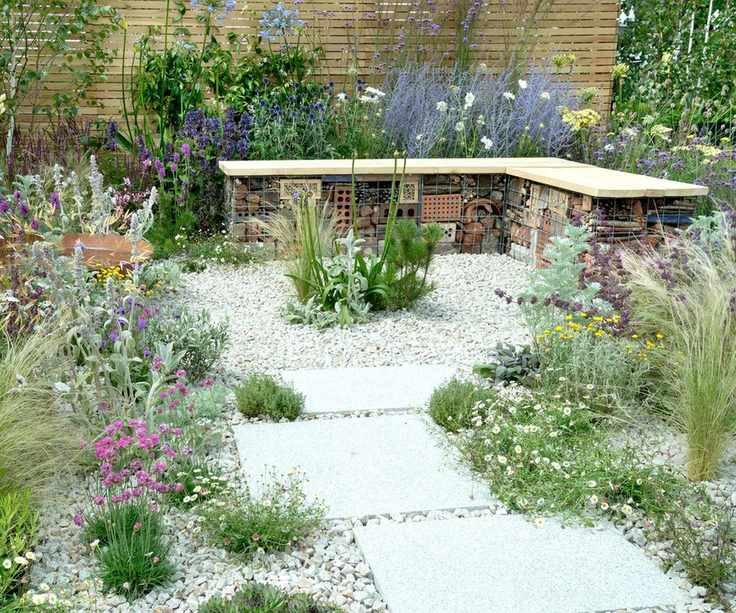
Struggling to maintain a lawn? Consider a gravel patio.
Transforming a failing lawn into a gravel patio saves time and enhances your outdoor space's aesthetics. With the right edging and materials, you can minimize future maintenance needs.
Fine crushed gravel packs down for stability, while its rustic look fits perfectly in secluded settings, like this wildlife garden complete with a unique bug hotel bench.
5. Pair Informal Gravel with Coastal Plantings
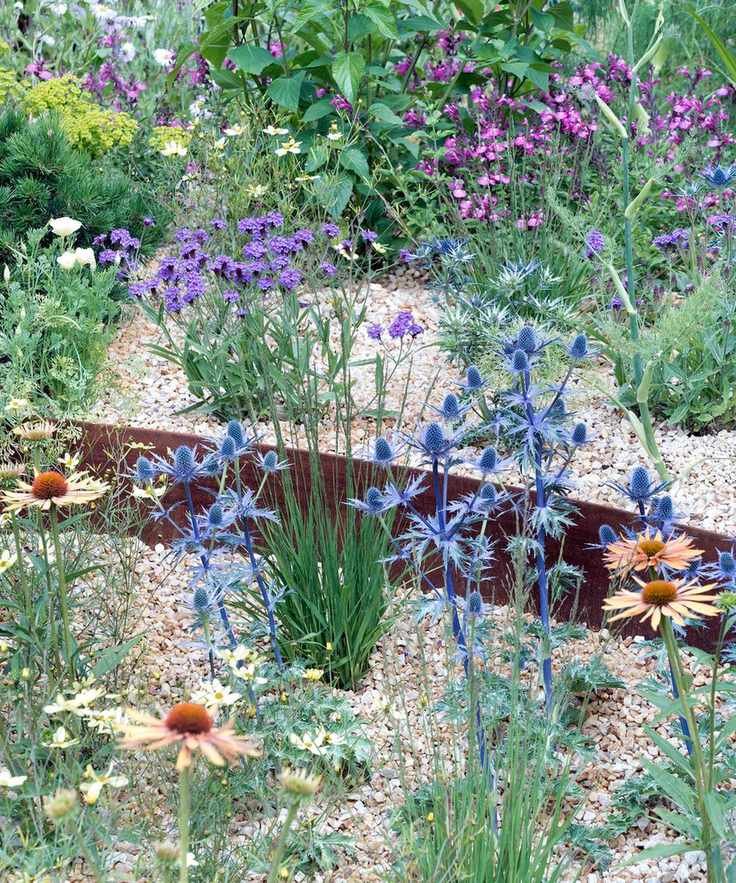
Add coastal-inspired touches to your gravel patio.
Incorporate bleached timber, smooth pebbles, and airy coastal plants into your gravel patio. This informal design creates a serene coastal vibe effortlessly.
Use a mix of amber and white gravel for a bright finish and edge with untreated timber or Corten steel for a modern touch. Coastal plants like Eryngium and sea kale thrive in these conditions, perfect for low-maintenance coastal gardens.
6. Select Gravel for Entertaining Spaces
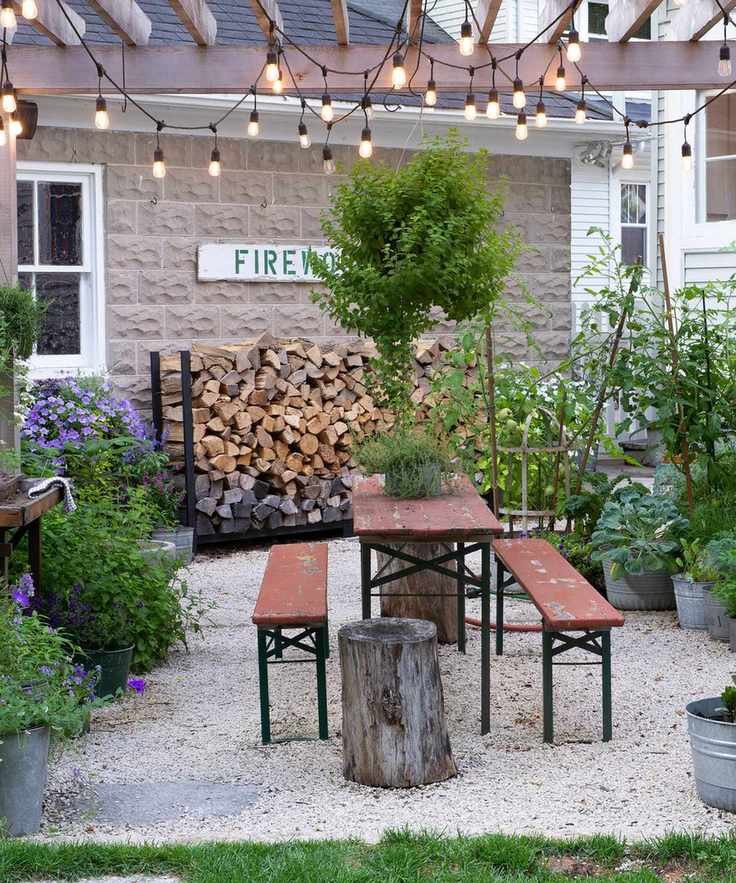
Gravel may not provide an even surface like paving, so plan accordingly. Design by Gingko Leaf Studio
When choosing gravel for your patio, prioritize functionality as well as looks. “Gravel is a cost-effective alternative to paving materials,” advises Jim Drzewiecki, principal at Gingko Leaf Studio. “Consider the gravel size based on how you’ll use the space.”
For furniture placement, choose flat or jagged gravel pieces for better stability. “Avoid round gravel as it can feel unstable,” he cautions.
7. Use Gravel to Expand Your Area
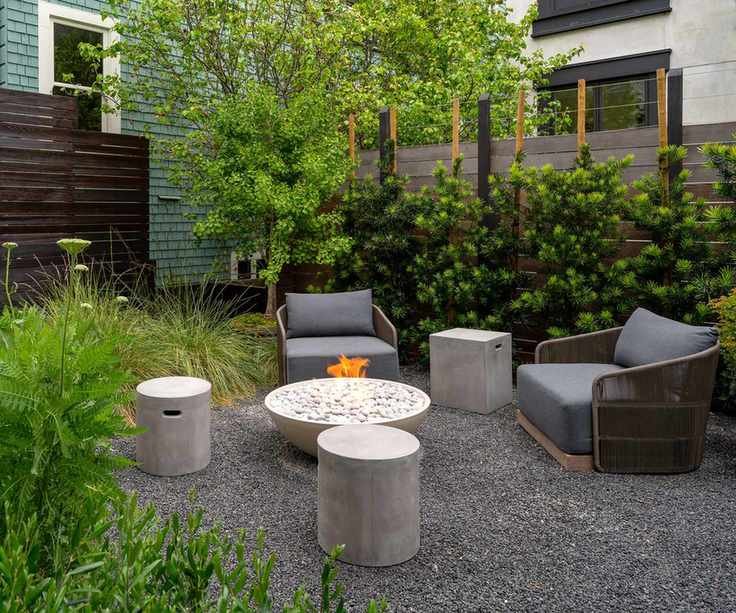
This Californian backyard features a low-maintenance gravel area designed by Seed Studio
Gravel's adaptable nature visually enlarges spaces, especially in small backyards. It can quickly cover ground up to boundaries and around fixed features, creating a unified, seamless area.
Designer Steve Ritchey used this technique in a chic San Francisco project, choosing gravel to soften hardscapes and enhance the natural feel of the yard.
8. Create Contrast with Gravel
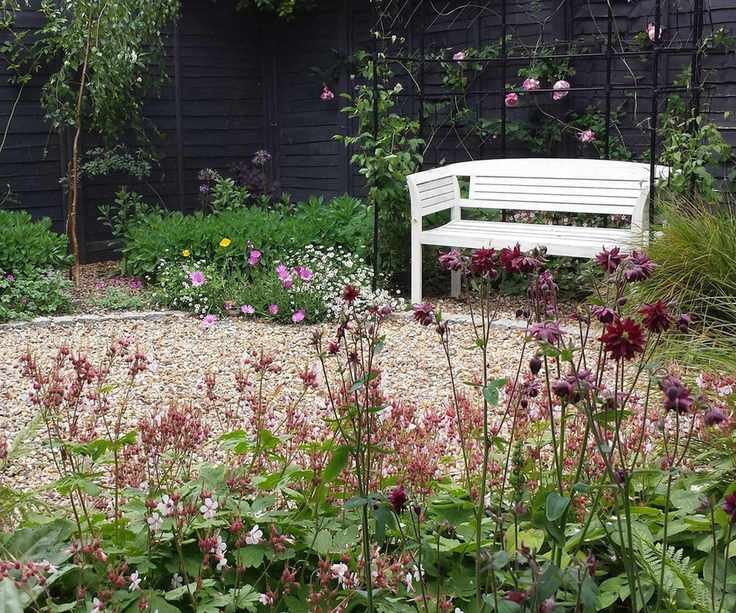
Pair light gravel with dark elements for striking contrasts, as shown by Fenton Roberts
Let gravel shine by contrasting it with dark structures and lush plantings. A light stone mix brightens shadowy areas, while dark borders amplify visual interest.
Designers Jo Fenton and Anne Roberts emphasize the need for a retaining edge to keep gravel in place, suggesting granite setts or flexible metal edging for a sophisticated finish.
9. Use Gravel for Smooth Transitions Between Areas
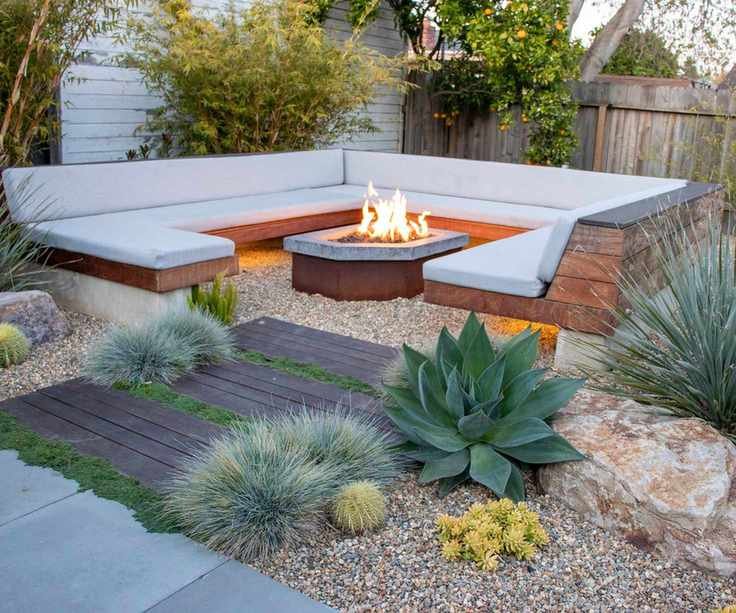
This gravel patio designed by Wildwood Landscapes serves as a central gathering spot.
Gravel’s flexibility makes it ideal for creating walkways and patio areas in unconventional layouts. Raking it around plants and fixed features is easy, resulting in a polished look compared to traditional paving.
“Gravel enhances walkability and connects outdoor spaces,” says Elliot Kaplan of Wildwood. “Unlike wood mulch, it integrates well with walkable areas and gardens.”
10. Combine Gravel and Pavers for Unique Designs

Mix materials for a textured patio aesthetic.
For a decorative touch, combine brick pavers with gravel. Use these materials to create patterns that add visual interest while keeping the gravel contained.
For a cohesive look, choose pavers in similar tones, emphasizing patterns and textures. Proper preparation is key: mark the area, dig down 5 inches, and edge it with your chosen material before adding a compacted base and gravel.
11. Make Gravel Your Primary Landscaping Material
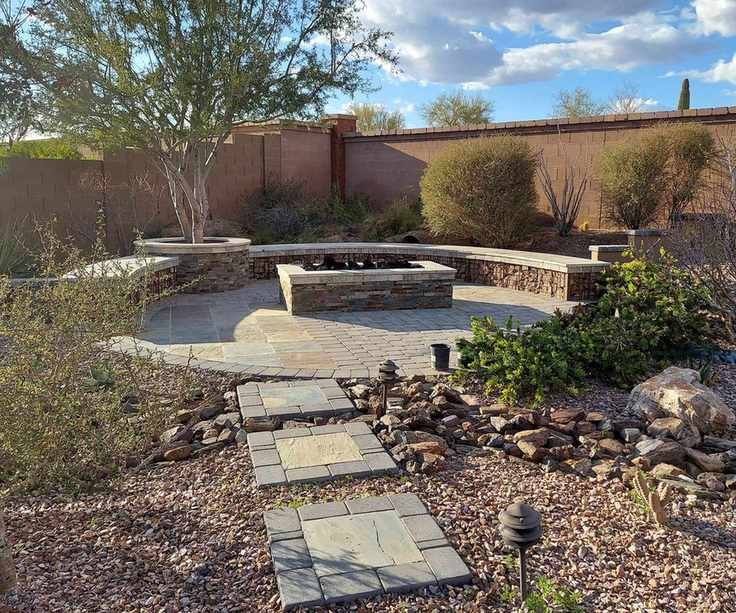
Surrounding a paved area with gravel enhances the overall design. Project by Gingko Leaf Studio
Choosing the right gravel color greatly impacts your patio's feel. “Coordinate gravel with surrounding elements for a cohesive look,” suggests James M. Drzewiecki. This creates a polished finish and harmonizes with adjacent landscaping.
Consider various edging options, from simple metal to rustic cobbles. Gravel can also replace wood mulch in flower beds, but be mindful of heat radiating onto nearby plants.
12. Keep it Bright with White Gravel
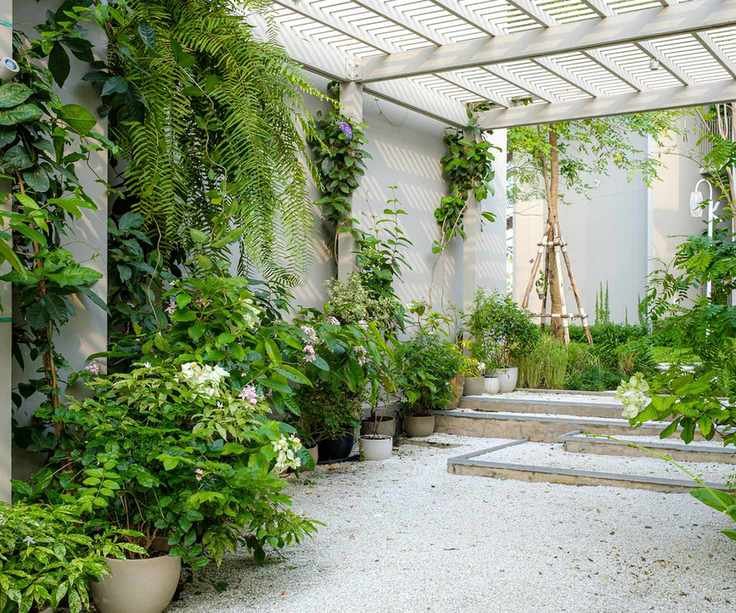
White gravel enhances greenery, making it a standout feature.
For a fresh, airy vibe, white gravel instantly transforms dull areas. It visually expands spaces and reflects light beautifully.
Pair gravel in shades like Arctic white or French white with whitewashed elements such as trellises or pergolas for a stunning effect. Maintain its cleanliness by promptly removing weeds and using a pressure washer to refresh the surface.
Preparing Ground for a Gravel Patio
Proper site preparation ensures a successful gravel patio. “Clear weeds, debris, and uneven surfaces,” advises landscape designer Amber Freda. “Level the soil and fill in low spots with topsoil.”
Use metal edging to contain gravel and prevent mixing with adjacent areas. After laying weed barrier fabric, pour gravel on top, leveling it with a rake.
For a polished finish, trim any exposed fabric and hose down the gravel to remove dust.
What Depth for a Gravel Patio?
Thorough preparation is key for a gravel patio. Start with a compacted base of crushed stone about 5 inches deep, then edge the area at least 1 inch above the finished height. Finally, add a 1-inch layer of decorative gravel, raking it evenly before placing furniture.
Gravel patios suit both traditional and modern gardens and can easily match various garden color palettes. Their DIY-friendly nature also makes them an attractive option for budget-conscious projects.



