Gardens near the ocean offer a unique opportunity to incorporate a variety of coastal plants that thrive in challenging conditions. These resilient plants are designed to withstand drought, strong winds, salty air, and poor soil, making them perfect for coastal landscapes.
Many selections for coastal gardens overlap with those for dry gardens. Look for light-reflective silver foliage, gently waving grasses, and vibrant, low-growing flowers that peek through gravel and rocky gardens.
Even if you don’t live by the ocean, you can bring the relaxed, wild beauty of coastal plants to your own garden. These colorful and textural varieties thrive in sunny spots with well-drained soil, and they are generally adaptable to various conditions.
Top Coastal Plants
Many Mediterranean plants with silvery, spiny, or waxy leaves are not only drought-resistant but also perfect for coastal gardening. However, it’s important to check the hardiness of these plants in your region, advises garden designer Sue Townsend.
Explore flower bed ideas from our curated list of top coastal plants that will flourish in exposed garden areas.
1. Lavender

A classic choice for drought-tolerant gardens, lavender is well-suited for coastal areas. Its thick-skinned leaves help retain moisture, and it thrives in light, nutrient-poor soil while tolerating a bit of neglect.
Lavender loves full sun, and once you learn how to cultivate it, you can experiment with various types to find which ones flourish in your garden.
2. Sea Holly – Eryngium 'Sapphire Blue'

Sea holly is a favored coastal plant with its unique, serrated leaves and oval flowers that bloom from June to August.
This plant can thrive in poor soils and is easily cultivated in dry, sandy, well-drained areas with full sun, making it an excellent choice for sloped gardens.
It is hardy in USDA zones 5-9 and prefers to remain undisturbed once established, as it does not appreciate being moved.
3. Sea Thrift – Armeria Maritima

Sea thrift, or Armeria maritima, is a low-growing plant that produces lovely pink flowers. According to Sue Townsend, “Plants that thrive in crevices, like sea thrift, can add vibrant splashes of color.”
This robust plant looks stunning at the front of borders or along pathways, and it does well in exposed locations, thriving between rocks and boulders in coastal-themed landscaping or as part of a rock garden.
4. Artemisia

Artemisia, with its silvery foliage, is another excellent choice for coastal gardens, according to Sue Townsend.
This herbaceous perennial features delicate, white-haired leaves and serves as a beautiful backdrop to the vivid blues and pinks of other coastal plants.
It adapts well to gravel gardens and can thrive on sloped sites.
This fast-growing plant can be planted almost any time of the year, but be sure to check that your variety is not invasive in your area, as some species can be problematic.
5. Mexican Feather Grass – Stipa Tenuissima

Grasses like Mexican feather grass are ideal for sandy, sloped areas.
Very drought-resistant, this grass can grow up to 2 feet tall and 1.5 feet wide, featuring fresh green leaves that sway gently in the summer breeze.
Mexican feather grass prefers full sun and the rocky, gritty soils typical of coastal environments.
6. Sea Campion – Silene Uniflora

The low-growing sea campion forms mat-like clumps, making it well-suited for gravel gardens. Found on cliffs and shingle beaches, it has grey-green leaves and charming white flowers.
Hardy in USDA zones 3-7, sea campion also works well in container gardening and can enhance the garden with its gentle blossoms among textured foliage.
This perennial can tolerate poor soil, heat, and drought, but it thrives best in fertile, well-drained soil.
7. Red Hot Poker – Kniphofia
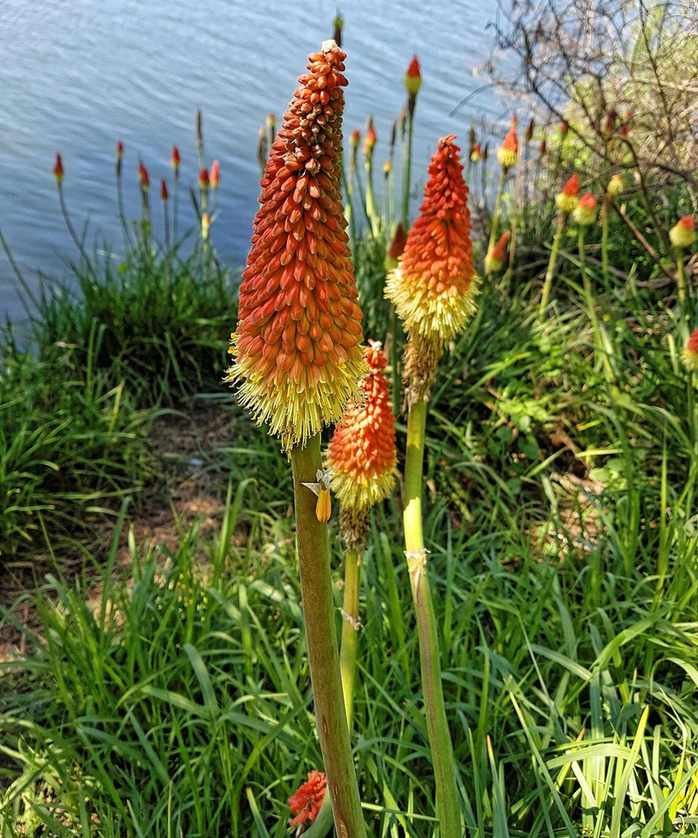
This perennial herb showcases vibrant red and yellow flowers along with narrow, grass-like leaves found in California's coastal ranges.
Its bright blooms add a burst of color to coastal gardens during the summer.
With some varieties reaching up to 5 feet tall, it certainly makes a statement in any garden and attracts hummingbirds. It thrives in full sun and well-draining soil.
8. Santolina

Santolina, with its silver, woolly leaves and bright yellow button flowers, is ideal for ground cover. It also serves as an attractive edging for walkways and borders, releasing a delightful fragrance when brushed against.
Hardy in USDA zones 6-9, santolina needs annual pruning to maintain its shape; otherwise, it can become sparse and woody. It can grow up to 2 feet wide and 4 feet tall.
Among its varieties, Santolina chamaecyparissus thrives particularly well in low-water coastal California settings, forming a dense carpet of foliage under 1 foot tall.
9. Griselinia Littoralis
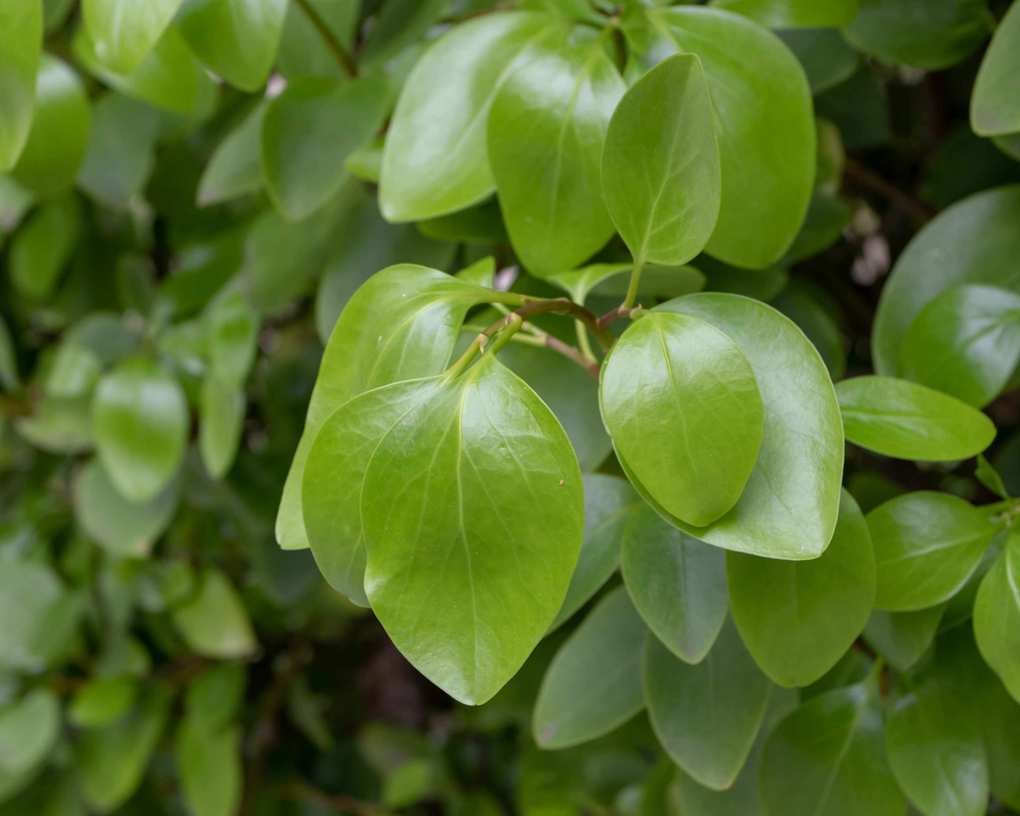
Griselinia littoralis is a shrub that can reach heights of up to 10 feet. With its thick, glossy leaves, it is well-suited to dry, salty, and windy conditions, although it prefers some shade in hotter climates.
This coastal plant, also known as New Zealand broadleaf, is often used as a hedge, creating a dense screen along the coast. It is pruned by trimming the individual stems.
10. Euonymus Japonicus

One of the best evergreen coastal plants for hedging, Euonymus japonicus has large, oval, glossy green leaves and is tolerant of salt.
In late spring or early summer, it produces tiny greenish-white flowers that may give way to pink berries. This evergreen shrub prefers well-drained soil and can thrive in full sun or partial shade, where it tends to grow more open.
Under the right conditions, it can reach heights of up to 15 feet, making it an excellent windbreak.
Which Plants Thrive at the Coast?
Plants that flourish near the coast have certain features that help them withstand dry, windy, and salty environments.
According to garden designer Sue Townsend, “Plants with thick, shiny, waxy leaves, such as Euonymus japonicus, griselinia, and Oleaeria traversii, work well as coastal hedges, while sedums are great for drought conditions because they retain water in their leaves.”
“Grasses like dune grass Ammophila arenaria, Stipa tenuissima, or S. gigantea are effective for stabilizing sandy slopes. Coastal plants that thrive in crevices, like Silene uniflora (sea campion) and Armeria maritima (sea thrift), provide lovely splashes of pink and white,” she adds.
What Vegetables Can Be Grown Near the Sea?
Vegetables suitable for seaside gardens are those that can tolerate high salt levels and windy conditions.
Look for salt-tolerant crops such as beets, asparagus, kale, or spinach. For crops that are less salt-tolerant, consider brassicas like broccoli, cabbage, or potatoes.
Additionally, various herbs can thrive in your coastal herb garden, including rosemary, thyme, and lavender.
Because of the high winds typical in coastal gardens, it’s advisable to grow vegetables under the protection of a polytunnel when possible.