

Kale is not just a superfood; it's also a delightful addition to your garden. Nutrient-rich and versatile, it's a fantastic choice for any gardener.
Known as borecole, kale belongs to the cabbage family and thrives in cooler weather, which enhances its flavor. It's straightforward to grow, making it ideal for both novice and experienced gardeners.
This leafy green is packed with nutrients, including fiber, calcium, vitamins C and K, iron, and antioxidants. Enjoy it steamed, sautéed, or even roasted for a healthy snack. Young kale leaves are also great raw in salads or smoothies.
Let's explore how to successfully grow kale from seed.
Best Time to Plant Kale

Timing your planting is crucial for a bountiful harvest. For an early summer crop, you can start seeds indoors in spring or plant them directly in the soil once it warms up.
According to horticulturist Amy Enfield, 'You can transplant starter plants outside 3-5 weeks before the last frost.'
If you're aiming for a fall or winter harvest, sow seeds 6 to 8 weeks before the first frost. In warmer zones, you can plant kale throughout the fall.
Starting Kale Seeds

When starting seeds indoors, simply scatter them over potting soil, lightly cover with more soil, and water. For quicker germination, soak seeds in warm water for 24 hours before planting.
If planting directly in the ground, group 3 to 4 seeds every 12 inches (30cm) and plant them about half an inch (13mm) deep, allowing 18 inches (45cm) between rows.
In a clip from a gardening program, expert Monty Don demonstrates how to plant kale and emphasizes the importance of firming the soil to secure young plants against harsh winds.
Germination Time for Kale

Expect kale seedlings to sprout within five to eight days. Keep the soil moist until you're ready to transplant or plant them outdoors.
Is Kale Easy to Cultivate?

Kale is quite easy to grow and can thrive in cooler temperatures and shaded areas, needing only a few hours of sunshine. While it flourishes in full sun, it's adaptable to light shade as well.
When transplanting seedlings, maintain at least 12 inches (30cm) between each plant and 18 inches (45cm) between rows. Adding well-rotted manure will help kickstart growth. A balanced liquid fertilizer can provide extra nutrients as needed.
Amy Enfield notes that kale grows quickly and needs consistent moisture, typically requiring 1-1.5 inches of water weekly. Mulching with organic materials can help retain soil moisture.
Does Kale Regrow Annually?
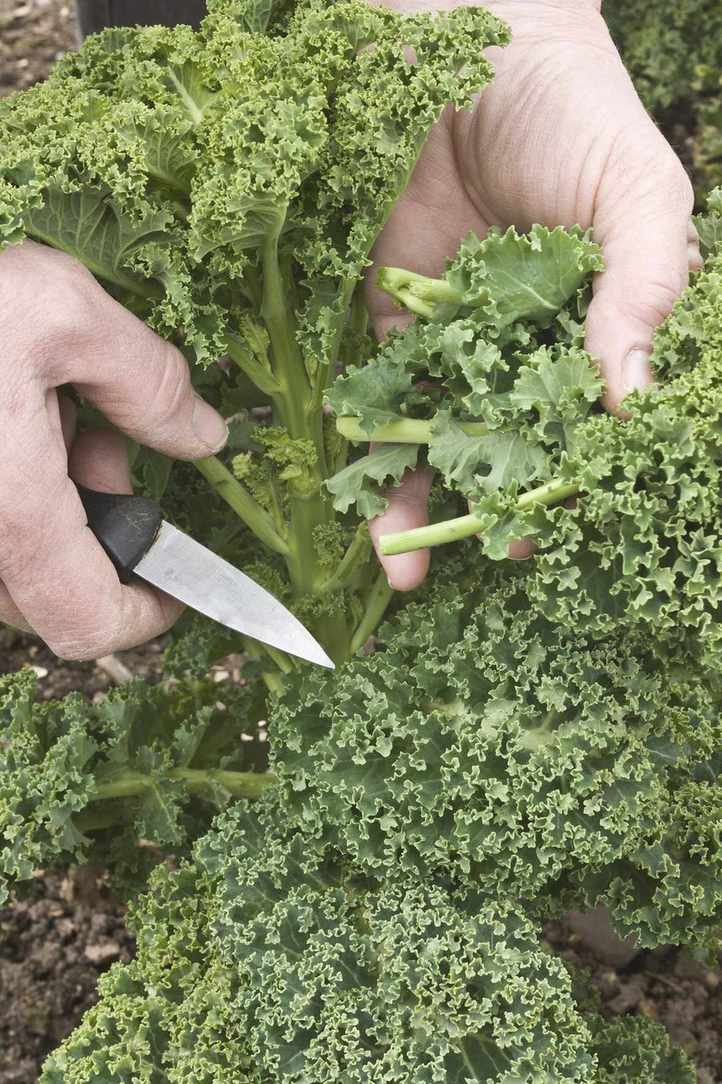
Kale is primarily biennial, taking about two years to flower and produce seeds. However, for leaf harvests, it's best to replant annually.
It's also a 'cut and come again' crop, meaning you can harvest the young leaves while allowing the plant to continue growing. Monty Don emphasizes that regular picking encourages new growth.
According to Amy Enfield, kale leaves taste best after a light frost, making fall harvests particularly sweet. To gather leaves, start with the oldest ones at the bottom, discarding any yellow or damaged leaves. In warmer zones, kale can produce new leaves throughout winter.
Growing Kale in Containers

Kale adapts well to pots and raised beds. However, since mature plants can grow up to two feet tall, choose a large container—at least 12 inches (30cm) in diameter—filled with a well-draining compost mix.
Recommended Kale Varieties
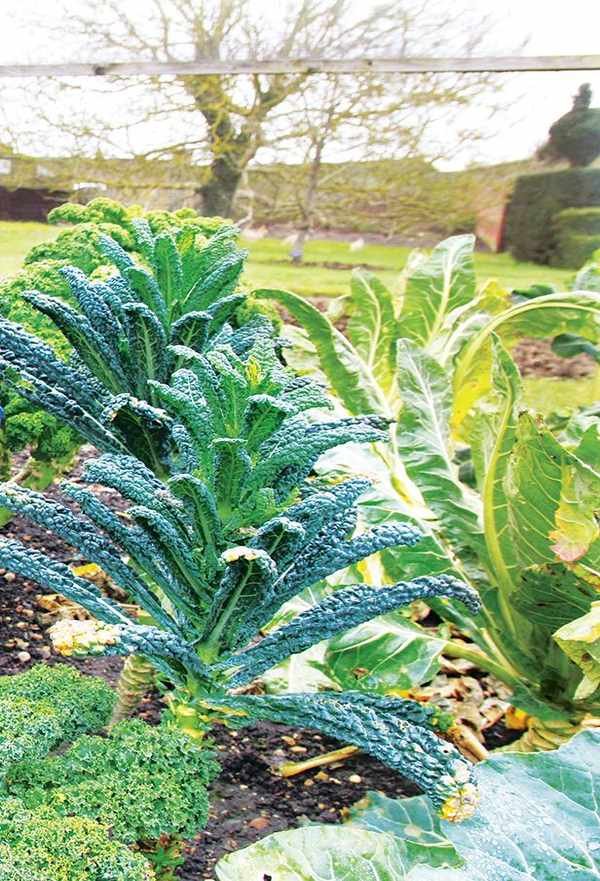
Cavolo Nero – Often referred to as black cabbage, this kale type features dark leaves.
Redbor – This variety showcases vibrant burgundy leaves that deepen in color as temperatures drop.
Kapitan – Classic curly kale, known for its tightly curled, deep green leaves.
Yurok – A Lacinato-type hybrid with exceptional resistance to frost and heat, praised for its long harvest period.
Common Kale Growing Challenges

While kale is relatively pest-resistant, young plants may need protection from birds, which can damage leaves. Using insect-proof netting can help deter birds and prevent caterpillars and other pests from infesting your plants.
Amy Enfield points out that cabbageworms and aphids can still pose threats. Watch for cabbage white butterflies, as they indicate potential caterpillar infestations. If you find infested leaves, remove and discard them to maintain plant health.



