
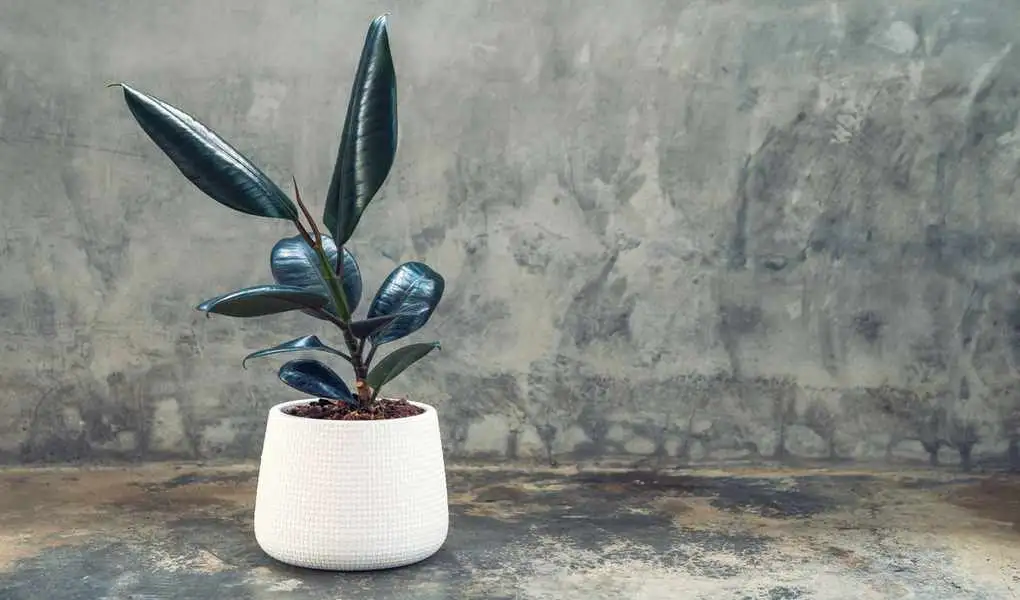
Is your rubber plant shedding leaves?
Renowned for their impressive height and glossy foliage, rubber plants are a favorite among houseplant enthusiasts. These tall indoor plants serve as stunning focal points in any space. Plus, they’re easy to care for and propagate, making them ideal for beginners.
To thrive, rubber plants require bright, indirect light, consistently moist soil, and a comfortable temperature range of 59-77℉. They not only enhance your decor but also purify the air and help mitigate stress.
However, rubber plants, or Ficus elastica, can sometimes drop leaves. What causes this, and how can you prevent it? We consulted experts for their insights and recommendations.
What Leads to Rubber Plant Leaf Drop?

It can be alarming when your rubber plant starts losing its beautiful leaves. Understanding the reasons behind this behavior is crucial for effective intervention.
Expert Justin Hancock notes, “Rubber plants may shed leaves when stressed.”
“While identifying the cause can be tricky, common stressors include improper watering and sudden environmental changes like light or temperature fluctuations. Addressing these factors is essential. Ensure your plant receives adequate light and moisture, and it should stabilize.”

With over 25 years in horticulture, Justin is a passionate consumer horticulturist and previously worked as a garden journalist.
Can Incorrect Watering Impact Leaf Retention?
Watering a rubber plant can be challenging. Paris Laticata from plant experts at The Sill shares, “Watering too soon or allowing the soil to dry excessively can lead to leaf loss. Let the top half of the soil dry out between waterings, ensuring you check the soil moisture before adding more water.”

With nearly five years at The Sill, Paris leads Plant Education and has a personal indoor garden of over 200 plants.
Can Container Size Affect Leaf Drop?

In addition to watering and light, other factors can lead to leaf drop. Paris points out that “keeping plants in containers that are too small can restrict root growth, leading to leaf loss. Additionally, using degraded soil lacking nutrients can also cause this issue.”
Do Pests Cause Leaf Shedding?
Pest infestations may also be responsible for leaf drop. Paris adds, “If environmental factors seem fine, check for pests like thrips, spider mites, and mealybugs. A thorough inspection can help you identify and treat these problems effectively.”
What to Do When Your Rubber Plant Leaves Droop?
If leaves begin drooping, it's often due to water issues. Check the soil; if it feels dry and the leaves appear thin, soak the pot in water for about 15 minutes to rehydrate. Allow it to drain completely before placing it back in its spot.
Should the leaves turn yellow or brown, overwatering may be the culprit. Carefully remove the plant from its pot, remove soggy soil, and repot it using fresh soil. Hold off on watering until the soil feels dry.
How to Promote New Leaf Growth?
To encourage fresh growth, ensure your rubber plant gets 6 to 8 hours of bright, indirect light daily. Avoid direct sunlight to prevent leaf scorching. Regularly wipe the leaves with a damp cloth for better photosynthesis, supporting healthy growth.
In summary, rubber plants may drop leaves due to stress. By addressing these stressors, you can help your plant thrive. Plus, remember that propagating rubber plants can add to their appeal.



