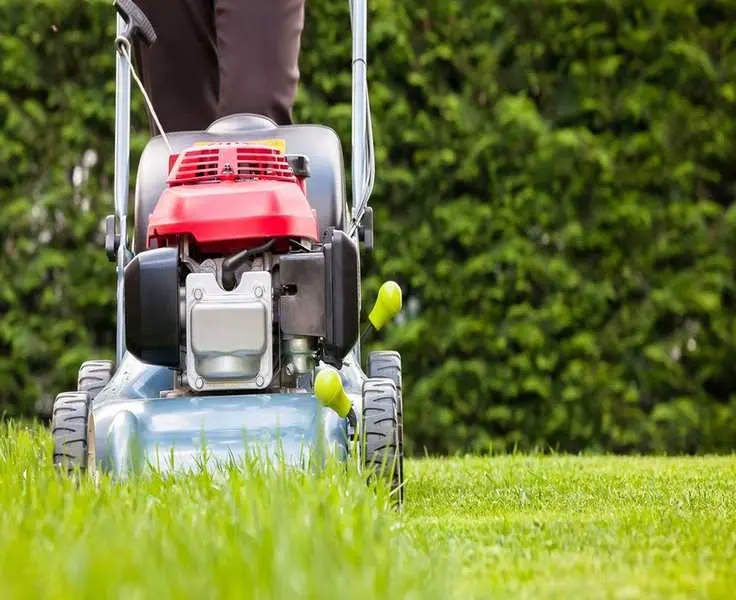
If you're eager to mow your lawn this spring but unsure about the ideal mower height, our experts offer guidance to prevent damaging your grass.
You may wonder why mower height is so crucial. Cutting grass too short too soon can stress it just as it's trying to recover after dormancy, hindering its growth for the season. Waiting too long to mow also complicates matters, leaving the mower to deal with unruly grass.
We talked to lawn care professionals who shared their expertise on the best mower height for starting spring mowing.
Optimal Mower Height for Spring
Who else looks forward to mowing after winter but feels a bit apprehensive? We get it! Setting the right mower height for that first cut can feel risky, but it's simpler than you think, according to experts.
'The ideal mowing height for your spring lawn will vary based on factors like grass type, soil condition, and local climate,' says Stacie Krljanovic, a head groundkeeper from Houston, TX. Consulting a local lawn care expert or researching your specific grass type can help you find the perfect height.
'Generally, it's advisable to set your mower at a higher height in the spring,' Stacie explains. 'Aim for a cut height of about 3 to 4 inches. This encourages taller grass and stronger roots, making it more resilient against summer heat and drought.'
Susan Brandt, co-founder of Blooming Secrets, agrees that the ideal cutting height depends on your location and grass type. 'Cool-season grasses can be cut to about 3 inches or more, while warm-season varieties may be trimmed to between half an inch and 1.5 inches.'
Advantages of Taller Grass in Spring
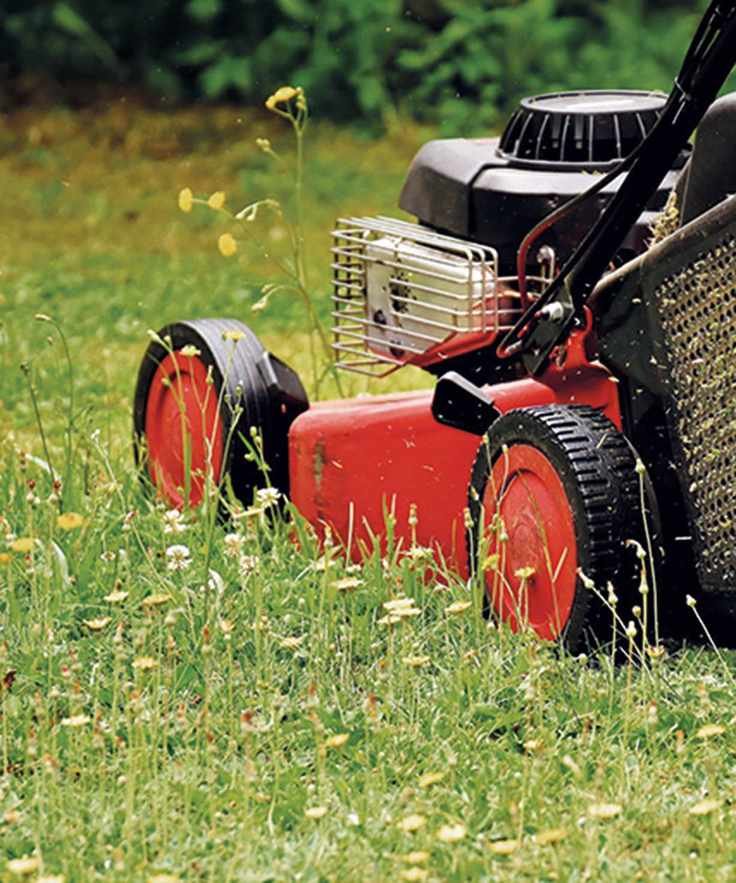
Beyond aesthetics, maintaining a longer grass length in early spring greatly benefits your lawn's health.
Experts at Amateur Gardening emphasize that cutting too short can weaken the grass, making it easier for moss and weeds to thrive and harm your lawn.
'Keeping the mower height higher in spring can reduce weed growth and maximize your lawn's root development,' says Eric DeBoer, agronomist with Simple Lawn Solutions. 'More leaf mass leads to a more extensive root system.'
In essence, larger leaves enhance photosynthesis, enabling the plant to generate more energy for root strengthening. Typically, grass roots grow about three times deeper than the height of the leaves, providing reserves to endure heat and potential drought.
Common Questions
How can I determine the best mower blade height?
'Consult the mowing height guidelines on your grass seed bag,' advises Robert Martinez from Yardenz. However, you can adjust based on your lawn's condition.
'For thick, lush grass, you may need to mow lower to prevent it from toppling over,' suggests Stacie Krljanovic. 'Conversely, if your lawn is sparse, keeping the grass taller can promote denser growth and improved coverage.'
When should I lower my mower's height?
Many experts agree that lowering mower blades isn't always necessary. Taller grass generally fares better in hot, dry conditions than closely cut turf, which can scorch and die.
Once you've decided to start mowing this spring, it's wise to increase the mower height and avoid cutting the grass too short too soon. This approach, along with spring fertilization, will help you achieve a lush and healthy lawn throughout spring and summer.