

Garden path inspirations not only provide access to different areas in your yard but also enhance your home's design. These paths can serve as scenic routes among plants or functional walkways leading to productive spaces.
When planning your path, think about its purpose, your preferred materials, and shapes that harmonize with your garden's layout, whether they're winding or straight.
A well-designed garden path can alter how a narrow space is perceived. Choose from various styles for paths, whether leading to your front door or winding through vibrant flora in a wildlife garden.
Take cues from your garden's existing colors and your home's architecture to guide your choices in hard landscaping and plant selections, whether you aim for complementing or contrasting tones.
Ideas for Charming Walkways

According to garden designer Nic Howard, paths fall into two categories: practical and whimsical. They can serve as direct routes to your front door or meandering trails through meadows. Paths not only facilitate navigation but also provide durable surfaces during wet weather or soft grassy areas for a barefoot stroll on warm days.
Consider your path's destination—whether it leads to a shed, a compost area, or simply a lovely view. Incorporating art or seating at the end can transform a simple path into a focal point.
Paths are vital for effective garden design. Planning the path's placement ensures that all areas are visible and enjoyed. Changing materials along the path can signal transitions or encourage you to stop and admire the view.
Try mapping out a temporary layout before selecting materials for your path.
1. Enhance Your Path with a Pergola
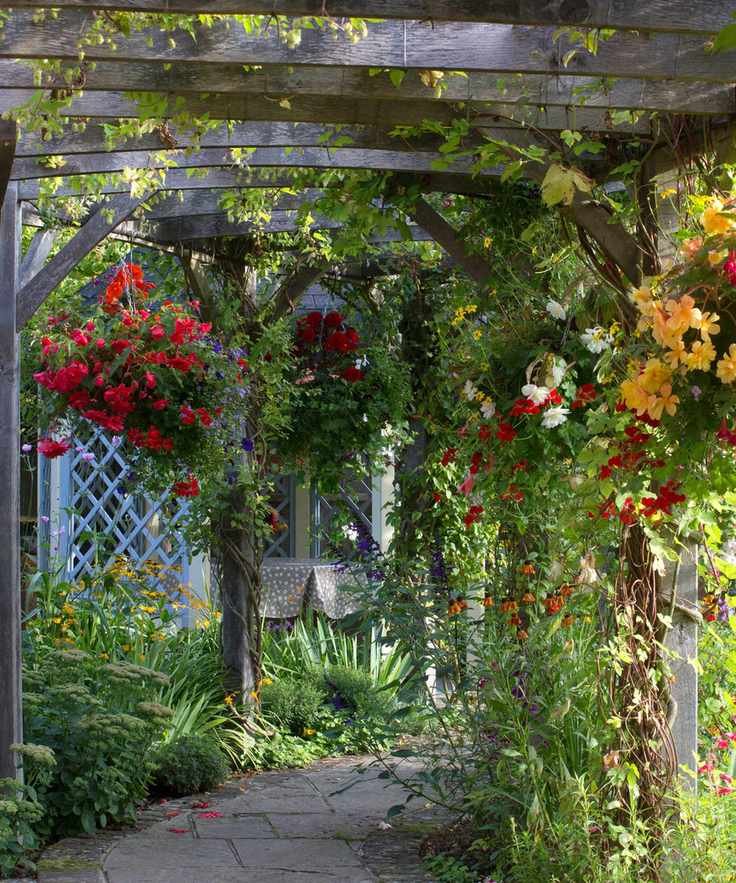
Transform your path with a pergola adorned with fragrant climbing plants or hanging baskets, creating a magical journey through your garden. You can purchase timber pergolas, use ready-made arches, or create a custom design to suit your vision.
This structure adds vertical interest and can be enhanced with large planters or cozy seating areas along the path. Outdoor lighting can also illuminate the route.
2. Direct the Eye with a Focal Point
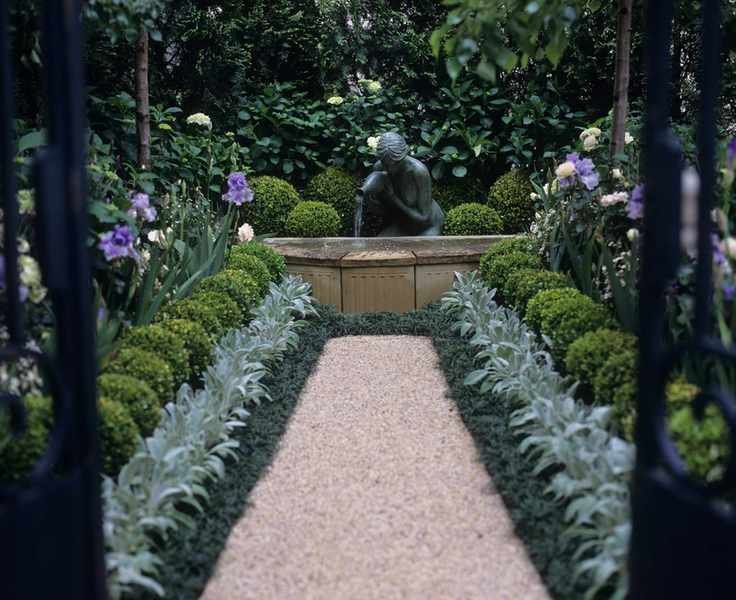
Creating a visual destination is essential in garden design. Decide whether your path leads to a serene sitting area or a striking sculpture. Repeating plants along the path can create a cohesive look, whether it's a grand row of trees or charming lavender mounds.
In this design, layers form a living picture with neatly arranged lilyturf, soft lamb's ear, clipped evergreens, and seasonal blooms framed by hydrangeas.
3. Craft a Woodland Walkway
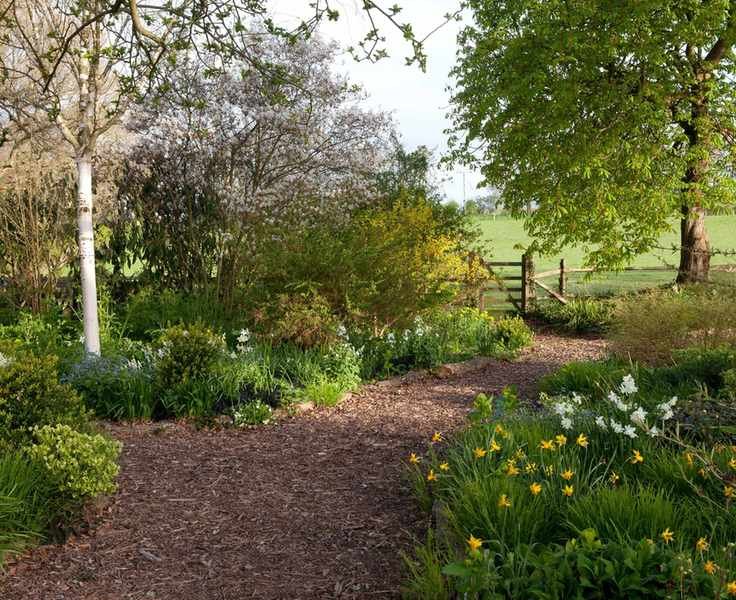
Bark and wood chippings are ideal for woodland paths. They protect against erosion and suppress weeds. Look for untreated sources to avoid harming local flora and fauna. Regularly topping up the chippings is advisable as they decompose over time.
For a 'hide and reveal' effect, design a meandering path. Keep edges restrained to prevent chippings from spilling out.
4. Celebrate Natural Stone

Creative stone path designs can curve beautifully, complementing surrounding plants like pittosporum and heucheras. Reclaimed stone is a great option, adding character and sustainability to your garden.
Natural stone offers durability and timeless beauty, making it a fantastic choice for any garden.
5. Incorporate Permeable Surfaces
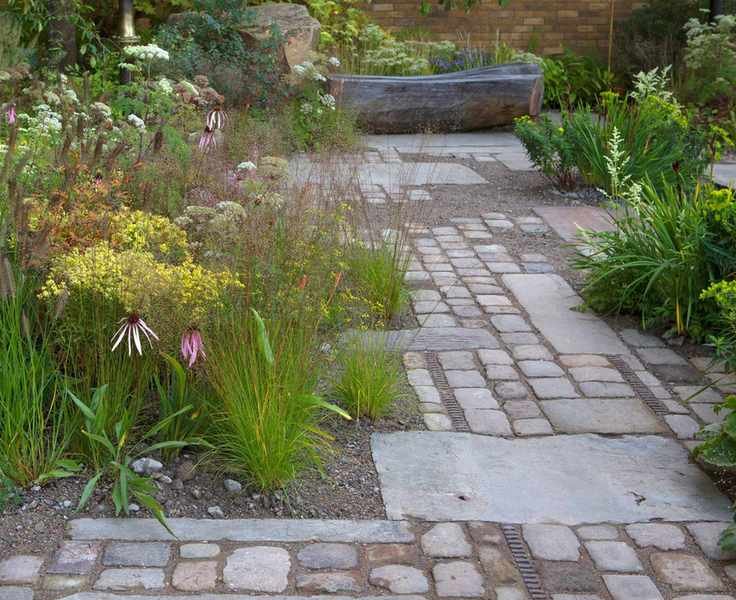
Permeable surfaces are essential for managing water and preventing flooding. Combining gravel with stones enhances drainage while creating character. Opting for recycled materials is both economical and environmentally friendly.
6. Soften Edges with Plants

Plants alongside your path can enhance the sensory experience. Choose varieties based on sunlight exposure and the path's location.
Edging plants can be aromatic or visually appealing, softening the path's harsh lines with robust options like geraniums and campanula.
7. Design a Sloped Garden Path
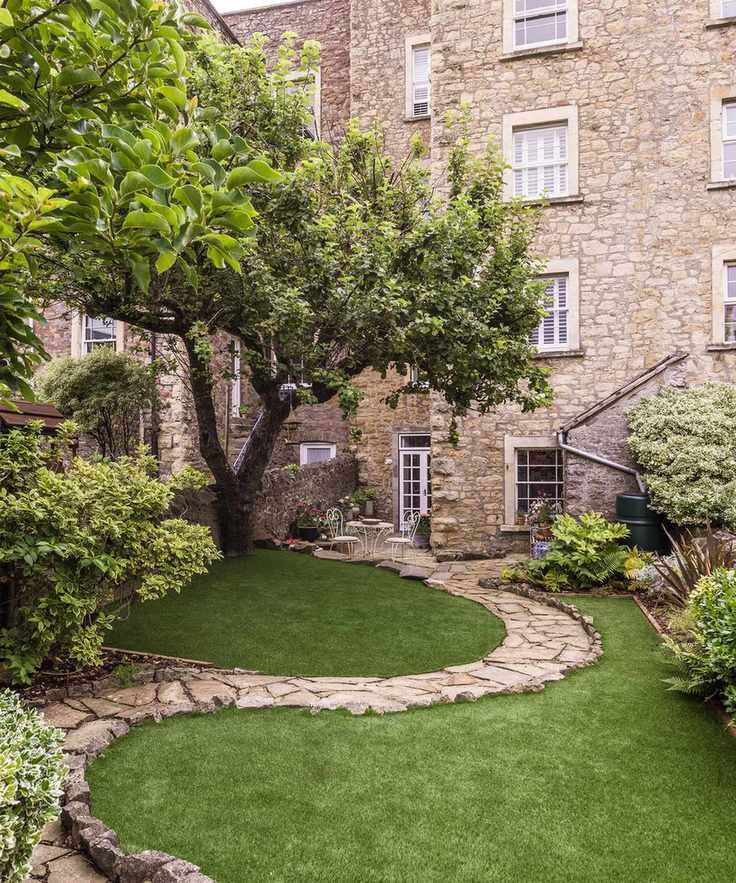
Creating a path on a slope can be rewarding. Choose materials that prevent slipping and ensure safety. Incorporate steps at alternate terrace ends for a defined route through the sloped garden.
8. Enhance Your Space with a Thoughtful Path

Your path should contribute to the garden's atmosphere. A gently winding path can draw attention to beautiful plantings or guide visitors through straight sections.
9. Construct a Permanent Paver Pathway

Permanent paths add structural integrity and can be decorative. A paver path must be level and durable, with proper edging to enhance surrounding plantings.
10. Create a Drought-Tolerant Gravel Pathway
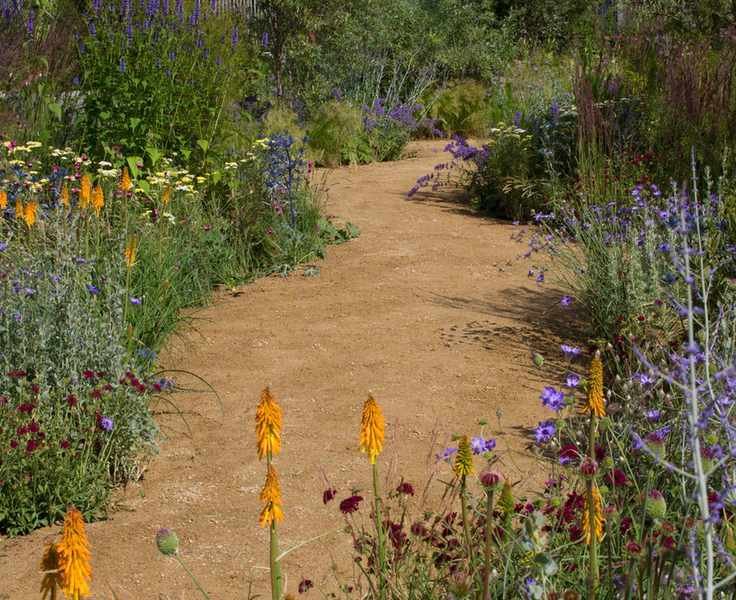
Gravel paths suit country or coastal gardens and are economical to build. They can be shaped in various ways, with defined edges or plants spilling over.
11. Make a Narrow Garden Feel Wider

Curved paths can make a small garden seem larger. A zigzag design can create visual interest while giving the illusion of space.
12. Use Creative Edging

Edging defines paths and enhances their aesthetics. Use materials that suit your path style, whether formal or informal.
13. Choose Durable Brick Paths
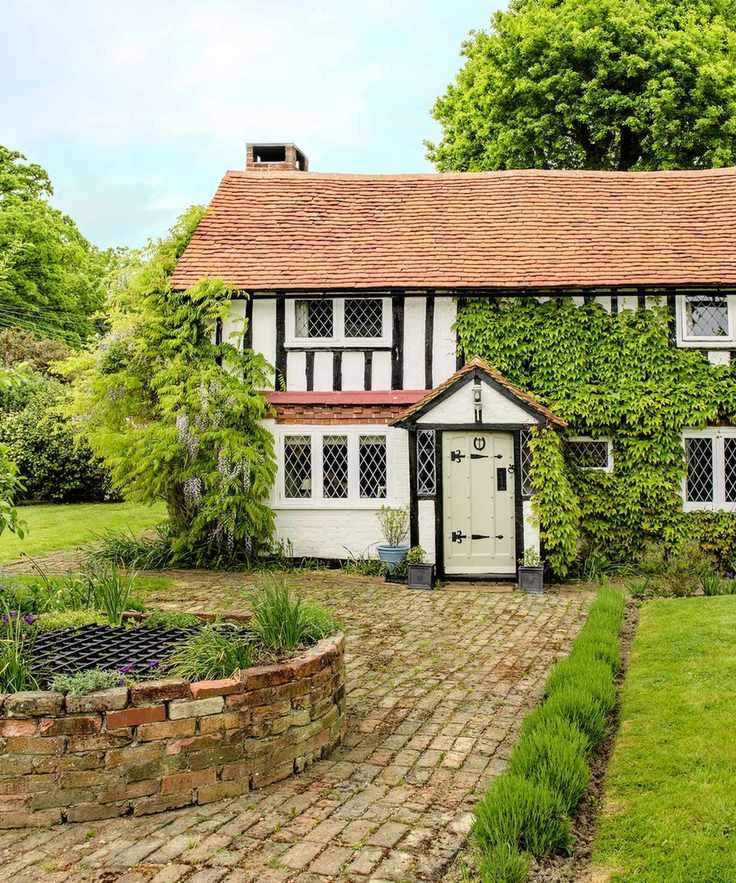
Bricks provide sturdy paths and can be laid in various patterns. Consider space for planting along the edges for a beautiful effect.
14. Revitalize Your Patio or Path

Transform dull hard landscaping by mixing materials, like integrating turf or herbs into paving for a unique effect.
15. Lay Down a Grass Path

A grass path through a wildflower meadow is a lovely, spontaneous choice for summer strolls. It's easy to maintain and can be shaped in various ways.
What Is the Best Material for a Garden Path?
Choosing the right material depends on your garden's size and style. Options like gravel, wood chips, and natural stone provide different aesthetics and functions.
How Do You Build a Garden Path on a Slope?
Building a sloped path is feasible. Steps can define the route while adding interest to the landscape.
How Do I Improve My Garden Path?
Enhance your path by clearing debris, adding plants, or replacing materials where necessary.
How Do I Create a Simple Garden Path?
Stepping stones are a quick and economical option for path construction. You can use various materials to create an inviting walkway.



