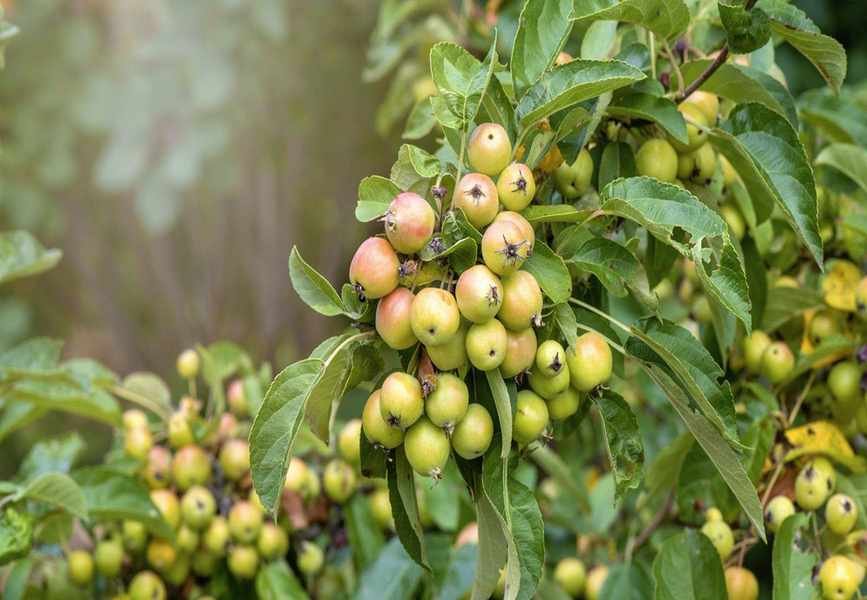
Crabapple trees are popular due to their vibrant spring blossoms and colorful fall fruits. They require minimal pruning, but timing is essential when it comes to maintaining their health.
Prune crabapple trees during their dormant season for the best results. The specific timing may vary based on local climate conditions. Pruning at the right moment can significantly enhance the tree's vitality.
Whether you're planting new crabapple trees or caring for existing ones, knowing the ideal pruning times will ensure your trees remain healthy and flourish.
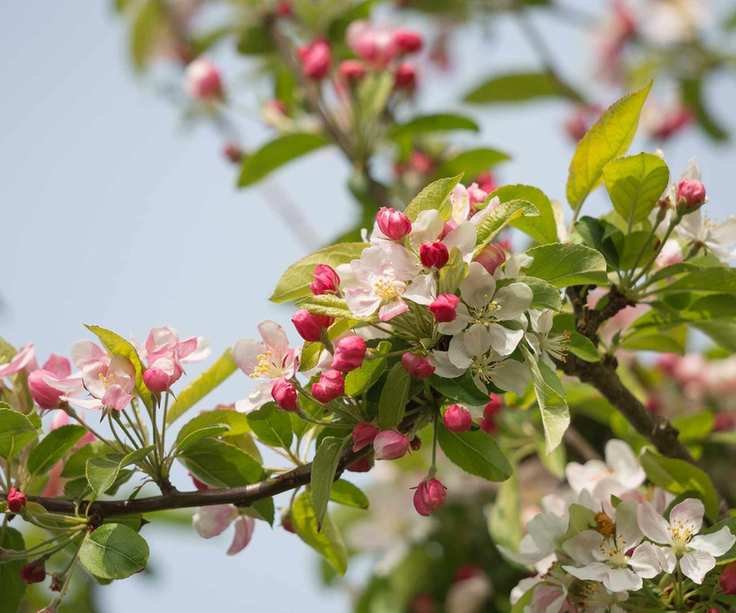
Minimal large-scale pruning is typically needed for crabapple trees
Benefits of Pruning Crabapple Trees
Pruning is essential for maintaining the shape and health of crabapple trees. It helps eliminate dead, diseased, or damaged branches, shapes the tree, and improves air circulation and light penetration.
While these trees generally need little pruning, those grown as espalier or in pots may require more frequent maintenance to keep their growth in check.
Optimal Pruning Schedule for Crabapple Trees
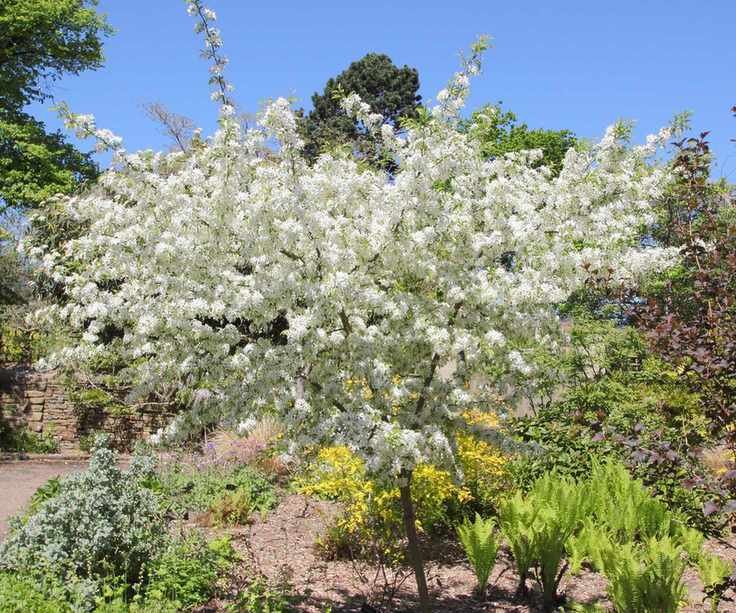
Proper pruning supports the overall health of crabapple trees
The best time to prune crabapple trees is from late winter to early spring. These deciduous trees shed their leaves in colder months, making this the ideal window.
Most deciduous trees are pruned during late winter to early spring, ideally before new buds begin to swell. This task is usually performed between late January and early April, depending on local weather.
Pruning during this period helps reduce the risk of cold-related damage, especially in colder regions where frost can harm exposed wounds. Any trimming during harsh winter months can lead to die-back or even death of the tree.
Starting your pruning as temperatures rise in late winter benefits the tree, allowing it to recover swiftly once new growth begins and sap starts flowing.
Experts like Lindsey Hyland emphasize the advantages of pruning in late winter or early spring. This timing minimizes injury risks and supports the tree's overall vigor.
She notes, 'Health risks from diseases drop since many pathogens are less active during cold weather.'
Not only are pathogens less active in winter, but pollinators that may spread viruses are also scarce, further lowering disease risks. Additionally, pruning during dormancy is easier, as leafless trees provide clearer visibility and access to branches.
While late winter or early spring is ideal for pruning, minor maintenance tasks can be done year-round, like removing dead branches or suckers at the tree's base. This keeps the tree from losing energy to unwanted growth.
When pruning, it's crucial to exercise caution. While crabapple trees can handle significant cuts, extensive pruning isn't advised. Large-scale work should be spread over several years.
'Moderation is essential,' advises Alex Testel. 'Avoid heavy pruning, as crabapple trees need minimal cutting. Aim to remove no more than 25-30% of the canopy each year.'
Remember the one-third rule during pruning. Removing over a third can stress the tree, resulting in stunted growth or excessive weak shoots.


Can You Prune Crabapple Trees in the Fall?
Pruning in fall is not advisable for deciduous trees due to increased disease risks from open wounds during a time when pathogens are more active. Additionally, it may encourage new growth that won't survive winter.
Can You Prune Crabapple Trees in the Spring?
Yes, crabapple trees can be pruned in early spring if necessary. Just ensure it's done before new leaves appear.
If you're seeking easy-care trees, crabapples are excellent options. Available in various colors and sizes, including dwarf varieties perfect for compact spaces, there's a crabapple to suit every garden.
Explore the selection of crabapple trees available online.