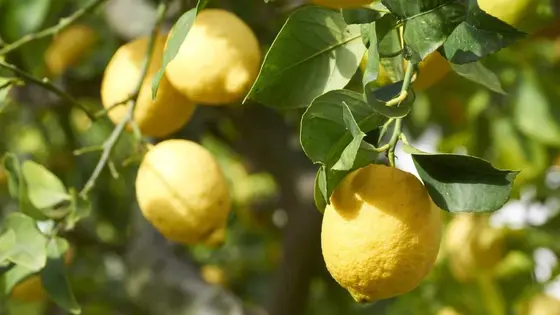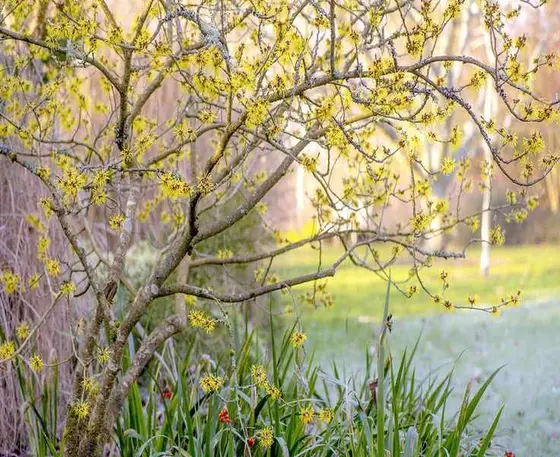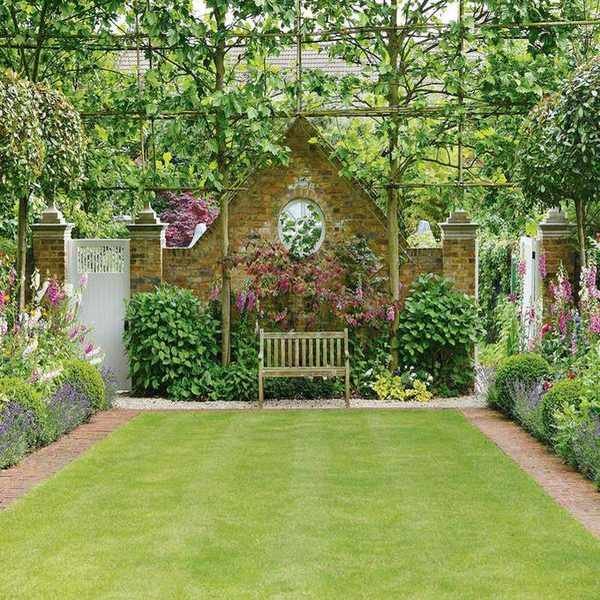
Choosing the right trees for espaliering can transform your garden. These beautifully shaped trees, especially when adorned with blossoms and fresh foliage, are surprisingly easy to cultivate.
This gardening technique, traditionally associated with fruit trees, promotes a straight trunk with horizontal branches or tiers arranged at regular intervals. Initially developed to allow ripening fruit to benefit from the warmth of walls, these elegant forms have become popular in various garden styles.
Though ornamental designs have diversified over time, with styles like the palmette and Belgian pattern gaining traction, the classic horizontal layout remains favored. Today, this method applies to many non-fruiting species, making it perfect for enhancing garden walls and small spaces.
10 Stunning Trees for Espaliering
According to experts, 'Espaliers require more frequent pruning than pleached trees, but they reward you with beautiful blooms and fruits.'
1. Apple

Espaliering apple trees is a popular choice. 'Apple and pear trees are well-suited for this training method. If space is limited, opt for self-fertile varieties for better fruit production,' advises a nursery manager. 'Red Falstaff apples and Conference pears are both self-fertile and have received recognition for their quality. Espaliered fruit trees are ideal for compact gardens, making harvesting simpler.'
2. Pear

Pears, with their short fruiting spurs, are perfect for espaliering. This technique ensures good air circulation and space for fruit to ripen. Various pear types are grafted onto selected rootstocks for optimal growth. 'Quince C is a favored rootstock for pears, producing manageable trees across diverse soil types,' say specialists. Reliable varieties like Concorde and Conference provide delicious fruits.
3. Pyracantha
Known as Firethorn, Pyracantha is a resilient evergreen with dark leaves and vibrant orange berries. This shrub is adored by wildlife and can be trained against walls or as a standalone feature. It thrives in sunny, well-drained soils and can reach heights of 9ft (3m). In early summer, it blooms fragrant white flowers, attracting pollinators.
4. Camellia
While any camellia can be espaliered, the fast-growing Camellia sasanqua is particularly notable. These shrubs bloom in fall and can add vibrant colors with their lovely flowers. They can reach up to 10ft (3m) tall and require support away from walls to avoid heat stress.
5. Crab Apple

Flowering crab apples are compact trees perfect for espaliering. Their striking spring blooms and colorful fruits in fall create seasonal interest. Self-fertile varieties like John Downie and Indian Magic thrive even in small spaces. They're versatile for training into various designs.
6. Hornbeam
Hornbeam's ability to regenerate makes it an excellent choice for creating espaliers. This deciduous tree features a compact crown and vertical trunk, providing a stunning leafy barrier.
7. Quince

If you're after something unique, consider Quince. This deciduous tree boasts large pink flowers and aromatic golden fruits. They thrive in well-drained soil and sunny spots, and while they bear fruit at the tips, they can still be trained into beautiful forms.
8. Medlar
Medlars can also be shaped into fan espaliers, showcasing their unique character. This ancient fruit tree was popular in historical gardens and its fruit is typically harvested after frost for optimal sweetness.
9. Bloodgood Japanese Maple
Some trees are stunning even without flowers. Imagine a Bloodgood Japanese maple trained against a wall, its vibrant red foliage stunning throughout the year. This tree thrives in slightly acidic, well-draining soil and prefers partial shade.
10. Photinia Red Robin
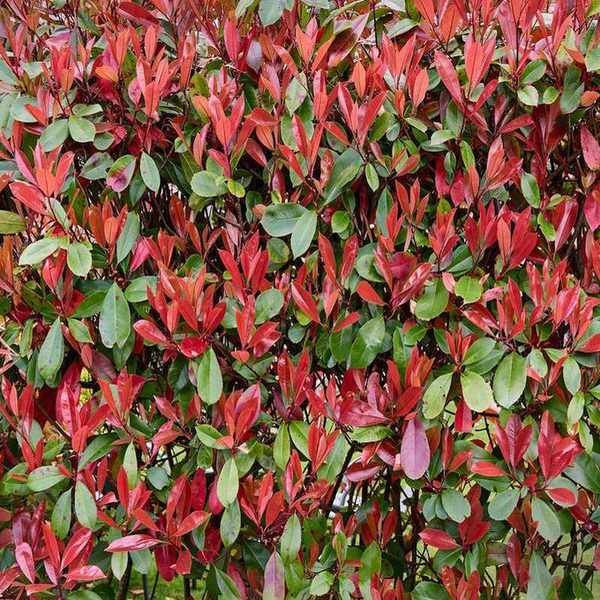
Espaliered trees offer an architectural element to gardens. They can provide privacy without taking up much space, making them ideal for small yards. Popular choices include the evergreen Photinia Red Robin, which requires careful maintenance for shape control.
Ideal Locations for Espaliered Trees
Espaliered trees thrive against walls, benefiting from warmth and shelter that promotes abundant blooms. They can also serve as attractive freestanding screens, perfect for adding privacy and filtering sunlight.
Tips for Successful Espaliering
- Use sharp, clean tools for pruning to prevent disease and promote drainage.
- Avoid wire for tying branches; use soft twine instead to prevent damage.
- Select a nursery-grown plant with an appropriate growth pattern for espaliering.
- Create a robust framework to support the branches as they grow.