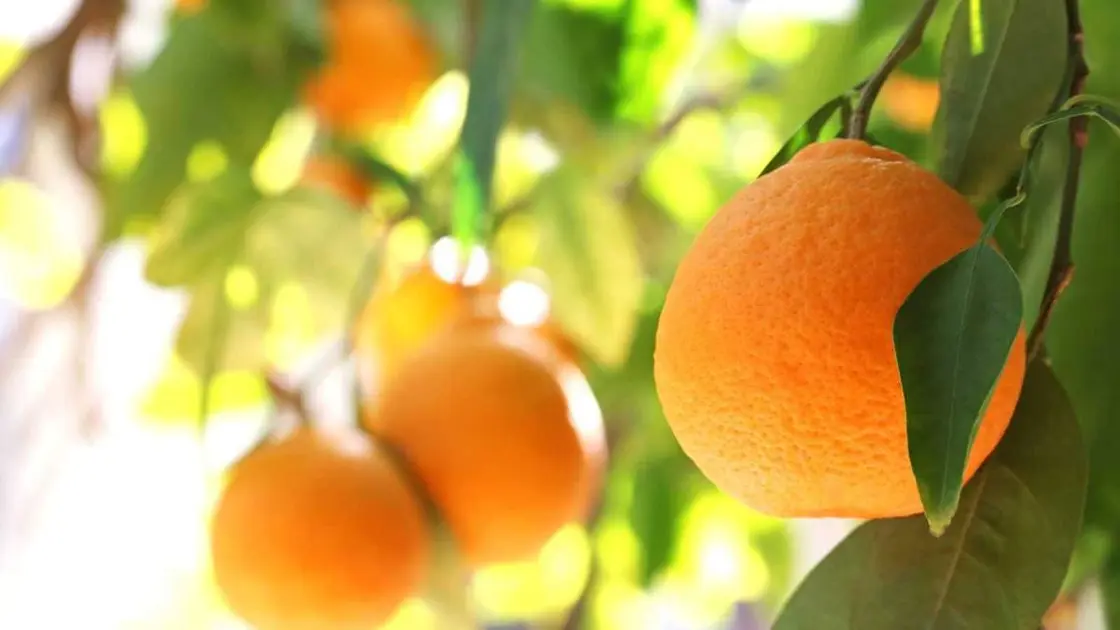
Nothing beats the joy of plucking a sweet, fragrant orange right from your very own tree. Whether you have a garden, a container, or indoor space, you can successfully cultivate orange trees at home. This article will guide you through the process.
Oranges belong to the citrus family and are cherished worldwide for their aromatic flowers and juicy fruits. While they thrive in warm climates, they can be sensitive to cold. Therefore, many gardeners opt to grow them in pots so they can be moved indoors during colder months.
These trees are among the simplest and most rewarding fruit trees to cultivate. With their stunning blooms and delicious fruit, orange trees can be a wonderful addition to your home. We'll cover everything you need to know, including planting, watering, feeding, pruning, and harvesting.

Expert Tips for Growing an Orange Tree
Orange trees (Citrus sinensis) can reach heights of up to 30 feet. However, for home cultivation, dwarf varieties are available, perfect for pots or small spaces. Various kinds of orange trees such as navel, Valencia, and blood oranges are self-pollinating, meaning one tree is sufficient for fruit production.
Good news! Orange trees are easy to grow. According to fruit tree expert Maureen Wright, they're ideal for beginners, provided they're planted in the right zones.
With ample sunlight, proper watering, some fertilizer, and light pruning, your orange tree can flourish, yielding fragrant blossoms and tasty fruit.
Let's dive into the best practices for planting orange trees.

Since 2012, Maureen has been a certified Master Gardener from Oklahoma State University and is pursuing her ISA Arborist Certification. Her passion for horticultural therapy has led her to work with at-risk youth and adults on community gardening projects.
Planting Tips for Orange Trees

You can purchase orange trees in containers from nurseries, garden centers, or online. While you can grow them from seeds, it requires patience and doesn't guarantee the same variety.
Plant trees in spring when frost risk is gone, or during summer. For those in warmer US hardiness zones, planting can happen year-round. Orange trees thrive in full sunlight, requiring at least 6-8 hours of direct light daily, ideally in a sheltered spot.
In US hardiness zones 9 to 11, plant them directly in the ground. In cooler climates, use pots to allow for summer outdoor living and easy indoor transfer when temperatures drop. Orange trees struggle when temperatures fall below 50-55°F.
These trees prefer fertile, well-draining soil types. Maureen suggests well-draining sandy or loamy soil that is slightly acidic to neutral. Avoid heavy clay soils, as they can suffocate roots.
Orange trees develop deep root systems. Larger varieties need around 20 feet of space, while dwarf varieties only require 10 feet when planted in the ground. After planting, there are a few critical care areas to focus on.
Navel Orange Tree: This popular variety is sweet, easy to peel, and seedless. Trees grow 8-12 feet high and flourish in zones 8-11 or as patio trees in zones 3-11.
Blood Orange Tree: These trees are cold hardy and thrive in zones 8-11 or can be patio trees in zone 3. Their unique flavor often resembles raspberry or strawberry.
Cara Cara Sweet Orange Tree: This distinctive type has pink flesh and a berry-like taste. It grows 8-12 feet and can be outdoors in zones 9-10 or in pots in zones 4-10 if brought indoors for winter.
Caring for Your Orange Tree

- Watering: Young orange trees need consistent moisture and benefit from regular deep watering in their first year. While they need about an inch of water weekly, it's crucial to avoid soggy soil. Allow the soil to dry slightly between waterings. Mature trees are more drought-resistant but still require thorough watering during dry spells.
- Fertilizing: Regular feeding is vital for healthy, productive orange trees. Use fertilizers specifically designed for citrus trees, applied three to four times a year, particularly in spring and summer when growth is most active.
- Pruning: While orange trees don't need extensive pruning, knowing when and how to prune helps maintain their health. Late winter or early spring is ideal for trimming dead or diseased branches. Avoid heavy pruning to prevent stress on the tree.
- Harvesting: Harvest times vary by variety. Navel oranges are ready from November to June, blood oranges in winter, and Valencia oranges from March to October. Look for consistent skin color and a sweet fragrance. Gently twist or use gardening snips to detach them from the tree. Once picked, oranges won't ripen further but can be refrigerated for a couple of weeks.
Frequently Asked Questions
Can orange trees be grown indoors?
Yes, orange trees can thrive indoors with adequate heat and light. They need plenty of sunlight, ideally in a conservatory or by a sunny window, and warm temperatures ranging from 60-90˚F. Regular misting can help maintain humidity levels.
Is it possible to grow an orange tree in a pot?
Absolutely! Orange trees, particularly dwarf varieties, are excellent for pot cultivation, making them perfect for decks, patios, or balconies. Choose a container slightly larger than the root ball and transplant as it grows. Regular watering is essential to keep the soil moist but not waterlogged.
While mature citrus trees tolerate drought better than others, they still benefit from regular watering during dry periods. For those seeking drought-tolerant options, fig trees are particularly suited for arid conditions, as are pomegranates and olive trees, which also thrive with consistent watering.