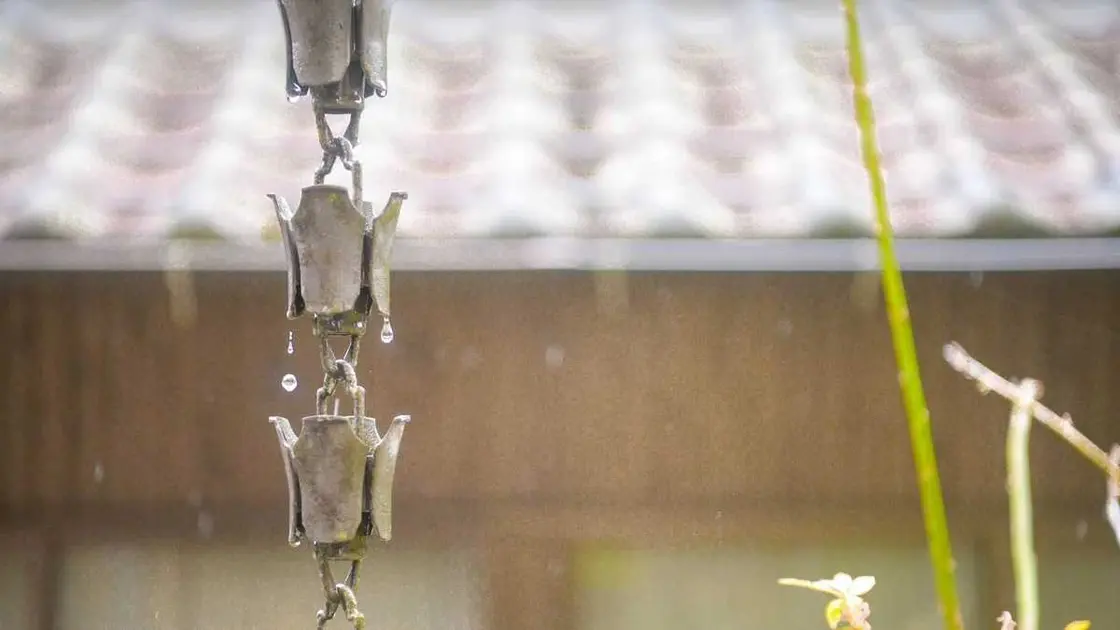
You might have noticed a decorative chain or links hanging from a gutter and wondered about their purpose. These are rain chains, which serve a functional role while also enhancing the visual and auditory appeal of your garden.
Rain chains are fantastic for sustainable rainwater collection in your outdoor space. They channel rainwater from roofs and gutters to areas that need it most, whether that's a water butt, moisture-loving plants, or the soil to replenish the water table.
There are many compelling reasons to consider installing a rain chain. If you're exploring drought-resistant gardening or eco-friendly practices, like creating a rain garden, this could be the perfect solution. I'm always seeking sustainable gardening methods, and using a rain chain is a simple way to efficiently water plants while conserving water. Let's delve into the essence of rain chains, their functionality, and how to maximize their benefits in your yard.
Understanding Rain Chains and Their Benefits
Rain chains have gained popularity in gardens over recent years, yet their origins trace back to ancient Japan, where they were used to collect rainwater—a practice still seen in Japanese homes and landscapes today.
In Japan, these are known as 'kusari doi,' translating to rain gutter, and they replace traditional downpipes attached to a house's eaves or gutters.
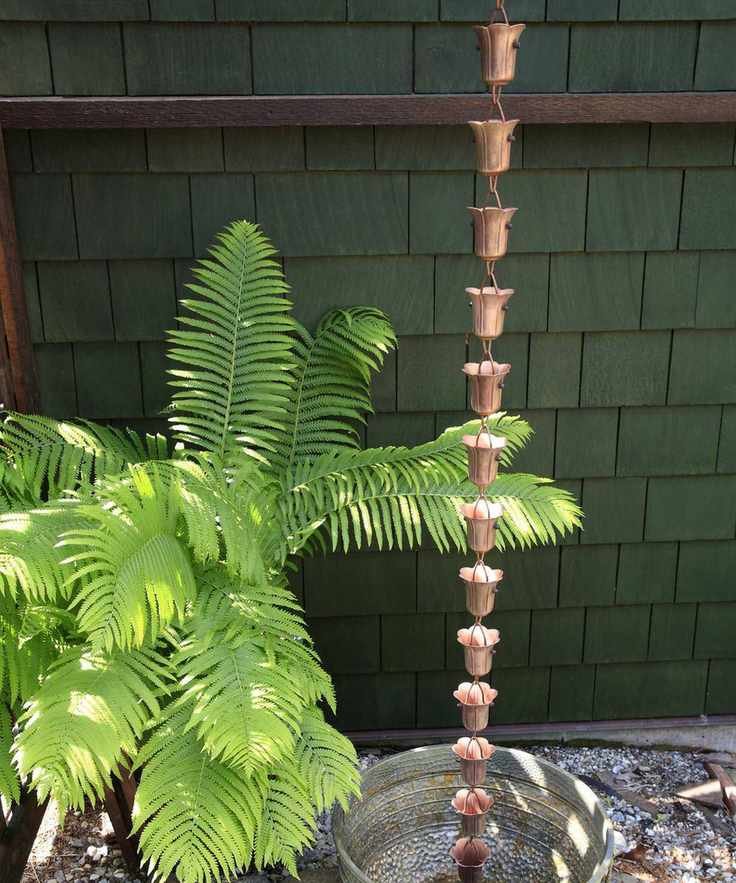
During rainfall, water flows down the rain chain, often through decorative elements like bells or cups, leading to a collection point like a barrel or a designated garden area for irrigation.
A rain chain can be as uncomplicated as a repurposed heavy chain, which adds rustic charm to country garden themes.
Alternatively, you can opt for visually appealing rain chains crafted from ornamental links, cups, or unique shapes, enhancing both function and design. We've curated an inspiring selection of attractive rain chains available for purchase.
In some situations, rain chains can outshine downspouts and are pivotal to eco-friendly landscaping by simplifying water collection.
How Rain Chains Function
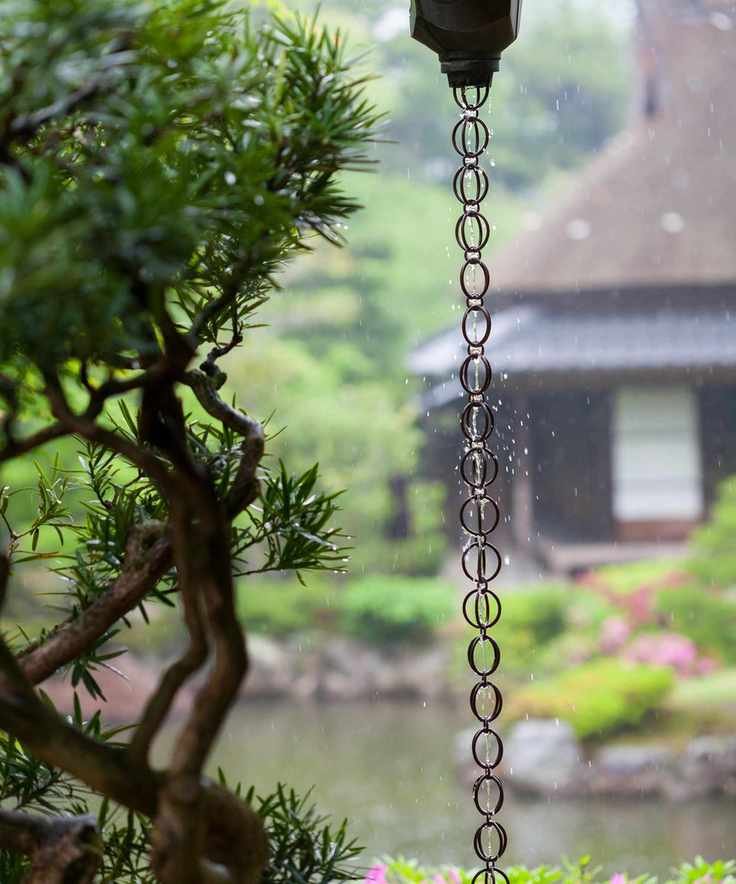
Position your rain chain at the corner of the gutter, where a downpipe would typically be located, whether that's on your house, shed, or garage.
"Rain chains operate similarly to downpipes, but they slow down the water flow, reducing the risk of flooding in your drainage system and yard," explains a gardening expert.
Beyond their eco-friendliness, these chains can beautify functional areas by replacing unsightly downspouts with charming rain bells or creatively designed chains.
Consider integrating them into your driveway, landscaping, or patio design—any place in your yard where hard landscaping is prevalent.
At the base of a rain chain, you can direct rainwater into the soil to replenish the water table by planting moisture-loving perennials around paved areas. Groundcovers and creeping plants can be interspersed between paving stones to facilitate drainage.
Using Rain Chains for Flower Bed Irrigation
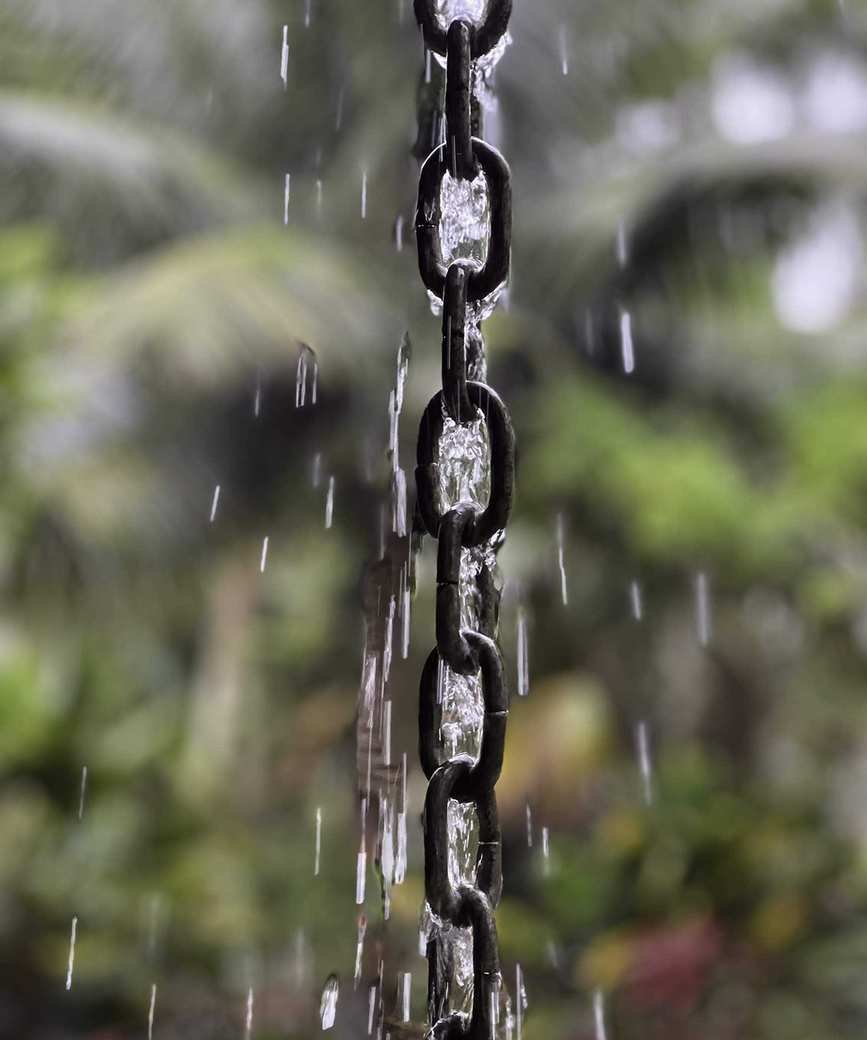
If you don't use a decorative barrel or water butt, you can let the rain chain water a flower bed directly, especially if the roof or eaves shield the ground from rain. This method provides direct irrigation to the bed during rainstorms.
Create a slight depression in the soil where the rain chain meets the ground and line it with stones or pebbles to enhance drainage and prevent waterlogging. Plant moisture-loving varieties near this spot, with drought-resistant options further away.
It's wise to secure the rain chain to the ground using a rain chain anchor stake or pin, like the Monarch anchor stake from Amazon, to prevent movement during high winds. An anchor basin can also be used to weigh it down and minimize mobility.
Collecting Rainwater with a Rain Chain

Another option is to use the rain chain for rainwater harvesting, allowing water to drip into a barrel or water butt, like this one from Amazon, or even a decorative fountain.
"By positioning the rain chain just above the barrel's edge, you'll enjoy the soothing sound of water dripping, enhancing the sensory experience in your garden and promoting mindful gardening," the expert notes.
You can easily adjust the length of your rain chain by adding or removing links or decorative elements as required. Additional chain sections are also available, but ensure you measure the necessary length beforehand.
If you plan to channel your rain chain into a water feature or barrel, make sure it's anchored securely to avoid damage from movement.
Discover Rain Chain Options
The antique bronze finish on the lotus cup design of this rain chain adds a stylish touch, fitting various home and garden styles.
This Monarch rain chain features a sleek, understated design made from durable black powder-coated aluminum.
The vibrant blue cup design of this rain chain is both unique and eye-catching, coming complete with 12 cups.
Frequently Asked Questions
Where Should You Hang a Rain Chain?
Rain chains are typically installed where standard downspouts would be located on a house, garage, or shed—at the end of a horizontal gutter pipe. Consider placing them where their beauty can be appreciated, as they also create a calming sound from the flowing water.
Do Rain Chains Freeze in Winter?
In colder climates, rain chains can freeze during winter. While this often poses no major issues and can look stunning with frost and ice, heavy frozen rain bells may become hazardous if they fall.
Before winter and during cold snaps, ensure your rain chain is properly installed to minimize risk of damage to your roof. It may be wise to remove the rain chain during severe winter conditions with freezing temperatures and strong winds.
If you're inspired to rethink rainwater harvesting in your garden, you might also want to explore the best times to water plants for optimal resource use.