
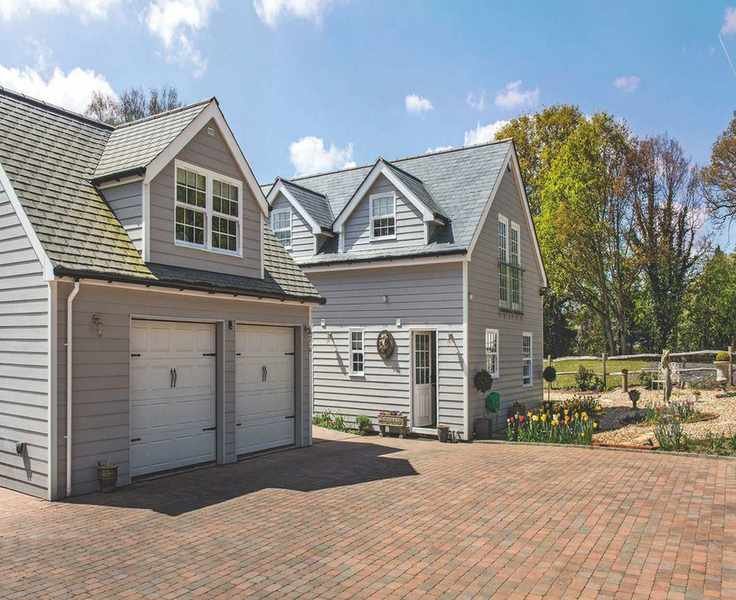
Driveway Design
Designing a driveway involves more than just creating a parking space. Consider aspects like width, shape, materials, and edging, all of which contribute to your home's curb appeal and may increase its value.
Explore more: Choosing an architect – tips for successful home renovations
Practical and environmental factors are crucial too. Drainage is key; a permeable surface allows rainwater to drain naturally, nourishing plants while minimizing puddles on your driveway.
Textured materials like gravel enhance security by alerting you to approaching visitors. Choose colors and designs that harmonize with your home's architecture to avoid a mismatch.
What regulations should I consider?
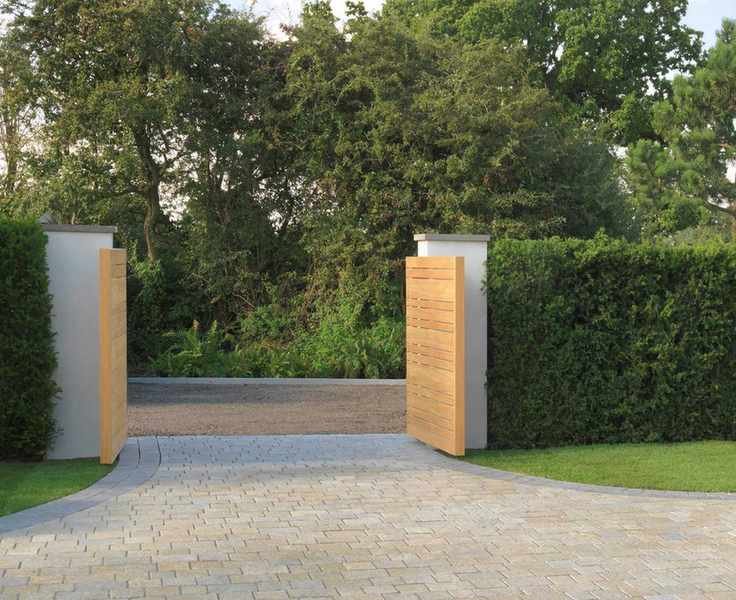
If you're constructing a new driveway instead of replacing an old asphalt or concrete one, evaluate the available space carefully.
In the US, residential codes dictate that driveways must be at least 10 feet wide, ensuring a smooth transition from the street or sidewalk. There are also regulations regarding the turning radius for curved driveways.
Check local codes for any rules about clearance heights and obstructions.
In the UK, you must obtain planning permission to lower a kerb for easier access from the road to your driveway.
How to manage rainwater?

US codes require that your property, including the driveway, prevents soil erosion and stagnant water accumulation. You may need to install a permeable surface or drainage system or apply for permission to use a drain.
In the UK, regulations changed in 2008 to restrict paving front gardens without permission to combat flooding and pollution.
Using permeable surfaces or drainage systems enables rainwater to soak into the ground, reducing flood risk and lessening the need for garden watering.
Is planning permission necessary for my driveway?
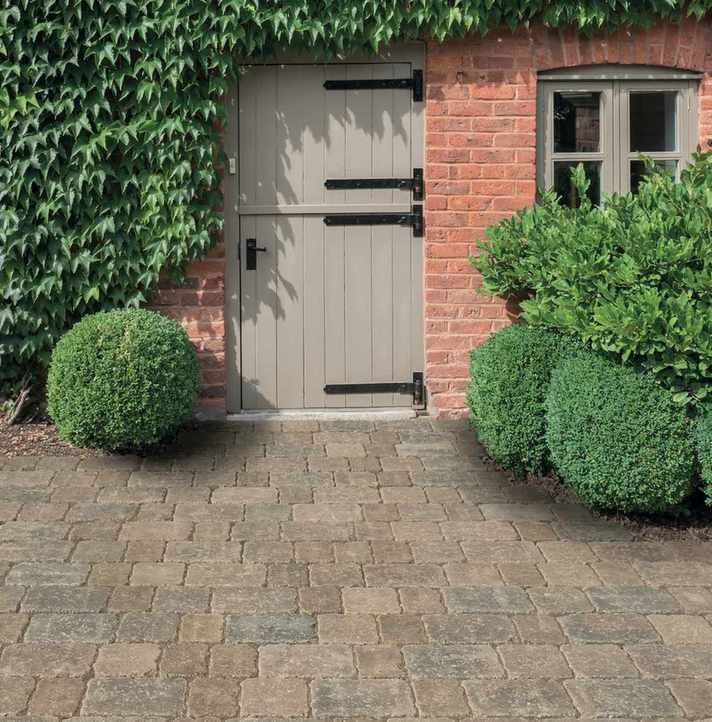
In the UK, if your driveway covers more than five square meters and directs rainwater to a drain, you'll need planning permission.
An easier, compliant option is to install a drainage system that channels rainwater to a permeable area like a soakaway, which doesn't require permission. Marshalls offers suitable products for this purpose.
Residents in conservation areas, National Parks, or Areas of Outstanding Natural Beauty may still require permission. Check the Government's planning portal for more information.
What is a soakaway?

A soakaway is a dug hole filled with coarse stone, allowing water to filter back into your garden. It can be covered with gravel or plants, adding to the landscape. Your installer can suggest the best placement.
Which surfaces allow water to pass through?
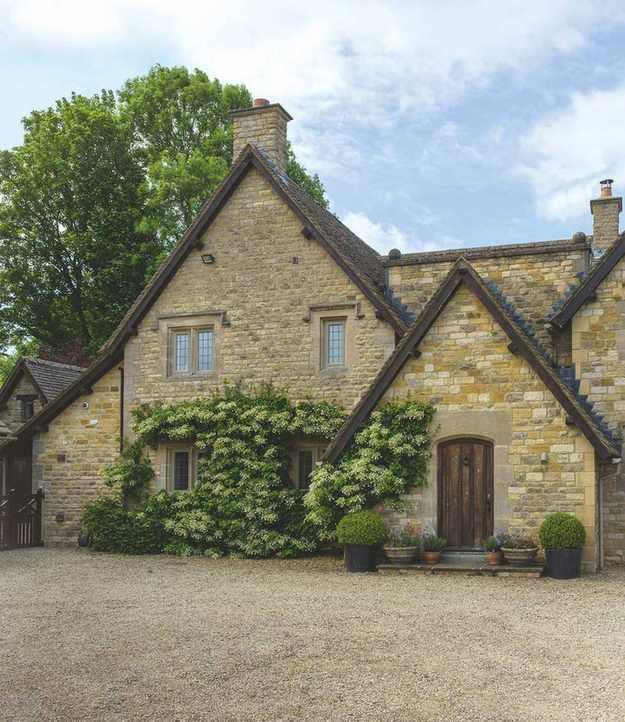
Gravel is favored for country homes, excellent for drainage, and alerts you to visitors. It's also budget-friendly.
Companies like Stone Warehouse provide a wide selection of aggregates, including limestone and granite options.
'Fourteen to twenty millimeter gravel works best for driveways,' notes a manager at Stone Warehouse. 'Using a gravel grid helps keep stones in place, though regular maintenance is still needed.'
Permeable paving is ideal for those who prefer a traditional look, as it allows water to drain naturally without needing a separate system. Marshalls and Stonemarket offer various styles.
Resin bound driveways consist of natural aggregates bound in resin, providing a neat appearance. They're pricier, require maintenance, but can be laid over existing surfaces and come with a 21-year guarantee.
What hard surface options do I have?
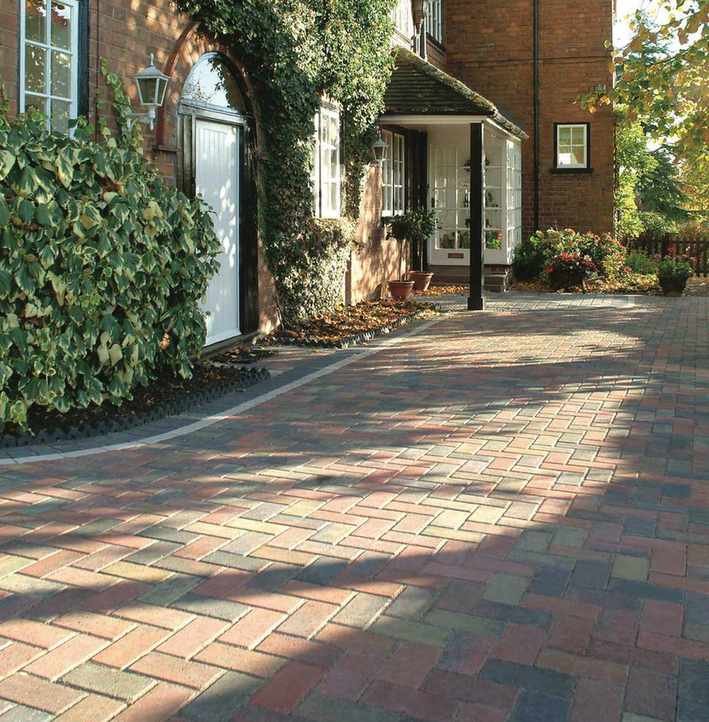
Block paving can be arranged in various patterns, made of concrete, clay, or natural stone, available in many colors and textures. Sizes range significantly, making it a cost-effective choice.
Cobbles and setts offer a rustic charm and are generally made from natural stone, though concrete alternatives exist. They provide a unique entrance to traditional homes.
Ensure paving slabs are at least 50mm thick for durability. Regular sweeping and occasional jet washing keep them looking fresh. Consult specialists for oil spill treatment specific to your surface.
What about driveway edges?
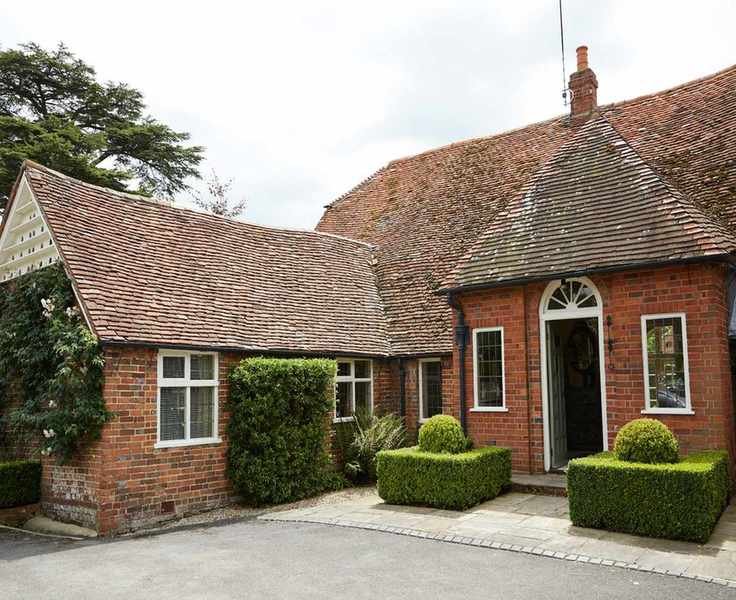
While edging isn't mandatory, it enhances appearance and provides a tidy border. A variety of styles are available, from classic Victorian concrete to timber or stone options, which can be sourced alongside your paving materials.
Should I hire someone to install my driveway?
It depends on the chosen surface; professional help is recommended for most materials other than gravel. Suppliers can guide you through installation.
How to maintain a gravel driveway?
Regular raking is essential to clear weeds and debris, ensuring an even surface.
Remove any dirt at the edges that prevents proper drainage.
Fix potholes by clearing gravel, refilling with aggregate, and leveling it out before adding a gravel top layer.
How to clean a hard driveway?
Hard surfaces need regular sweeping and occasional jet washing. For oil spills, seek professional advice tailored to your specific material.



