
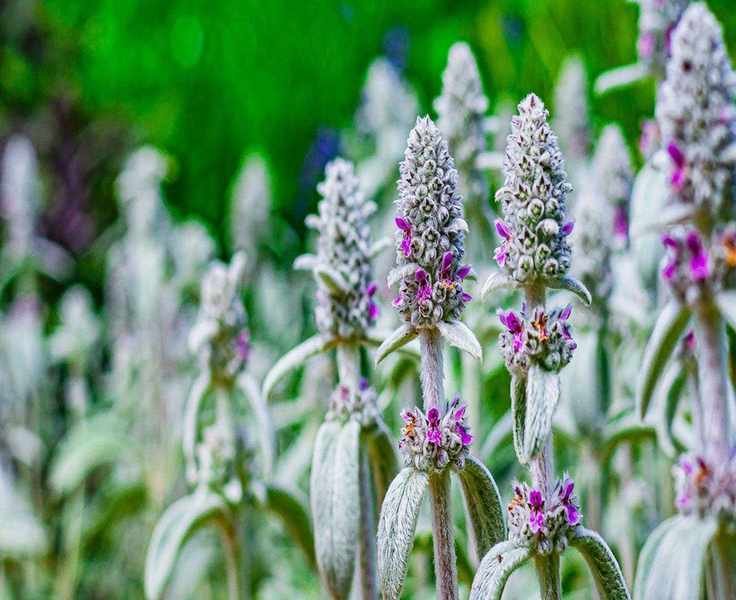
A flower bed featuring lamb's ears will bring a casual elegance to your garden, whether as a focal point or as a backdrop for other blooms. Their soft, gray-green leaves and striking pink-purple flower spikes create a stunning visual impact.
Not only do lamb's ears look charming, but their velvety texture also invites touch, making them a perfect choice for sensory gardens. They blend beautifully in container gardens too, contrasting nicely with bright annuals that thrive in drier conditions.
Additionally, lamb's ears are becoming increasingly popular due to their resilience amid climate change. If you're interested in naturalistic designs, our lamb's ears care guide will help you incorporate this attractive perennial into your planting plans. Once established, these beauties will reward you with years of enjoyment.
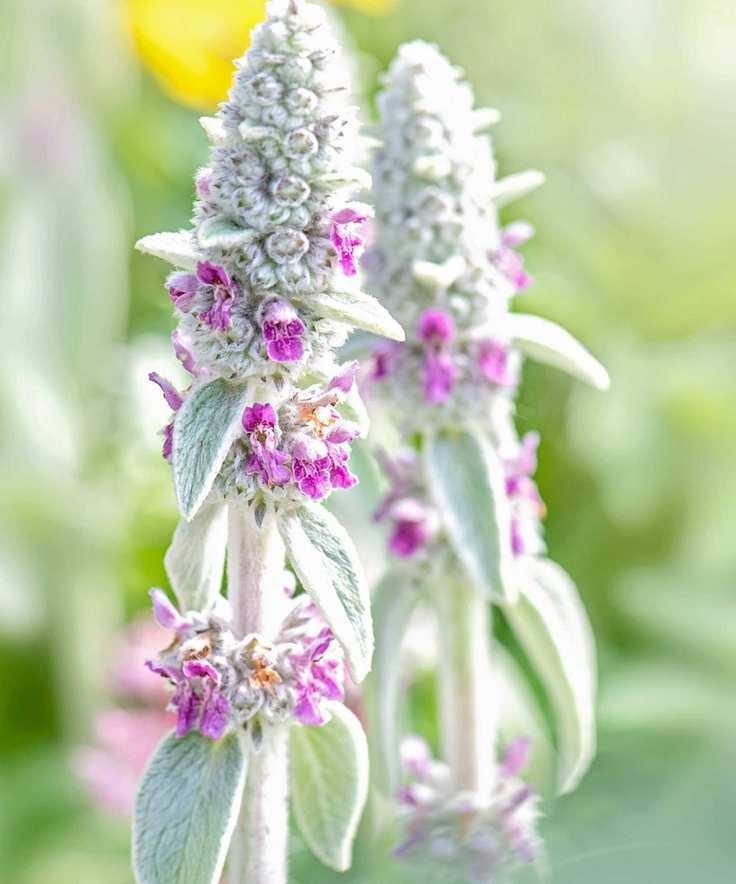
The combination of soft leaves and lovely flowers makes lamb's ears a favorite for softening garden layouts.
Lamb's Ears: Key Facts
- Botanical name: Stachys byzantina
- Family: Lamiaceae
- Plant type: Herbaceous perennial
- Mature size: Up to 18 inches tall; up to 36 inches wide
- Position: Full sun
- Soil type: Well-drained
- Best time to plant: Spring
- Flowering time: Spring and summer
- Flower color: Pink-purple
- Hardiness zones: USDA 4-9
Integrating Lamb's Ears into Your Garden
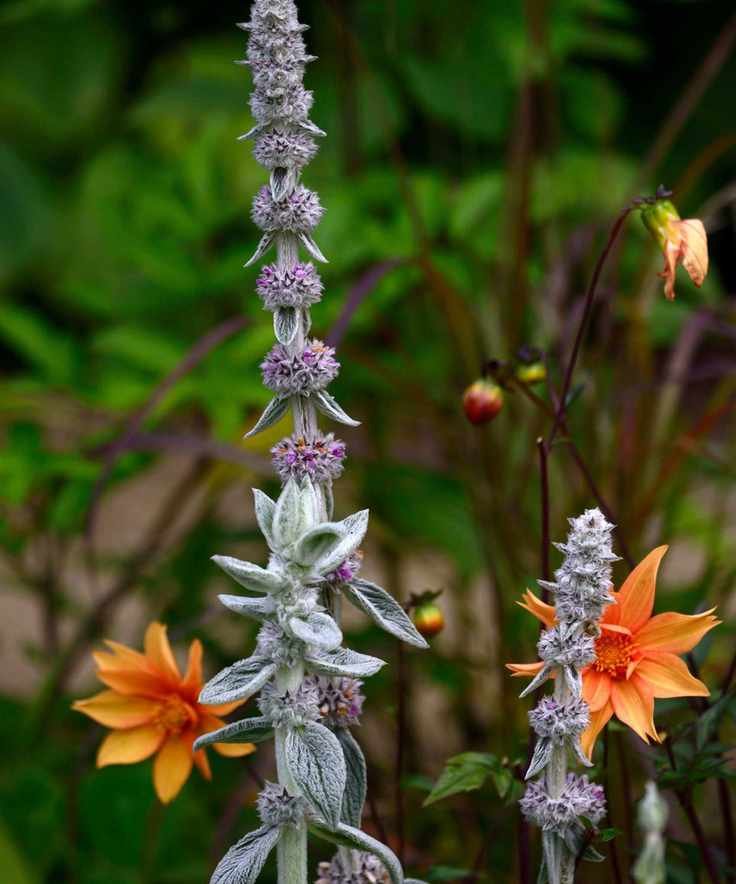
Pairing Stachys byzantina with vibrant flowers like orange dahlias creates beautiful contrasts.
According to horticulturalist Jenny Rose Carey, 'Lamb's ears boast soft, silver leaves that look stunning at the front of any flowerbed.' In summer, they produce whorled flower stalks adorned with pink-purple blooms, attracting pollinators and making them excellent choices for sensory gardens.
Moreover, lamb's ears work wonderfully for drought-tolerant designs and are beneficial for pollinators. They bloom repeatedly through summer and combine beautifully with other silver foliage plants like lavender and achillea.
In dry gardens, lamb's ears can serve as ground cover, weaving between taller plants such as Nepeta and Verbena bonariensis. Their silver-gray foliage also complements colorful blooms, softening the overall look. 'Gray tones help tone down vibrant colors, creating a cohesive feel,' notes renowned garden designer Jacqueline van der Kloet.
They pair beautifully with summer bulbs like bicolor dahlias, canna with terracotta leaves, or the bright hues of Anemone coronaria. Jacqueline's latest book, Growing Bulbs in the Natural Garden, is filled with further inspiration.
Once settled, lamb's ears are low-maintenance, but regular care is still essential for optimal growth.

When to Plant Lamb's Ears
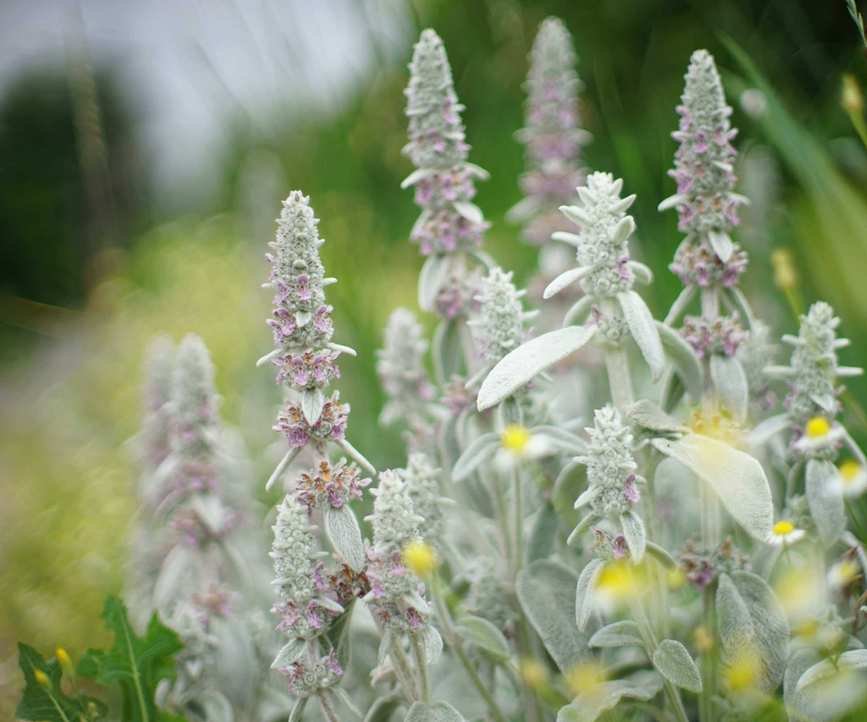
Spring is the ideal time to plant these beauties, but summer and fall planting works too.
To plant lamb's ears, spring is best, once frost threats have passed. You can plant through summer and into fall, ensuring they establish healthy roots before winter arrives.
They can also be grown from seed. Sow seeds in late winter, pressing them into the soil without covering. Keep moist until they germinate, then transplant seedlings outside in spring. For easier propagation, divide established plants in spring or fall.
Steps for Planting Lamb's Ears
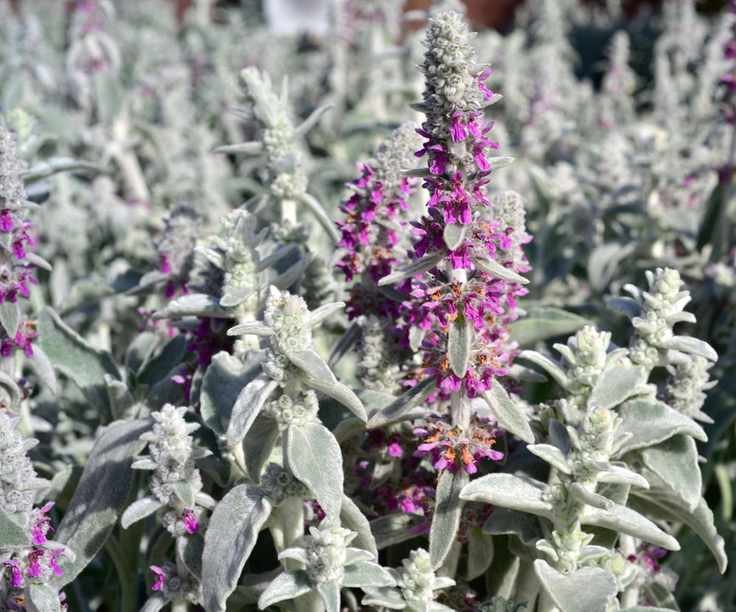
Planting lamb's ears is a simple process.
These plants are straightforward to grow, yet it's wise to ensure they get off to a good start. If you purchase them from a nursery, water them before planting to prevent a dried-out rootball.
Create a hole slightly larger than the container, and gently remove the plant. You can add compost, but lamb's ears thrive without fertilizer. Position the plant so the crown is level with the soil surface, backfill, and water thoroughly.
When planting multiple lamb's ears, space them about 12 inches apart for adequate airflow, preventing overcrowding. Water thoroughly when newly planted, but avoid overwatering as these plants prefer dry conditions and become drought-tolerant once established. Overwatering can cause pests and diseases, so only water during extended dry spells.
Optimal Locations for Lamb's Ears
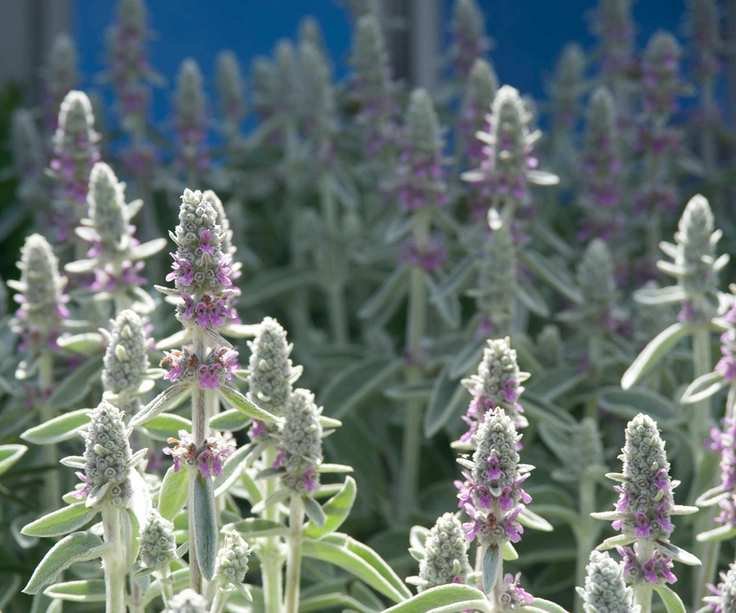
A sunny courtyard garden is an excellent choice.
Lamb's ears suit naturalistic prairie planting and cottage gardens, making them ideal for soft foliage borders. They serve well as ground cover, quickly filling bare soil patches. While they thrive in average, dry to medium, well-drained soils, they adapt well to poorer soils as well.
As a ground cover, they spread easily without needing rich soil, rooting along the stems. Dividing them every few years helps maintain air circulation.
Lamb's ears prefer full sun to partial shade, needing at least 6 hours of sunlight daily. In hot climates, some afternoon shade is beneficial.
This vigorous plant produces creeping stems that root in the soil, forming dense mats. To control spread, remove flower stalks before they go to seed.
Watering Tips – Less is More
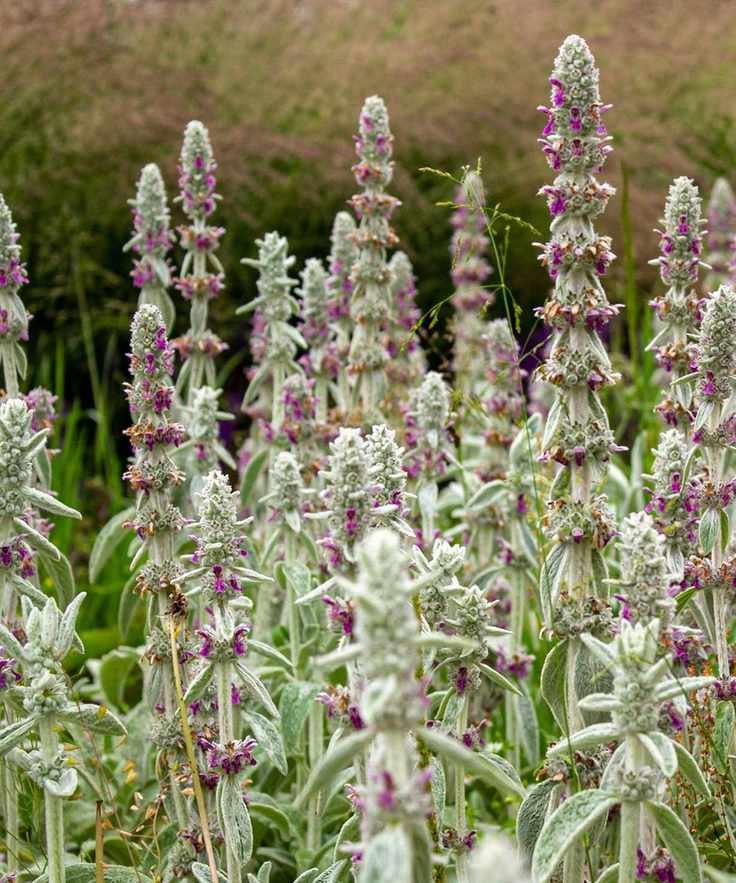
Moderation is key when watering these plants.
Lamb's ears are drought-resistant and thrive in dry conditions. Water only while establishing and during dry spells.
Provide established plants with about an inch of water weekly during dry periods, ensuring to keep the foliage dry by watering at ground level. Overhead watering can trap moisture on the leaves.
In regions with heavy rainfall or careless watering, rotting leaves can occur, leading to issues like powdery mildew. Regularly remove rotting foliage, and consider adding mulch around plants to keep soil moisture away from leaves.
Pruning Lamb's Ears
This hardy plant tolerates cold well, but in harsh winters, the foliage may die back. In spring, trim back dead leaves, allowing new growth to emerge once the weather warms.
After summer flowering, cut stalks to the base to maintain tidiness and prevent self-seeding (unless desired). Simultaneously, remove any tired foliage.
Thinning mid-summer can expose the plants to more sunlight and improve air circulation, reducing rot risk. Find out how to divide plants once established.
Dividing should occur every three to four years in spring to prevent overcrowding, using a sharp knife to separate healthy sections for replanting or sharing.
Common Diseases and How to Manage Them
Lamb's ears usually face minimal pest issues, though root rot and foliar diseases can occur in overly moist conditions. Remove any wilting or rotting foliage promptly to avoid further damage.
Ensure well-drained soil by improving your garden soil with grit or gravel if it tends to become waterlogged, crucial for your lamb's ears care.
Shop for Lamb's Ears Plants
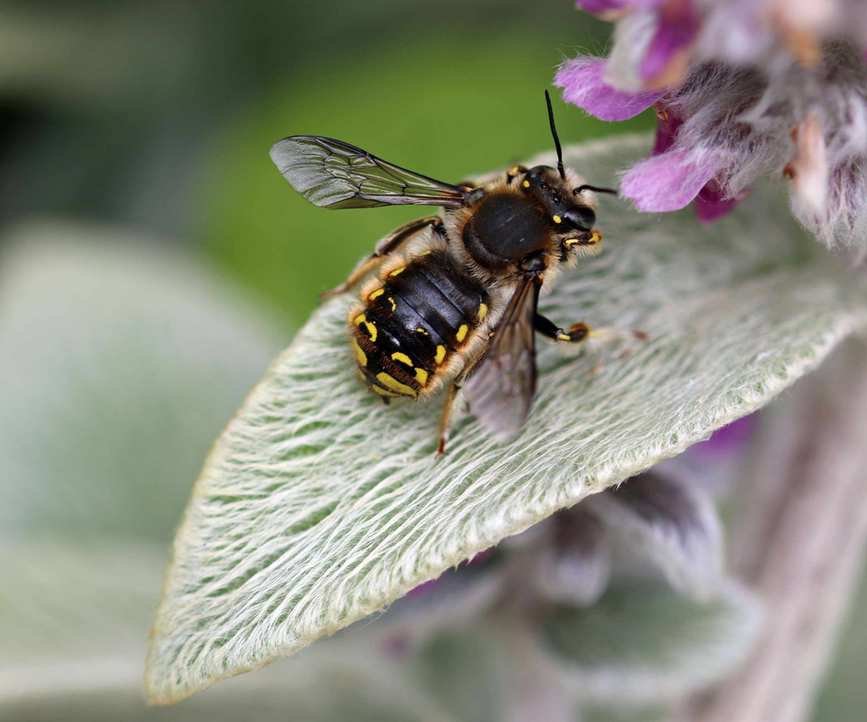
A wool carder bee enjoying a lamb's ears plant, which attract pollinators.
- For dusky pink blooms that attract bees and butterflies, consider 'Helene Von Stein' available at Nature Hills. This variety features large, silvery leaves and a mounding habit. Plant 'Helene Von Stein' in drifts by digging holes in a zig-zag pattern.
- The 'Silver Carpet' variety offers a non-flowering option, creating a velvet-textured, silver-grey carpet, perfect for sunny borders. You can find 'Silver Carpet' on Amazon.
- If you're looking for seeds, 'Silver Spire' is a vigorous variety that forms mats and produces lovely lavender flowers in midsummer. 'Silver Spire' seeds are available at Walmart.
Lamb's ears are among the top xeriscaping plants, perfect for reducing water usage amid climate change. They fit beautifully in gravel gardens too. These adaptable plants are a fantastic addition to your garden design.



