
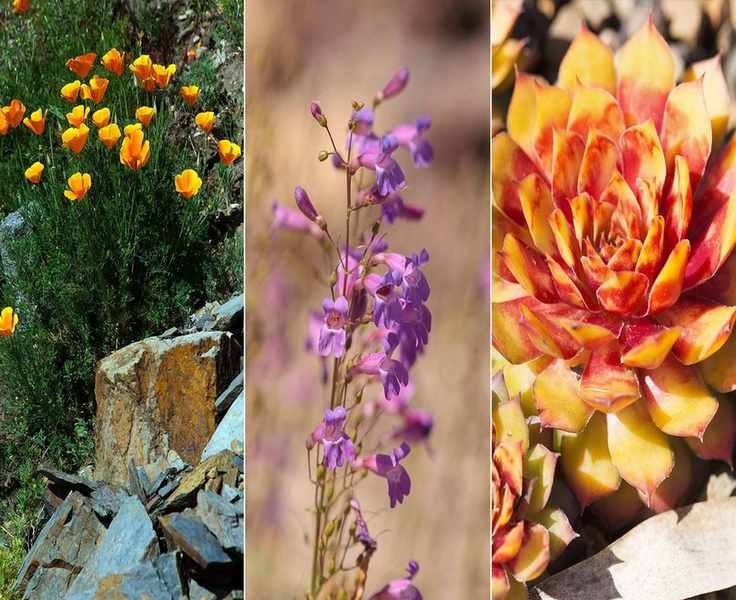
When you hear the term xeriscaping, you might picture a dry landscape filled with just cacti, lacking in color and interest. This stereotype has caused many to overlook the broader concept of climate-appropriate planting.
Originating in the late 1970s from the Denver Botanic Gardens, xeriscaping refers to landscaping methods that prioritize water conservation and environmental protection. In our changing climate, these guidelines are crucial, yet the term has often been misinterpreted.
Cricket Riley, the Nursery and Design Services Director at Ruth Bancroft Gardens in Walnut Creek, CA, shares, 'Xeriscaping can be misunderstood as only being about desert plants or creating a garden that never needs water, which isn't the case. With the right xeriscaping plants, you can have a lush, beautiful garden that requires minimal watering.' This approach focuses on reducing maintenance and irrigation needs.
10 Xeriscaping Plants for Your Home
With many areas in the US experiencing water shortages, choosing xeriscaping plants that need less water is a wise choice. The experts at Ruth Bancroft Gardens collaborate with local water agencies to guide homeowners in transforming traditional lawns into climate-appropriate gardens. Maintaining grass lawns during summer can be expensive and resource-intensive. In states like California, water districts are even offering up to $6 per square foot for homeowners to replace their lawns.
Ruth Bancroft Gardens also offers a Dry Garden Certificate course, teaching sustainable gardening techniques. The fundamental design principles remain consistent: prioritize texture, color, and repetition, while selecting drought-tolerant species to minimize water use.
1. Penstemon spectabilis

Penstemon spectabilis thrives in full sun
- Best for: Mass plantings and attracting pollinators
- Height: 4ft
- Spread: 4ft
- Hardiness: USDA 8-11
This perennial, known for its stunning blue flowers, is a common sight along western highways. Native to southern California, it excels in xeriscaping and attracts hummingbirds and other pollinators. Best suited for full sun, Penstemon spectabilis requires minimal watering and pairs beautifully with other water-efficient plants like lomandra and California poppies for a softer landscape.
2. Lomandra

Lomandra provides year-round foliage in xeriscapes
- Best for: Grassy textures
- Height: 3ft
- Spread: 3ft
- Hardiness: USDA 7-11
This Australian native, recommended by Cricket Riley, is increasingly popular in North America, especially California. Its grassy foliage offers year-round interest without the need for cutting or heavy maintenance. Available varieties include the upright 'Lime Tuft' and the variegated 'Platinum Beauty'.
3. Pelargoniums
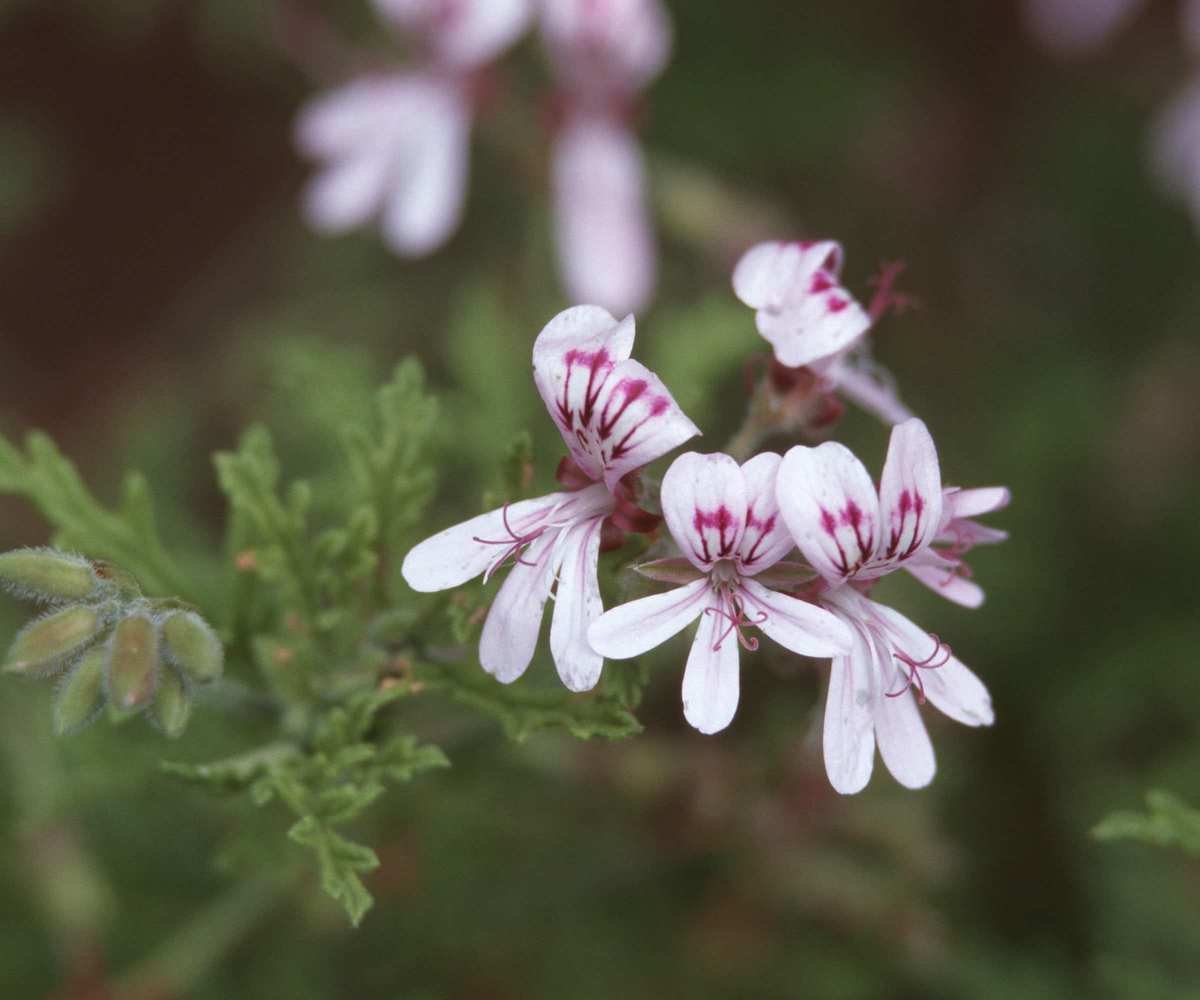
Pelargonium 'Citronella' offers fragrance and beauty
- Best for: Color and fragrance
- Height: 3ft
- Spread: 2ft
- Hardiness: USDA 9-11
While tender in cooler climates, pelargoniums thrive in various conditions. They may go dormant in extreme heat and are ideal for container gardens in harsher winter zones. Scented varieties like 'Citronella' and 'Lady Plymouth' serve as excellent edging plants that release fragrance when brushed against.
4. Yucca

Yucca rostrata adds a bold focal point to landscapes
- Best for: Architectural interest
- Height: 3-15ft
- Spread: 3ft
- Hardiness: USDA 7-11
With its striking form and sword-like leaves, yuccas create fantastic focal points in landscaping. Mature specimens develop a tree-like appearance, while younger plants offer a dynamic look. They thrive in well-drained soil and full sun but also tolerate dry shade. Recommended varieties include Yucca rostrata and the yellow-leafed 'Bright Star'.
5. Helleborus argutifolius
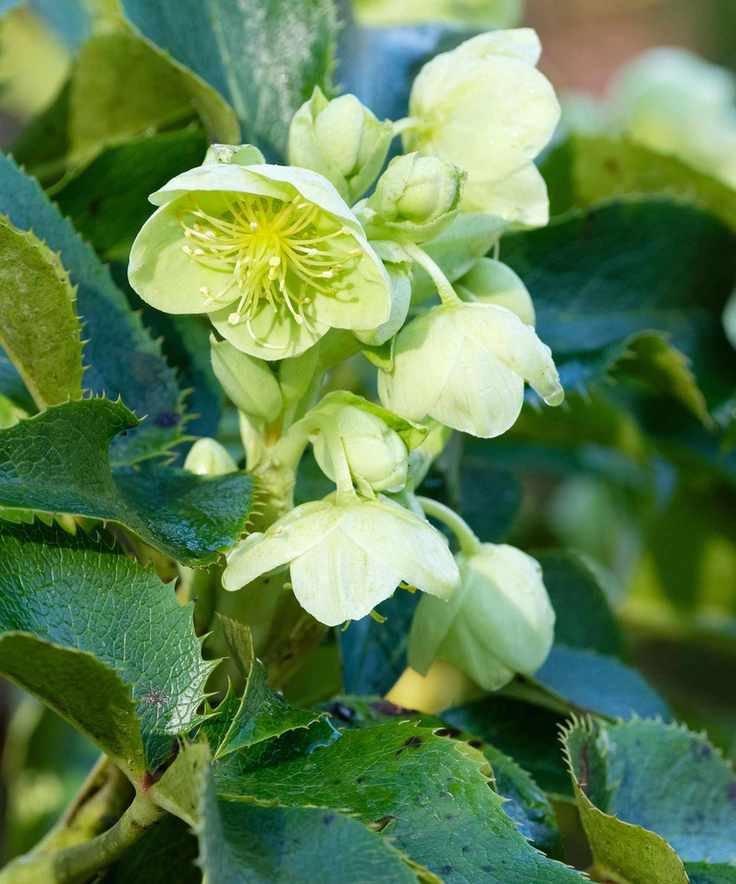
Helleborus argutifolius tolerates low watering
- Best for: Dry shade and winter appeal
- Height: 3ft
- Spread: 3ft
- Hardiness: USDA 6-9
This Mediterranean plant, known as Corsican hellebore, is well-suited for low-water and poor soil conditions. It features vibrant lime green blooms in late winter and early spring, providing winter interest. The evergreen foliage also adds architectural quality, making it a great year-round plant.
6. Sempervivums
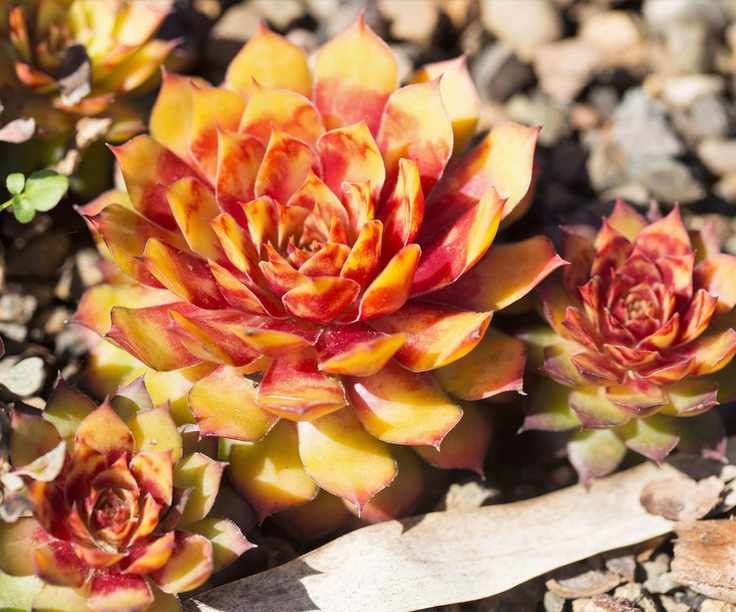
Sempervivum 'Gold Nugget' showcases rich colors
- Best for: Ground cover
- Height: 5in
- Spread: 9in
- Hardiness: USDA 3-9
These evergreen succulents are perfect for shallow containers, edges, or rocky settings. They form intricate ground cover patterns. The Chick Charms series offers colorful varieties like 'Gold Nugget' and 'Emerald Explosion'.
7. Sedum, stonecrop, hylotelephium
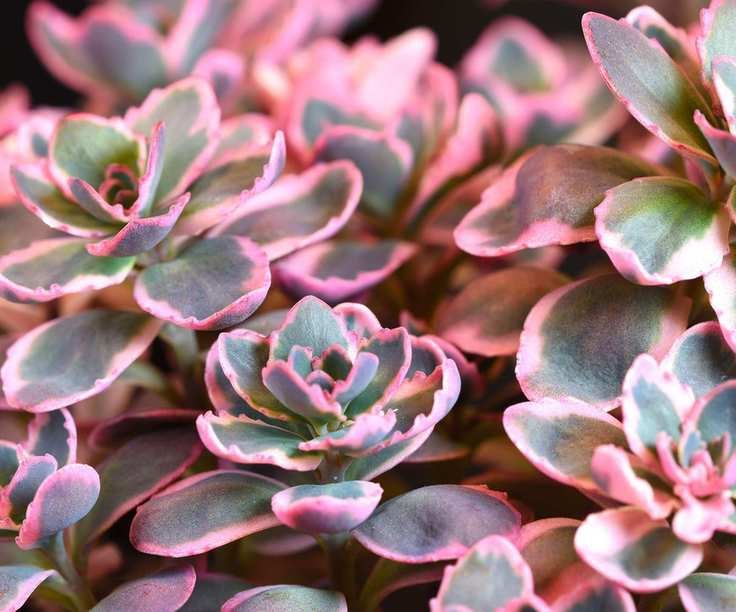
Stonecrop Sunsparkler 'Dream Dazzler' thrives in gravel gardens
- Best for: Gravel or stone planting areas
- Height: 30in
- Spread: 24in
- Hardiness: USDA 3-9
Known for its fleshy leaves and late summer flowers, hylotelephium, formerly sedum, is a favorite among pollinators. It thrives in dry, sunny locations and pairs well with ornamental grasses. Look for classic varieties like 'Autumn Joy' and the ground cover 'SunSparkler' series.
8. Manzanita

Manzanita trees attract diverse wildlife
- Best for: Winter interest and wildlife habitat
- Height: 12ft
- Spread: 12ft
- Hardiness: USDA 8-10
This native North American tree is not only aesthetically pleasing but also supports wintering pollinators. Manzanitas bloom from Halloween to February, offering fragrant flowers in peach, pink, and white, along with beautiful bark.
9. Eschscholzia

California poppies bring vibrant color to gardens
- Best for: Bright color and sun exposure
- Height: 12-18in
- Spread: 8-12in
- Hardiness: USDA 8-11
These poppies add a burst of sunshine to any flower bed with their bright yellow and orange blooms. Their feathery foliage enhances their appeal. While it's tempting to plant them densely, they self-seed and create a natural look over time.
10. Lupins
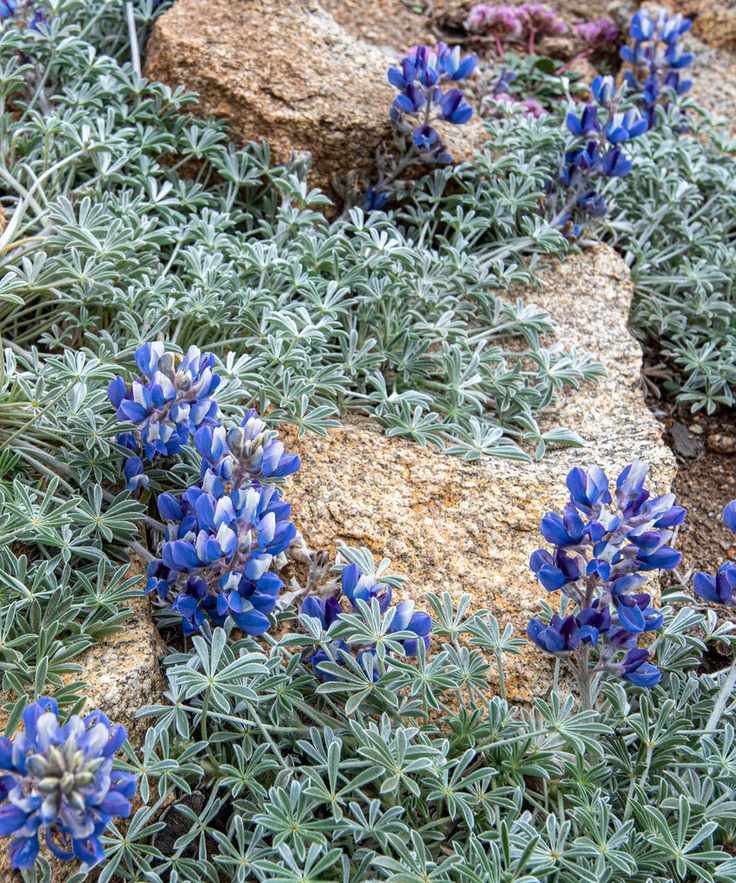
Native lupins flourish in dry, sunny spots
- Best for: Early summer color
- Height: 16in-8ft
- Spread: 12in
- Hardiness: USDA 3-8
North American lupins are perfect for water-wise gardens, adding height and color while rapidly colonizing. Their nitrogen-fixing roots benefit the soil, and they thrive in low-nutrient, sunny areas.
Can Xeriscaping Plants Lower Your Water Usage?
As Cricket Riley points out, many believe xeriscaping means no watering at all. In reality, it's about using minimal supplemental irrigation after plants are established. The essence of xeriscaping lies in reducing water use and maintenance. Consider the labor and water needed to maintain a lush green lawn year-round versus planting with sustainable, climate-appropriate species that require less water and employ permeable materials for effective drainage.
How to Prepare Your Garden for Xeriscaping
To create a xeriscape garden, understand your soil types and prepare accordingly. Effective drainage is crucial for establishing strong root systems while also managing heavy rains. For instance, in clay-heavy areas of California, adding up to 50% volcanic rock to the soil aids drainage. If planting cacti, consider increasing drainage to 70%. Crushed stone like granite is an excellent choice for surfaces.
Sean Hogan, a designer at Cistus Nursery in Portland, emphasizes using locally sourced stone for hardscaping, reducing carbon footprint and enhancing the local aesthetic.
Using xeriscaping plants embodies sustainability at its core. Sean emphasizes the importance of understanding what plants need and making informed choices for your environment. Xeriscaping doesn't mean barren gardens; it's about selecting plants that thrive with minimal care.



