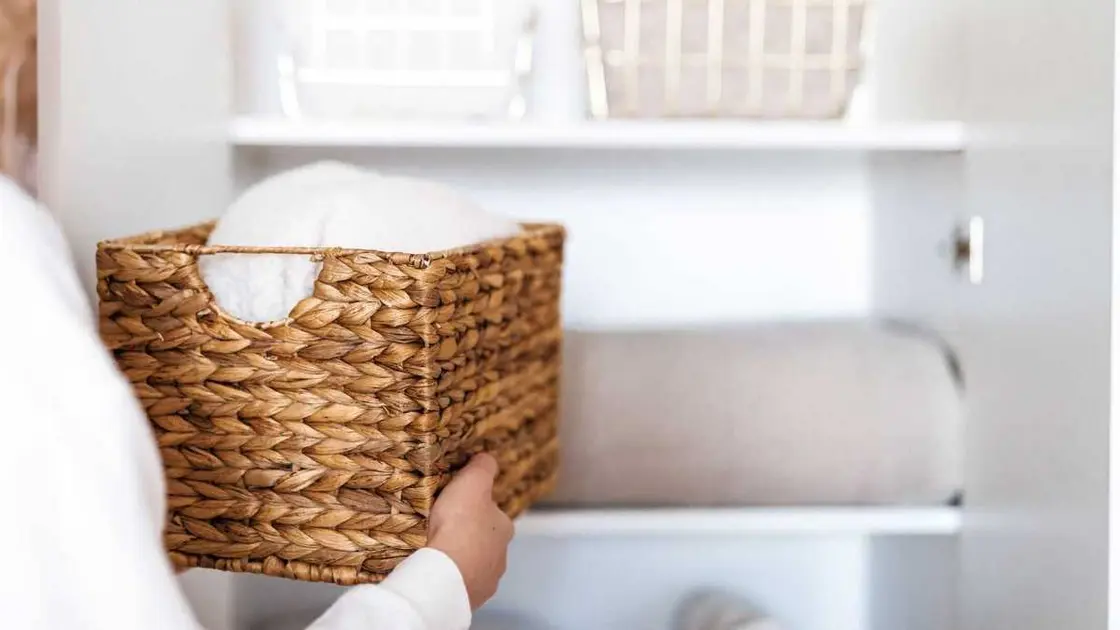
Chances are you've come across the 'underconsumption trend' if you've been scrolling through social media lately.
This trend advocates for using up what you already have before purchasing more, presenting a refreshing alternative to our consumer-driven culture. Professional organizers endorse this method as a mindful way to clear your space.
Here, we explore the underconsumption concept and hear from experts on why it could be your go-to strategy for lasting decluttering.
Defining the Underconsumption Trend
The underconsumption trend is a response to the prevalent issue of overconsumption, often fueled by social media influencers. It encourages individuals to make the most of their existing belongings rather than buying new items, helping to minimize clutter from the outset.
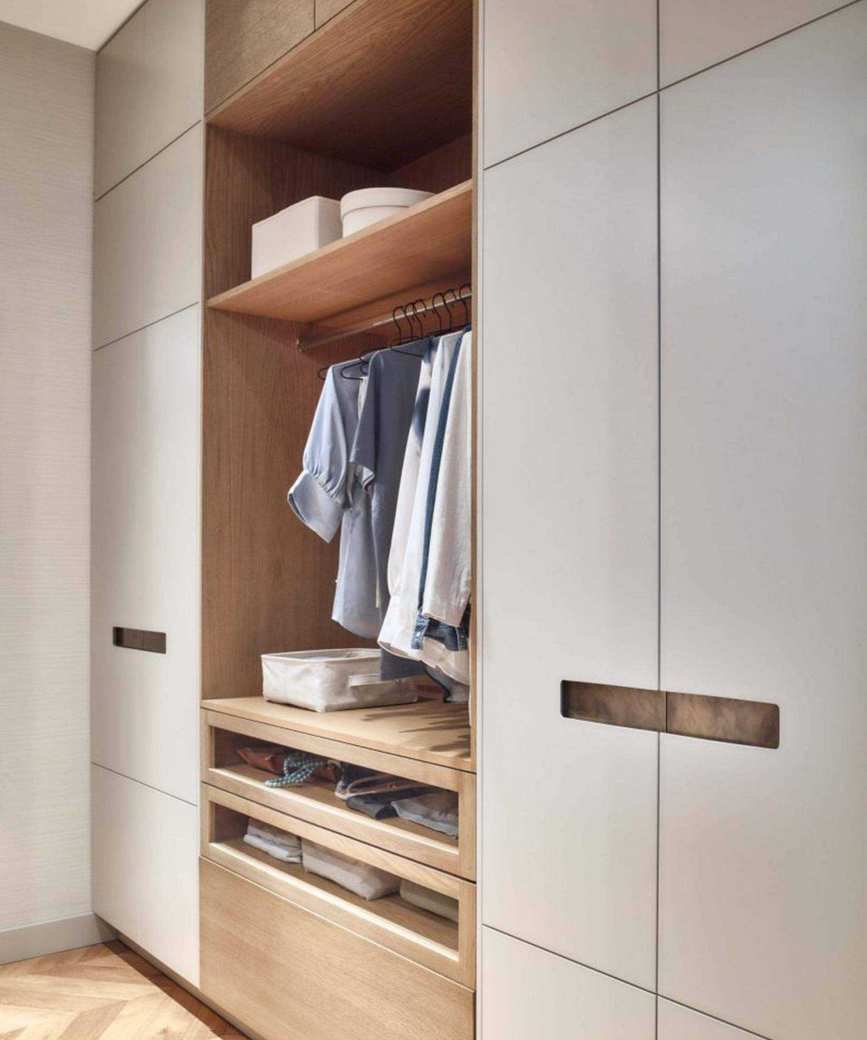
Silvia de Denaro Vieira, CEO of a home management app, shares, 'Underconsumption empowers you to reduce clutter while maximizing what you already possess, positively impacting the environment. It involves being deliberate about your purchases and avoiding impulsive buys.'
She suggests, 'In our home, we maintain weekly shopping lists to resist unnecessary purchases. For trips, we use packing lists to ensure we bring only what we need, making life a bit more organized and manageable.'
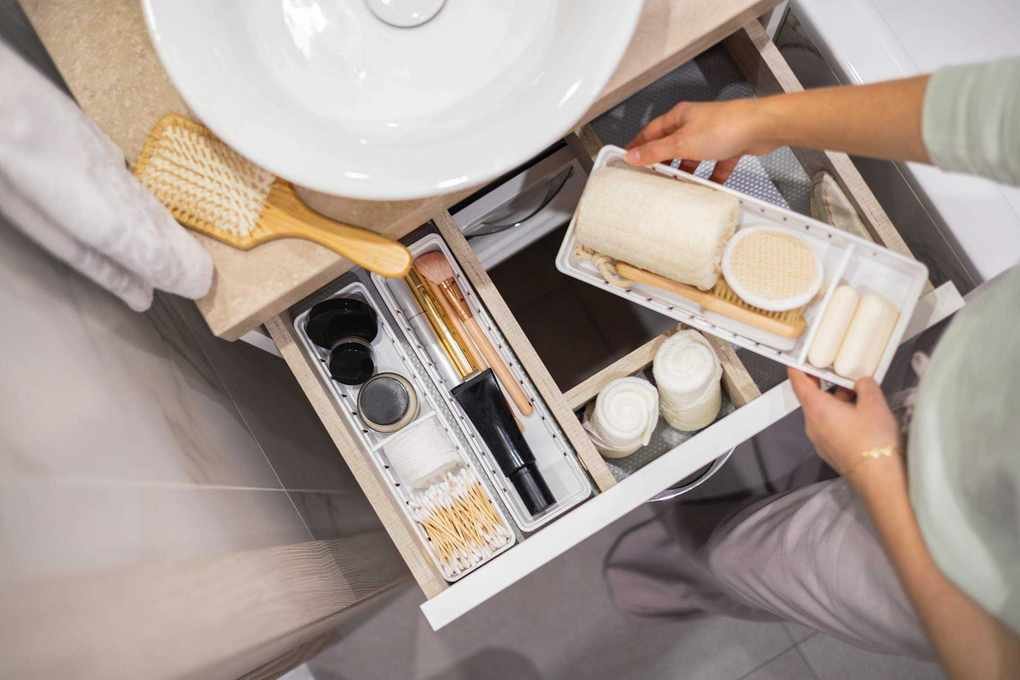
Adopting this trend not only fosters better habits for a clutter-free home but also enhances financial management and reduces waste. Jane Zhang, a design associate specializing in home organization, notes, 'Many individuals buy unnecessary items influenced by social media, which can lead to financial strain. By curtailing these purchases, you can achieve a sustainable lifestyle and choose products that genuinely meet your needs.'
It's crucial to distinguish underconsumption from extreme minimalism. Instead of stark spaces, this trend promotes moderation, allowing you to use or buy only what you truly need.
Using Underconsumption to Declutter Your Home

If duplicates and impulsive purchases clutter your home, adopting an underconsumption mindset might be your solution. Here's how to incorporate this thinking into your daily routine.
1. Inventory Your Items
Start by cataloging what you have to tackle overstocked spaces. Create a detailed list of your makeup or other belongings, categorizing items like foundation and lipsticks. This strategy helps you use up what you already own before making new purchases. For instance, if you discover you have four red lipsticks, try using them all up before buying another.
Silvia suggests applying this method to organize without extra spending. 'Create an inventory of your possessions and think of ways to repurpose them. You might find some unused storage containers that could effectively organize your makeup instead of buying new ones highlighted by influencers.'
2. Gamify Your Usage
Once you have your list of surplus items, turn it into a challenge to use them up before shopping again.
Jane encourages, 'Focus on depleting your current stock, which not only lessens clutter but also creates a more inviting living space. A cleaner environment enhances comfort.' Use your list as a checklist, crossing off items as you finish them. When an entire category is completed, treat yourself to one new purchase.
3. Embrace a No-Buy Challenge
If excessive spending is a concern, consider a complete no-buy challenge. Going without purchases might not suit everyone, but it could spark significant changes in your habits, as Jane suggests.
She states, 'Underconsumption is about cutting out unnecessary buys and focusing on what truly matters. Reuse and repair existing items rather than seeking new replacements. This not only conserves resources but also fosters creativity, simplifying life and minimizing clutter.'
Try shifting desired items to a wishlist instead of a shopping cart. After a designated period, revisit the list to see if those items are still necessary or just impulsive desires. You could also transfer the money you would've spent into savings for a more meaningful experience, like a trip.
4. Adopt the One-In-One-Out Rule
If a no-buy challenge feels daunting, implement the one-in-one-out strategy.
Lisa Dooley, an organizing coach, advises, 'This rule is an effective way to manage incoming items. When decluttering, assess how frequently you use each item to determine if it earns its place in your home. Remember, many books can be borrowed, and specialty cookware can often be eliminated.'
Ultimately, underconsumption shouldn't just be a trend, but a sustainable lifestyle choice. Even if you don't fully embrace minimalism, adopting these habits will help reduce clutter, save money, and enhance your overall quality of life.
Lisa concludes, 'In organizing, we advocate for giving everything a designated space. The less you own, the simpler it is to maintain order.'