

Lighting a garden path can be challenging. You can opt for bright but harsh lighting, often referred to as 'runway lights', or choose moody illumination that lacks practicality. Striking the right balance is essential.
Moreover, path lighting can be costly to install. A misstep can lead to significant expenses.
Even high-quality lights won't save a poorly lit garden path. I consulted with experienced lighting, landscaping, and garden design professionals who provided eight effective tips for achieving beautiful and functional path lighting.
1. Space Your Garden Path Lights 8 Feet Apart

The spacing of your lights is crucial. Paving expert Joe Raboine advises avoiding the runway effect by ensuring lights aren't clustered too closely. Instead, aim for around 8 feet between fixtures for an inviting atmosphere.
Joe suggests that spacing lights 8-10 feet apart enhances both aesthetics and safety. Other experts, including lighting designer Nels Peterson, recommend 8-12 feet for optimal coverage. Garden designer Raine Clarke-Wills suggests a more flexible approach, advocating for 5 to 8 feet depending on the path's layout.
Bear in mind that the type of lighting also affects spacing. Raine mentions considering the beam spread of each fixture. Testing lights in a dark space can help you find the right placement.

Raine Clarke-Wills is a seasoned garden designer with over 23 years of experience and has created several award-winning gardens at the RHS Hampton Court Palace flower show.

Nels Peterson has over 30 years of experience in the lighting industry and is a Certified Outdoor Lighting Designer, earning national accolades for his work.

Joe Raboine serves as Vice President of Design at Belgard, specializing in paving and hardscapes with 25 years in the field.
2. Position Path Lights Correctly
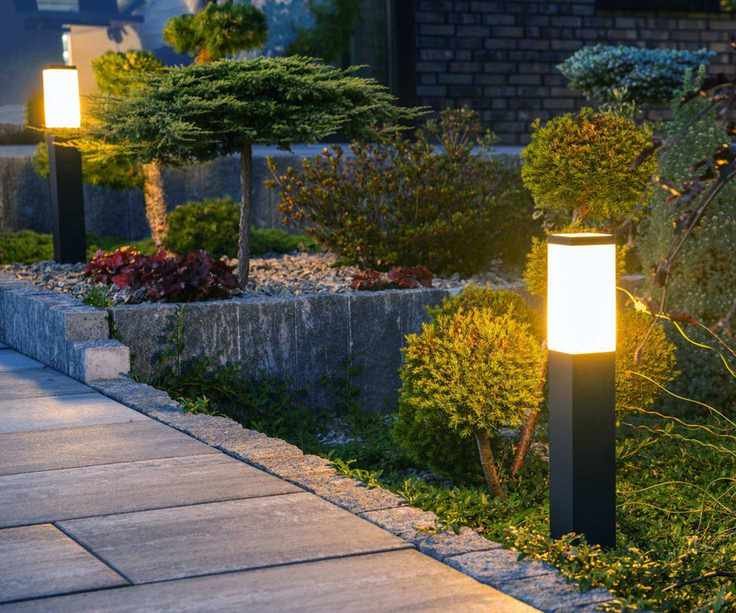
Once spacing is set, consider how far back from the path to install your lights. Nels Peterson suggests a straightforward rule: use the height of the light as a guide for distance. For instance, position a foot-tall light one foot away from the path.
This approach minimizes the risk of people bumping into fixtures and allows space for snow removal. Joe advises placing lights in flower beds for added interest and visual appeal.
Raine recommends alternating lights on either side of the path to create a captivating view from a distance and soften the lighting effect.
Concord Lighting Set
These classic path lights are ideal for traditional homes. They come in a set of six, offering excellent value.
Syntra Path Landscape Light
This modern post light features a hidden bulb for a gentle, diffused glow.
West Elm Flat LED Path Light
This practical path light emits a warm 2700K, as recommended by experts.
3. Determine the Direction of Your Lights
Next, consider the direction your lights face. While lights should generally shine on the path, there are creative alternatives.
Raine suggests three options. First, traditional lights facing across the path create a warm ambiance. Second, uplights embedded in the ground offer dramatic illumination without glare. Finally, downward-facing lights provide a soft glow while minimizing light pollution.
4. Use Downlighting from Trees
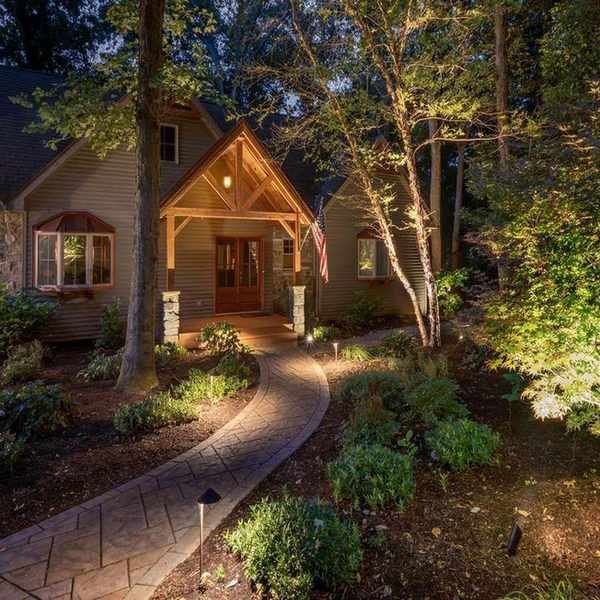
In addition to path lights, consider using trees to illuminate your paths. Jeremy Martin recommends downlighting from trees for a softer, natural effect. He emphasizes that the light source should be hidden to enhance the visual experience.
Jeremy suggests using moonlighting techniques, where lights are placed above tree branches, casting interesting shadows.

Jeremy Martin is the CEO of Willow Gates Landscaping, specializing in patio design and landscape lighting.
5. Opt for Gentle, Warm Colors
Light color is crucial for garden ambiance. Experts recommend using lights below 3000K for a warm, inviting glow. Nels emphasizes that 2700K is the sweet spot for comfort and color rendering.
Raine agrees, suggesting off-white tones for a natural look, avoiding harsh lighting that can feel commercial.
6. Keep Lights Dim

Light brightness, measured in lumens, should also be considered. Nels suggests keeping path lights around 200 lumens or lower. Raine advises using fixtures that diffuse light for an even spread across the path.
Dimmable lights offer flexibility for different occasions, and Joe notes that thoughtful landscaping can enhance lighting and reduce harshness.
7. Avoid Solar Lights for Pathways
While solar lights might seem budget-friendly, experts discourage their use for path lighting. Nels points out that they often have a short lifespan and can lack reliability.
Instead, using electric fixtures powered by a transformer ensures lasting illumination. If you prefer solar options, choose high-quality products with good battery life.
8. Use Candles for Special Occasions
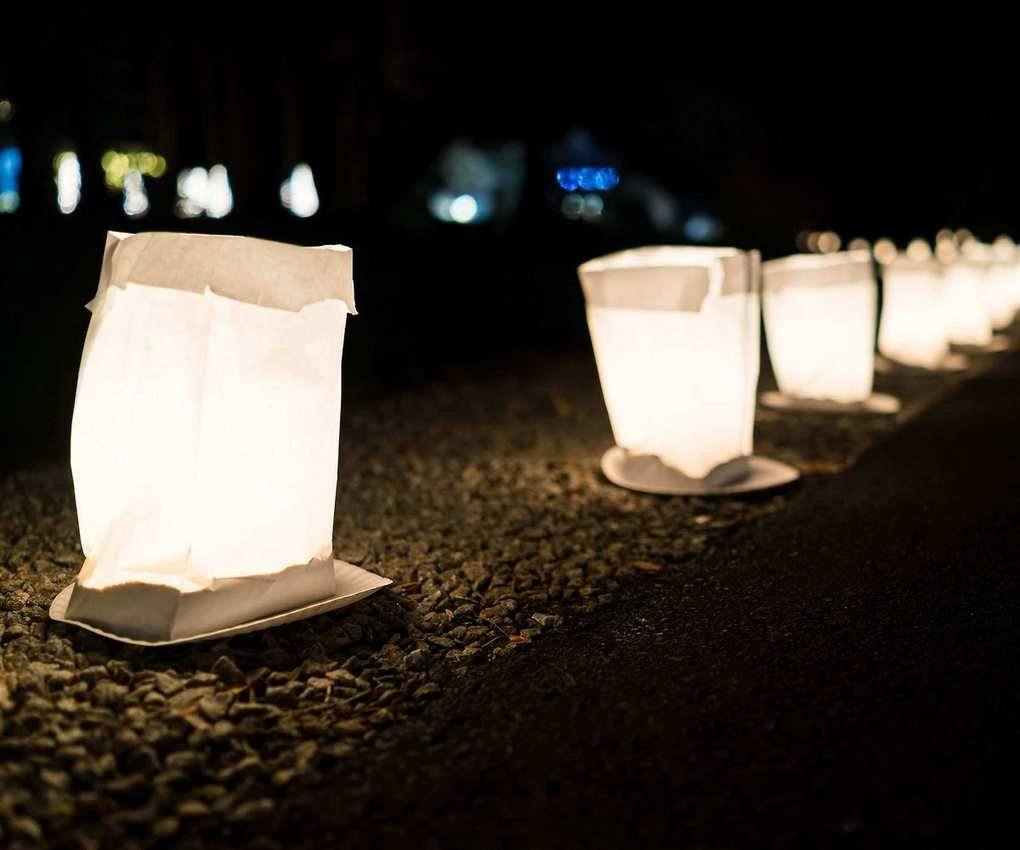
For a truly enchanting display, candles can create a unique atmosphere. Nels loves using candles in paper bags for added charm, recommending sand for stability and safety.
While beautiful, candles aren't practical for everyday use due to maintenance and weather concerns. Both Raine and Joe recommend them for special occasions but advise caution.
However, you can replicate a similar effect with LED candles, though they may not be as visually appealing.
FAQs
Does outdoor lighting attract wildlife?
Outdoor lighting generally attracts insects but not larger animals.
Achieving the perfect garden lighting can transform your space into a serene retreat. For more outdoor lighting tips, check out our guide on placing outdoor lights and our ideas for illuminating your pergola.



