

Watering is crucial for all plants, whether gorgeous ornamentals or vegetables for your plate.
Year-round decisions about when and how to water are essential. Whether in the ground or containers, proper watering leads to healthier plants and less effort.
As a professional gardener, I've spent countless hours watering. Now, as a home gardener, I've learned that a more strategic approach saves time, conserves water, and benefits my plants.

All plants need water to grow and thrive
Effective Plant Watering Techniques
Various methods exist for watering plants, each with its pros and cons.
I typically prefer hand watering with cans or hoses, though alternatives like drip irrigation, soaker hoses, or sprinklers can simplify the process. While automatic systems reduce manual effort, they may not always be efficient and can break down.
Water is a precious resource; it's important to use it wisely. More gardeners are shifting away from excessive mains water use to more targeted and efficient practices.
Here are 10 methods to water plants effectively, minimizing waste while promoting strong growth.

Water is valuable; let's conserve it
1. Focus on the Soil
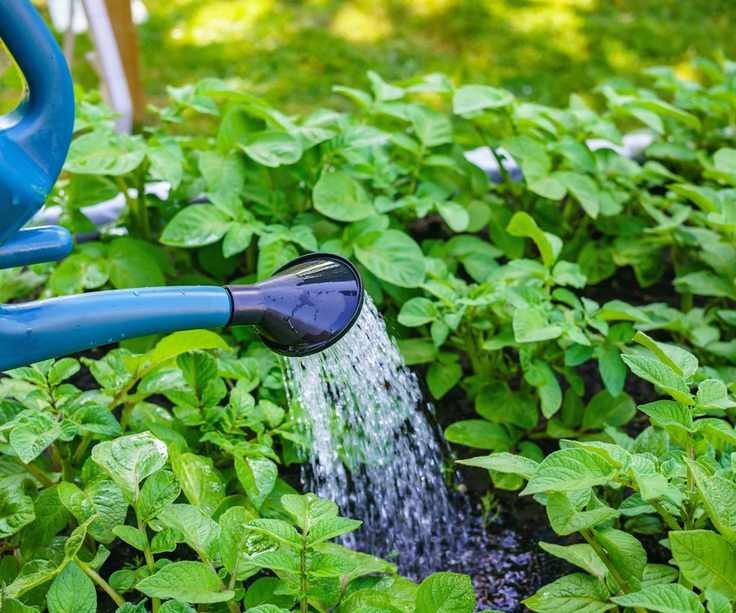
Direct water to the soil, avoiding foliage
To maximize effectiveness, direct water to the soil where it's needed most. Plants absorb water through roots, so aim to wet the soil at the base rather than the leaves. Wet foliage can lead to evaporation and fungal diseases like powdery mildew. Water deeply to soak the root ball, which can extend a few feet deep.
When watering a flower bed or vegetable garden, focus on soil. Drip irrigation and soaker hoses are excellent for this purpose.
LINEX Garden Soaker Hose | Available at Amazon
This soaker hose provides even water distribution directly at soil level, reducing evaporation losses.
View Deal2. Water Deeply
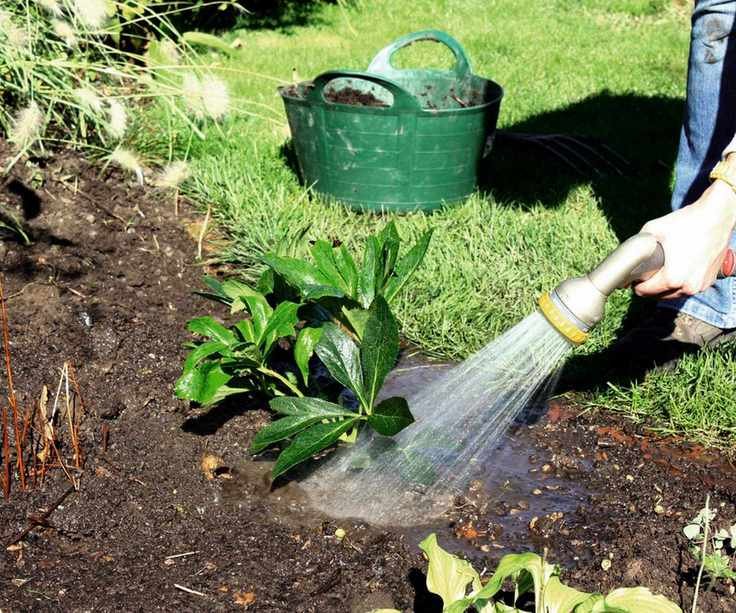
Deep watering benefits root systems
Watering deeply encourages roots to grow downwards, which is crucial during dry spells. Deep, infrequent watering is more beneficial than shallow, frequent watering, as it helps plants develop a resilient root system.
3. Water Slowly
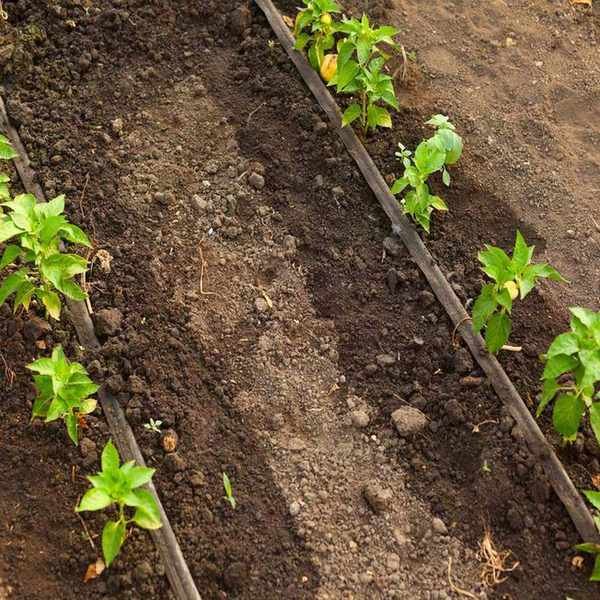
Slow watering enhances absorption
Slow watering allows plants to absorb moisture effectively. Instead of flooding, release water gradually to prevent runoff. Use a watering can or hose with a spray attachment to control the flow, or consider drip hoses that deliver water slowly over time.
4. Check Soil Moisture
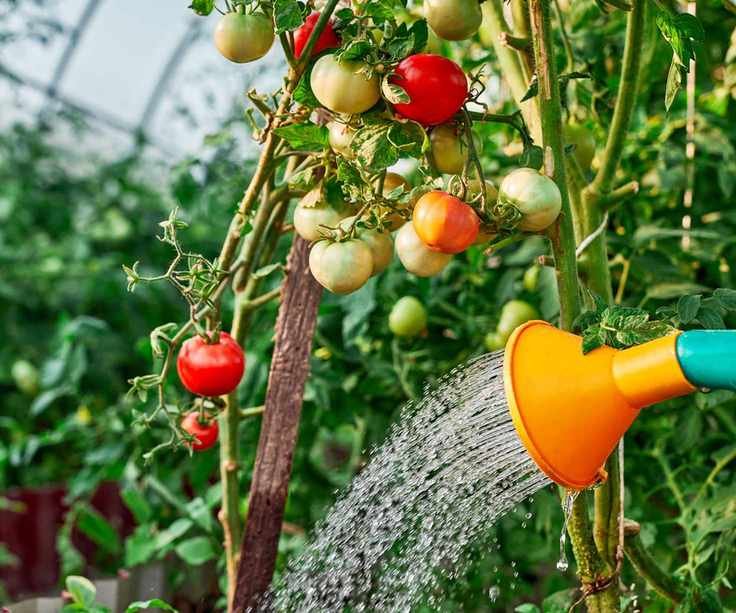
Check soil moisture before watering
Always water when the soil is dry. Overwatering can harm plants, so regularly check moisture levels by probing a few inches down with your finger. If it feels dry, it's time to give your plants a thorough drink.
5. Water in the Morning
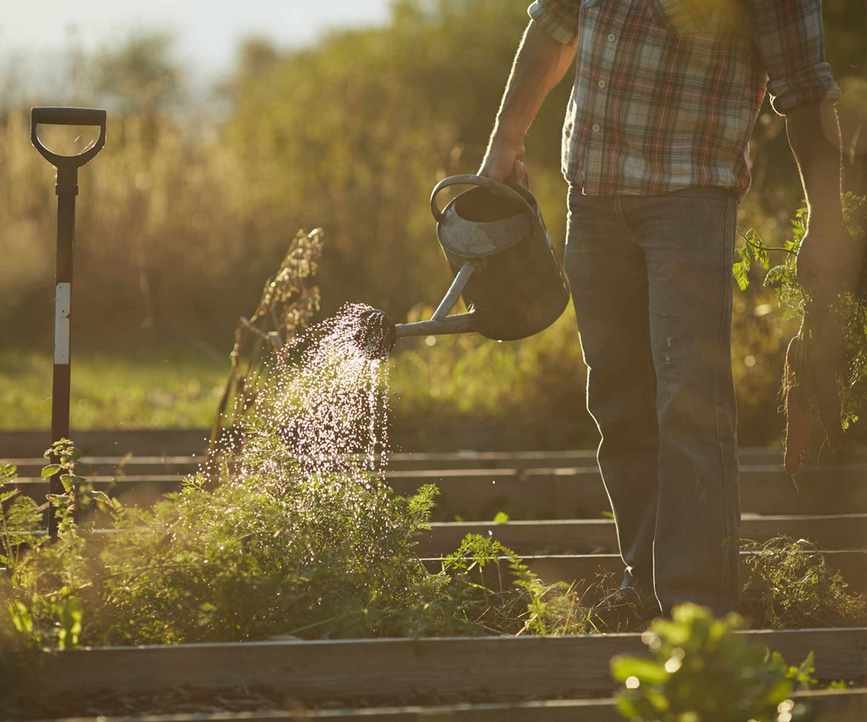
Morning watering minimizes evaporation
Watering early in the day reduces evaporation, allowing plants to absorb more moisture. Morning watering also ensures that water on foliage evaporates before evening, lessening the chance of fungal diseases. If morning isn't feasible, evening watering is the next best option, but be cautious of wet foliage overnight.
6. Collect Rainwater

Rainwater harvesting benefits plants
Plants thrive on natural rainwater, which is free from chemicals and salts found in tap water. Rainwater has a lower pH and contains nitrogen, essential for plant growth. Consider using a rain barrel or rain chain to collect rainwater.
7. Utilize Mulch

Mulch conserves soil moisture
Mulching significantly aids in retaining soil moisture and reducing the frequency of watering. Adding organic materials like compost improves the soil's ability to hold water while also suppressing weeds.
8. Frequent Watering for New Plants

New plants require consistent moisture
Newly planted flowers or seedlings need regular watering as they establish roots. Monitor them closely, as even drought-tolerant varieties need extra care during their first year.
9. Understand Plant Needs

Adapt watering to specific plant requirements
Watering isn't uniform; it varies based on soil, climate, and plant type. Knowing your plants is key. For instance, some thrive in dry conditions, while others prefer consistently moist soil. Understanding these differences prevents over or underwatering.
10. Bottom Watering
Bottom watering is effective for potted plants. Soak pots in a water-filled container, enabling the soil to absorb moisture from the bottom up, which avoids wetting the foliage. For larger plants, consider self-watering planters that maintain moisture levels.
Self Watering Planters | Available at Amazon
These planters can provide adequate water for up to 10 days with one fill.
FAQs
How much water do plants need?
Determining the right amount of water depends on factors like plant size, location, and weather. Monitor soil moisture regularly and water deeply when the top few inches are dry, especially during hot months.
Is rainwater sufficient for plants?
Rainwater can adequately water plants if collected properly. However, during dry spells, you may need to supplement with additional water sources like mains water or even bathwater.
How to water hanging plants?
Watering hanging plants can be tricky; a long-neck watering can is ideal. Self-watering baskets or drip irrigation systems can also help manage moisture levels effectively.
How can I water plants while away?
For vacations, consider drip irrigation systems with timers, or low-tech options like using wine bottles as slow-release watering devices. Traditional methods like garden ollas can also provide moisture while you're away.
Mastering watering techniques can be challenging, but following these tips will enhance efficiency and minimize potential watering issues.



