

Interior design trends evolve rapidly, with some styles enduring and others fading quickly. It can be challenging to determine when to adopt a trend while ensuring your home remains both stylish and timeless. That's where transitional design shines.
In essence, transitional design merges traditional and contemporary elements, resulting in spaces that are both classic and modern. This approach looks effortlessly curated, yet achieving it requires careful planning. We sought insights from designers on how to effectively incorporate transitional style into your home.
Understanding Transitional Design
Transitional design is about skillfully blending the warmth of traditional decor with the clean lines of modern design. By mixing elements from various eras, it creates an inviting atmosphere that balances nostalgia with contemporary flair. Antique items can complement sleek modern furniture, resulting in a harmonious arrangement that exudes charm and sophistication.
While the essence of transitional design is rooted in combining traditional aesthetics with modern accents, it has evolved to embrace various styles, creating a timeless home. Committing to a single style, like farmhouse, could lead to a space that feels outdated. By integrating modern touches, you can create adaptable spaces that withstand shifting trends.
1. Embrace Neutral Color Schemes

Though transitional designs aren't exclusively neutral, a neutral palette often serves as a solid foundation. It allows for layering and blending different styles without overwhelming the senses. Neutral tones also facilitate the integration of diverse design elements, enabling you to focus on the pieces and styles you want to highlight.
Neutral doesn't equate to dullness; transitional style thrives on textures and shapes that add depth. Utilize a tonal palette of creams, beiges, soft grays, and darker shades like browns for contrast. This approach is particularly effective in a transitional bathroom.
2. Balance Your Design Styles
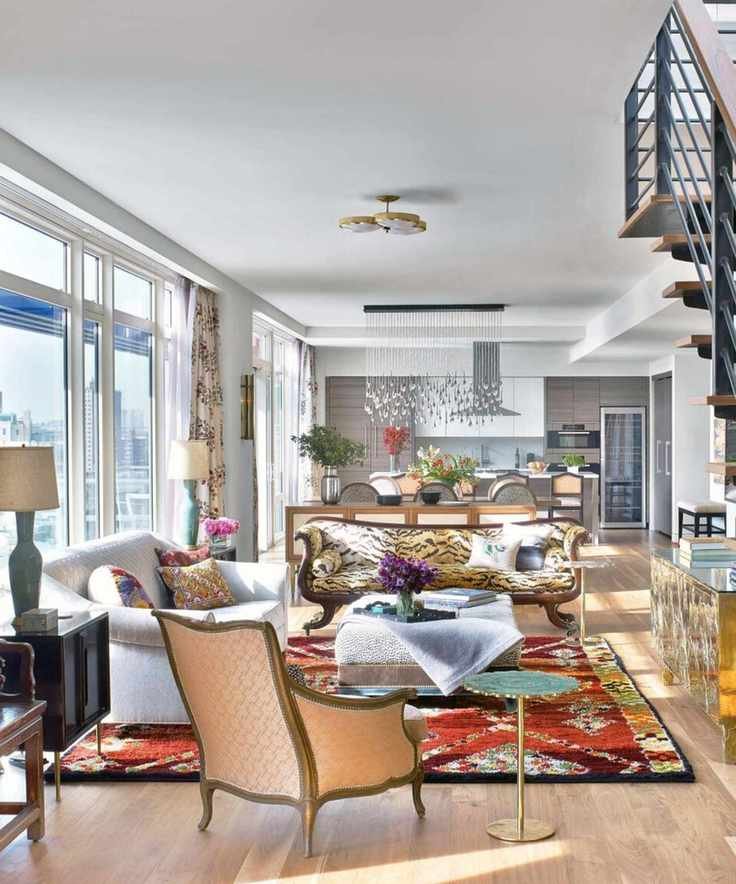
While transitional style should appear effortless, achieving this look requires thoughtful consideration of how to balance various styles. You want to avoid one style overpowering the other, while also steering clear of a chaotic mix.
According to a designer, transitional design thrives on combining contrasting or closely related styles. Both approaches offer unique perspectives. Start by ensuring that your larger furniture pieces follow one style, while incorporating the other through art, decor, and textiles.

3. Ensure Consistency
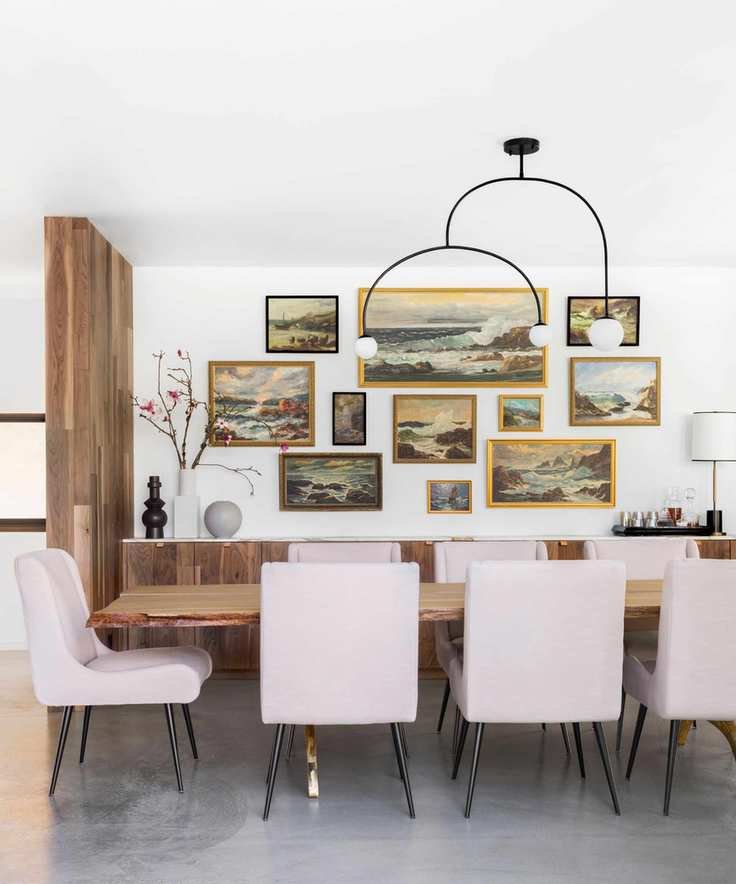
Maintaining balance is key. While transitional decor should feel relaxed, it must also avoid chaos. Identify a unifying element—be it color, material, or shape—to guide your choices.
As noted by a designer, selecting a cohesive color palette and similar materials—like leather and woods—allows for a diverse array of styles. For instance, a modern light fixture paired with a vintage rug creates an engaging contrast. Introduce mid-century items, such as stylish chairs and updated drapery.
Consider adding unique art pieces, whether vintage or contemporary, as long as they align with your chosen palette. The beauty of transitional style lies in its flexibility—feel free to experiment and mix!
4. Incorporate Contrasting Shapes

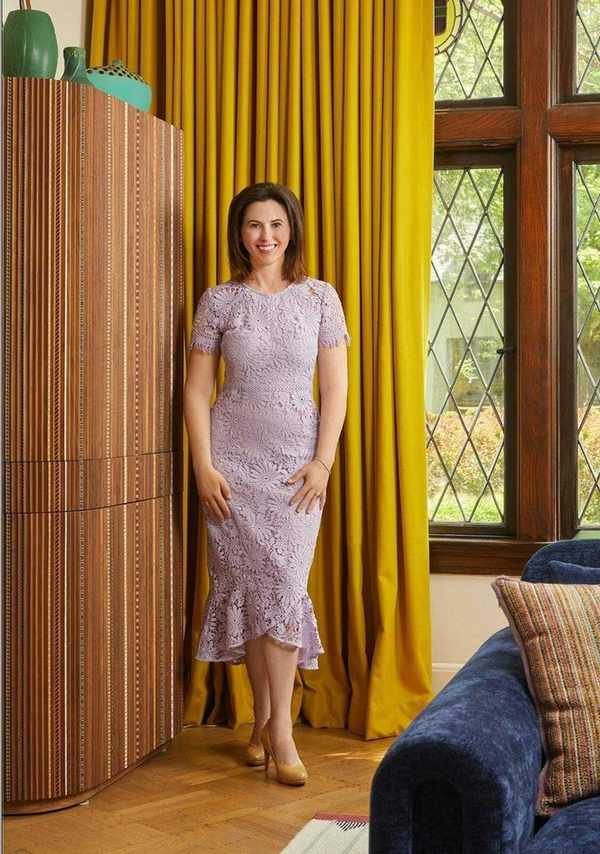
Mixing furniture trends from different eras adds character and depth to your space. Aim for contrasts—blend contemporary items with traditional, pairing linear and curved forms while balancing textures and colors. Too many trendy pieces can quickly date a room; instead, add eclectic elements that reflect your personality.
With a neutral base, a clear balance strategy, and a thread of cohesion, you can now focus on blending styles. Whether you lean modern with furniture and traditional decor or the reverse, the goal is to create a harmonious mix.
Introduce classic elements, such as intricate moldings and vintage rugs, alongside modern features like streamlined decor and contemporary art. Accentuate the space with cozy textiles, ensuring your design reflects your unique taste and the architectural style of your home.
5. Embrace the Imperfect
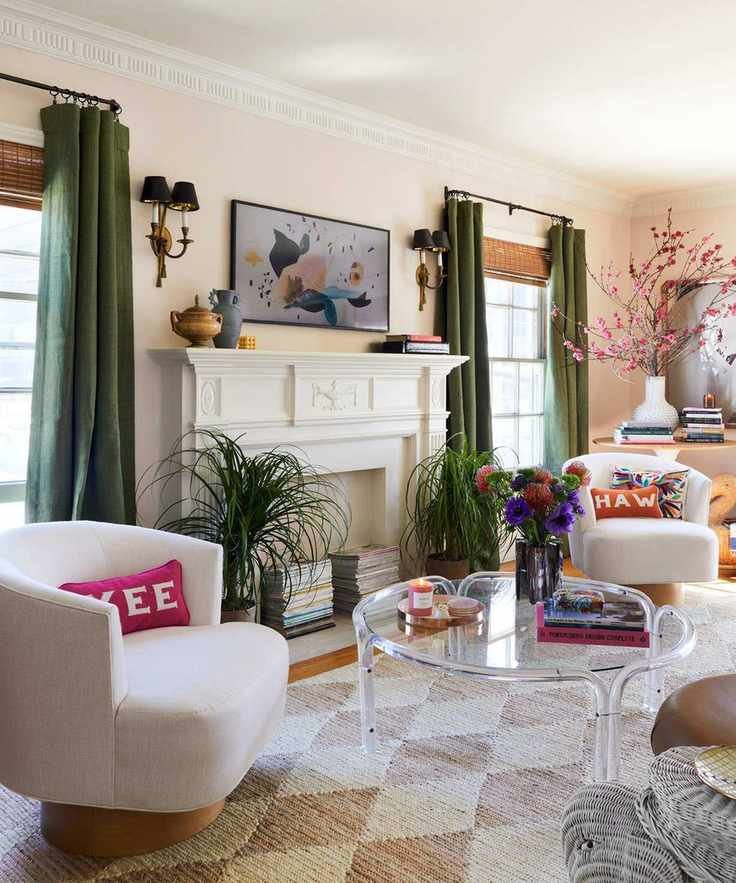
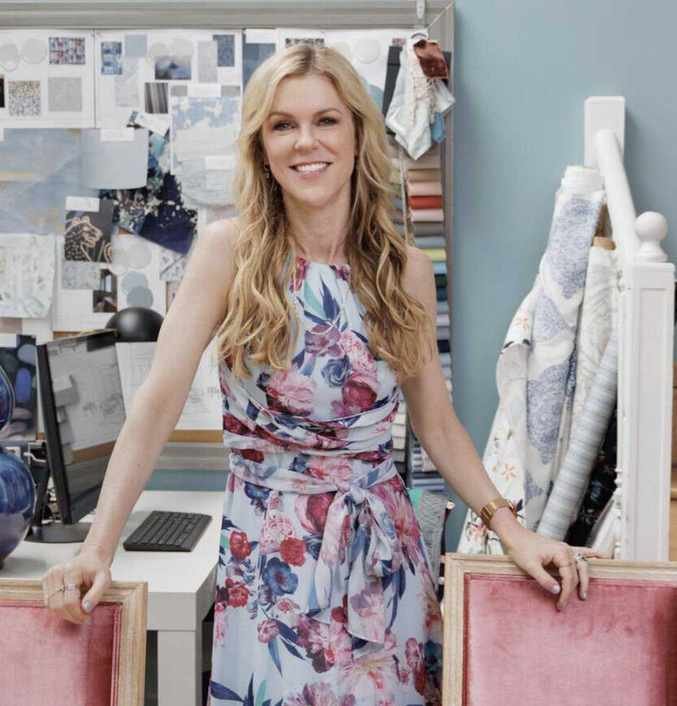
When curating a transitional space, avoid strict adherence to rules. Trust your instincts and choose items that resonate with you, even if they don't match perfectly. This approach can add character to your home.
Ultimately, transitional design thrives on the idea that not everything must align. Mixing styles and eras creates an engaging look that embraces both contemporary trends and timeless elements.
Achieving the perfect transitional style may involve some experimentation, but the goal is to curate a home that reflects your tastes and feels effortlessly timeless.



