
Regardless of whether your range hood is hidden from view or serves as a stunning centerpiece in your kitchen, it requires regular cleaning to function optimally.
When cleaning your kitchen, it’s crucial to pay attention to the hard-to-reach areas of your range hood to maintain its performance, appearance, and scent. Neglecting this can lead to greasy buildup, which may result in costly repairs or even necessitate a replacement, according to experts.
Here, Shirley Hood, an appliance authority, shares effective strategies for thoroughly cleaning your kitchen range hood and highlights the importance of this task.

Shirley Hood is an appliance expert and sales specialist based in Illinois. Every member of the service team is acknowledged by the store's manufacturers for their exceptional repair expertise.
Steps to Clean Your Range Hood
It's easy to overlook the range hood while cleaning stove burners or scrubbing the oven, but maintaining this frequently used area can significantly enhance your cooking experience.
Essential Cleaning Supplies
- Baking soda – available in large quantities on Amazon
- Dish soap – like Dawn from Walmart
- A kitchen degreaser – also found at Walmart
- A microfiber cloth – available from Amazon
- Optional: Dishwashing detergent – like this variety at Walmart
Cleaning Range Hood Filters and Interior
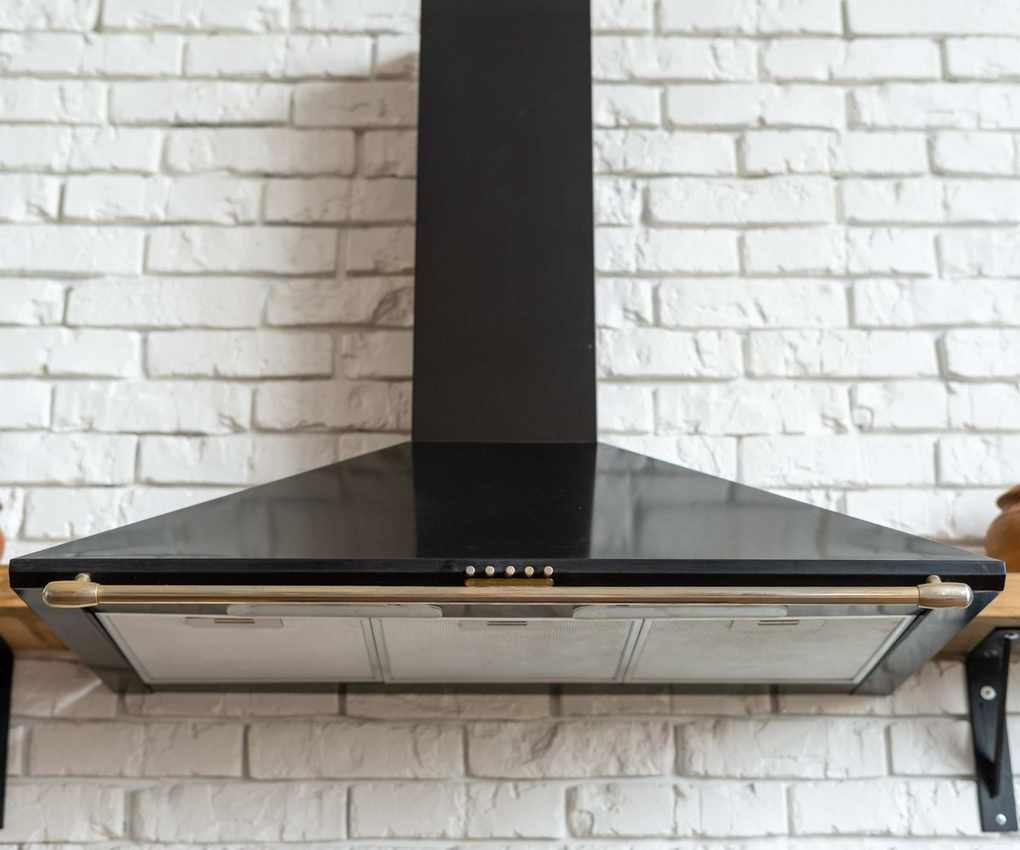
The filters are arguably the most crucial part of your range hood. They capture food particles, dust, and grease from the air, preventing them from entering your HVAC system and becoming a fire hazard. These often-overlooked areas are vital for efficient air filtration.
“Every manufacturer has different models, so it's important to follow their specific cleaning instructions,” says Shirley Hood. “As a general guideline, remove and soak the filter/baffles in hot water for 15 to 30 minutes with degreasing dish soap, baking soda, or a safe over-the-counter degreaser for stainless steel surfaces, such as Bar Keepers Friend from Amazon.” A gentle scrubbing brush, like this eco-friendly option from Walmart, can help effectively remove grease from the filter surfaces.

If grease buildup is particularly stubborn, try soaking your filters in boiling water mixed with dish soap and baking soda overnight to loosen the grime. Some filters/baffles can be placed in the dishwasher for easy cleaning, Shirley adds.
While the filters are soaking, it's also essential to clean the interior of the range hood where the vital components reside. “When cleaning the inside, avoid spraying any cleaning solutions directly onto the surfaces or components,” she cautions. Instead, use a soft microfiber cloth, available on Amazon, sprayed with kitchen degreaser to wipe down flat surfaces. Be cautious not to apply pressure on wiring components or fans to avoid damage.
“You can also utilize a vacuum cleaner with a brush attachment to eliminate loose debris from the blades and motor,” suggests Annie Morris, a property management specialist.
Cleaning the Exterior of Your Range Hood

“Regularly cleaning the exterior (including the chimney, if present) is a practice I highly recommend,” continues Shirley. While the exterior may seem purely aesthetic, removing kitchen grease can help eliminate unwanted odors and prevent staining over time.
“You can use any over-the-counter degreaser safe for stainless steel (just spray and wipe) or any dishwashing detergent with degreasing properties,” Shirley advises. “Simply fill a spray bottle with a pump or two of detergent and warm water, spray the solution directly onto the exterior of the hood, and wipe it down with a microfiber cloth. To keep your hood looking pristine, consider using stainless steel wipes from Amazon daily to prevent grease accumulation,” she adds.
When applying any cleaning solution to a wall-mounted appliance, ensure that there are no utensils, pots, or pans directly underneath to prevent any drips. One top cleaning tip is to work from top to bottom, starting with the range hood before addressing the kitchen counters and stove to avoid muddling your efforts.
The Importance of Cleaning Your Range Hood

“Have you ever noticed how filthy your hood can get? Vent hoods are designed to ventilate your kitchen by removing smoke, steam, odors, and heat while trapping grease to prevent it from accumulating on your kitchen cabinets, walls, and appliances. If you use your vent hood but neglect to clean the filters/baffles, dirt, grease, and odors will accumulate, reducing its effectiveness,” explains Shirley Hood.
“These residues also affect the surfaces surrounding the hood, including your walls and kitchen cabinets. Over time, you may observe a greasy yellowish film on your hood, backsplash, and cabinets that is incredibly difficult to remove. You might also encounter a persistent odor each time you switch on your hood that only dissipates when you open the kitchen windows.
“The bottom line is that regular cleaning will help prevent buildup and ensure your hood operates efficiently,” Shirley emphasizes.
Frequency of Cleaning Your Range Hood

Many people wonder how often they should clean their kitchen, and the answer often hinges on how frequently and how you use your kitchen space.
“Generally, it’s advisable to clean your kitchen extractor fan at least every six months,” suggests Annie Morris. “Grease and food particles can accumulate on the blades and motor, leading to performance issues. However, this frequency may differ based on your cooking habits, so monitor the buildup and clean the fan as required,” she adds.
“Always adhere to the manufacturer’s guidelines, but it largely depends on your usage and the type of dishes you prepare,” continues Shirley Hood. “For instance, if you cook daily, particularly with sautéing, frying, or aromatic dishes, you should aim to clean your hood at least once a month or more frequently,” she recommends.
Mesh filters/baffles should be cleaned at least a few times a week. If you cook frequently but only occasionally prepare greasy or strongly flavored dishes, a thorough cleaning once a month and weekly mesh filter/baffle cleanings will keep your hood in good shape.
“If you don’t cook often and rarely use your hood, you can extend the time between thorough cleanings but should still clean the filters regularly. If you notice buildup on the exterior of your hood, however, using wipes to clean the surrounding kitchen cabinets weekly will help prevent permanent discoloration. You’ll be glad you did in the long run!”
When to Call a Professional for Range Hood Service
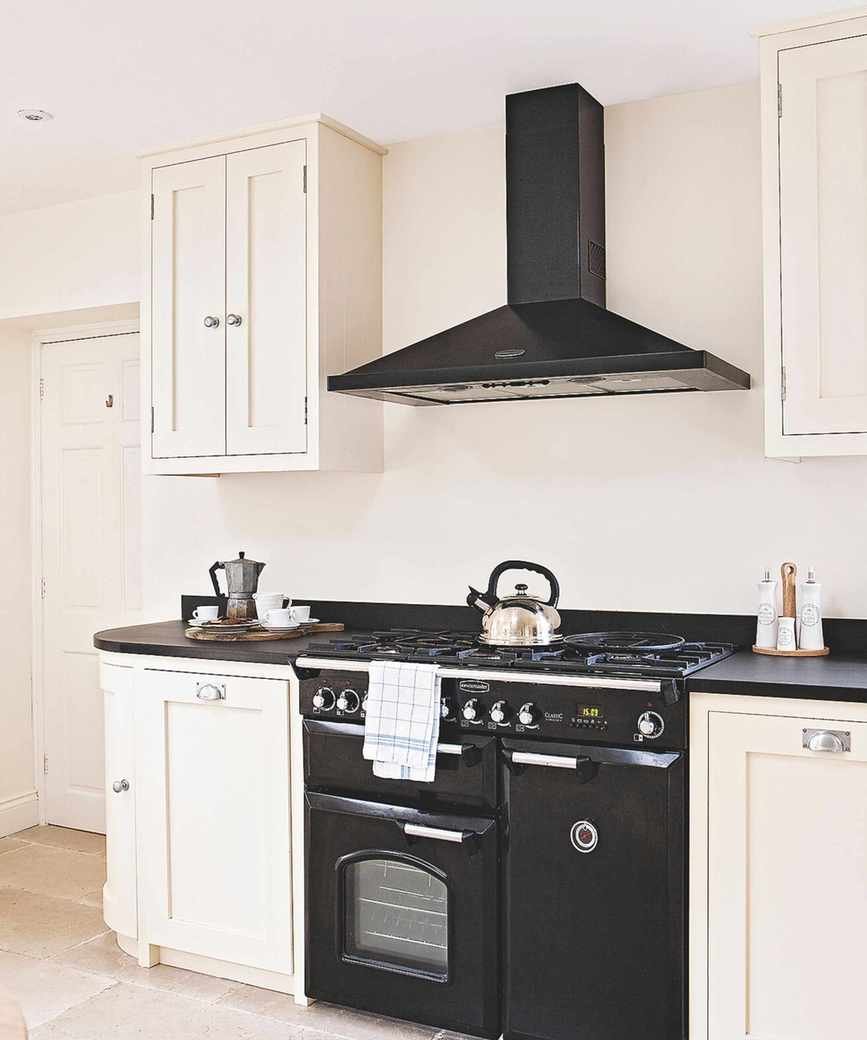
Just because your range hood makes noise when activated doesn’t guarantee it’s effectively filtering contaminants from your kitchen. A simple test to determine if your range hood is functioning properly is to hold a piece of kitchen paper near the filter – if the paper stays in place when the hood is on, your vent is in excellent condition. If it falls, it might require professional attention.
“If you’re uncomfortable cleaning your kitchen extractor fan yourself or the fan is particularly dirty or clogged, consider hiring a professional service to clean and maintain it for you,” suggests Annie Morris. “This ensures a thorough cleaning and helps identify potential issues before they escalate into major problems. The frequency of these services will depend on your usage and the extent of grease buildup in your kitchen.”
How to Remove Baked-On Grease from Your Range Hood
If you're dealing with stubborn, baked-on grease on your kitchen range hood, a vinegar solution may help lift it away. Mix equal parts white vinegar and distilled water with a tablespoon or two of baking soda, then let the solution sit on the stain. After a while, use a cloth to scrub the area until the grease comes off.