Pumpkins are the quintessential symbol of autumn. Their vibrant orange color, along with their prominent roles in both Halloween and Thanksgiving celebrations, makes them a true seasonal delight.
Family outings to pumpkin patches create lasting memories, but growing your own pumpkins can elevate your Halloween decorations and Thanksgiving dishes to new heights. Once you master pumpkin cultivation, you'll find they are easy to grow annually, transforming your garden into a stunning fall landscape just in time for harvest. Plus, properly stored pumpkins can last for months, providing delicious pumpkin recipes throughout the winter.
With insights from seasoned gardeners, here's everything you need to know about growing pumpkins.
How to Cultivate Pumpkins

Your first step is selecting the right seeds. For Halloween carving, Jack O'Lantern seeds are a popular choice. If you have a smaller garden, consider varieties like Little Gems, Buffy Ball, or Hooligan, which yield smaller fruits and require less space. For culinary uses, the sweet Crown Prince or Galeux d'Eysines are excellent options, especially for pies.
1. Start Seeds in Pots
Timing is crucial for planting pumpkins. Since pumpkin seeds struggle to germinate in cold soil, it's best to start them indoors. Once any chance of frost has passed, you can transplant them into your garden, giving them ample time to grow for the October season.
Begin with a 9cm pot for each seed, which provides enough room for growth, advises Matthew Oliver, a horticulturist. This eliminates the need for repotting as they mature.
2. Prepare the Soil
When planting your seeds, ensure you use a moist but well-draining compost. You might want to include grit or perlite, which helps the soil retain air and moisture effectively.
'This will prevent the seeds from rotting in cold, damp conditions,' notes Oliver.
3. Allow Germination
Position your potted pumpkins in a warm, bright location. 'Keep the temperature above 20°C, and germination should occur within 3-7 days,' Oliver explains.
4. Transplant Seedlings Outdoors
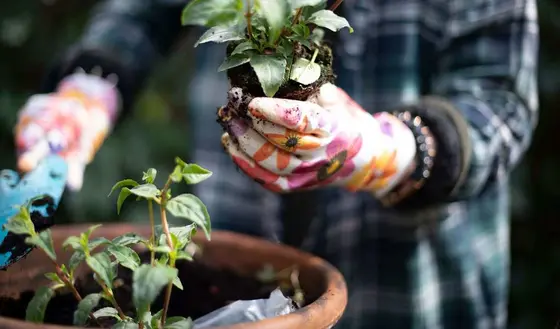
After the threat of frost has passed, it's time to plant your seedlings in a garden bed enriched with compost. 'Choose the warmest, sunniest, and most sheltered spot available,' advises Oliver.
Create a small mound of soil and plant the seed about an inch deep. This mound will enhance drainage and allow the sun to warm the soil quicker, which promotes faster germination.
As a general guideline, space them six feet apart, but be sure to refer to the seed packet for specific planting distances, as these can differ by variety.
5. Elevate the Pumpkins
As your pumpkins grow, it may be necessary to elevate them off the ground to prevent damage or decay, suggests Marcus Eyles, horticultural director. He recommends using pieces of wood, but bricks or tiles can also do the trick.

6. Regularly Water and Feed
'Pumpkins are both hungry and thirsty, so regular applications of high-potassium liquid fertilizer throughout the growing season are essential,' Oliver advises. Insufficient water or nutrients can cause leaves to yellow, similar to the effects of fungal diseases.
'Powdery mildew can become problematic later in the season, particularly during dry spells. Regularly removing affected leaves and applying weekly sprays of liquid seaweed or SB Plant invigorator can keep your plants thriving well into fall.'
7. Harvest and Store Your Pumpkins
To determine the right time to harvest, look for signs of ripeness. Once ready, carefully cut the pumpkins from the vine. Then, focus on storing your pumpkins in a cool, dry area. There's no need to refrigerate; properly harvested pumpkins can last many months.

When Should You Plant Pumpkins?
'Sow your seeds in pots between April and June; the earlier, the better for larger pumpkins,' Eyles suggests.
How Long Does It Take to Grow Pumpkins?

'The growth time varies by size,' Eyles explains. 'If you plant in early June, they should reach a good size by late September.'
Most varieties will mature in 90 to 100 days, although some may take up to 120 days to fully grow.
Why Are There Flowers on My Pumpkin Plant but No Pumpkins?
If your plant is flowering but not producing pumpkins, it may not be pollinated. 'To attract pollinators, add more flowering plants to your garden,' Eyles advises.
'Ensure they are also planted in a sunny location.'