
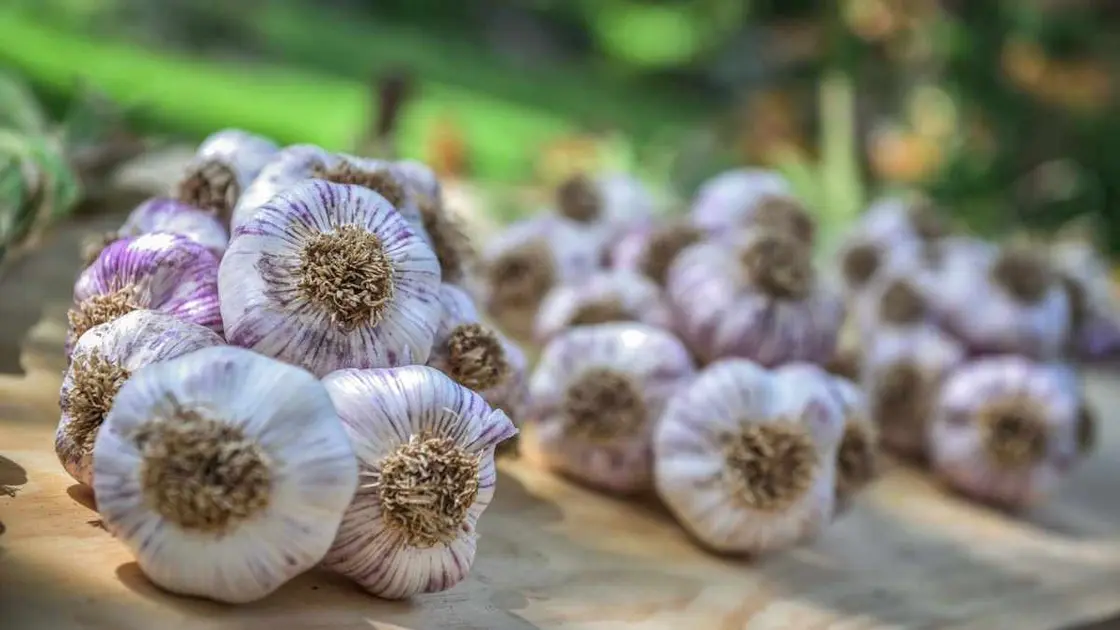
Garlic is a staple in countless recipes and can be surprisingly easy to grow. While the image of plaited bulbs may seem daunting, cultivating garlic can be both rewarding and straightforward.
We gathered insights from gardening experts to guide you in successfully growing garlic in your own garden. This adaptable plant grows well in both garden beds and containers, making it suitable for any space.
Learn about the optimal planting times for garlic to enjoy its flavorful bulbs year-round. It's also beneficial to understand how to store garlic properly to keep it fresh and delicious for longer.
Choosing the Right Garlic Variety
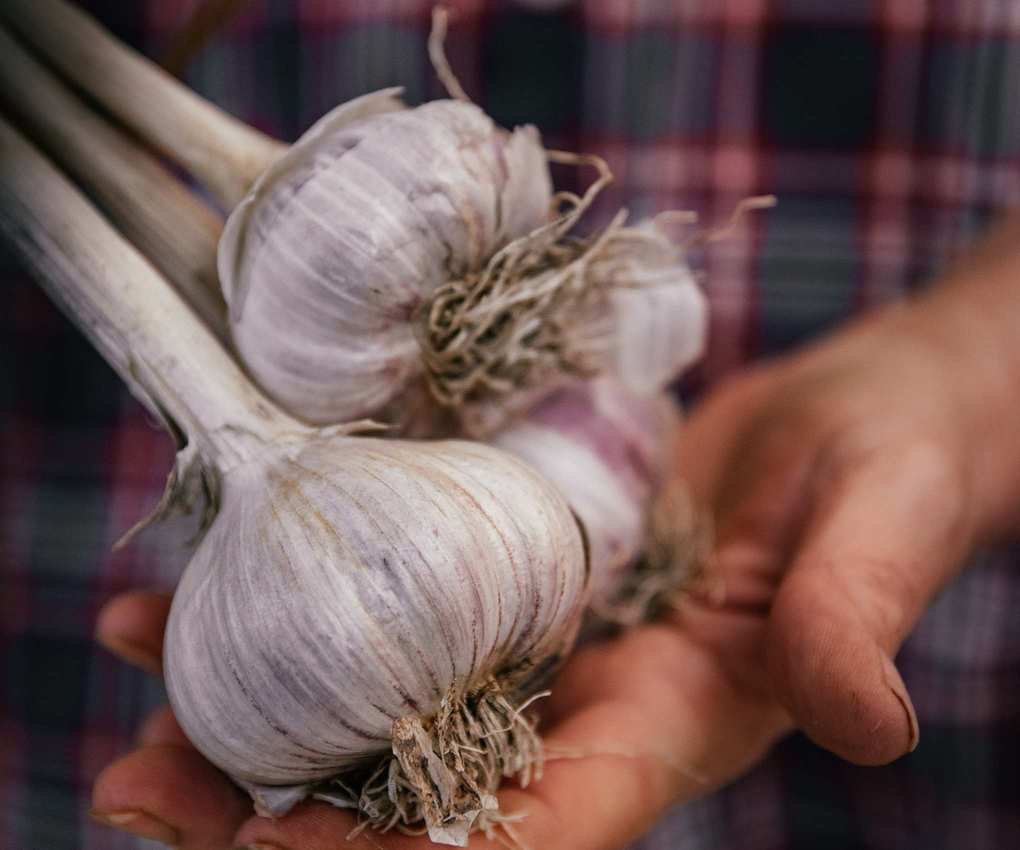
Garlic (Allium sativum) comes in softneck and hardneck varieties.
Softneck garlic is easier to grow and is commonly found in supermarkets. This variety can be stored for a year and has pliable necks that lend themselves well to braiding, making them a lovely addition to your kitchen.
Softneck types yield smaller cloves that can be stored for months, often seen braided at local markets.
Hardneck garlic offers a more robust flavor, grows well in colder climates, matures earlier, and produces edible flower stems known as scapes. However, this variety has a shorter storage life, lasting only until spring.
By planting both varieties of garlic, you can ensure a continuous supply throughout the year. Hardneck types are more resilient, making them ideal for areas with harsh winters.
Elephant garlic (Allium ampeloprasum), resembling a large leek, has a milder flavor and produces fewer, larger cloves. This unique vegetable thrives in sunny, moist gardens.
Explore the selection of garlic bulbs available on Amazon.
Check out the range of garlic bulbs at Walmart.
Find a variety of garlic bulbs at Burpee.
Step-by-Step Guide to Growing Garlic
Garlic cultivation is straightforward with some essential tips. Follow these five steps, featuring expert advice from horticulturists.
1. Prepare the Soil
Photography/Tim Sandall
Garlic thrives when basic requirements are met. It needs full sun and well-drained soil.
Francesco Ponziani, a horticulturist, explains, "Ensure your garden has plenty of compost or well-rotted manure before planting the bulbs."
If your soil is heavy clay, consider adding grit or planting garlic in containers, suggests gardening expert Kate Turner.
2. Plant the Cloves

Photography/Tim Sandall
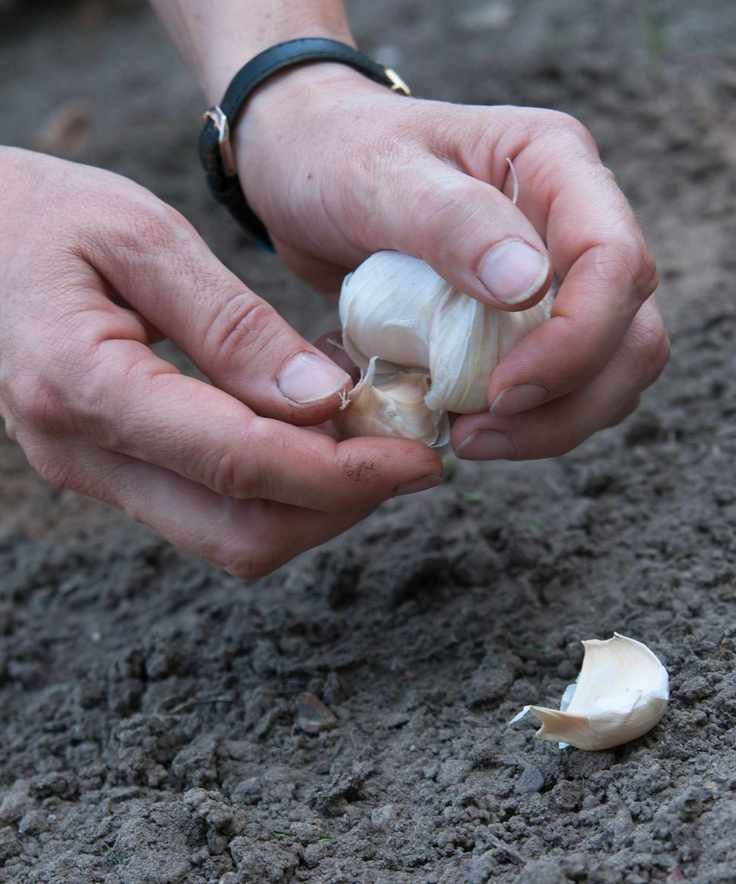
Break the bulbs into individual cloves before planting. Space each clove four to six inches apart, with at least 12 inches between rows.
For container planting, use a four-inch pot and place each clove in its own pot. Ensure the pointed end of each clove is facing up, slightly above the soil. Water after planting to help settle the soil around the bulbs.
3. Protect the Growing Garlic
Photography/Georgi Mabee
Kate Turner recommends covering the planting area with horticultural fleece or cloches to prevent birds from disturbing the seedlings.
Once the plants become larger, they will be less appealing to birds, allowing you to remove the protection.
Continue watering until bulbs form, then cease watering to promote bulb development.
4. Remove the Scape

Photography/Adam Duckworth
Hardneck garlic will produce flower stalks, or scapes. These can be removed to enhance bulb size.
Francesco explains, "Cutting the scape allows energy to focus on bulb growth, potentially increasing size by 20%." If you want to use the scapes in cooking for their mild taste, you can leave them until they bloom.
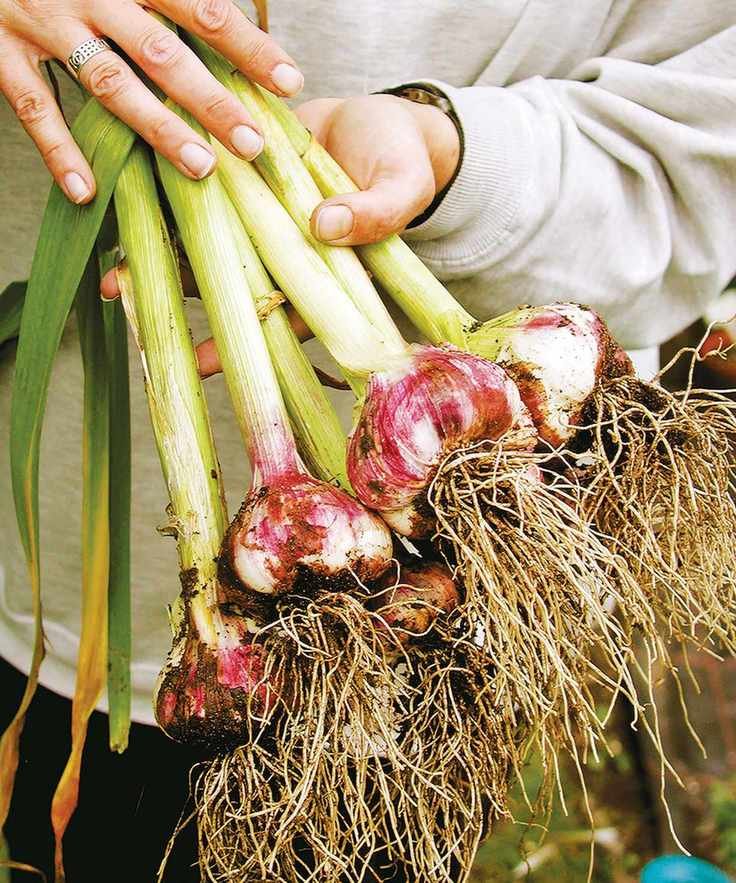
5. Harvest Your Garlic
Photography/Alison Mundie
While growing, you can snip a few leaves for salads, but avoid over-harvesting from one plant.
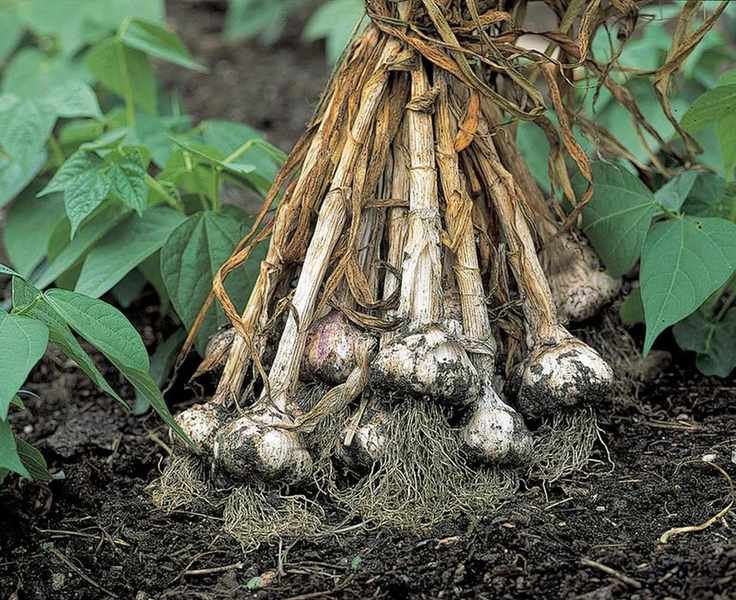
When some leaves yellow and the bulb develops curves around the cloves, it's time to harvest. This typically happens between early June and late August.
Francesco suggests harvesting on a warm summer day to allow the newly dug bulbs to dry properly.
Charles Dowding, a gardening author, advises harvesting before the leaves turn entirely yellow. Most leaves should still be green; for softneck garlic, this is usually by late June, and for hardneck, around mid-July.
Don't leave harvested bulbs in the ground too long, as they may rot. Dry thoroughly in a shaded area, then store in a cool, well-ventilated space.
Can You Use Grocery Store Garlic for Planting?

Using grocery store garlic to grow your own can be tempting, but it carries risks. These bulbs often come from abroad and might be treated with chemicals to inhibit sprouting.
Jen McDonald, a certified organic gardening specialist, warns that treated bulbs may never sprout. Additionally, the handling of these bulbs may lead to diseases in your garden.
She recommends sourcing organic bulbs from local farmers' markets, which are better suited for your region.
Keep in mind that garlic for culinary use differs from seed garlic. The latter is certified disease-free, while table garlic may introduce viruses to your garden, particularly white rot, which can linger in soil for years.

Jen McDonald is a garden expert and co-founder of Garden Girls, LLC, based in Houston, TX. With a wealth of experience growing a diverse range of plants, she shares her knowledge with fellow gardening enthusiasts.
Frequently Asked Questions
How Long Does Garlic Take to Grow?
Garlic typically requires nearly 10 months to mature for harvesting. Depending on the variety, bulbs planted in fall can be ready from early June to late July.
When is the Best Time to Plant Garlic?
Garlic is best planted in the fall, as it needs a cold period for optimal growth, ideally one to two months. If fall is too cold, spring planting is also an option. Francesco notes that garlic planted in fall tends to be ready four to six weeks earlier than spring-planted garlic.
Does Garlic Regrow Annually?
Garlic can be grown as a perennial, yielding garlic each year. However, it's commonly grown as an annual crop, replanted every year. If you decide to grow it perennially, allow the bulbs to mature for a few years, meanwhile harvesting the tender leaves and flowers.
After several years, you can dig up and replant your garlic, following the provided guidelines to cultivate fresh bulbs.



