
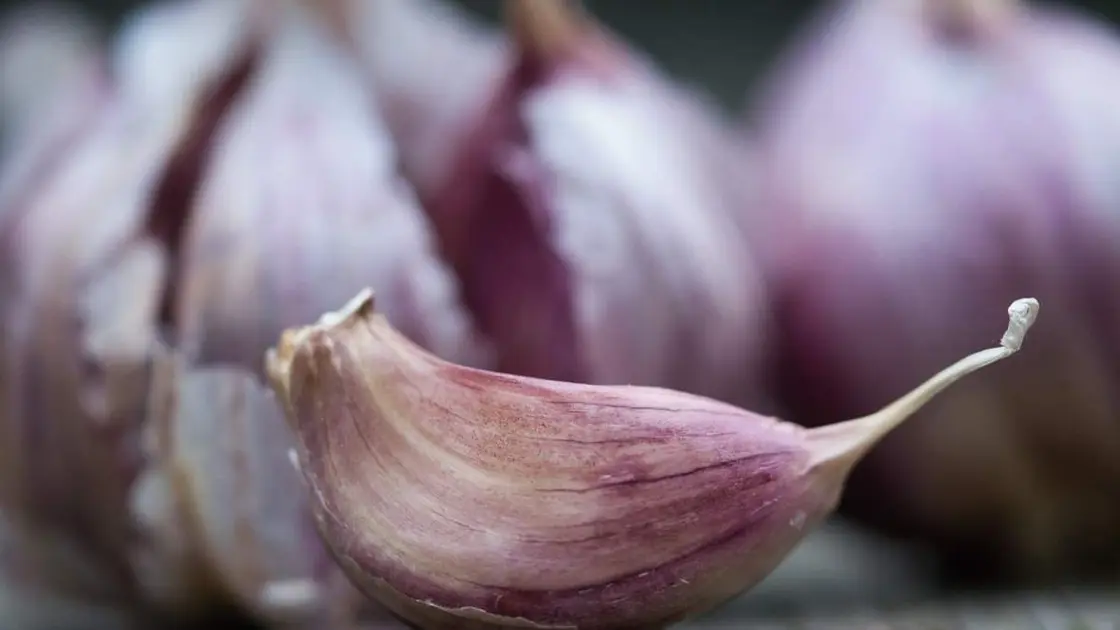
Garlic ranks among the most beloved crops, boasting a variety of options. The two primary types, hardneck and softneck, are categorized by their flower stalk development.
Each type possesses unique traits, making them suitable for various climates and growing conditions. Understanding the differences between hardneck and softneck garlic is crucial for maximizing your gardening success when growing garlic.
Your choice of hardneck or softneck will also influence planting times. Some hardneck varieties can endure winter outdoors, while others are best planted in late winter to avoid frost damage.
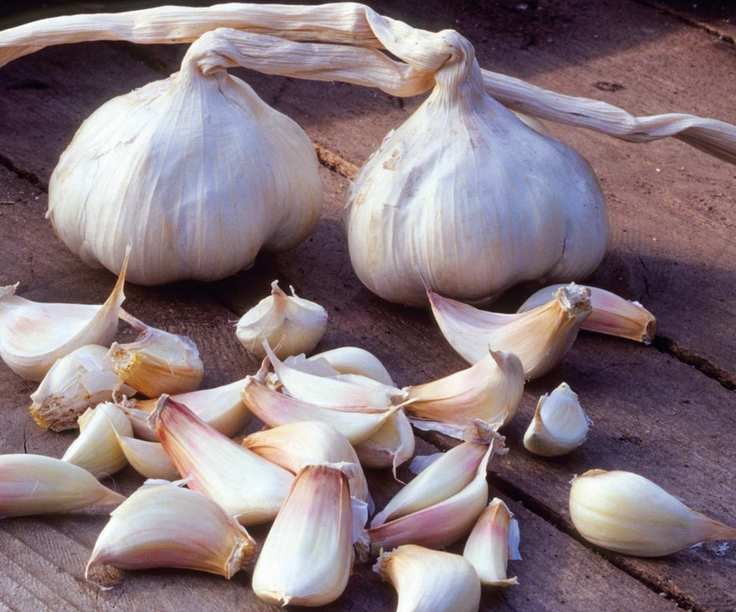
Softneck garlic has more cloves per bulb than hardneck
Key Differences Between Hardneck and Softneck Garlic
Hardneck garlic features a tall, stiff flowering stem, unlike softneck garlic, which lacks this structure.
Other differences include bulb structure, storage capabilities, and flavor profiles. It's essential to remember the hardiness variations when planning your planting schedule.
Hardneck garlic encompasses eight types: Asiatic, Creole, Purple Stripe, Glazed Purple Stripe, Marble Purple Stripe, Porcelain, Rocambole, and Turban, each with various cultivars.
In contrast, softneck garlic consists of just two types: silverskins and artichokes, offering fewer cultivars.
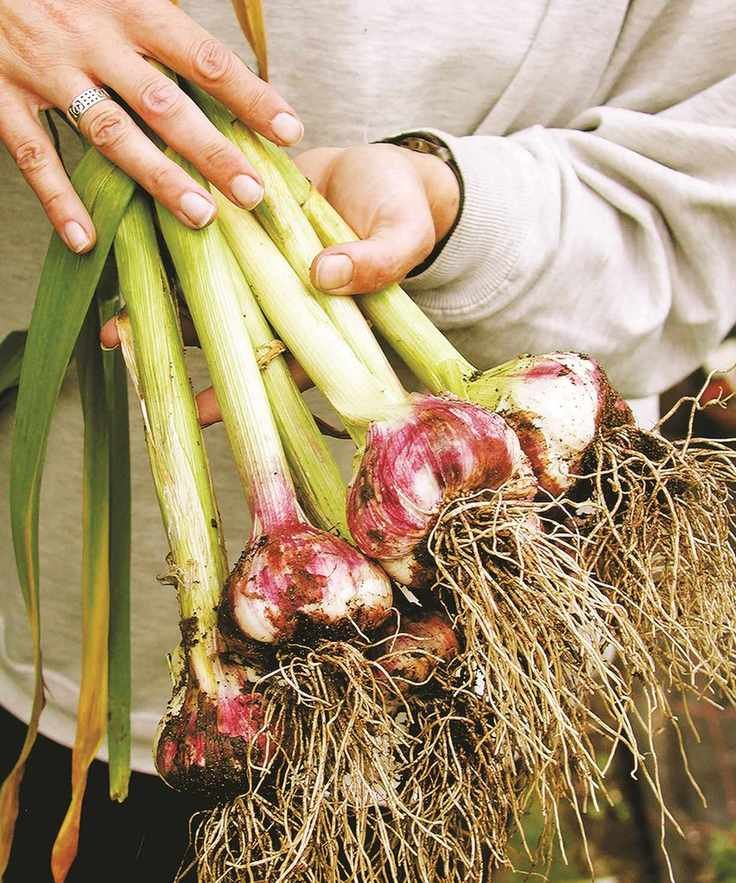
Garlic is harvested once the leaves turn yellow
Advantages of Growing Hardneck Garlic
- More resilient than softneck varieties, surviving winters in climates down to USDA zone 0.
- Thrives in cold climates, requiring at least 40 days of exposure to temperatures at or below 40°F for optimal growth.
- Produces garlic scapes, an edible tall flower stalk considered a delicacy.
- Yields fewer cloves per bulb, but these cloves are larger than those of softneck types.
- Skin is thicker and more brittle, making peeling easier.
- Offers a richer and more intense flavor compared to softneck garlic.
- Numerous varieties are available, with hundreds of hardneck options accessible on Amazon and specialized sites like Burpee.
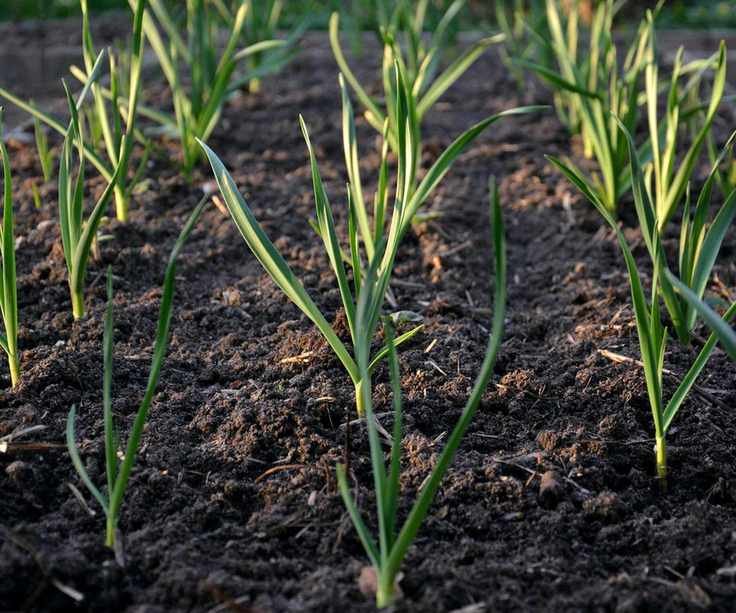
Garlic has an extended growing season
Benefits of Softneck Garlic
- Better suited for milder climates, requiring no cold exposure to form bulbs.
- Grows more effectively in warmer temperatures.
- Ideal for spring planting as it does not tolerate prolonged cold.
- Generates smaller cloves but in larger quantities—typically 8 to 20 per bulb.
- Matures faster than hardneck varieties.
- Resembles the garlic commonly found in grocery stores.
- Has a milder flavor compared to hardneck garlic.
- While there are fewer varieties, softneck garlic is still widely available on Amazon and Burpee.
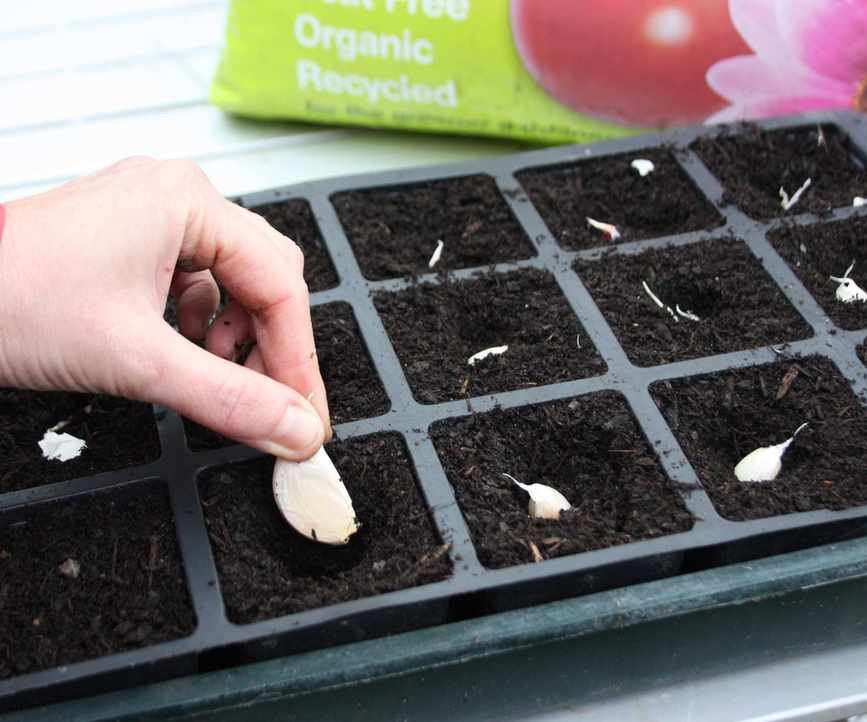
Garlic cloves can be started indoors in trays
Storage Comparison of Hardneck vs Softneck Garlic
When selecting between hardneck and softneck garlic, consider their storage capabilities.
Softneck garlic lasts longer due to its denser bulbs, which are tightly wrapped. This structure helps prevent disease and retains moisture.
Proper storage techniques are essential for growers. When cured and stored effectively—either braided and hung or with heads removed and placed in a dark, well-ventilated area at 50-60°F—softneck garlic can last nine to twelve months. Hardneck types generally store for only three to five months.
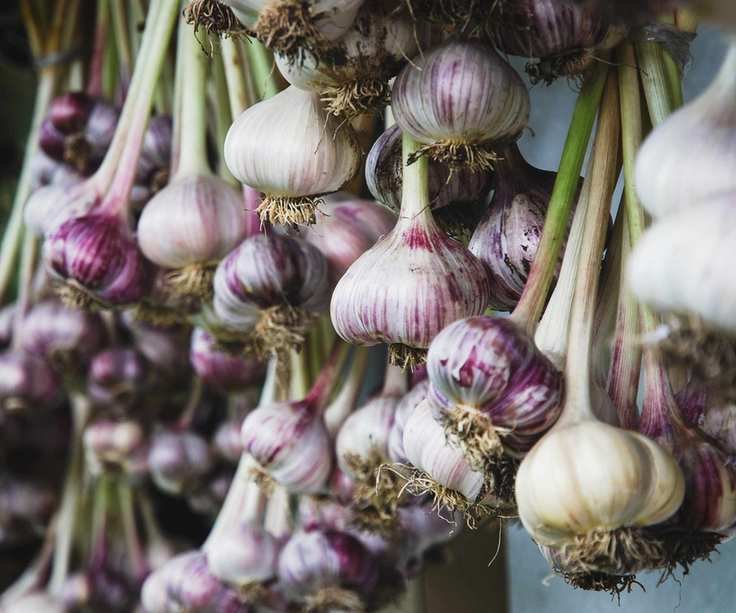
Hanging garlic is a favored storage method
Which Garlic Type Should You Grow?
Understanding the advantages and disadvantages of each type is crucial, but your location will likely determine your best option. Hardneck varieties are more cold-tolerant, making them ideal for northern gardeners, while softneck types thrive in USDA zones 8-12. Some regions can support both types, provided hardneck varieties receive the required 40 days of cold exposure.
A knowledgeable source suggests researching the best garlic for your area. 'Start by evaluating your climate, then explore specific varieties that fit your conditions,' they recommend. 'With either type, expect several months of harvest from late spring through summer if planted correctly.'
Garlic's growing season can extend up to ten months from planting to harvest. Planning ahead allows for an extended harvest by utilizing both types. Depending on your zone, you might plant hardy hardneck varieties in the fall to survive winter and follow with spring-planted softneck garlic for an abundant yield.
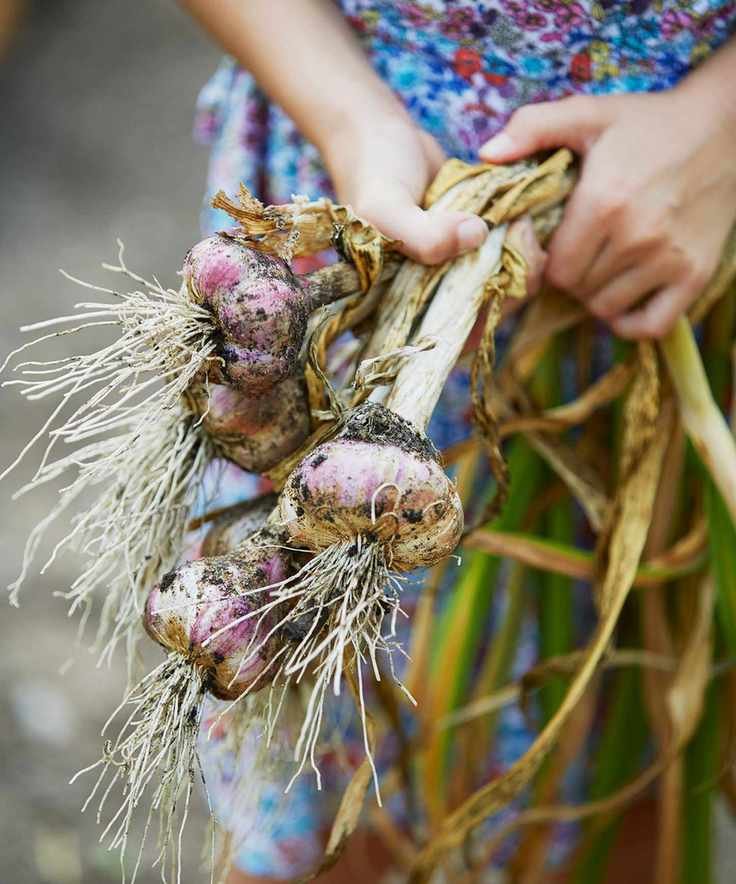
Planting diverse garlic types can extend your harvest
Growing hardneck varieties provides an additional treat: garlic scapes. These edible flower stalks can be used in various dishes, from pesto to pickles. Removing scapes is vital for optimal bulb growth, but since they're a culinary delight, it's a welcome task. One gardening enthusiast emphasizes the importance of addressing scapes early.
Ultimately, your flavor preference and intended garlic use will guide your choice. For a bold taste, hardneck is ideal, while softneck is better for milder flavor and longer storage. With various options available, researching your local conditions—whether you're growing garlic in pots or in the ground—will lead you to the right garlic for your garden.



